It’s still early in the 21st century. The world is moving faster than ever, and it shows no signs of slowing down anytime soon.
But wait a minute.
Does faster mean further? Is there a link between speed and progress?
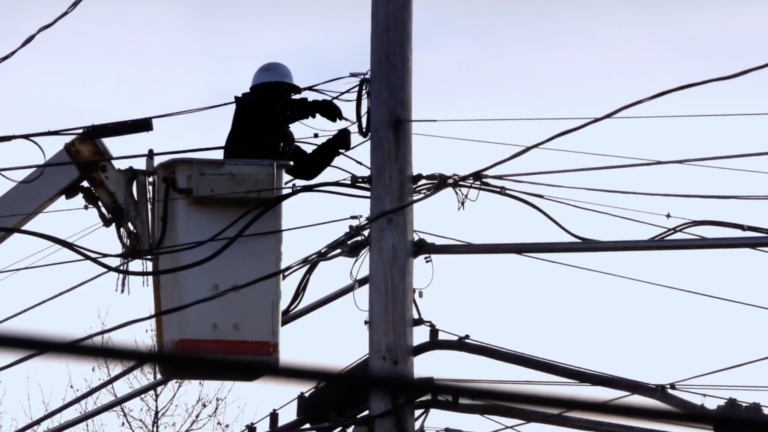
If that link happens to be a cord or a cable, then I’d say no. Think about it. How far can you really go when most of the objects you rely on keep you periodically tethered to a wall?

This is WHAT IF, and here’s what would happen if there were no cables.
Let’s admit it. We’re all a little power crazy. Okay, we’re a lot power crazy.
Most of us rely on electricity to light our homes, power our stoves, fuel our economy, stay in touch and, if you’re really cool, get around.
But despite all the technological innovation that allows us to do more and more with the power we harness, it would still be a stretch to call our potential… limitless.
It’s hard to imagine the fast-paced, technologically advanced and innovative society we live in today without cables. A world without wires sounds like something far ahead in the future, or way back in the past.
We’d communicate by writing letters to each other under the warm light of oil lamps. Aside from word of mouth, physical newspapers would be our only source of information.

We wouldn’t have phones, the internet, computers, television or any modern appliances to make our lives easier and more comfortable. But while the mere thought of “off-the-grid” living might horrify you, that’s how roughly 1 billion people across the world live today.
About 16% of the Earth’s population currently lives with little or no electricity. And as you can imagine, their quality of life and their opportunities for economic growth are severely limited without reliable access to power.
Could a cableless world help those in need? Nikola Tesla believed so.
He envisioned a World Wireless System that would deliver telecommunications and electrical power by using the Earth and its atmosphere as conductors.
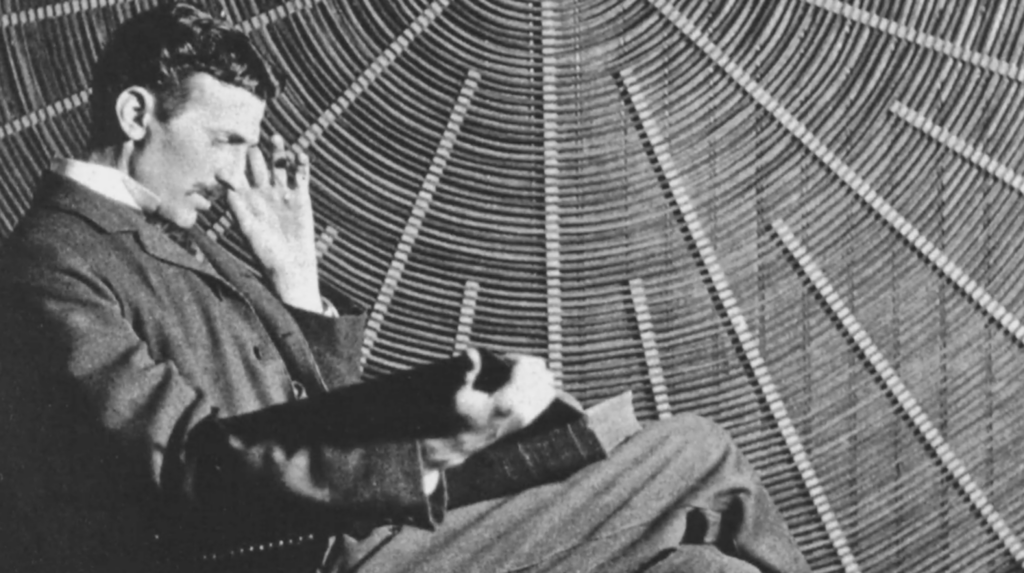
We’re not entirely sure how this system would have played out, since the commercial success of Marconi’s radio telegraph system vastly overshadowed Tesla’s innovation and ensured the world would remain plugged in for the foreseeable future.
However, just because a wireless world didn’t happen then doesn’t mean it can’t happen now.
Research teams at some of the world’s top educational institutions have been building on Tesla’s work. For example, in 2017, three scientists at Stanford University succeeded in wirelessly transmitting electricity to a nearby moving object.
In theory, this means that one day, we might be able to charge our electric cars while driving. Of course, there are plenty of other benefits to wireless power transmission.
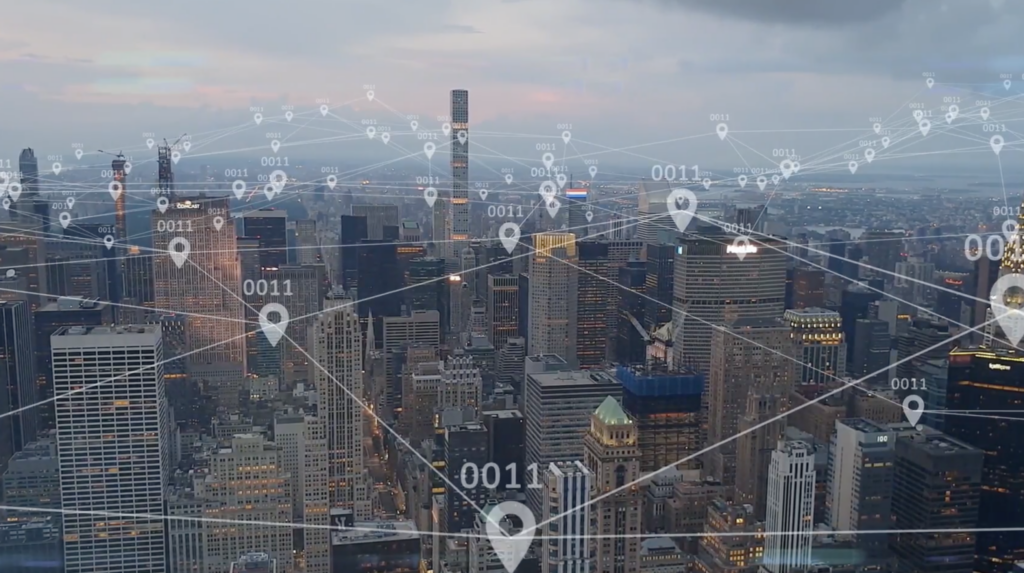
If we did come up with an efficient and scalable way to use the Earth and its atmosphere as electric conductors, we could make wireless power more accessible and inexpensive.
This would change the lives of billions of people across the world, raising their standard of living and providing them with more opportunities, such as higher education and improved medical services.
Achieving Nikola Tesla’s dream of creating a World Wireless System might help level the playing field between developed and developing nations, while also promoting greater freedom and equality.
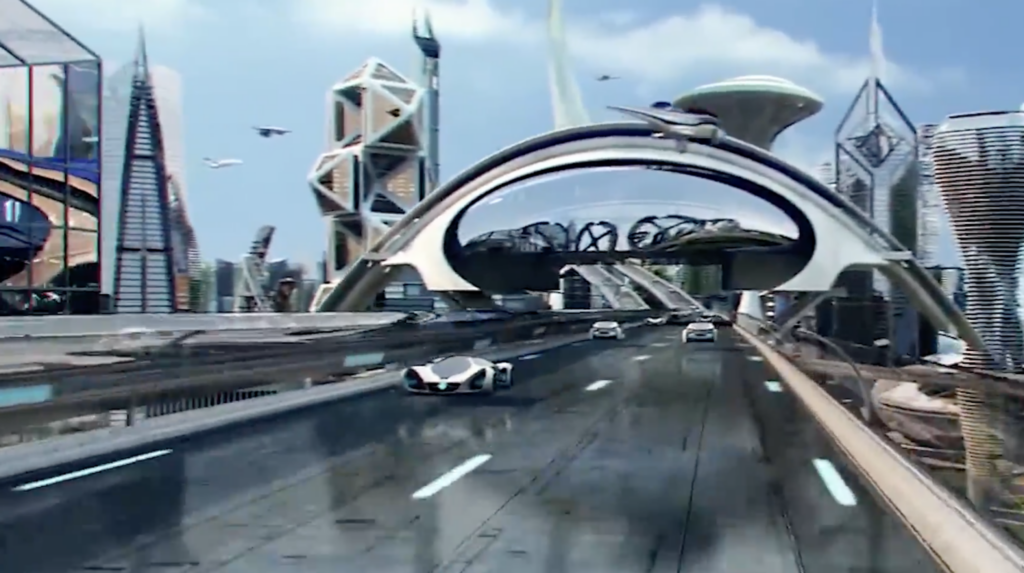
Power to the people, right on! The World Wireless System doesn’t exist yet, and it won’t for some time. But given the proliferation of wireless devices, from cell phones and laptops to the internet and AirPods, we may one day find ourselves living in a cableless world.
And if we can make that happen, what else might be possible? Can you imagine a future in which all cars are electric?
That’s a story for another WHAT IF.