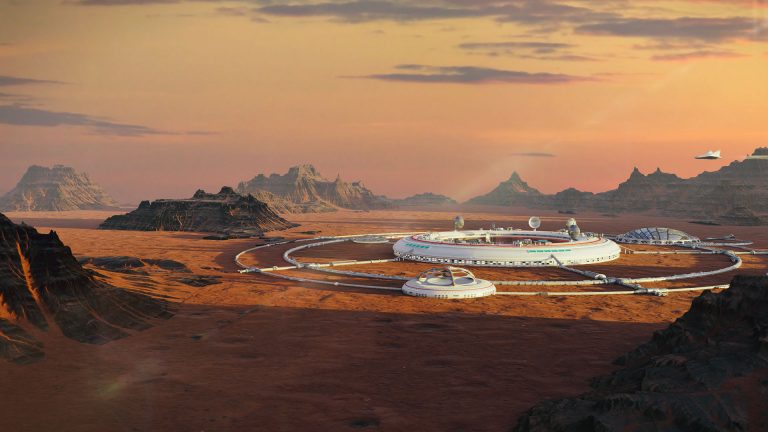
The next step in space exploration isn’t waiting for some distant generation. It’s being planned right now, and the destination is the desolate world sitting next door.
Mars is over 265 million km away at its farthest, and the serious proposals for getting people there permanently already exist.
So what would actually be involved in building a city on it?
Start with headcount, because there’s a minimum below which the whole thing fails.
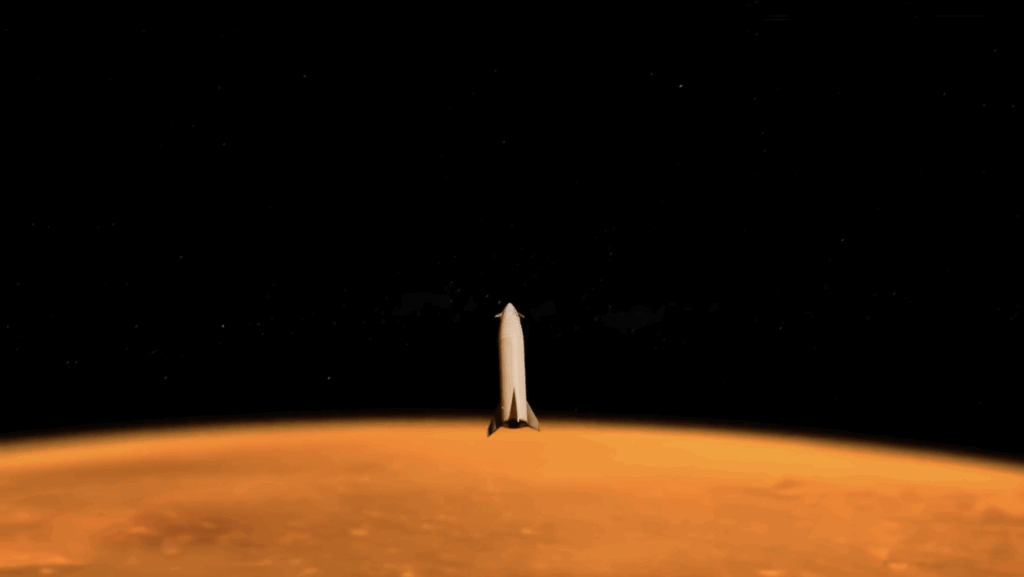
According to the Bordeaux Institut National Polytechnique, you’d need at least 110 settlers to make a go of it. The SpaceX plan begins with two spaceships carrying 100 people each.
That’s enough hands to build additional habitats and research stations without burning through your supplies faster than you can replace them.
Run out of food at that stage and the experiment ends there.
Which points at the real challenge. The city has to become self sustaining, because resupply from Earth arrives roughly every two years, timed to when the planets align and the journey is shortest.
Before anyone thinks about eating, though, they need somewhere survivable to stand.
The Martian atmosphere is 95 percent carbon dioxide, which makes the air actively toxic, and the surface receives intense radiation with nothing to filter it.
Fortunately the solution is already underfoot.
Just 5 meters of Martian surface material, called regolith, provides roughly the same radiation shielding as Earth’s entire atmosphere. Pile it over your habitats and the problem is largely handled.
Building the structures themselves may be easier than it sounds. Companies on Earth have already 3D printed houses of around 75 square meters for as little as $4,000 each, completed within a single day.
Even so, Elon Musk has estimated that establishing a working settlement could take up to 10 years.
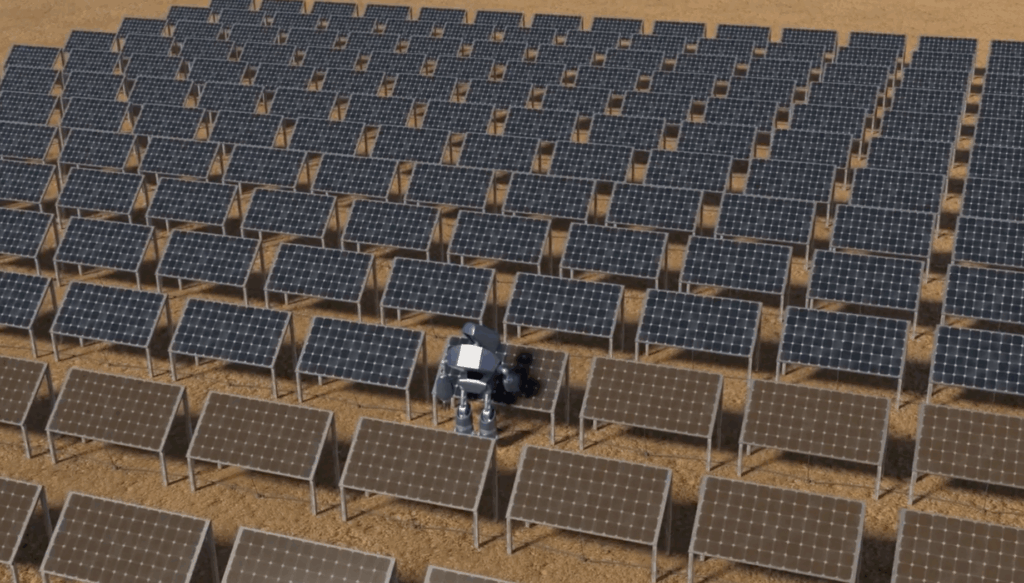
There’s one genuine advantage to arriving on a planet nobody has touched yet. Nothing there is being drilled or fracked, which means the power grid gets built clean from day one.
Solar arrays for electricity, methane for engines, and a footprint that could stay small no matter how many people eventually live there.
Then comes feeding everyone, and the numbers get specific fast.
Keeping the colony properly nourished means serving the daily equivalent of 110 cooked chicken breasts and 660 carrots. Convert one dome into an indoor farm and you could raise the chickens yourself, with the added benefit of extremely nutrient rich manure for the crops.
Water is the open question.
Scientists still argue about whether liquid water sits beneath the Martian ice caps. If it does, that freshwater source could be filtered and used for irrigation, which changes everything about how the city runs.
With supplies only arriving every two years, having local water would demand a government structure to oversee distribution, plus scientists employed permanently to manage filtration.
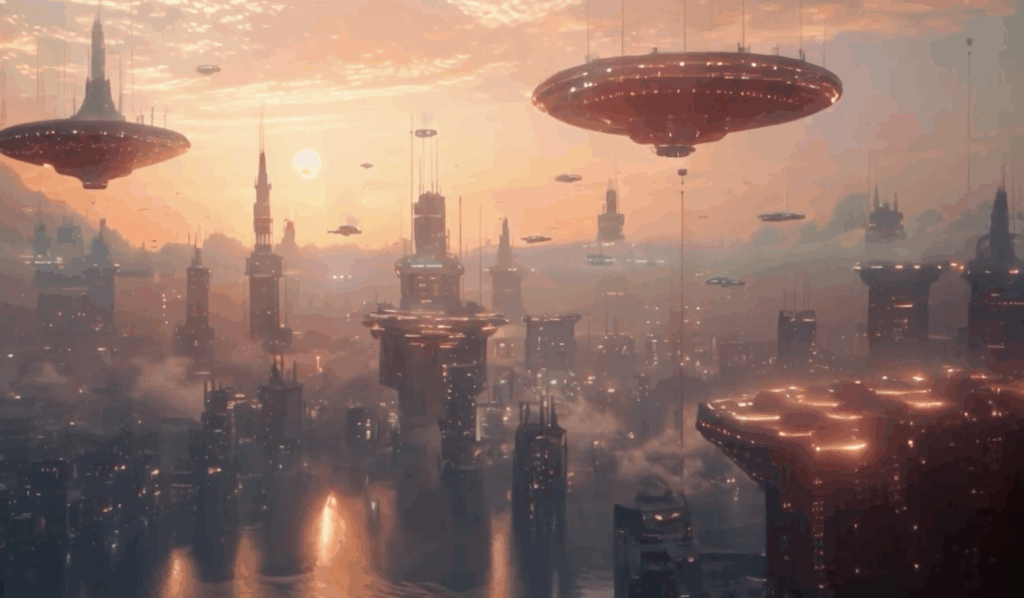
And that’s the moment this stops being an outpost and becomes a society.
Infrastructure exists. Jobs exist. So how does anyone get paid?
One proposal is a cryptocurrency called MarsCoin, available exclusively to Martians, designed to fund the government, encourage trade, and establish a standard of living.
Or the colony might skip currency altogether at first, with people trading services and bartering goods while the society is still small enough for that to work.
Which is the genuinely interesting part of all this. A city on Mars wouldn’t just be humans living somewhere else.
Done properly, it would be a chance to build a civilization without inheriting the assumptions we’ve been carrying around on Earth for the last few thousand years.