The Stone Age started 2.6 million years ago and ran for nearly 2.5 million years.
Across that span, our ancestors survived three ice ages, chronic shortages of food, and predators that were considerably better at hunting than they were.
Almost everything about how they lived would be unrecognizable to us. Some of it would be unbearable.

During the ice ages, the entire planet turned cold and dry, never warm enough for rain or snow. Then the temperatures would climb again, and humans had to adapt quickly or die.
There were no permanent homes for most of this period. Early nomads moved constantly, following whatever the land offered.
So picture waking up in a dark cave beside a fire that’s nearly out, your family huddled together for warmth. Put on your best fur, because it’s your turn to provide. Outside, the rest of your group are in tents, ready to move at any moment.
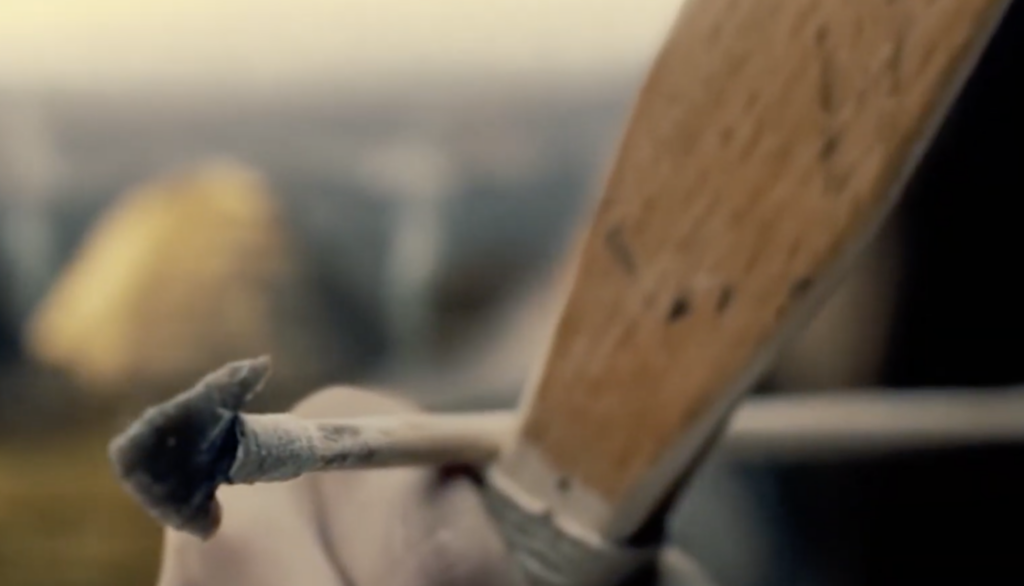
You and your fellow hunter gatherers migrate like birds, going wherever the resources are. Which means grabbing your spear, made from bone and wood. Maybe you learned to build it by watching another tribe. Or maybe you worked it out yourself.
Scientists genuinely don’t know how much these groups influenced each other, largely because early humans weren’t communicating at any sophisticated level yet. You either reverse engineered what you’d seen somebody else carrying, or you invented it on your own.
Either way, what you’re hunting with it is a woolly mammoth.
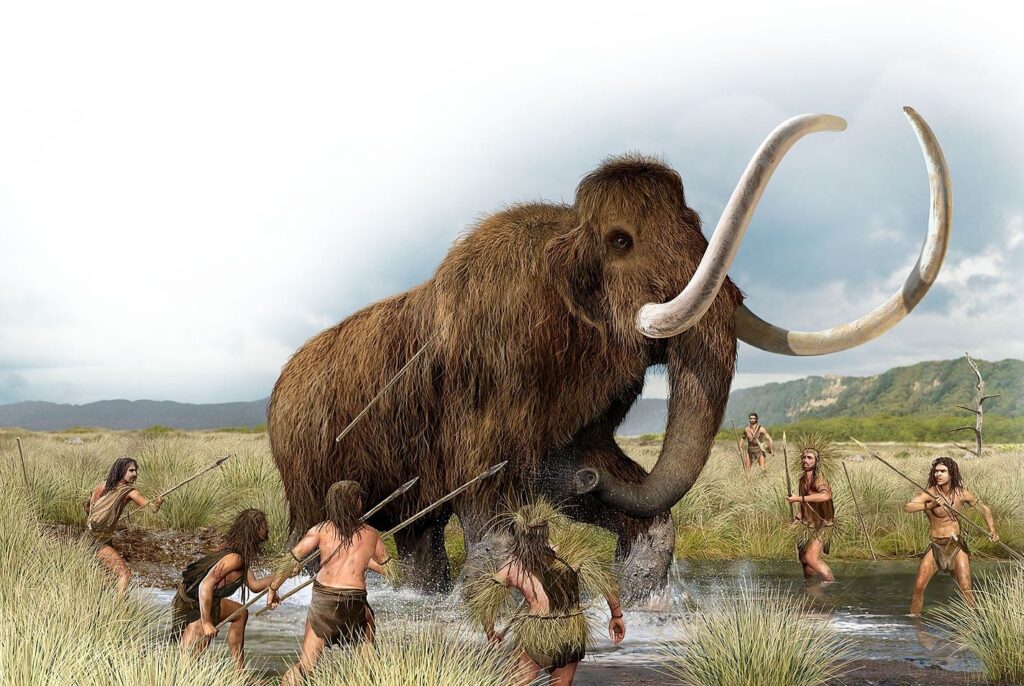
These animals were the size of African elephants and weighed around six tons. You’d track them by following their footprints, then use fire to drive them toward a cliff edge.
Alternatively you could try to spear one to death, which is exactly as advisable as it sounds. Manage it and the reward is enormous. A single mammoth could feed up to 30 people for two weeks.
Fail, and you fall back on gathering. Nuts, berries, eggs pulled from bird nests, and there’s evidence early humans used clay pots to cook with. They were also better cooks than you’d expect.
Tools recovered from the Paleolithic suggest they may have ground oats into flour, which puts oat flatbread on the menu. And if that sounds bland, they had garlic mustard seeds, turmeric, and cultivated wild onions to work with.
Just be careful with those seasonings, because there’s a chance somebody uses them on you.
Markings found on the bones of our ancestors show that early humans occasionally ate each other, and sucked the marrow out of the bones afterward. Worth keeping an axe within reach while you sleep.
They didn’t need hunger as a motive, either. Skeletons from the late Stone Age frequently show severe head injuries, from raids, internal disputes, or full scale fighting between groups. Violence was ordinary, and lives ended early because of it.
Which makes what they did with their spare time genuinely surprising. These were the first humans to leave behind art. Using minerals, charcoal, and burnt bone meal, they created images of each other, of animals, and of symbols nobody has fully decoded.
They built flutes out of bone, too. There were music sessions around those fires. And they were doing all of it on a very short clock, because average life expectancy in the Stone Age topped out around 40 years.
Just enough time to have children, teach them what you knew, and hand the whole struggle to the next generation.