Long before Hollywood got hold of the idea, two physicists put it on paper.
The year was 1935, and Albert Einstein working alongside Nathan Rosen described something extraordinary: a structure capable of joining two distant regions of spacetime together. Their names ended up attached to it permanently.
Films have shown you the version with the glowing tunnel and the spinning ship. What nobody dramatizes is the damage that opening one would do to everything nearby.
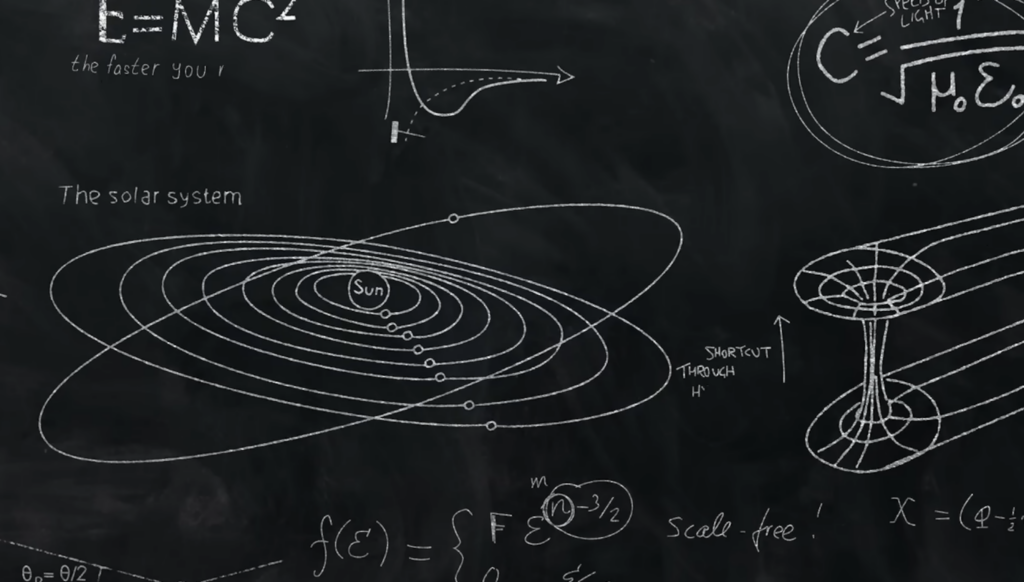
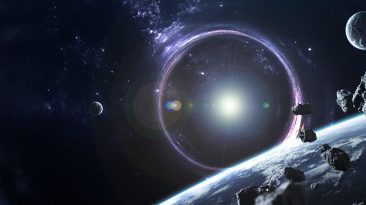
Calling it a bridge undersells what’s being described. Picture a passage instead, with one mouth here and the other opening somewhere entirely separate.
Walk in and the exit could put you in another galaxy, another universe, or standing in Europe during the 1300s. The catch being that you’d need it to remain open while you were inside.
Nobody has ever detected one, which is worth stating plainly. Confirming their existence isn’t close to happening.
And should any exist inside our Solar System right now, current thinking suggests they’d be microscopic. Far too small for anything to pass through. Building one at human scale changes the mathematics entirely.
For perspective, consider that the smallest theorized black hole would be roughly atom sized while weighing as much as a mountain. Nobody can calculate exactly what mass a passable wormhole would need, but that comparison should tell you the scale involved.
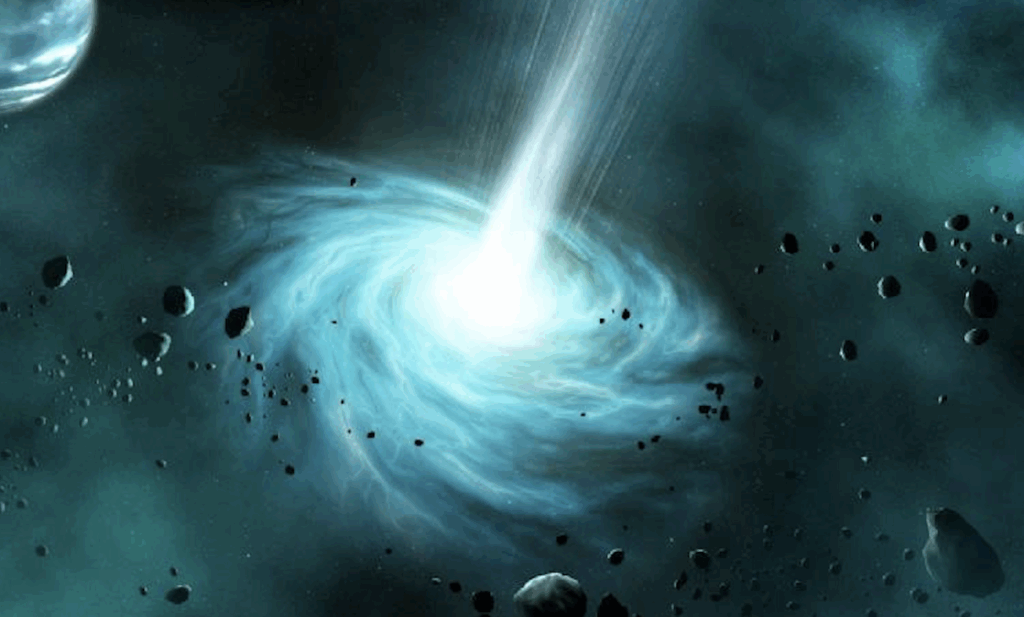
Concentrate that much mass in one location and the gravitational consequences reach outward.
Planetary tilts would shift. Rotations would change. The arrangement our Solar System has maintained for billions of years would be rearranged by the presence of the thing itself, before anyone stepped inside it.
Fortunately, or unfortunately depending on your goals, none of it would last.
Wormholes tear themselves apart almost immediately, because the walls exert attraction on each other and pull the whole passage shut. Whatever opened would close within moments, and the Solar System would gradually recover.
Preventing that collapse requires something specific.
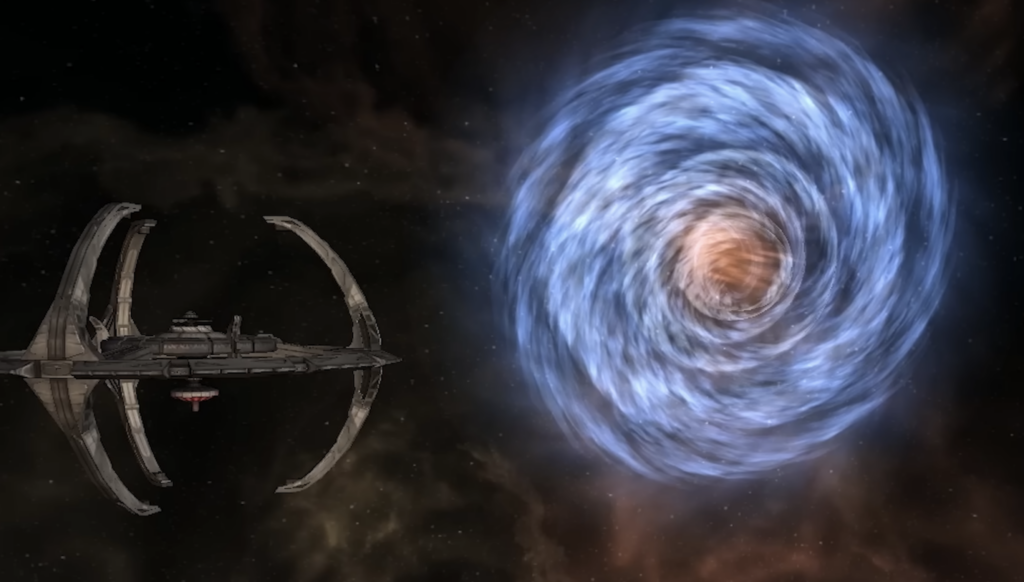
Exotic matter, meaning negative energy, capable of pushing outward against the forces closing the walls. The difficulty is that exotic matter may not be present anywhere in our universe.
Then comes the objection that closes the argument entirely. Physics as currently understood indicates you couldn’t pack sufficient negative energy into a wormhole to keep it open regardless of whether you found the material.
Although that limit remains untested.
Which leaves the whole idea suspended between impossible and unproven, which is where the most interesting science tends to live.
If anyone ever does find a way through, the rest of us will still be here, dealing with whatever the passage did to the planets on its way open.