Skyscrapers that once pierced the night sky now stand as monoliths of darkness. Streets that buzzed with life are frozen in eerie silence. Cars stall in mid-traffic, their drivers bewildered. Airplanes lose power, descending helplessly from the heavens. The glow of a million screens fades to black.
It’s not a blackout. It’s an attack.
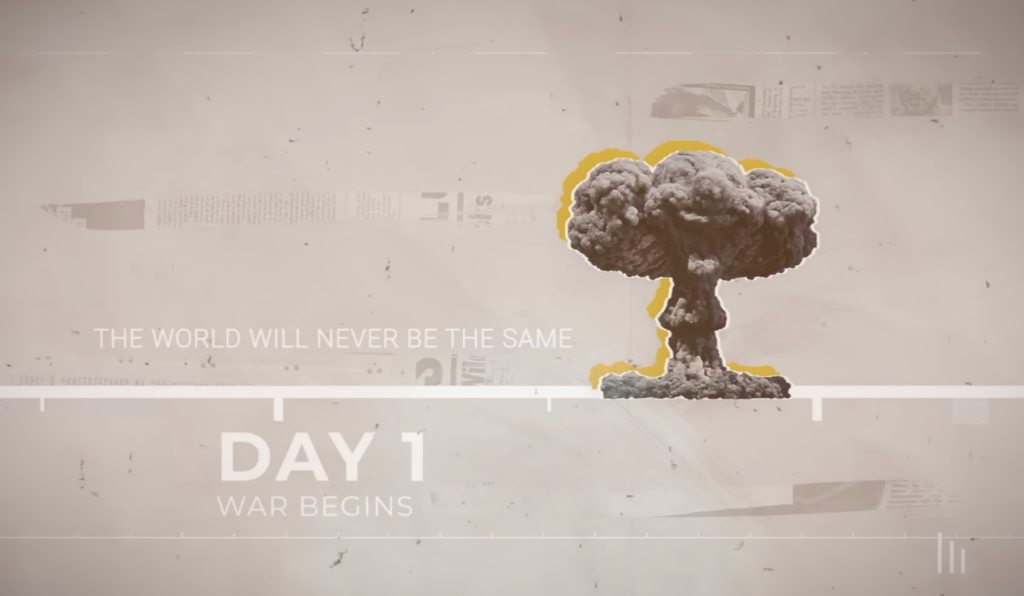
It’s 20226. In a single heartbeat, modern civilization falters. No lights. No internet. No communication. This isn’t a nightmare. It’s an EMP attack unleashed by Russia upon the United States. The opening move in what becomes World War III.
As spring turns to summer, the conflict shifts to a domain unseen by the naked eye. Cyberspace.
A cyber attack isn’t just hacking a website. It’s an assault on the very fabric of modern life.
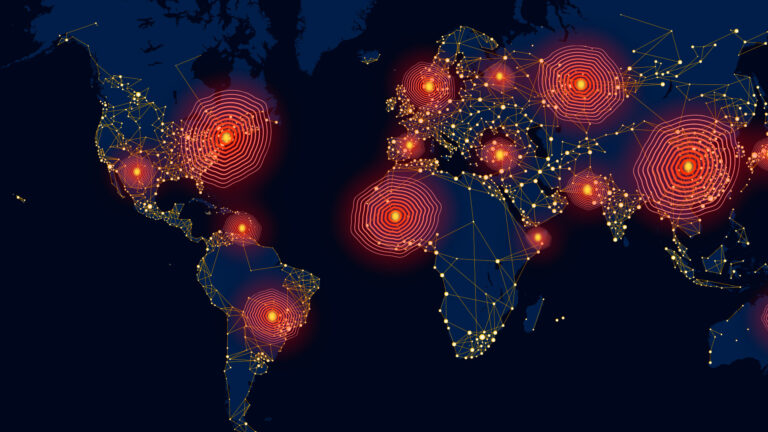
Russia unleashes a series of sophisticated cyber attacks on the United States and its former NATO allies. Power grids falter, plunging cities into intermittent darkness. Financial systems glitch, causing markets to crash and wiping out trillions globally. Hospitals report system failures, endangering lives.
The dire global events spur civil and social unrest. Hate and divisiveness explode on social media. Protests erupt in the streets. Conspiracy theories flood primetime news. Tech billionaires become government contractors overnight, supplying surveillance tools and AI defense systems.
These aren’t random hacks. They’re coordinated assaults using advanced AI algorithms that adapt and evolve, much like a virus becoming immune to every antibiotic thrown at it.
But this is just the beginning of the onslaught to come.
With cyber warfare breeding chaos, Russia advances its position. Under the pretext of “protecting Russian-speaking minorities”, Russian troops enter Ukraine and push into the Baltic States.
The European Union, without the backing of the U.S., struggles to mount a unified defense. The United Kingdom, Germany and France rally their forces, but coordination is hampered by ongoing cyber disruptions. Surveillance and intelligence gathering rely heavily on tech and IT infrastructure, which are compromised. Without the U.S.’s advanced systems, they find themselves in the dark.
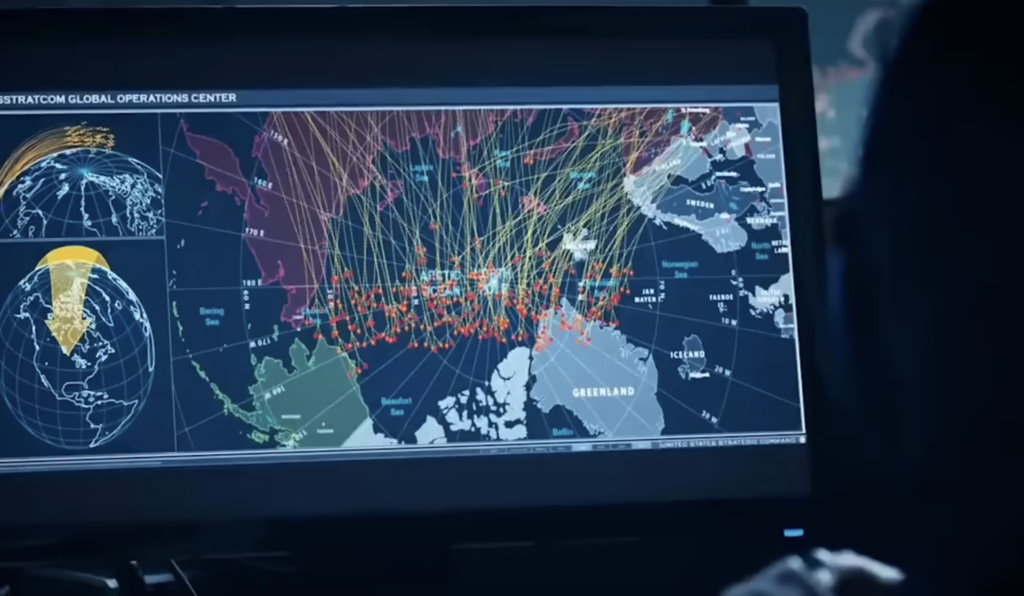
Back in the United States, public pressure mounts. Despite earlier promises to avoid foreign entanglements, President Trump faces a critical decision. In a dramatic address, he announces that the U.S. will take independent action to restore global stability.
By mid-2026, both sides are exhausted. The war has drained economies, decimated populations and left landscapes scarred.
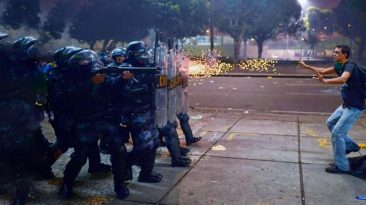
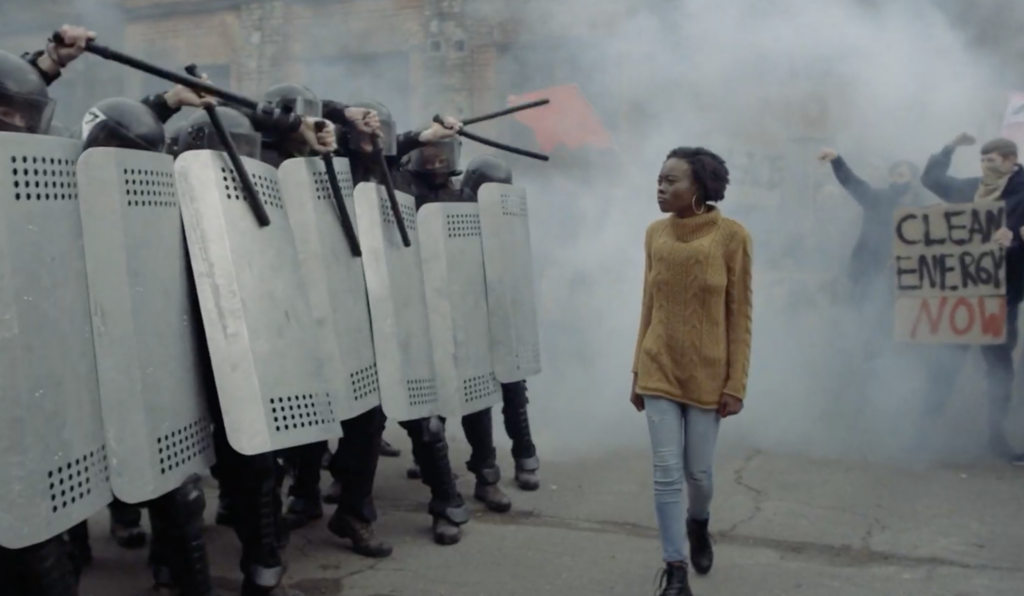
Protests erupt in major cities worldwide, demanding an end to the conflict. In Russia, citizens take to the streets despite government crackdowns. The U.S. sees similar unrest. Asylum seekers flee from war-torn regions to neutral countries like Switzerland, New Zealand and some South American nations. The tables have turned on global immigration patterns.
International pressure mounts for a ceasefire. Switzerland and Sweden facilitate peace talks. An uneasy truce is established, but the world has been irrevocably changed.
The United States begins the arduous task of rebuilding. Refugees from urban centers have flooded rural areas, straining resources. Communities must adapt to a new normal.
The collective trauma is immense. People grapple not just with loss, but with the erosion of trust in institutions and each other. Life will not return to normal anytime soon. It’s a long road ahead.
Civilians face the challenge of rebuilding society from the ground up. Local governance becomes crucial as federal systems remain in disarray. Education, healthcare and public services are organized at the community level.
Throughout the conflict, small independent groups of hackers from both sides formed secret alliances. These groups worked tirelessly to lessen the impact of the war. They disrupted war-related systems. Disseminated information globally to urge neutral countries to intervene. Leaked key information about military plans. Organized online campaigns and protests aimed at saving lives and stopping the war.
Recovery is a long and challenging journey. Survival isn’t just about meeting physical needs. It’s also about healing our minds and hearts. Focusing on mental health and processing trauma is essential. Participate in or organize support groups where you can share your experiences and feelings. Mental resilience is just as important as physical survival. By supporting each other emotionally, we strengthen our ability to rebuild and move forward together.