Here is the number that quietly kills the whole idea.
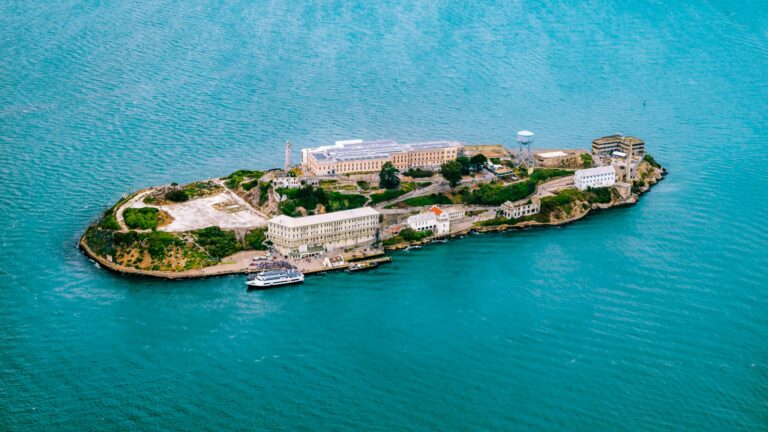
Modern prisons are built to hold thousands of inmates at once. Alcatraz was never close to that, and even after major renovations, the island simply has nowhere to expand.
So the real question is not whether it would be secure. It is whether anyone should spend billions of dollars on a facility that houses almost nobody.
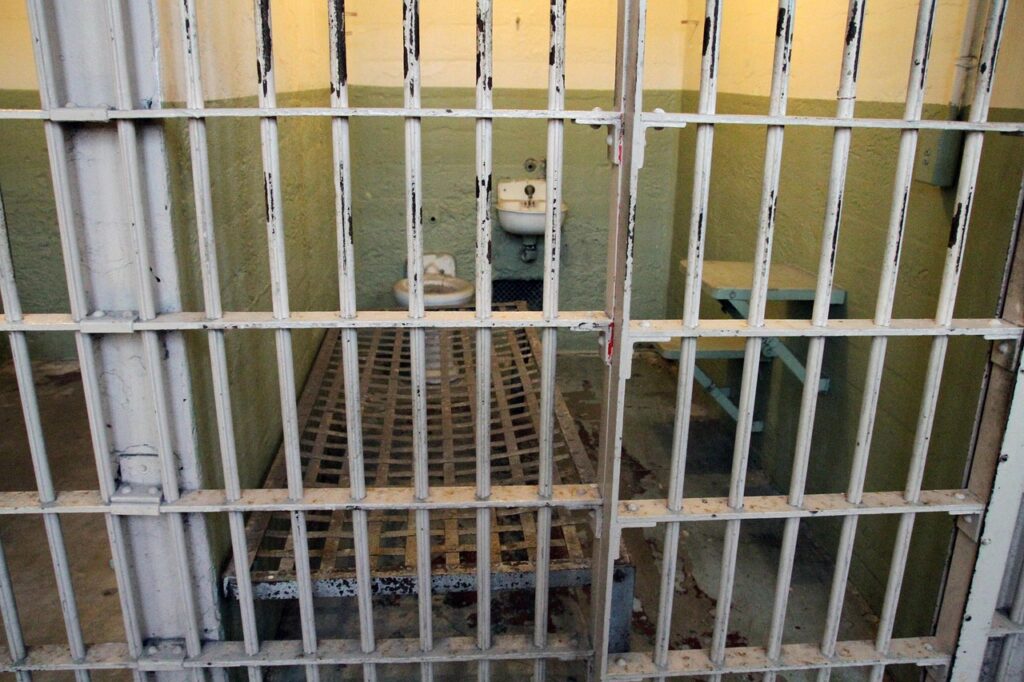
Picture being told your cell sits on an isolated island in the middle of San Francisco Bay. The water is freezing, the currents are brutal, and no bridge connects you to the mainland.
That was the reputation Alcatraz earned. For decades it was considered one of the most secure places in America to hold dangerous criminals, and murderers, gangsters, and notorious outlaws were sent there because authorities believed the island itself functioned as one enormous security system.
But could it actually work today?
On the surface, the appeal is obvious. No roads to run to, no easy way for outsiders to approach unnoticed, and anyone attempting escape immediately faces cold water and powerful currents.
The problem is everything that has changed since.
Modern correctional facilities run on technology. Cameras watch almost every area. Electronic systems control doors and track movement through the entire building. Staff depend on sophisticated communication networks and advanced security equipment.
Alcatraz was built long before any of that existed.
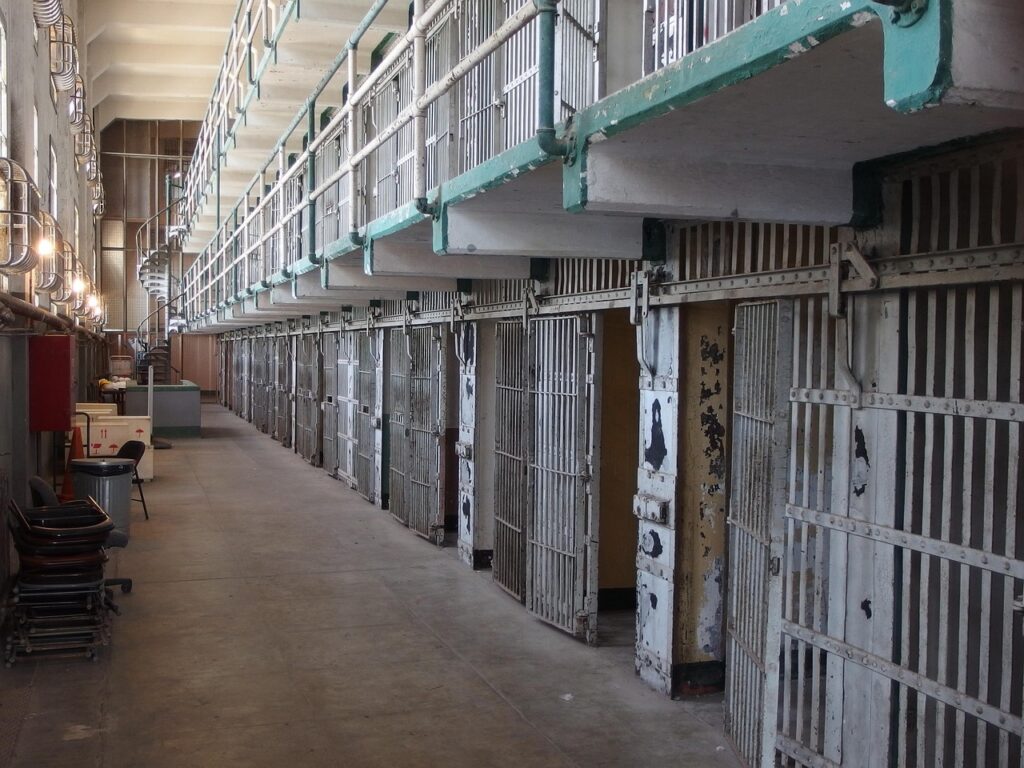
Reopening it would mean rebuilding nearly everything from the ground up: new infrastructure, modern utilities, upgraded electrical systems, and full security technology. Honestly, constructing a brand new prison would be easier than converting a decades old tourist attraction into a working facility.
Then the running costs arrive.
Operating a prison on an island is punishingly expensive. Every employee, every meal, every piece of equipment, and every medical supply has to cross the water. Even routine repairs turn complicated when everything arrives by boat.
Supporters would argue Alcatraz could serve a narrower purpose, holding only the most dangerous criminals in the country rather than thousands of ordinary inmates. Its isolation would suit prisoners who present extraordinary security concerns.
Except technology has already redefined what maximum security means.
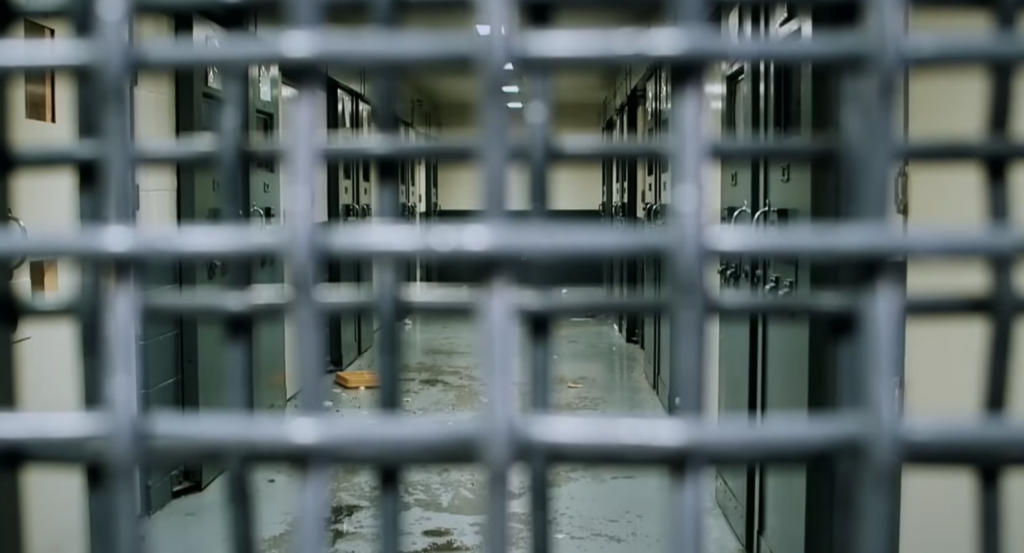
Prisons today monitor inmates continuously using cameras, motion detectors, and advanced surveillance. High security facilities on the mainland isolate people just as effectively while costing far less to run.
And the island was never quite the fortress the legend suggests.
Several inmates attempted escape during its years of operation. Much of its reputation came from symbolism rather than physical barriers. Alcatraz represented punishment, isolation, and the idea that certain people could be removed from society entirely.
That symbolism has outlasted the prison itself.
Millions of tourists visit precisely because it became one of the most recognizable prisons in history. Reopening it would seize public attention instantly, since the name alone still carries mystery and menace.
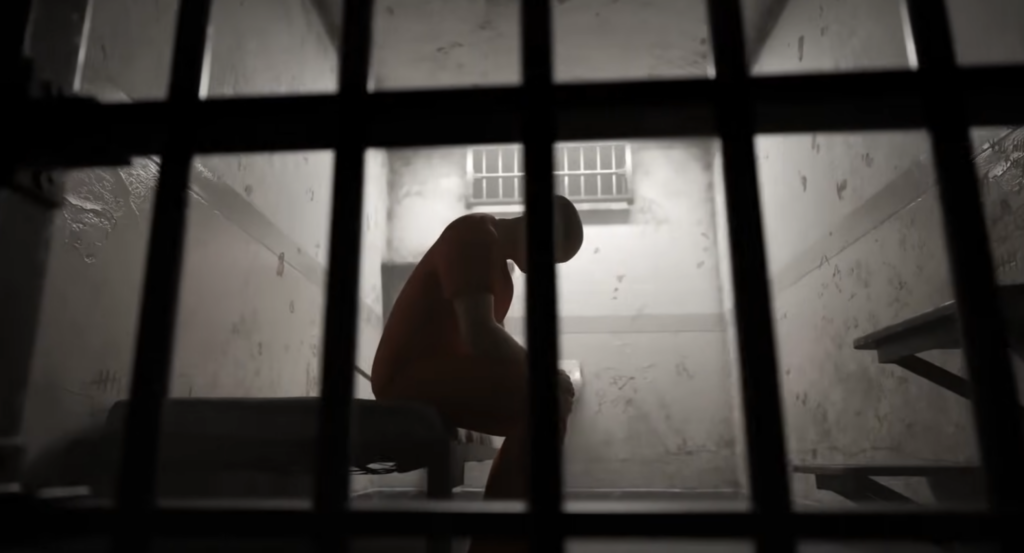
But history and practicality are different things.
A modern Alcatraz would be secure. It would probably remain among the hardest prisons in America to escape from. It would also be expensive, awkward to operate, and dramatically smaller than anything built today.
Which brings the argument back to where it started.
The obstacle was never security. It is whether rebuilding one of the most famous prisons in history makes any sense in a world that already has newer, larger, and cheaper ways to keep dangerous people locked up.