Venus is the second planet from the Sun and our nearest neighbor. At its closest approach, Venus is mere 40 million km (25 million mi) away from us. After just four months in space, you’d finally be able to witness this beautiful but deadly planet up close.
Four and a half billion years ago, Venus and Earth formed in the same corner of our Solar System. This space rock is about the same size as Earth, and its gravity is similar too. But, unlike our home, the surface situation on Venus is extreme.
We know this because we’ve sent probes to this scorching world. Some probes orbited it, some made a flyby. And some even landed on the surface of Venus. But those didn’t last very long. What happened to them? Well, that’s what you’re about to find out.
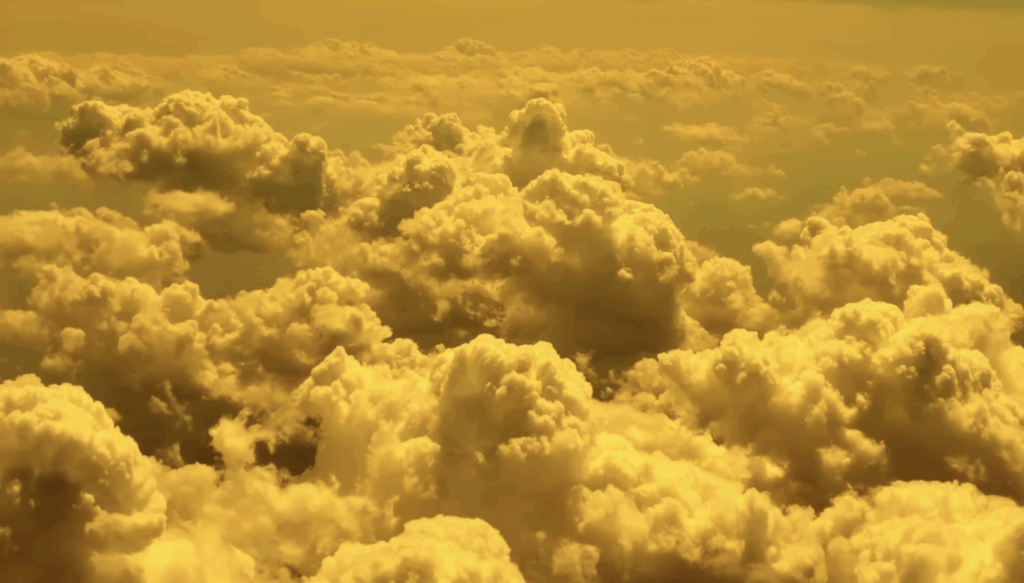
At a height of 50 km (30 mi) above the surface, visibility is poor. You would hardly see anything. The incredibly thick atmosphere would block views of this planet and its tens of thousands of volcanoes. The atmosphere is mostly made up of carbon dioxide. And because it’s so thick, it traps heat on the planet’s surface, keeping it nice and toasty. Just how toasty are we talking? Oh, you are going to find out the hard way.
As you descend another 15 km (10 mi), the haze would begin to clear. The world below would finally reveal itself. A rust-colored surface covered in mountains and volcanoes. Are you seeing this? Looks like this volcano is still active. Yikes.
You could fly around a little to collect some samples and take in the view. Yep, the atmosphere is mostly carbon dioxide with traces of nitrogen. That checks out.
Landing your spacecraft would kick up clouds of dust that would take several minutes to settle down in the soupy atmosphere. As it clears, you would look up into the sky, but you wouldn’t find the familiar yellow circle of the Sun.
On Venus, it always looks like dawn, no matter what time of day it is. That’s because the Venusian atmosphere only lets about 10% of the sunlight that hits it reach the surface.
Finally, you’re about to step out of the spaceship and check out this toxic planet with your own eyes. But wait, what about the space probe that landed on Venus?
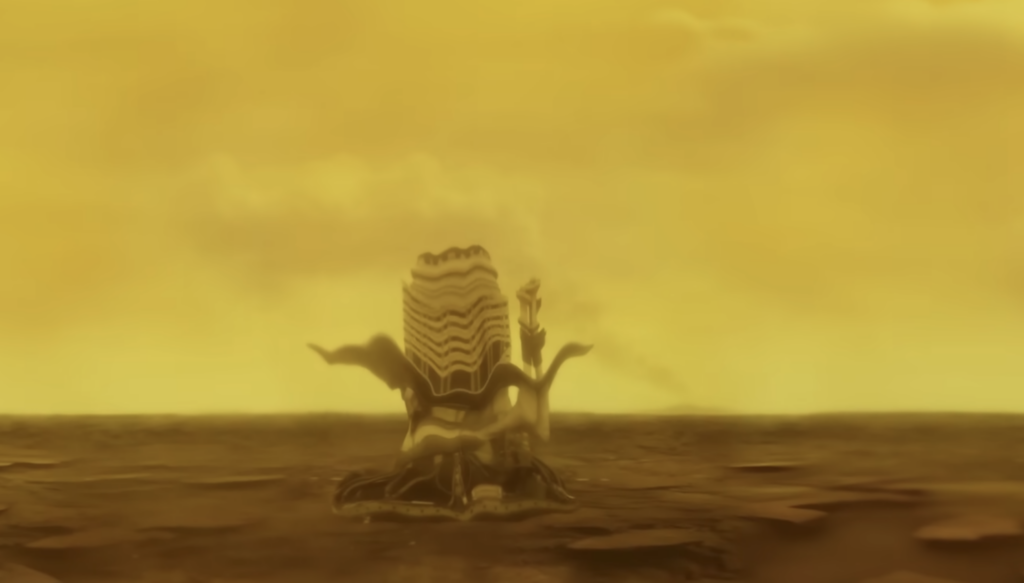
Venera 13. This Soviet probe made its fatal landing back in 1981. It did survive the descent and lasted for whopping 127 minutes. That’s longer than any other spacecraft that had made it to the surface. Then, Venera 13 gave way to the violent, uninviting environment of this hell. It was likely crushed under extreme pressure, or it melted.
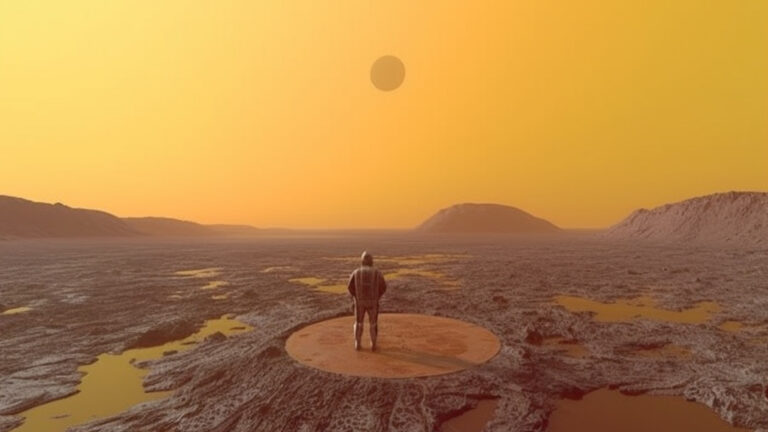
But it’s too late to turn around now. You’ve lived through the one-hour-long landing, and you’re so close! All you need to complete your mission is to spend five seconds out there. Yes, out there… In the most extreme environment, you’ve ever been to.
You would be glad you were wearing so much protective gear. A quick look at your thermometer would tell you that it’s a sweltering 475 °C (900 °F) out here. That’s hot enough to melt lead. Your pressurized suit would be working hard to keep you safe. Without it, you’d be crushed under all that pressure before you could complete your mission.
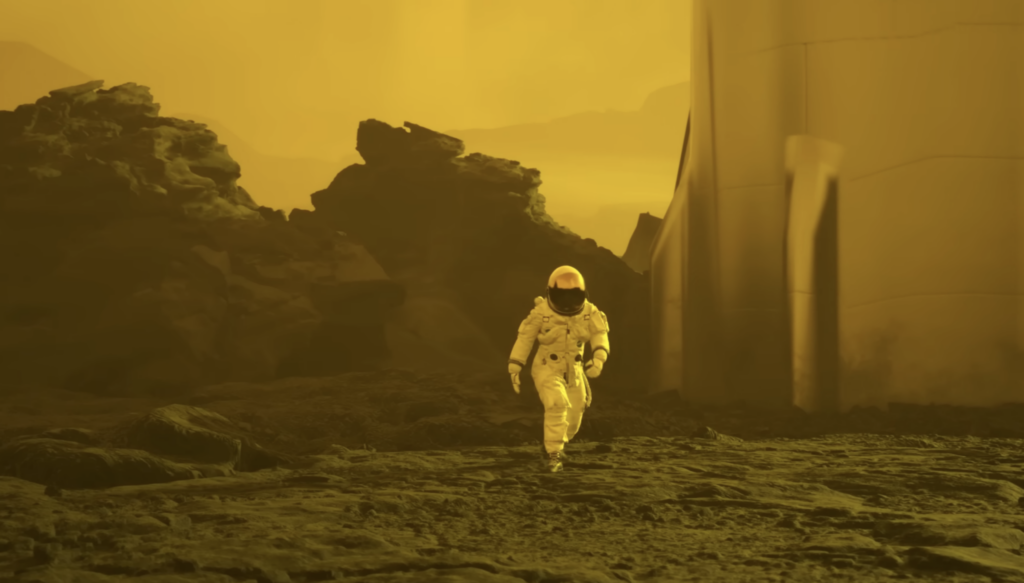
Suddenly, something distracts you from the first-ever firsthand human analysis of Venus’ surface conditions. Your protective suit breaks.
The drastic pressure shift would immediately make you feel like you were deep underwater. With an atmospheric pressure 90 times that of the Earth, Venus would be crushing you from all directions. At the same time, you would be struggling to breathe in an atmosphere without any oxygen.
And the atmosphere you did manage to inhale would scald the inside of your mouth and the top of your throat. Unless you could scramble very quickly back to the safety of your spacecraft, you would be dead within seconds.