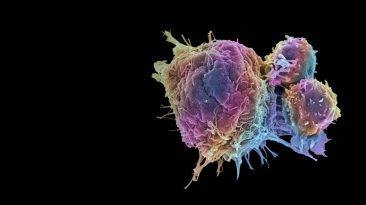
Skip a thousand years of evolution overnight and you would wake up with a life expectancy of around 150 years. Nanobots monitoring your organs, engineered genes with hereditary diseases removed, a brain running faster than it has any right to.
It sounds like winning. And in a sense it is.
The catch is what happens when everyone gets the same upgrade, because a species that optimizes itself the same way ends up looking and behaving like copies of one another.
Human evolution normally moves slowly, but not always. Around 10,000 years ago your ancestors had spread across every continent except Antarctica, farming, herding animals, and settling into villages. Since then, with all the changes to how we live, humans have evolved 100 times faster than at any other point in our history.

In the last 150 years alone we have grown 10 centimeters taller and gained roughly 20 years of average lifespan.
So push that forward another thousand years and compress it into a single day.
The first change might disappoint you. You could wake up smaller, because a crowded planet with scarce resources favors bodies that conserve energy. Call them shrinking pains.
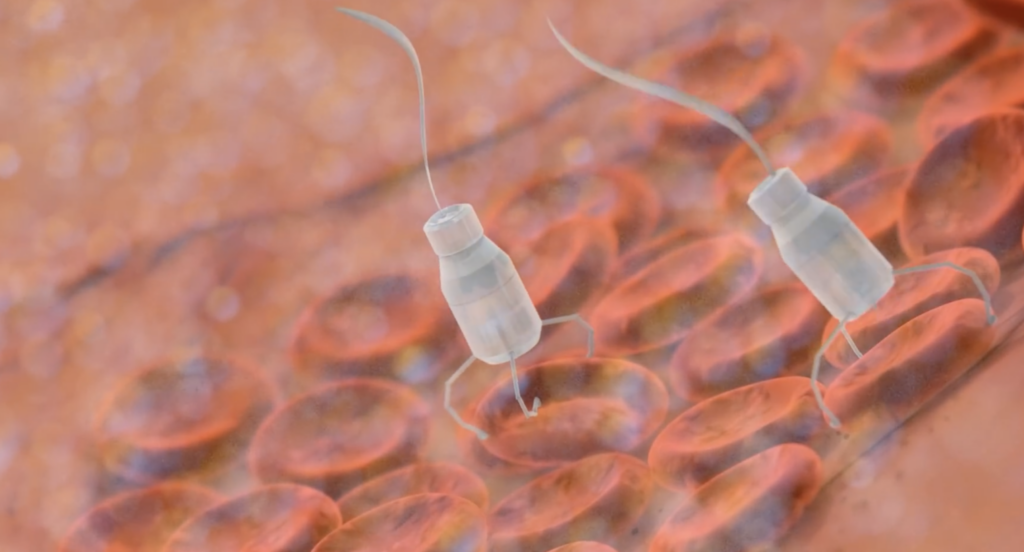
You would feel better than you did the night before, though, thanks to nanobots working inside you. Each one about a hundredth the width of a strand of hair, monitoring every aspect of your health. Diabetic? They would regulate your glucose and insulin automatically.
Then you would notice your mind moving faster than the people around you.
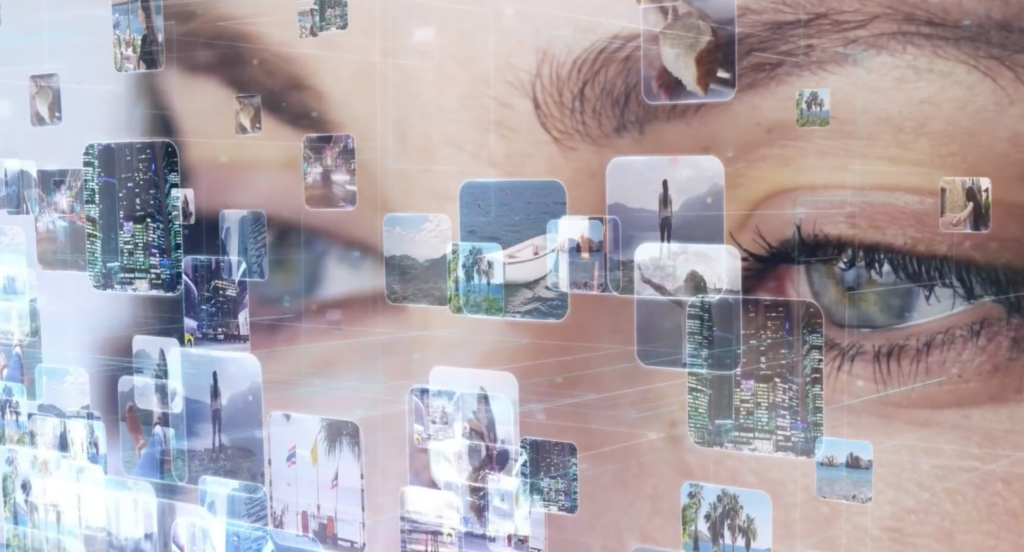
Your brain would be working alongside artificial intelligence as fast as human thought, or faster. Special cameras enhancing your eyes might let you see frequencies outside the visible spectrum. Recognizing faces and names would become instant, your memory operating like a personal social network wired directly into your head.
Language would change too.
Globalization is already shrinking the number of languages spoken worldwide, so you might wake up speaking Mandarin or Cantonese, given that 1.39 billion people speak Chinese today. Or you might understand every language at once, courtesy of translation enhancers built into your brain, able to speak with anyone anywhere without ever studying a word.
Which raises an uncomfortable question. What happens if those enhancers fail?
Take an intelligence test without them and you might score lower than you would have before any of this started. Your brain would have evolved to depend on the AI supporting it, and stripped of that assistance, ordinary tasks at work would suddenly feel complex and difficult.
The biggest change is the one you would not notice immediately.
That extended lifespan of roughly 150 years comes partly from the nanobots and partly from genetic modification, with conditions like cystic fibrosis and Huntington’s disease edited out before birth.
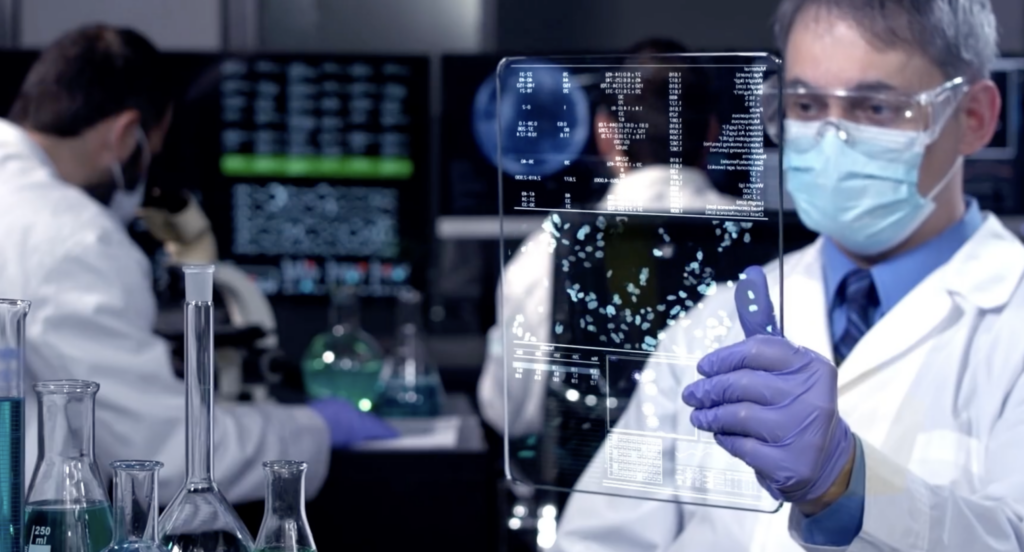
Experienced overnight, all of it would feel extraordinary and unique to you.
Spread across humanity over a thousand years, it stops being unique at all. Everyone gets the same enhancements, the same corrections, the same optimized body and mind, until we all start to look and act identically.
Near immortal, and nearly indistinguishable from each other.