Saving the Great Barrier Reef would cost an estimated $60 million.
Put that number next to $100 billion and something strange happens. Rescue the largest living structure on the planet, and you have spent less than one tenth of one percent of your money. You would still be holding $99.9 billion.
That is the part nobody tells you about fortunes this size. It is not that you could buy anything. It is that the price of fixing enormous problems turns out to be shockingly small next to the pile.
First, some context on the world you would be spending it in.
In 1850, 94 percent of the global population lived in extreme poverty. Today that figure sits at roughly 10 percent, and if the trend holds, poverty could be eradicated by 2030.
The planet really is getting richer. In 2018 it produced its first billion dollar man, and the scale of that kind of money is hard for most people to hold in their heads.
But you have dreamed about it. Everyone has. The question is what you would actually do.
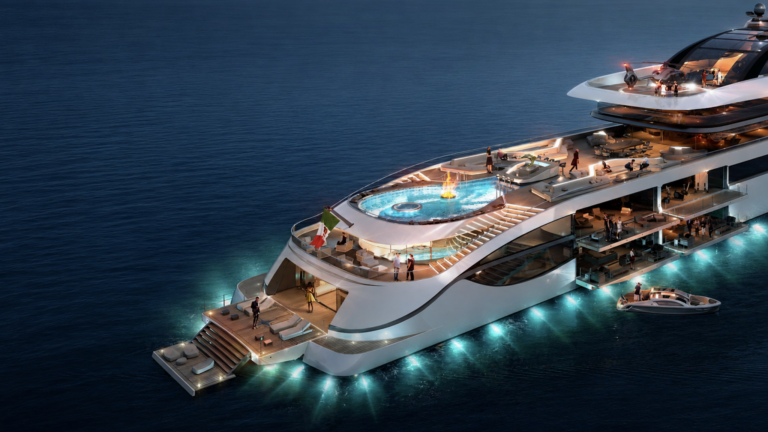
The Crown jewels? A private plane? A house you could get lost in? Or would you try to make the world better, and could you even live long enough to spend it all?
Wealthy people tend to be judged by that choice. Some spend more on a single car than a university education costs. Others go the opposite direction, like the 175 people in The Giving Pledge who have committed to donating most of their fortunes, collectively promising more than $365 billion.
To understand the choice, you first need to feel the number. So here is what $100 billion actually buys.
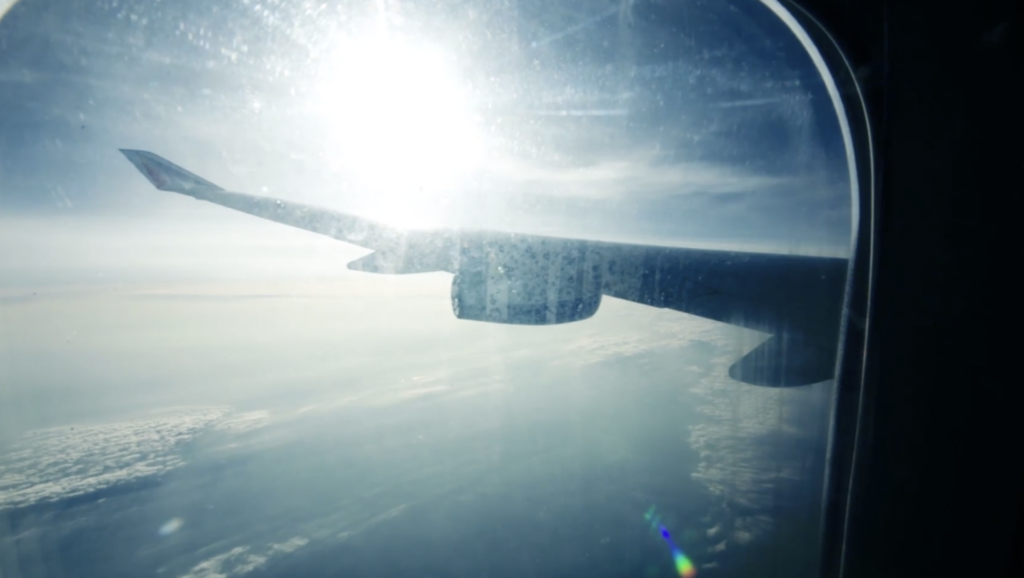
Start with that dream vacation, except you no longer need airlines. For $100 billion you could purchase around 250 Boeing 747s and simply found your own.
Feeling more ambitious? Buy a country. With a GDP of $90 billion, Costa Rica is essentially within range.
Or turn the world into a board game. Two small naval fleets, each with its own aircraft carrier, run about $50 billion, giving you a real life version of Battleship with half your money left for fuel, ammunition, and crew.
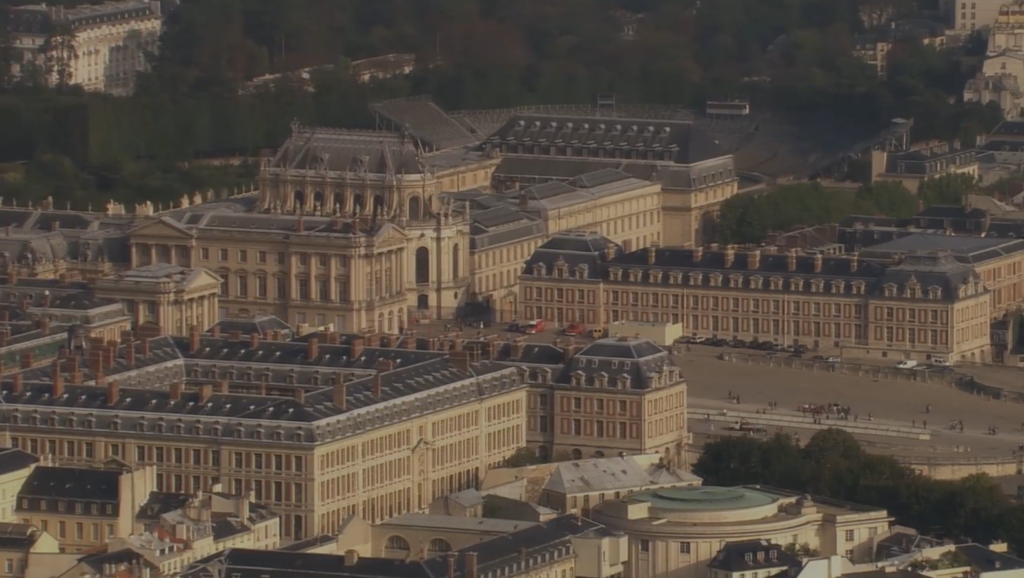
That same half could instead buy the Palace of Versailles, the largest royal domain on Earth, with 700 rooms, 600 paintings, 400 sculptures, and 1,400 fountains.
And you would still have room for the White House at an estimated $400 million, Buckingham Palace at $5 billion, the Winter Palace in St. Petersburg at $6.44 billion, and Tokyo’s Imperial Palace at $12.25 billion. Or skip the real estate and take the Louvre with everything inside it for a comparatively modest $45 billion.
Prefer sports? At roughly $1 billion per American football franchise, you could own every team in the NFL and still have enough left to buy the entire MLB, the NHL, and the English Premier League.
Fun. Now here is the other column.
That same $100 billion could put roughly 757,000 students through four years of American college. It could triple America’s proposed 2019 foreign assistance budget, tripling the food, medicine, and security reaching more than 100 countries.

And it could save the Great Barrier Reef roughly 1,600 times over.
You do not even have to choose one cause. Top economists have argued that $3 billion invested annually could cut malnutrition in the developing world by 36 percent, saving over 100 million children from starvation every year. Add another $2 billion a year into agricultural research and development and you strengthen global food security while protecting biodiversity and slowing deforestation. Both of those combined cost $5 billion a year.
You have twenty years of funding sitting in the account, and these programs only grow more cost effective the longer they run. It sounds cynical to say money makes the world go round. But the numbers above suggest something less cynical: the world’s biggest problems have price tags, and those price tags are often smaller than a stadium full of yachts.
Directed well, money lifts people out of poverty and drives growth, education, and innovation. As long as enough people keep giving back, the rest of us benefit from choices we never had to make. So what about you? What would you do with $100 billion?