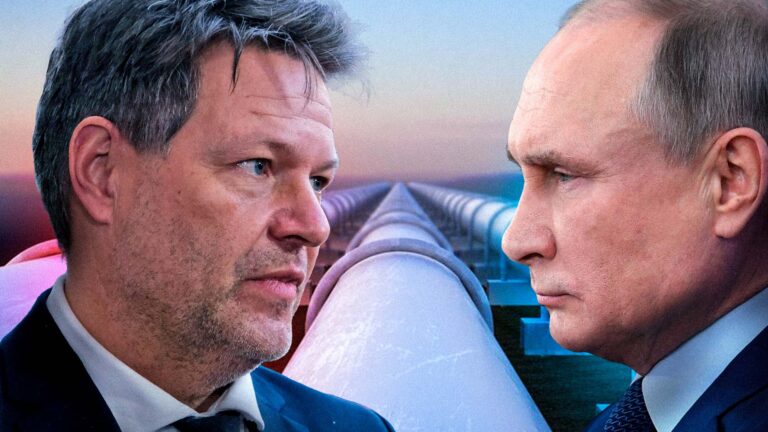
Turn off one pipeline in Europe and the effects don’t stop at cold houses.
They run through fertilizer production, then through food supply, then through global grain prices, and eventually reach people who have never thought about European gas in their lives.
That’s the part of this crisis most people miss, and it’s where the real danger sits. Around 25 percent of Europe’s primary energy comes from gas.
Take Germany. Heating homes accounts for a substantial share, but the biggest consumer of oil and natural gas is industry, which burned through almost 800,000 terajoules in 2020. Chemical producers lead the list, followed by glass and ceramics, metal processing, food, and paper.
Here’s what gets overlooked though. Industry doesn’t only burn gas for heat. Gas is a raw material.
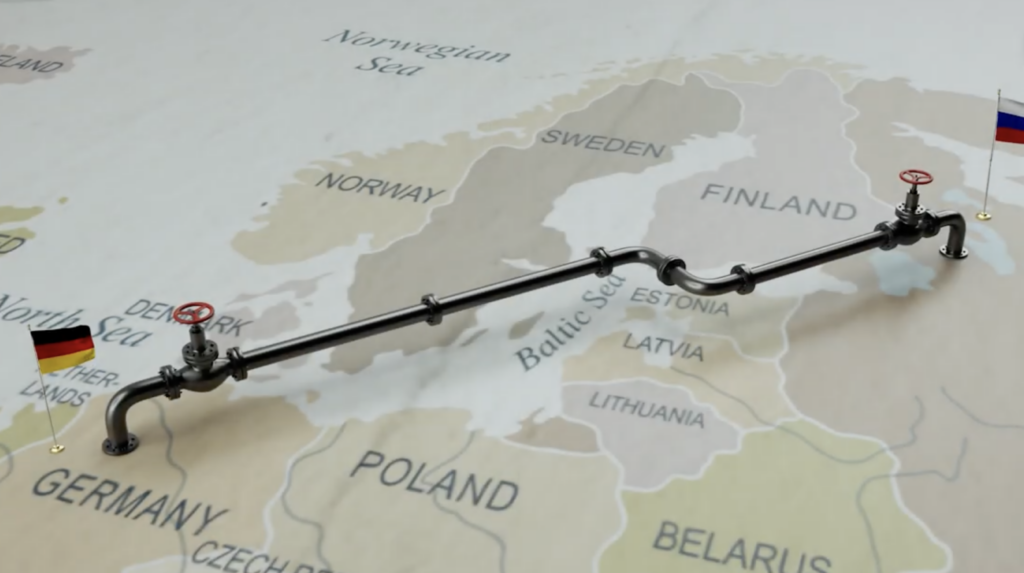
No natural gas means no fertilizer. Russia and Belarus rank among the largest fertilizer producers in the world, and Germany sources more than half of both its fertilizer and its gas from Russia.
Germany also happens to be the third largest agricultural exporter on the planet. Cut the fertilizer supply and it cannot produce as much food, for itself or for anyone buying from it. Now add the Russian blockade of Ukrainian grain exports and a worldwide fertilizer shortage on top, and the shape of the strategy becomes visible.
Prices rise everywhere, not just in Europe. Poverty deepens. Inflation could reach 7 percent globally.
And large numbers of refugees are already moving toward Europe, which is precisely the outcome this pressure produces. Push food prices high enough and migration follows. So the obvious question is whether Europe itself survives the winter.

Nobody is going to freeze, as it happens.
Private households and essential institutions like hospitals, schools, and heating plants are classified as protected customers across Europe, which legally guarantees their gas supply. Industrial customers get no such protection.
There’s also a contingency arrangement. If Russia closes the pipes, a Europe wide solidarity mechanism activates, and countries facing shortages get supplied by those that aren’t. The remaining non Russian gas, roughly 50 percent of supply, gets distributed evenly. European storage tanks are also close to completely full, which covers this winter comfortably.
Next winter is the actual problem. Without replacement imports, those storage facilities empty out and cannot be fully refilled over the summer. The crisis everyone is bracing for is a year further out than the headlines suggest.
Germany has modeled what happens if Nord Stream stops delivering entirely, and only two scenarios avoided a shortage.
Both require cutting consumption by 20 percent. On top of that, if imports cannot be increased by 15 GW, exports have to fall by 35 percent, since Germany exports gas as well as importing it.
Miss those targets and the following winter turns genuinely severe. If supply deteriorates further, the emergency stage of the European contingency plan for gas kicks in, bringing supply reductions with it.
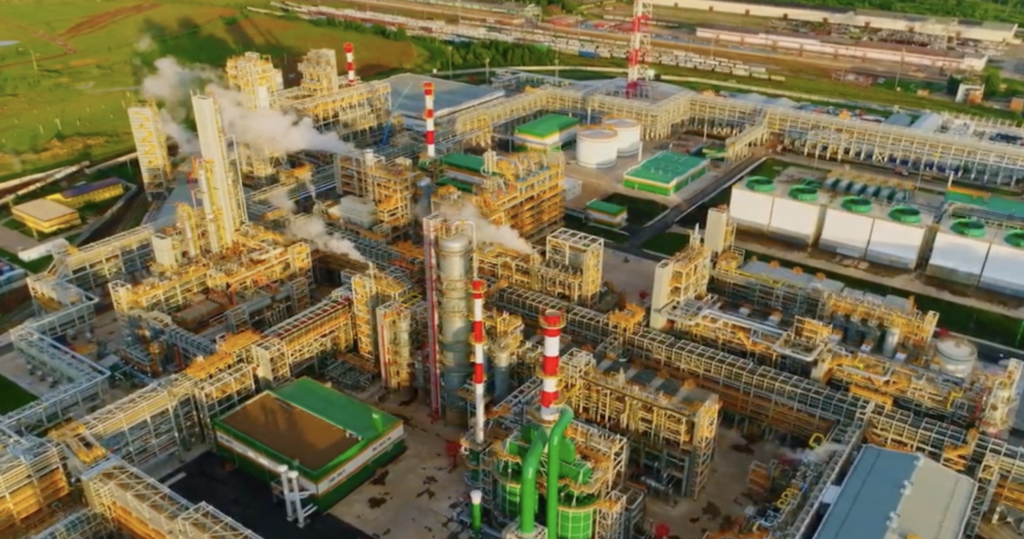
Companies take the first hit, though the Federal Network Agency could ultimately ration household supply too. Entire industrial sectors could shut down, jobs would disappear, and whole value chains would collapse. Which raises the practical question of where the missing gas actually comes from. Iran? Saudi Arabia? Venezuela? Qatar?
Individuals can help at the margins by turning the heating down and using less hot water. EU member states have already cut consumption by 15 percent compared with equivalent periods between 2016 and 2021.
It isn’t enough on its own. So why not switch energy sources altogether? Hydrogen is the most abundant element in the universe, after all.
Unfortunately most industrial plants aren’t built to run on it. And there’s a more awkward problem, which is that most hydrogen currently gets produced from another substance entirely. That substance is natural gas.
The realistic conclusion is uncomfortable but not catastrophic. Europe is in for a period of belt tightening, and gas will keep flowing.
Europe only truly runs out when the world does.