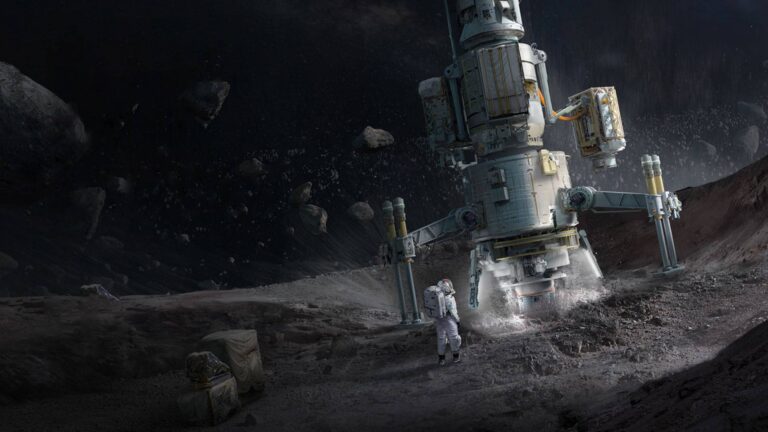
Hidden among the millions of rocks orbiting our Sun are resources worth unimaginable amounts of money. Some estimates suggest that the minerals locked inside asteroids could be worth trillions of dollars. The technology isn’t quite ready yet, but humanity may be closer than ever to turning science fiction into reality.
What would happen if asteroid mining became a real industry? Would it solve Earth’s growing resource shortages? Could it completely transform space exploration? And why are so many companies and space agencies racing to make it happen?
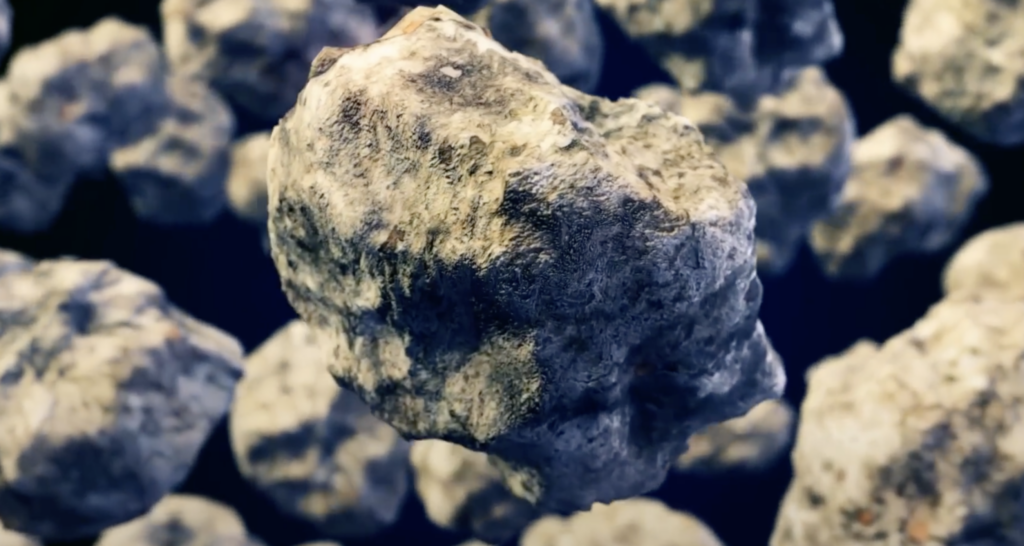
Nearly 800,000 known asteroids travel through our Solar System, with most located in the asteroid belt between Mars and Jupiter. But the biggest opportunities may be much closer. More than 16,000 near Earth asteroids contain valuable materials, including water, iron, nickel, platinum, gold and other rare metals that are becoming increasingly difficult to extract on Earth.
Bringing huge amounts of gold or platinum back home might sound profitable, but flooding Earth’s markets could cause prices to collapse. Instead, the greatest value of asteroid mining may come from using those resources in space, where every kilogram launched from Earth costs a fortune.
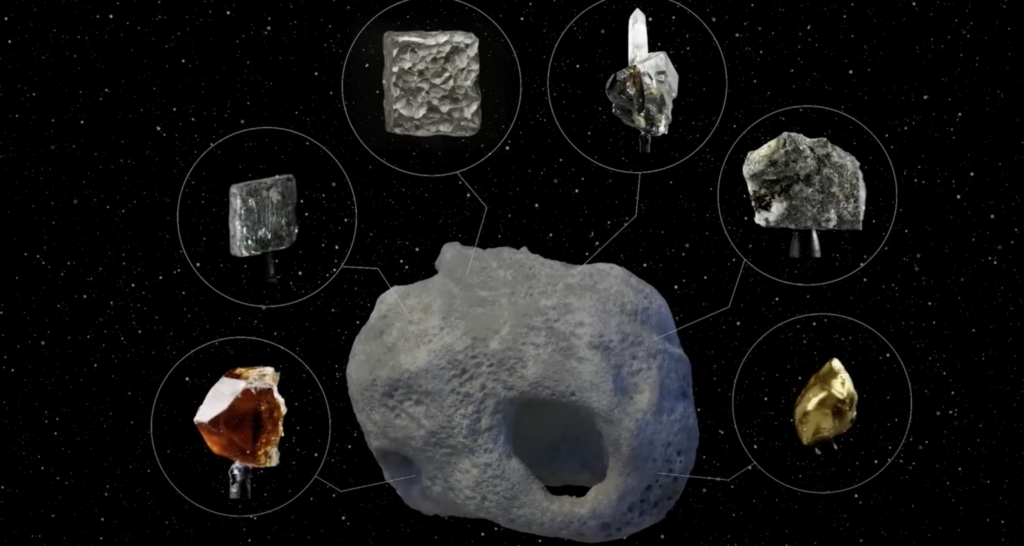
If spacecraft could gather water and construction materials directly from asteroids, future missions would become much cheaper. Permanent bases on the Moon and Mars would be easier to build, and missions to places like Europa or even distant star systems would suddenly become far more practical.
Ironically, asteroids may have helped create life on Earth in the first place. Scientists believe that billions of years ago, water rich asteroids bombarded the young planet, delivering both water and organic molecules that helped shape the conditions needed for life.
Now those same space rocks could support humanity’s expansion beyond Earth.
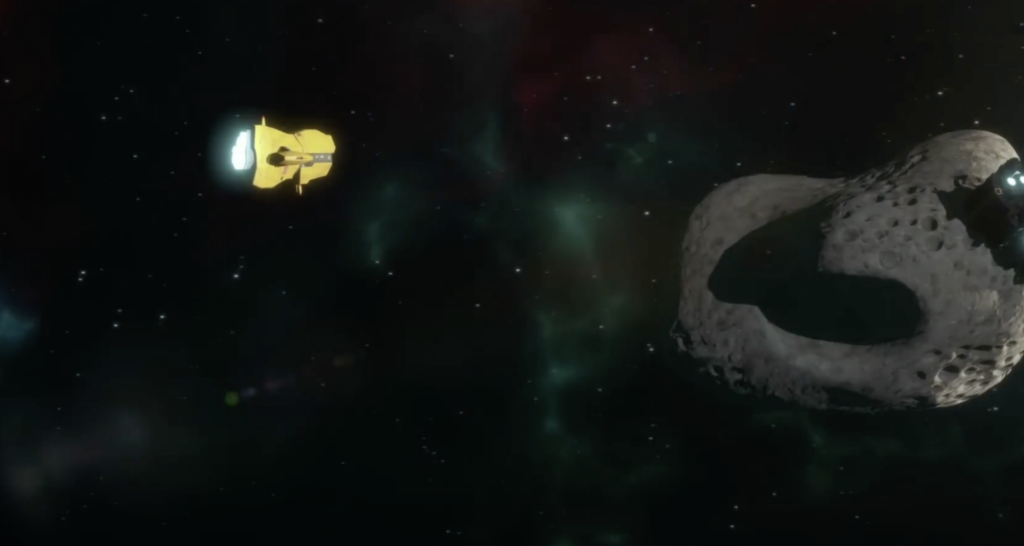
Escaping Earth’s gravity requires enormous amounts of fuel. Reaching the first few hundred kilometers above the planet demands more energy than traveling hundreds of millions of kilometers afterward. That is why launching supplies from Earth is so expensive.
Mining water from asteroids could change everything. Water would provide drinking supplies, help grow food, create breathable oxygen and even become rocket fuel after being split into hydrogen and oxygen. Asteroids could become fueling stations scattered across the Solar System.
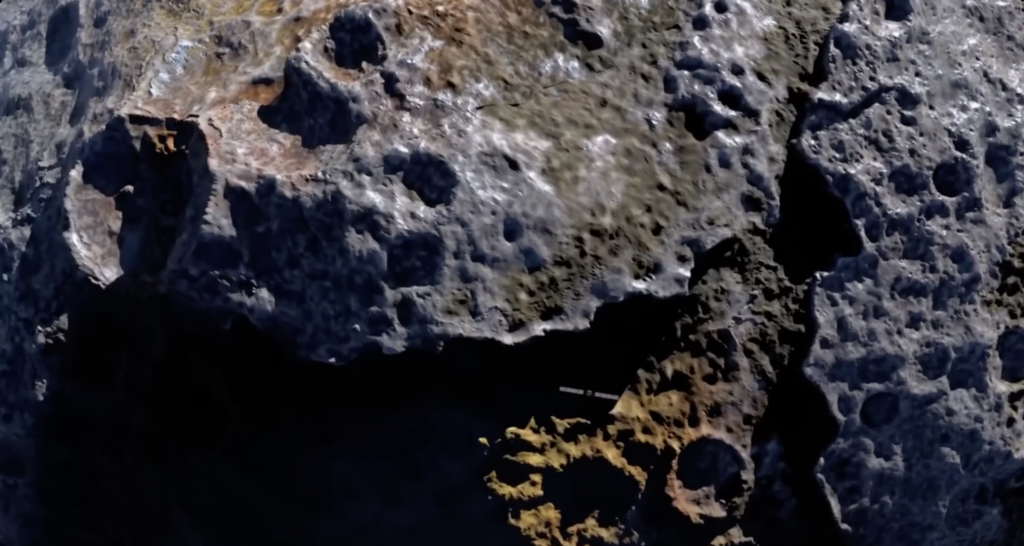
Metals like iron and nickel could be used to build spacecraft, habitats and giant space stations without launching construction materials from Earth. Rare metals such as platinum and gold would also be valuable for advanced electronics, scientific instruments and future technologies.
The biggest challenge is no longer whether asteroids contain these resources. It is figuring out how to reach them, extract them efficiently and transport them where they are needed. Once those engineering problems are solved, another question remains. Who will control these trillion dollar mines? The first nations or companies to succeed could reshape not only the global economy, but the future of humanity’s expansion into space.