For decades, the relationship between the United States and North Korea has been filled with threats, military tensions, and moments of uncertainty. But what would happen if that rivalry escalated into a nuclear conflict?
With modern weapons becoming more powerful than ever before, a nuclear attack today could create destruction on a scale the world has never experienced.
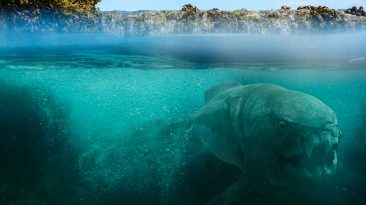
Traditional nuclear attack scenarios usually involve missiles or bombs striking land targets. But what if a nuclear weapon was designed to do something even more terrifying: create a massive artificial tsunami?
Could North Korea trigger a nuclear wave against the United States? Where would such an attack happen? How much warning would people have? And would the radioactive aftermath be even worse than the flooding itself?
This is what could happen if North Korea attempted to launch a nuclear tsunami attack against the United States.
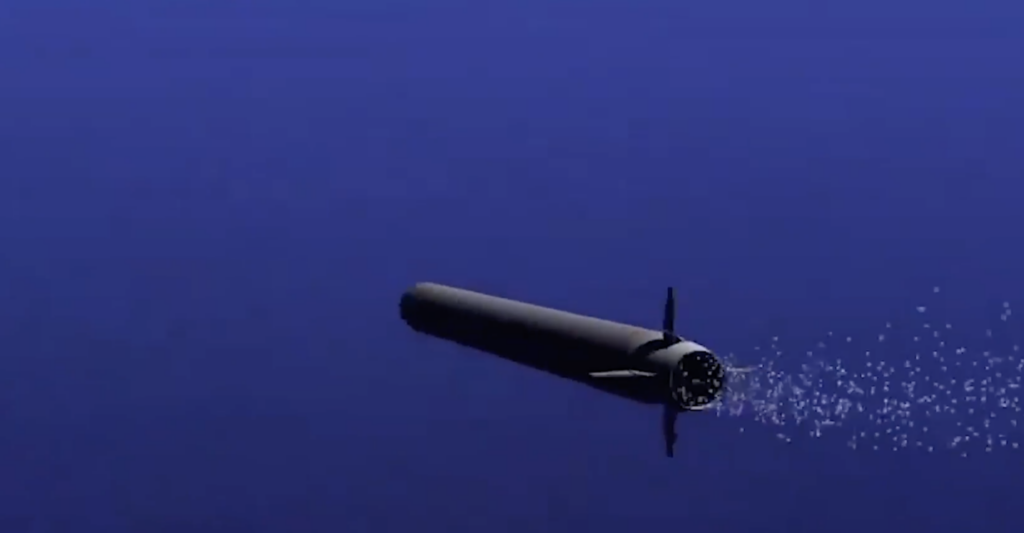
The idea of using nuclear weapons to create ocean waves has been explored before. In 2018, Russia revealed a weapon concept known as the Poseidon, an autonomous underwater vehicle designed to carry a powerful nuclear warhead. The weapon was promoted as a way to create devastating underwater explosions capable of producing enormous waves.
Long before that, other countries experimented with the idea of using explosions to manipulate the ocean. During World War II, New Zealand conducted Project Seal, an attempt to create artificial waves using explosives. The tests produced waves reaching around 10 meters, showing that underwater blasts could influence coastal environments.
But could a nuclear weapon actually create a tsunami large enough to destroy a country?
The answer depends on several factors, including the size of the explosion, where it occurs, and how much water is displaced.
If North Korea ever attempted such an attack, it would likely not resemble the nuclear bombings of Hiroshima and Nagasaki. Instead of dropping a bomb from an aircraft, a modern attack could potentially involve missiles or underwater systems designed to approach targets more secretly.
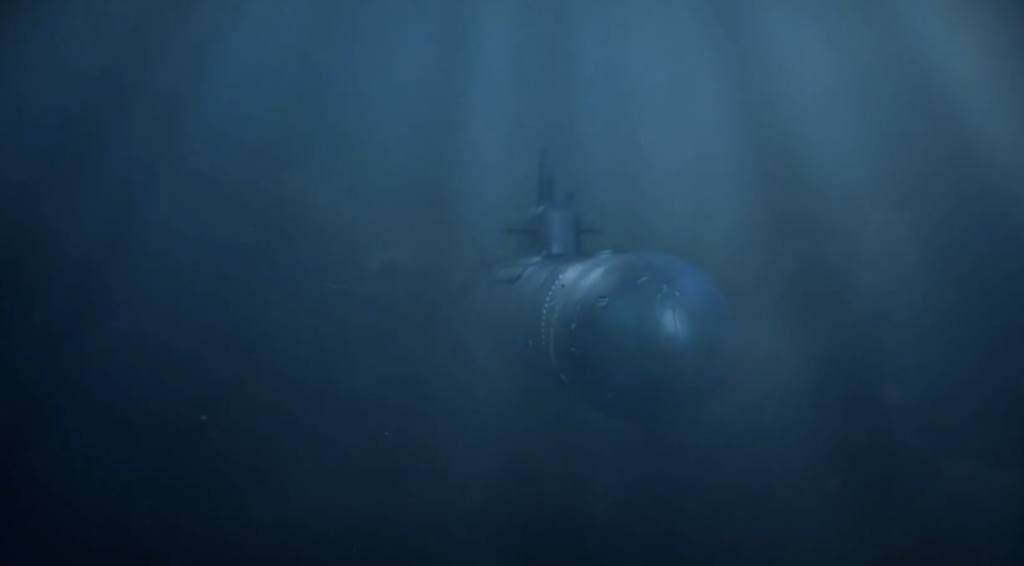
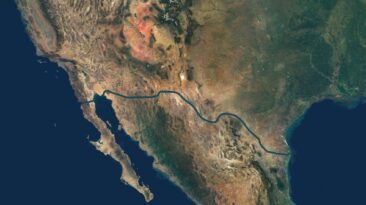
The Pacific Ocean would likely be a major area of concern because of its proximity to the western coastline of the United States.
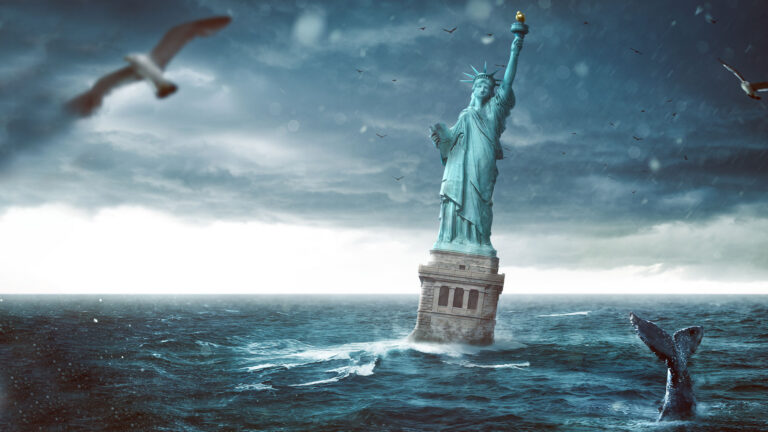
A possible target area could be near heavily populated coastal regions such as California. A series of underwater nuclear detonations could generate powerful waves moving toward cities like Los Angeles or San Francisco.
However, creating a massive tsunami with a nuclear explosion is not as simple as detonating a bomb in the ocean. The size of the wave would depend on how much water is moved by the blast.
An explosion in deep water could send waves traveling hundreds of miles per hour across the ocean. In some scenarios, people near the coastline might only have minutes to react before the first waves arrived.
If a warning was issued early enough, some residents could evacuate. But in a surprise attack, many people would have little time to escape.
A tsunami is not a single wave. It is a series of waves that can continue striking the coastline for hours. Each wave can carry enormous amounts of energy, destroying buildings, vehicles, roads, and infrastructure.
The damage would not end when the water disappeared.
A normal tsunami already creates major health risks by contaminating drinking water, spreading sewage, and damaging farmland. A nuclear tsunami would add another danger: radioactive contamination.
Ocean sediments could become contaminated, and polluted water could spread radioactive materials across large areas. The effects could reach ecosystems, wildlife, and the food chain.
Coastal cities are already vulnerable to powerful tsunamis. The 2011 Fukushima disaster in Japan showed how a massive wave combined with a nuclear accident could create a long lasting crisis.
Scientists have studied how a tsunami similar to the one that struck Japan could affect parts of the United States. Simulations have shown that areas around Southern California could experience serious flooding from large waves, potentially forcing hundreds of thousands of people to evacuate.
The financial damage from such an event could reach billions of dollars, but the greatest cost would be human lives.
However, despite how frightening this scenario sounds, many experts believe a nuclear tsunami would not be the most effective use of a nuclear weapon. Much of the explosive energy would be absorbed by the ocean, reducing the direct destructive power compared with an explosion over land.
A nuclear weapon used against cities or military targets would likely cause far greater immediate destruction.
Still, the idea of a nuclear tsunami reveals how dangerous modern warfare has become. Weapons are no longer limited to destroying single locations. They can threaten entire regions and create disasters that continue long after the initial attack.
A nuclear tsunami remains a hypothetical scenario, but it shows the terrifying possibilities that exist when advanced technology and global tensions collide.