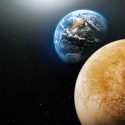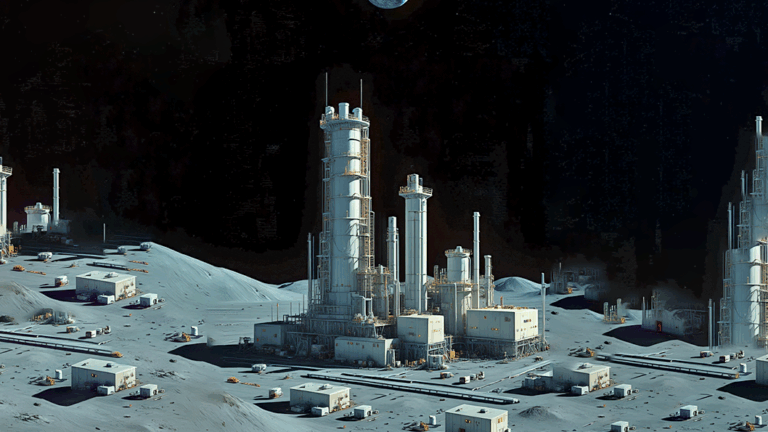
Imagine looking up at the moon and seeing space dust floating around it. Maybe broken-off parts of the moon are raining down on Earth. You’d wonder what happened; the moon was fine just last night. Then you hear on the news: the United States’ nuclear reactor on the moon exploded.
Fortunately, the US doesn’t have a nuclear reactor on the moon just yet, but it plans to do so soon.
In May 2025, the Trump administration announced severe budget cuts in NASA funding. Around the same time, China and Russia signed an agreement to collaborate on building a moon base by 2036. Now, NASA is being pushed to accelerate plans for a nuclear reactor on the moon’s surface to power a base near favourable locations.
However, the legal aspects may be a bit more complicated. The current Space Treaties declare that space and any celestial body, such as the moon, cannot be owned by anyone in any capacity.
But building bases is not forbidden, as long as they are used for peaceful intentions and information is shared with others who would build on the moon, it’s allowed.
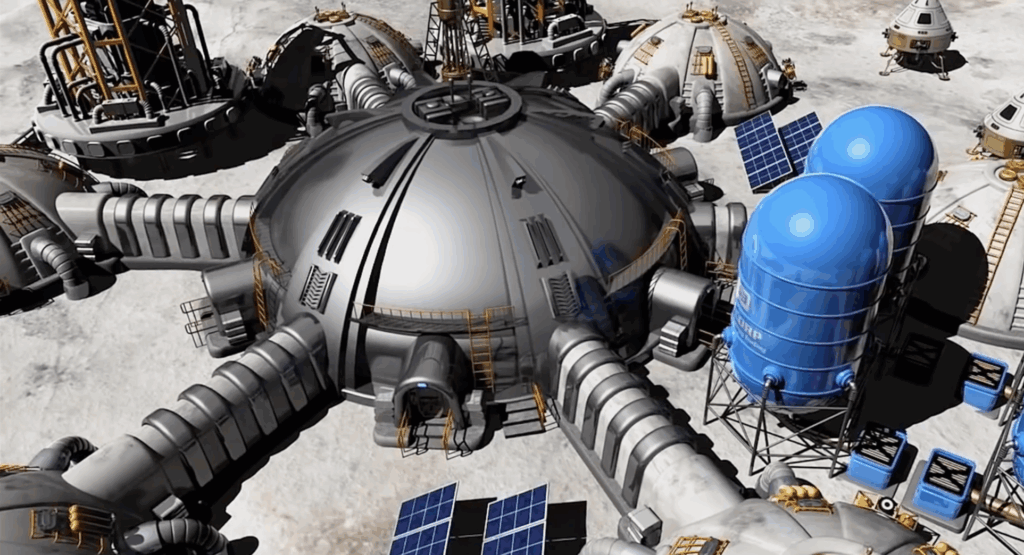
Ultimately, there is nothing against building a nuclear reactor on the moon; in fact, some of the existing treaties even acknowledge it as the only option to maintain power since solar energy would not be enough.
Getting a nuclear reactor into space is a bit complicated; you actually need a license to do it.
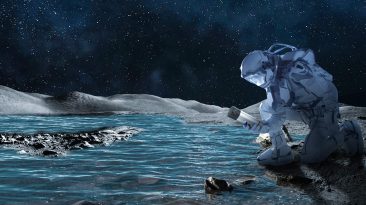
The reactor’s main assembly would take place on the moon, and the base would be built around it. With technology advancing every day and making nuclear technology safer, the chances of an actual explosion are minimal.
But let’s say that the reactor exploded.
The average reactor in the United States powers about 700,000 homes. This one producing just 100 kilowatts, could power roughly 80 homes. The base around the reactor would likely be decimated, with a crater left behind. From Earth, all we’d see is a big flash of light; since the moon doesn’t have much of an atmosphere, the characteristic mushroom cloud wouldn’t appear.
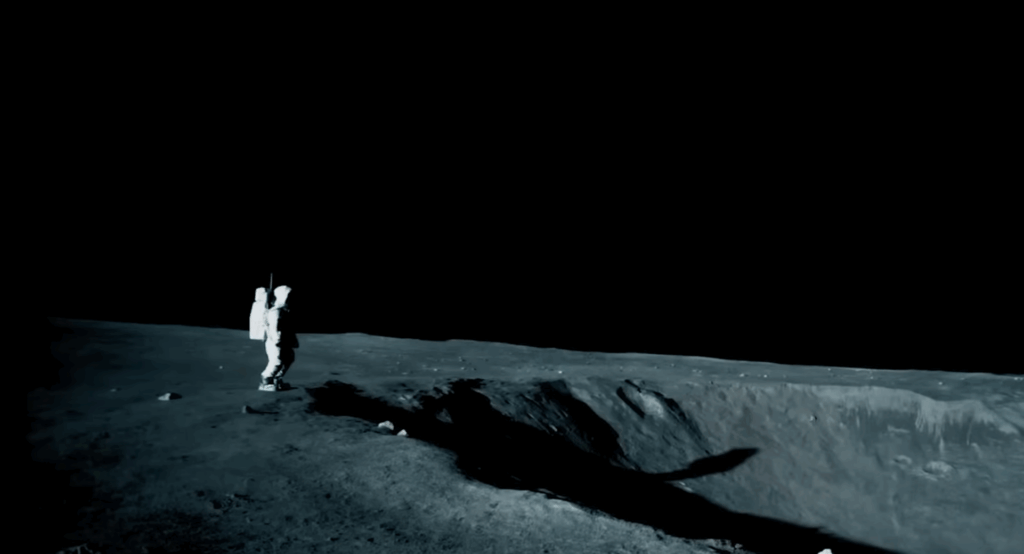
As the radiation hits Earth’s magnetic field, we could see some interesting aurora borealis (or northern lights) in places where they usually aren’t. Anyone in space would get a dose of the fallout radiation in addition to the typical radiation levels already present in space.
Because of the reactor’s small size, the moon wouldn’t do anything drastic, like split apart or get knocked out of orbit. And for the moon to split, we’d have to have the reactors explode under its surface.