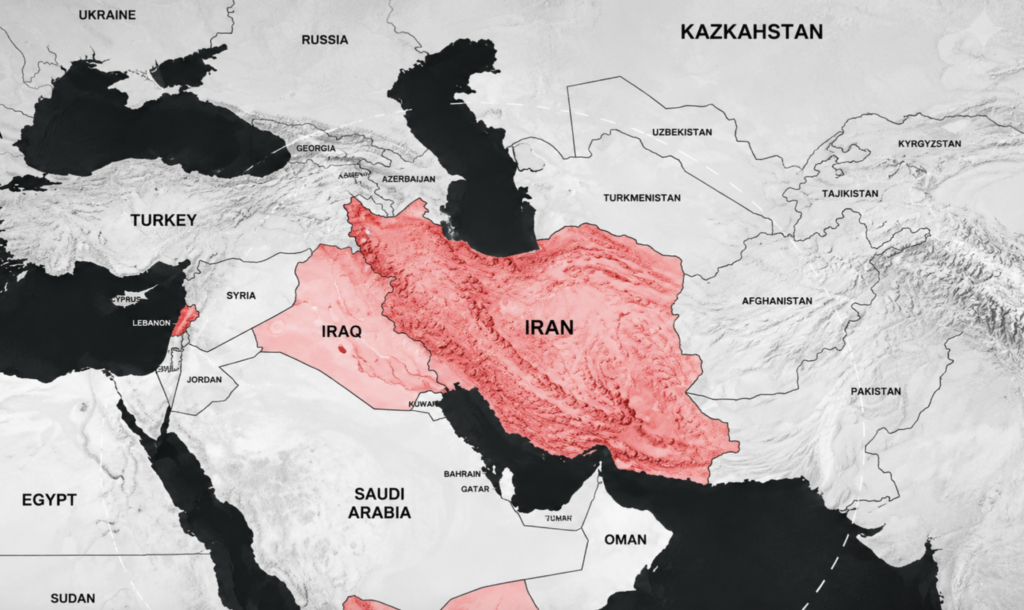
The world often looks to powerful nations to stop conflicts, negotiate peace, and restore stability. But when it comes to a major war involving Iran, China’s role may not be as simple as becoming the country that finally ends the fighting. While Beijing may want influence in the Middle East, completely ending a conflict could work against its own strategic interests.
If a war between Iran and its opponents expands, the outcome would not only depend on military victories. The biggest battle could happen after the fighting stops: who controls the rebuilding process, the economic recovery, and the future political balance of the region.
While Washington may focus on military objectives and limiting Iran’s capabilities, China has a different approach. Beijing’s power comes less from direct military intervention and more from trade, investment, energy agreements, and diplomatic influence. Instead of trying to win a war on the battlefield, China benefits from becoming the country that everyone needs when the war is over.
A major part of China’s global strategy is reducing dependence on the U.S. dominated financial system. The expansion of BRICS, which began with Brazil, Russia, India, China, and South Africa, has brought in additional countries including Iran, Saudi Arabia, and the United Arab Emirates. These nations hold enormous energy reserves and represent some of the fastest growing markets in the world.
For China, stronger economic connections with these countries create an opportunity to increase the use of currencies other than the U.S. dollar in international trade. A prolonged conflict in the Middle East could accelerate that shift by creating more demand for alternative financial partnerships.

Imagine a war that lasts for months and costs governments billions of dollars. Military operations become increasingly expensive, infrastructure suffers, and regional economies weaken. At some point, the focus shifts from defeating an enemy to rebuilding what was destroyed.
This is where China could gain influence. Instead of sending large numbers of troops or launching military operations, Beijing could offer investment, construction projects, energy partnerships, and diplomatic support. Roads, power plants, ports, and industries could become tools of influence.
However, China would face a difficult choice. Ending a war completely would require cooperation from many sides, and regional conflicts are rarely controlled by a single outside power. Iran has its own interests, neighboring countries have their own security concerns, and global powers would compete for influence.

China may prefer a stable region rather than a permanent war, but stability does not necessarily mean creating a quick peace agreement. A controlled level of tension can sometimes provide leverage, especially when countries depend on Beijing for economic relationships and diplomatic support.
The future of the Iran conflict would likely not be decided only by weapons. It would also be shaped by money, energy, trade, and global alliances. China’s influence may continue growing, but becoming the nation that truly ends the war would require navigating a complicated web of interests.
In international politics, the country that controls the recovery after a crisis can sometimes gain as much power as the country that wins the battle. For China, the goal may not be to end every conflict, but to position itself as the essential power when the world searches for solutions.