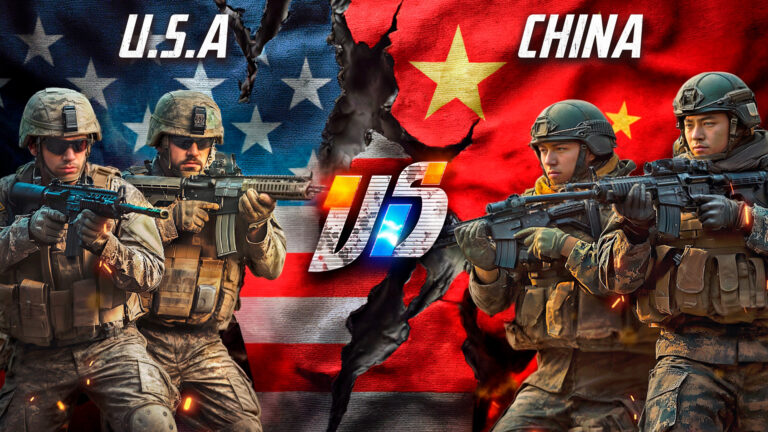
What would happen if the United States and China went to war? It is one of the most discussed military scenarios in the world. On one side, the United States remains the most technologically advanced military power, with unmatched global reach, powerful naval forces, and advanced air capabilities. On the other side, China is a rising superpower with the world’s largest active military and rapidly expanding military technology.
But this would not be a simple battle between two armies. A direct conflict between the United States and China would involve advanced weapons, cyber warfare, space technology, economic pressure, and a struggle for control of critical regions. The biggest question would not be who wins. It would be why no one would ever actually win at all.
Both nations have powerful advantages, but a war between them would create consequences so severe that even the strongest military victory would come at an enormous cost.
China has more than two million active duty military personnel, supported by large reserve forces and paramilitary units. The United States has fewer active troops but maintains one of the most experienced and technologically advanced militaries in the world.
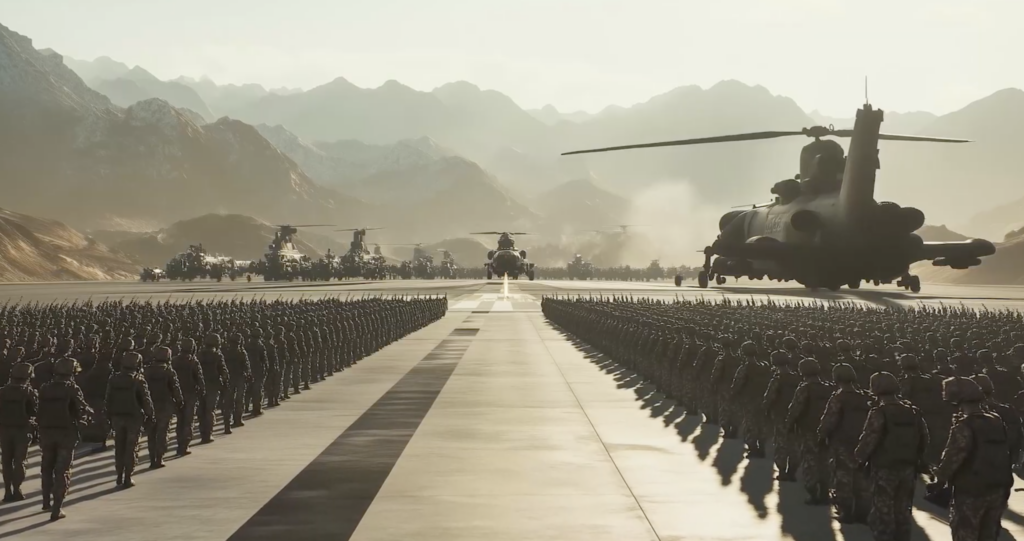
In the air, the United States holds a major advantage with thousands of advanced aircraft, including stealth fighters, long range bombers, and powerful surveillance systems. China has rapidly expanded its air force with modern aircraft such as the J 20 stealth fighter, creating a much more competitive challenge than in previous decades.
At sea, China has the world’s largest navy by number of ships, but the United States maintains a major advantage in aircraft carriers, submarine technology, and global naval operations. America’s 11 nuclear powered aircraft carriers allow it to project military power across oceans, while China focuses heavily on defending nearby waters.
The United States also spends significantly more on defense, allowing it to invest in advanced technologies such as artificial intelligence, satellites, unmanned systems, and next generation weapons.
If a conflict began, the United States would likely rely on long range strikes, stealth aircraft, drones, and naval forces to target important military locations while avoiding a large ground invasion. Its strategy would focus on controlling the skies and oceans while disrupting China’s military operations.
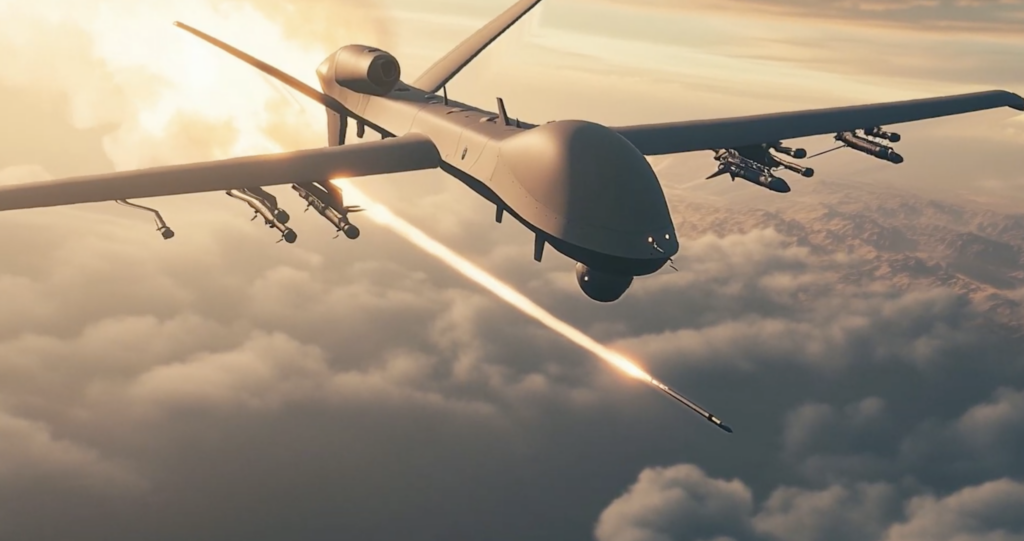
China would likely focus on defending its nearby territory using missile systems, cyber attacks, and defensive strategies designed to limit America’s ability to operate close to its coastline.
Weapons such as the DF 21D and DF 26 missiles are designed to threaten large naval ships and make it more difficult for foreign forces to approach China’s waters. Instead of trying to match the United States everywhere, China would concentrate its strength in regions close to home.
Cyber warfare would also become a major battlefield. Both countries have advanced cyber capabilities that could target communication networks, financial systems, military databases, and critical infrastructure. A conflict could begin digitally before any physical attack occurs.
Space would become another important area of competition. Modern militaries depend heavily on satellites for navigation, communication, and intelligence. Disabling these systems could dramatically reduce the effectiveness of military operations on both sides.
A direct invasion of either country would be extremely difficult. China has a massive population, a large industrial base, and defensive advantages from its geography. Meanwhile, the United States is protected by two enormous oceans and has a network of allies around the world.
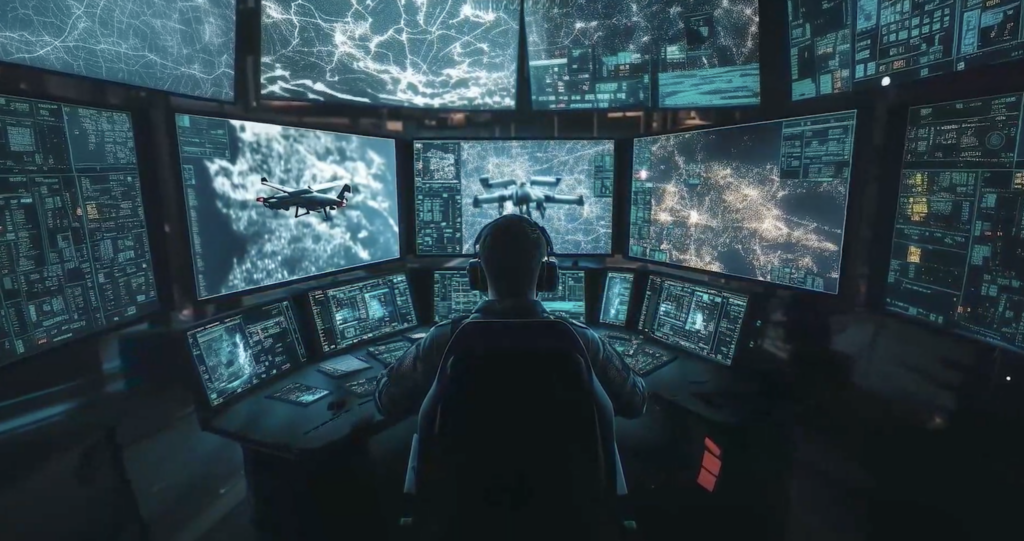
Instead of a traditional invasion, a conflict would likely involve naval battles, missile strikes, cyber attacks, economic restrictions, and battles for control of important regions. Other countries could also become involved, turning a two nation conflict into a much larger global crisis.
The economic consequences would be enormous. The United States and China are two of the world’s largest economies, and a war between them would disrupt global supply chains, trade routes, technology industries, and financial markets.
Millions of businesses and people around the world could feel the impact through shortages, rising prices, and economic uncertainty. Even countries far away from the battlefield would not escape the consequences.
Despite America’s technological advantage and China’s growing military strength, neither country could realistically achieve an easy victory. The United States could maintain superiority in certain areas, especially naval power and advanced technology, but defeating China completely would be nearly impossible.
China’s population, industrial capacity, and geographic advantages would allow it to continue resisting, making any attempt to force surrender extremely costly.
In the end, a United States versus China showdown would likely not produce a true winner. Both sides would suffer massive losses, the global economy would face severe damage, and the world would enter a period of instability.
The reality is that when two nuclear armed superpowers collide, victory becomes almost impossible to define. The result would not be one nation standing above the other, but a conflict where everyone loses.