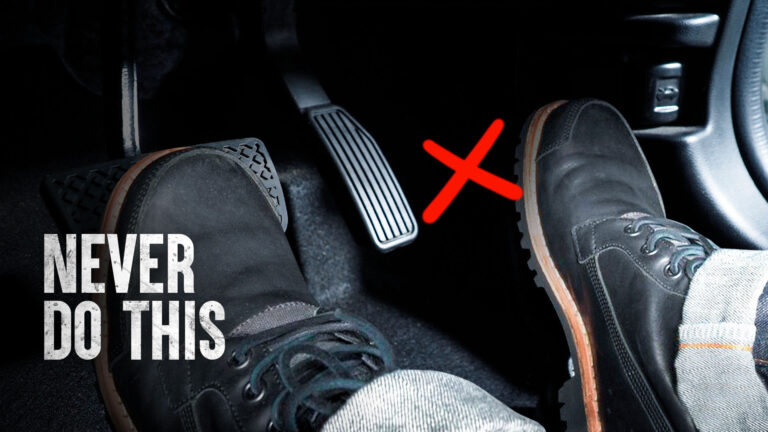
You are enjoying a calm Sunday morning drive when everything changes in an instant. Tires screech. Your heart races. Another vehicle is coming straight toward you, and suddenly your survival depends on the decisions you make in the next few seconds.
Most drivers assume car accidents only happen to reckless people, but crashes can happen to anyone. You do not need to be speeding or driving under the influence to end up in a dangerous situation. According to global safety statistics, millions of people are injured in traffic accidents every year, and thousands die every single day.
While no one expects to be involved in a collision, understanding how to react during and after a crash can dramatically reduce the risk of severe injury.
From loose objects flying through the cabin to the wrong braking technique, some common mistakes can make an accident far worse than it needs to be.
Why Everyday Habits Matter More Than You Think
Most people prepare for long drives by checking fuel levels, planning routes, or bringing snacks. Few think about what would happen if a collision occurred at highway speed. Yet many injuries in accidents are not caused solely by the crash itself, but by preventable mistakes inside the vehicle.
Safety experts often emphasize that preparation before an emergency is just as important as reaction during one. Simple habits like securing loose items, adjusting seatbelts properly, and knowing how to brake correctly can make the difference between walking away and suffering life-changing injuries.
Clutter Inside the Car Can Become Deadly
Many drivers treat their vehicles like a second home. Water bottles roll under seats, backpacks pile up in the back, and groceries slide around the trunk. While it may seem harmless during everyday driving, loose objects can become dangerous projectiles during a crash.
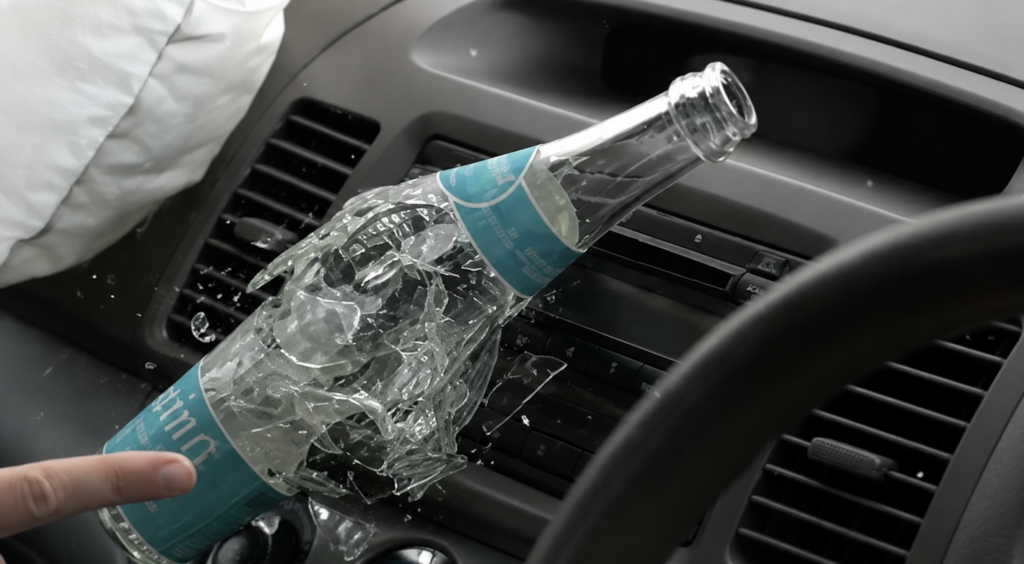
Physics does not stop when a car does. If a vehicle traveling at 100 km/h suddenly comes to a stop, everything inside continues moving at the same speed until it hits something. That “something” could easily be the driver or passengers.
Even lightweight objects can cause serious injuries when thrown forward at high speed. Phones, coffee mugs, laptops, and grocery bags can strike with tremendous force during impact. In severe crashes, unsecured cargo has been known to break bones and cause head injuries.
Keeping the inside of the vehicle organized is not just about cleanliness. It is an important safety precaution that many drivers overlook.
A Loose Seatbelt Can Cause Serious Injuries
Seatbelts save countless lives every year, but wearing one incorrectly can still lead to injuries. Many people leave extra slack in the belt for comfort, especially on longer drives. Unfortunately, that small amount of looseness can become dangerous during a collision.
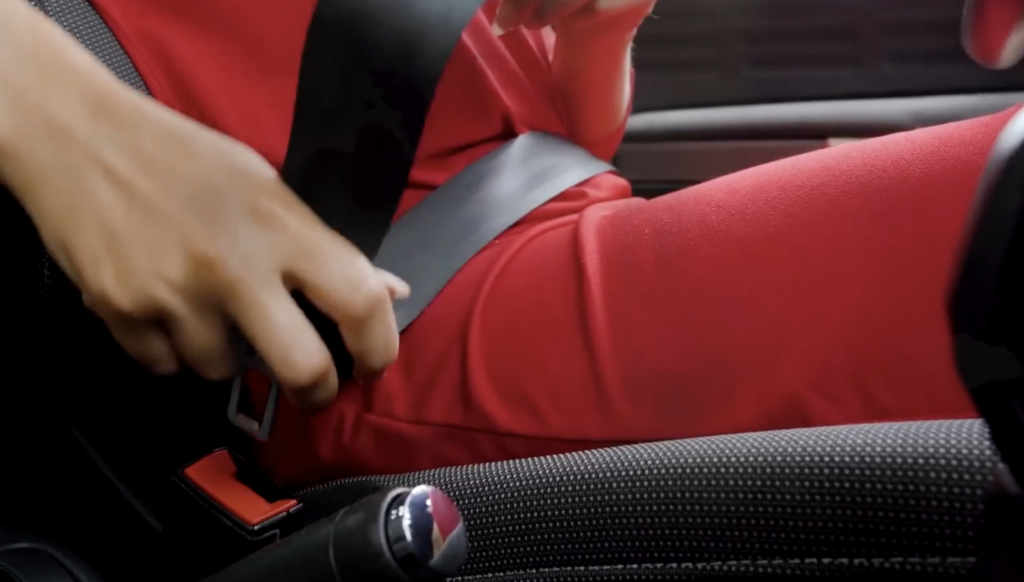
When a crash occurs, the body moves forward violently before the seatbelt restrains it. If the belt is loose, the body gains additional momentum before stopping abruptly. That sudden movement can increase the risk of fractures to the ribs, collarbone, and upper torso.
The safest approach is to keep the lap belt snug across the hips and the shoulder strap tight across the chest. Drivers should also avoid placing the shoulder strap under the arm or behind the back, since doing so reduces protection and increases the likelihood of injury.
A properly worn seatbelt remains one of the most effective tools for surviving a serious accident.
Slamming on the Brakes Is Not Always the Right Move
When danger appears suddenly, the natural instinct is to stomp on the brakes as hard as possible. However, panicked braking can actually make a situation worse.
In vehicles equipped with anti-lock braking systems, commonly known as ABS, drivers should apply firm, steady pressure to the brake pedal while maintaining control of the steering wheel. ABS is designed to prevent the wheels from locking up, helping drivers maintain steering control during emergency stops.
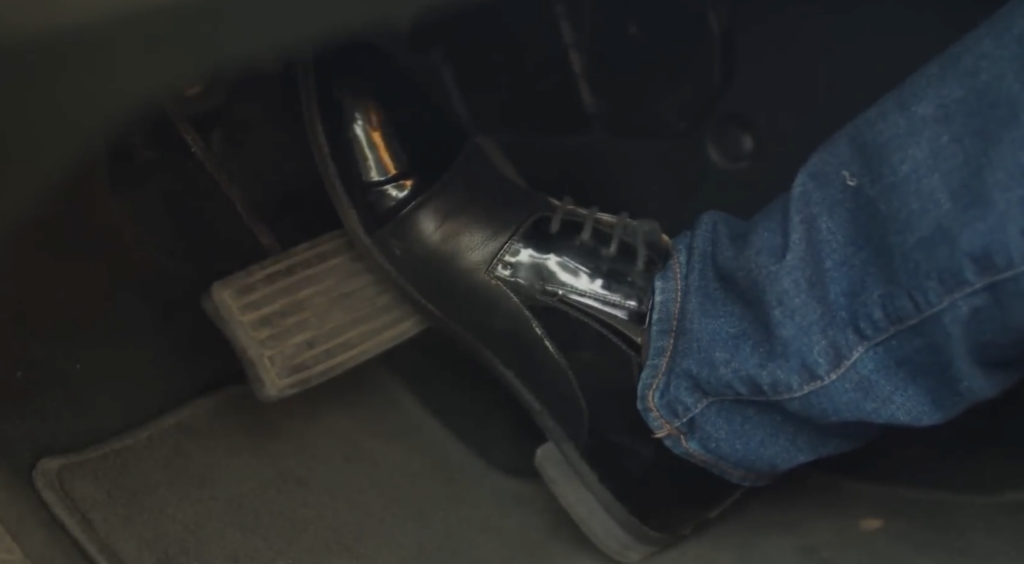
For older vehicles without ABS, braking requires a different approach. Instead of holding the pedal down continuously, drivers may need to pump the brakes repeatedly with controlled pressure to avoid skidding.
Losing traction during an emergency can send a vehicle spinning or sliding uncontrollably, increasing the chances of a severe collision. Remaining calm and understanding how your vehicle’s braking system works can be critical in those split-second moments.
Bracing for Impact Could Protect Vital Organs
One of the most frightening moments in any crash is realizing impact is unavoidable. In those final seconds, some people freeze completely, while others instinctively tense their bodies.
Research conducted by the Toyota Research Institute explored how body positioning affects injuries during a collision. Their findings suggested that people who brace themselves before impact may experience more injuries to their arms or legs, but they are less likely to suffer severe trauma to the chest area where the heart and lungs are located.
Protecting vital organs is often the key to survival in major accidents. While fractures in the limbs can usually heal over time, damage to the thorax can become life-threatening very quickly. Experts recommend keeping both hands firmly on the steering wheel, sitting upright, and bracing the body if impact appears unavoidable.
One of the Biggest Mistakes Happens After the Crash
Sometimes the most dangerous decision comes after the accident is already over.

Many people walk away from collisions believing they are completely fine because they do not see visible injuries. Adrenaline can temporarily mask pain, dizziness, and other symptoms, causing serious conditions to go unnoticed for hours or even days.
One widely discussed example involved writer Nicole Ross Rollender, whose vehicle was severely damaged in a crash with an SUV. She and her children initially appeared unharmed and returned home after the accident.
Later that night, however, she began experiencing stiffness, vision disturbances, and trouble speaking. Doctors eventually diagnosed her with a severe concussion that required more than a year of recovery. Concussions, internal bleeding, whiplash, and spinal injuries may not produce immediate symptoms. That is why medical professionals strongly recommend getting evaluated after any significant collision, even if injuries seem minor at first.
Seeking medical attention quickly can prevent complications and potentially save lives.
Staying Calm Can Save Your Life
No driver expects to face a serious accident, but emergencies happen without warning. The decisions made during those few chaotic moments can dramatically influence the outcome.
Keeping the vehicle free of clutter, wearing a snug seatbelt, braking correctly, bracing for impact, and seeking medical attention afterward are all simple actions that can reduce injuries and improve survival odds.
A car crash can unfold in seconds, but the consequences may last a lifetime. Understanding what not to do may be just as important as knowing how to drive safely in the first place.