Right now, you are seeing the world through two lenses. Two. A fly is watching you through thousands.
So let us run the experiment. Tonight you fall asleep as a normal human, and tomorrow you wake up with a pair of gigantic compound fly eyes bulging out of your head. Everything else about you stays the same, just the eyes get swapped.
What would you actually see? What would people see when they looked at you? And what would this do to your buzz life? Sorry, love life?
First, understand just how alien this upgrade really is. A fly carries two compound eyes, and each one works like a mosaic built from a swarm of tiny individual eyes, all watching for movement in different directions at once.
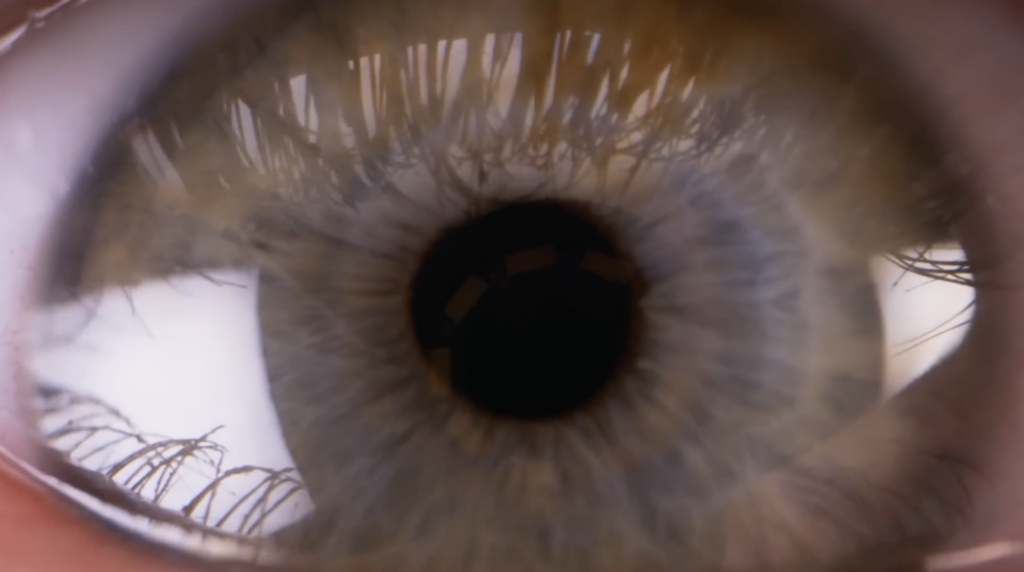
Your human eyes are built on a completely different blueprint. Each one operates like a camera: an iris regulating how much light enters, a lens forming the picture, and a retina capturing it.
Now compare that to your new equipment: up to 4,500 lenses packed into each compound eye. Thousands of tiny windows on the world, all feeding your brain at the same time.
Surely that means superhuman vision, right? Here comes the first surprise. Individually, each of those little lenses sees terribly. The magic only happens when they combine, stitching together a field of vision covering nearly 360 degrees.
And that is where your new life begins.
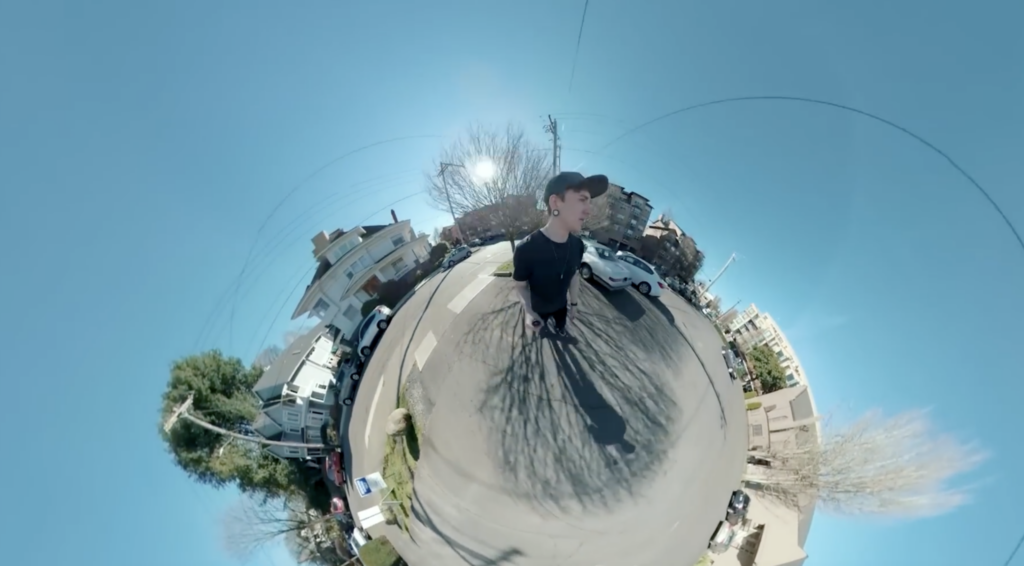
With fly eyes, you would have an almost complete panoramic picture of everything happening around you, all the time.

Nobody could ever sneak up on you again. Surprise parties? Impossible. Pickpockets? Unemployed. You would be walking around with a built in security system that never blinks.
But this superpower sends you a painful invoice.
Everything would be blurry. Permanently. Your new eyes have no pupils, which means no way to control incoming light and no way to sharpen the picture. The crisp, focused world you knew is gone.
Then comes the loss that might hurt the most: color. Your old human eyes were masterpieces of color perception, drinking in every shade, hue, and level of vividness. Fly eyes carry only two sensor cells, leaving them nearly helpless at telling colors apart. And one color would vanish from your world completely.
Red. Gone. Erased from existence.

Hopefully that was not your favorite. Funny enough, not all compound eyes are this color blind. Bees actually see colors better than humans do, which makes perfect sense when your entire survival depends on telling flowers apart.
But back to your new fly face, because there is a bonus feature. If your donor was a male fly, congratulations, you now own something scientists genuinely call the love spot.
This special region boosts your ability to process visual signals by up to 60 percent. Male flies use it to track the lightning fast movements of females. You would use it to dart your head around all day scanning for a date, looking absolutely unhinged. Then again, you are a human with colossal insect eyes. That ship has sailed.
And about your appearance: those giant eyes would shimmer with intense, hypnotic patterns. Researchers are still not entirely sure why these patterns exist, though some suspect mating plays a big role. Which raises a horrifying possibility. You might suddenly become irresistible to hundreds of amorous flies. Imagine that swarm following you everywhere. Worse than being text bombed.
So, the final verdict on your 4,500 lens upgrade: total situational awareness, zero sharpness, no red, and a fan club of insects.
Probably better to keep your human eyes after all. If you are still curious, scientists have already built a camera that detects movement exactly like a fly does. The catch? It only shoots in black and white, and honestly, your phone does better.
Maybe fly vision was never the dream. Now X ray vision, that would be a different story.