Since the beginning of time, Earth has created life and then wiped out most of it in catastrophic, ultra-destructive moments.
Starting with the very first extinction event since multicellular life began, the End Ordovician extinction.
The Ordovician period started almost half a billion years ago, and lasted nearly fifty million years. This is a time of planet-wide oxygenation, and incredible leaps in biodiversity, known as the Great Ordovician Biodiversification Event. It’s so far back in time that the very first species of plants are only now starting to populate the land.
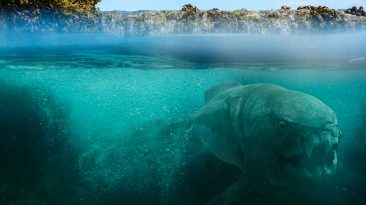
The first fish are out there, swimming around. Jawless fish, armored fish, and even early sharks roam the sea. They’re kinda like crabs. Horseshoe crabs. So it’s a pretty yummy time to be around. That is, if you can go without butter, which won’t be around for nearly half a billion years.
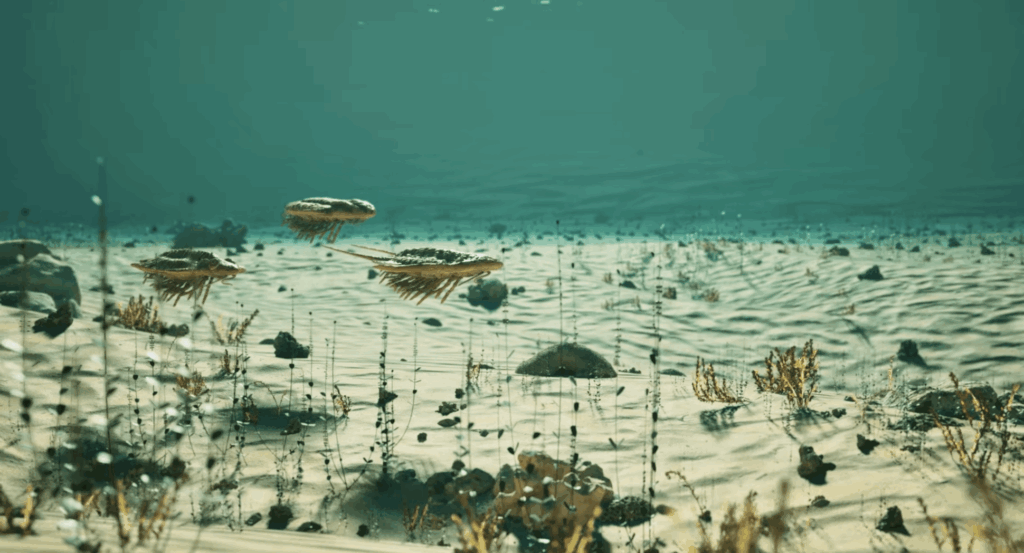
But this Earth is very different from Earth you know. It’s dominated by a supercontinent known as Gondwana. Suddenly, the Gondwana landmass was becoming the centre of mass glaciation, turning water in thick land-ice.
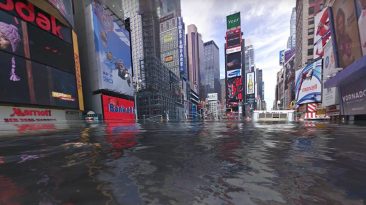
Sea levels drop rapidly, and the shallow seas drain without warning. Ice ages can cause seas to drop as much as 120 meters (400 feet), which pulls the shoreline right back to the continental shelf. For life in the shallows, there’s nowhere to go.
So many beautiful, delicious trilobites are gone. Over 100 marine invertebrate families disappear, and over 85% of all marine species die off. And at the end of the Ordovician… you’re cold. And hungry. There’s nothing to eat except the odd scraping of algae.
Eventually you run out of food. And just like some lost, wandering Antarctic explorer, you freeze to death near the South Pole.
THE LATE DEVONIAN EXTINCTION
The Late Devonian period started just over 380 million years ago. Earth is greener now. Plants have fully settled on land, and early forests of ferns and Archaeopteris trees stretch along rivers and seas.
It’s also the time when the sarcopterygians, the lobe-finned fish, evolved. It’s an interesting time to be alive.
But nearly as soon as it started, the Late Devonian goes through a series of extinction events that last 20 million years, starting right around 375 million years ago. During this period, there’s evidence of volcanic activity, and possible climate swings. But the real killer in the Late Devonian is the drop in marine oxygen.
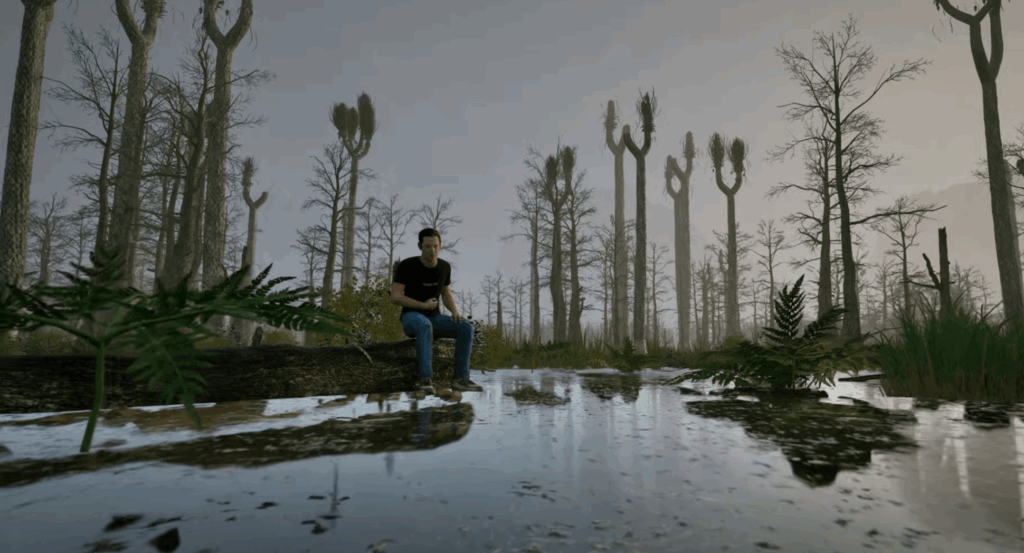
Toward the end of the Devonian period, you witness mass die-offs in reefs and fish, entire families that will never recover. 75% of species are lost. The monstrous armored fish disappear, as do most of the trilobites, never to be seen (or cooked) again.
The fish have disappeared. There’s not much to eat. And one day, you get desperate. You eat some washed-up fish and a rotting trilobite.
THE PERMIAN EXTINCTION
Fast-forward a hundred million years or so, towards the end of the Permian period. Ferns and plants burst forth, creating habitat for amphibians, reptiles, even mammal-like reptiles, like these therapsids. All kinds of weird creatures walk the land. Animals like gorgonopsids have evolved into serious predators.
There’s big boys wandering around these forests, like the sail-finned Dimetrodon. Which looks like a dinosaur, but is way older, by 40 million years.
260 million years ago, a series of volcanoes in China erupt. And 252 million years ago, Siberia basically explodes, turning into one massive volcano, for hundreds of thousands of years.
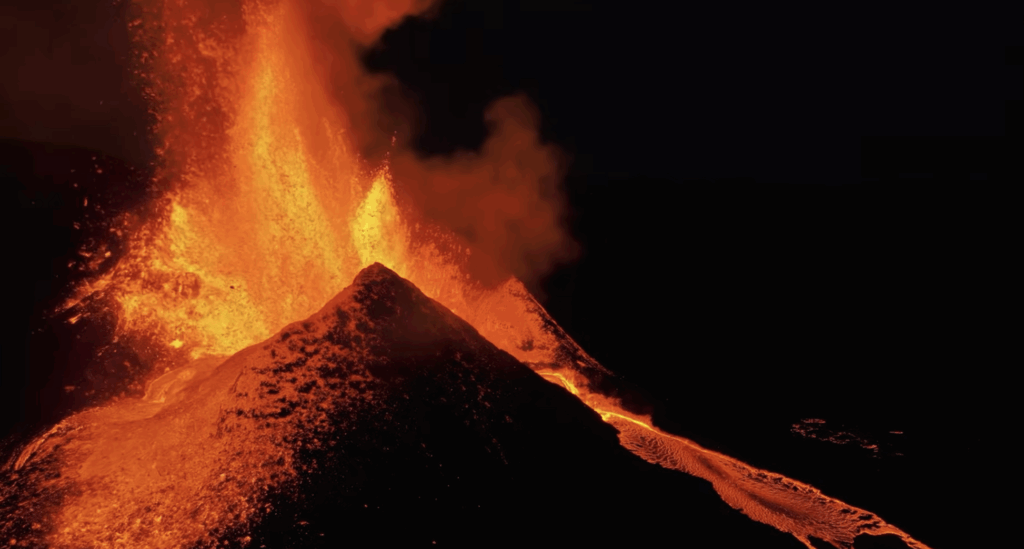
Sulphur becomes a killer. There’s so much of it in the air from the volcanoes and sulfur-producing bacteria, it causes intense, wide-spread acid rain. It acidifies the over-stressed oceans, stripping the leaves off the trees. The forests start to wither.
96% of all marine species and 70% of land species die. Entire lineages disappear. This is as close as it gets to the end of life on Earth.
And for you… well… there’s nothing to eat, and the water is basically high-test vinegar. Dehydrated, you begin to starve. The only company, other desperate creatures, hunting you through the desiccated remains of forests.
The Cretaceous-Paleogene extinction
66 million years ago, the Age of the Dinosaurs is in full swing. Earth is warmer than today, there’s hardly any ice at the poles, sea levels are high, and rainforests grow across the planet. And they’re populated almost entirely by dinosaurs or gigantic reptiles.
Whether it’s being hunted by Tyrannosaurus Rex or velociraptors, or pterosaurs, or just about any other predator that moved on land or the sea… life for a mammal in the Cretaceous is the life of a snack.
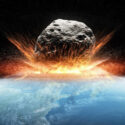
The catastrophic moment that the Chicxulub asteroid, a chunk of rock nearly 10 km (6 mi) wide, strikes the Earth at over 20 km (12 mi) per second. The impact vaporizes its immediate vicinity, and incinerates everything within 1,500 km (930 mi), causing tsunamis across the planet.
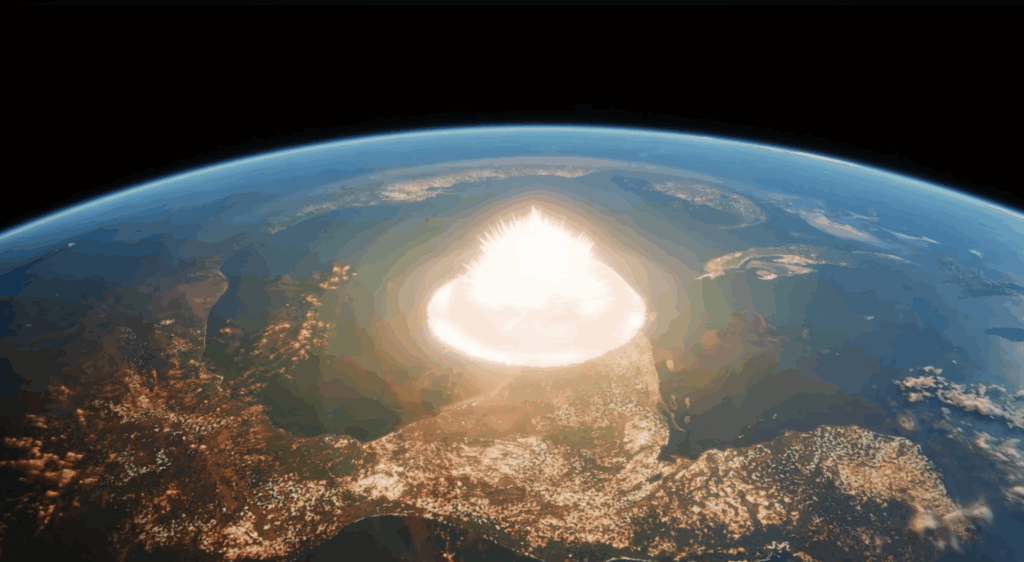
If you’re on the other side of the world, away from the shoreline… maybe you survive the initial impact.
But the nuclear winter that transpires afterwards? You wander a world where the forests have burned to cinders, the sky is dark, and the ocean has … again… acidified. After you’ve eating a steady diet of charred wood and fried T Rex corpses… the food disappears.
And eventually, so… do you.