
Top 10 Longest Living Animals

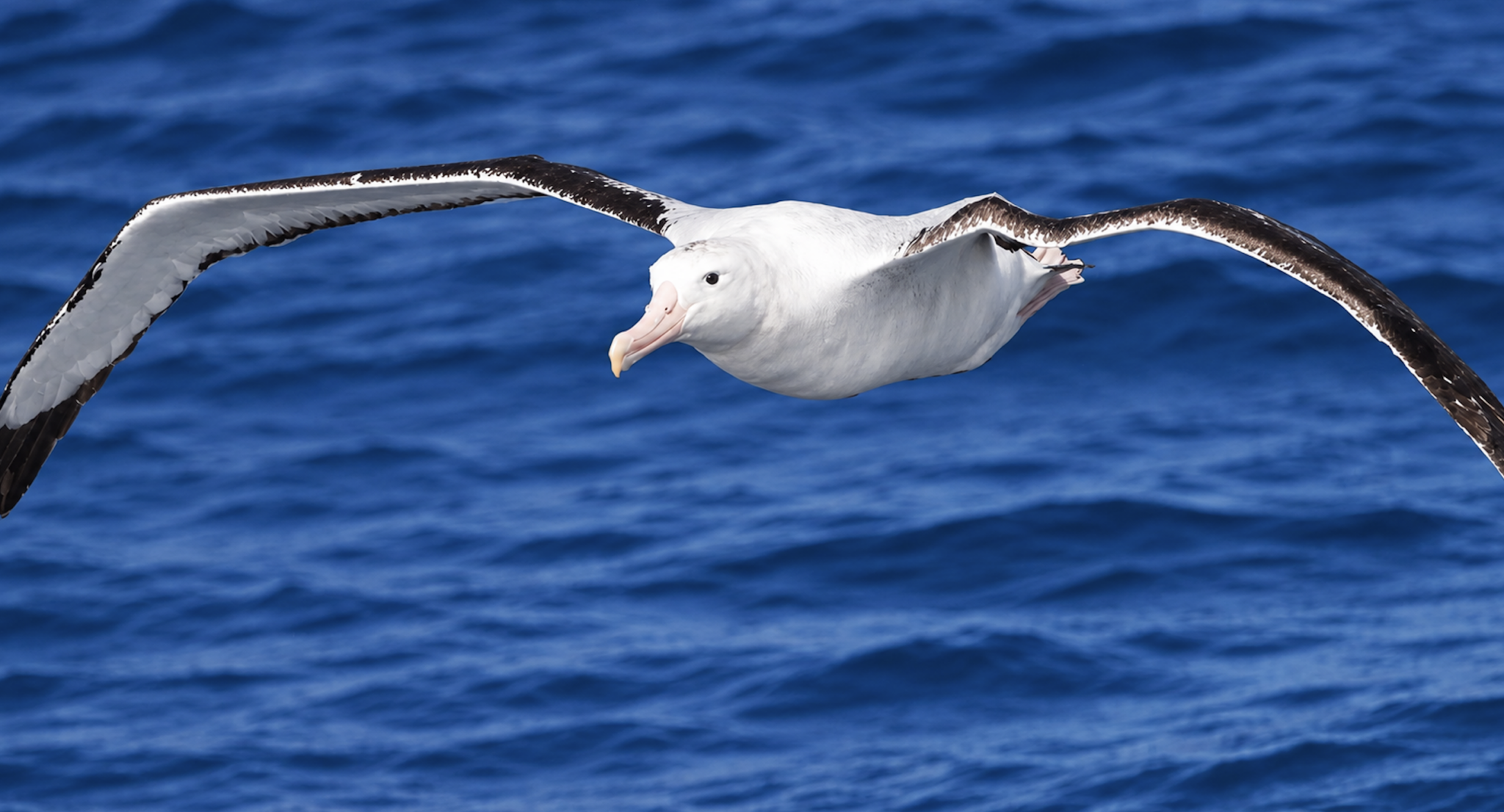
Albatrosses are among the longest living seabirds, with some individuals reaching over 60 years of age in the wild. They spend most of their lives gliding over open oceans, only returning to land to breed. Their long lifespan is supported by a slow reproductive rate and low natural predation as adults. Over decades, they often return to the same nesting sites with remarkable consistency.
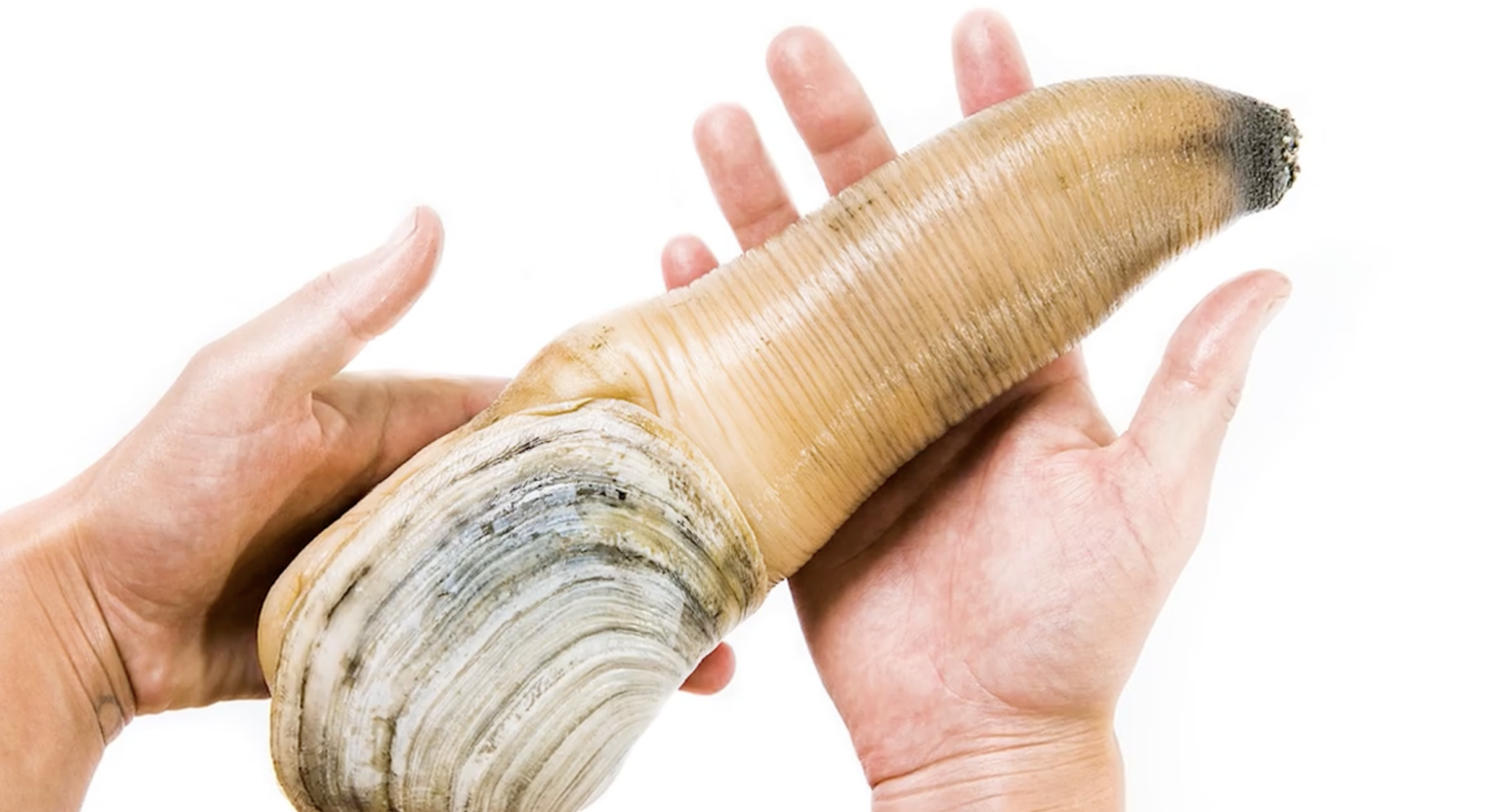
The geoduck is a giant saltwater clam known for its extreme longevity, often living over 150 years. It buries itself deep in coastal sediments, where it is protected from most predators. Its slow metabolism contributes to its long life span. Despite its unusual appearance, it plays an important role in marine ecosystems.
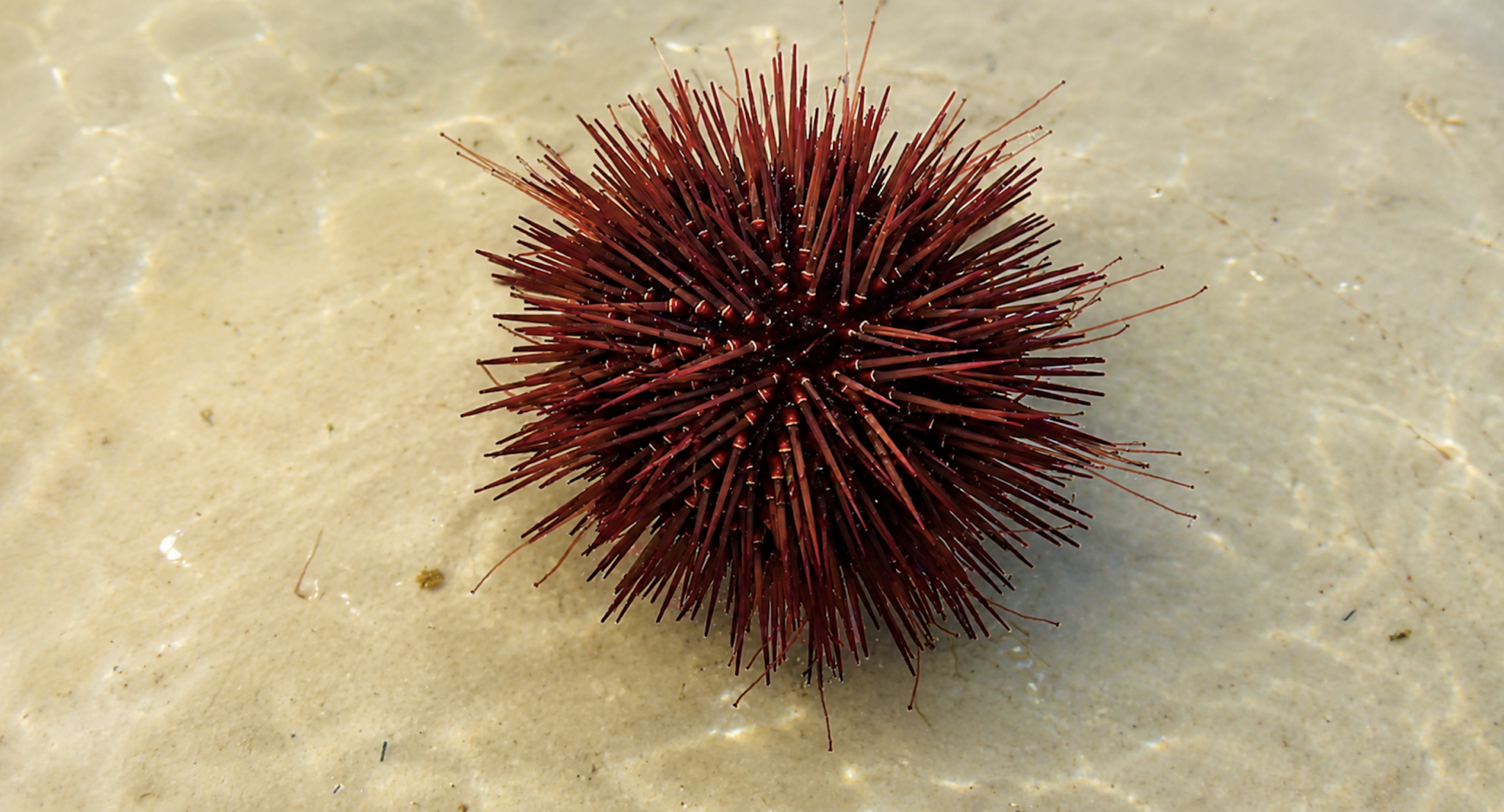
Red sea urchins can live for more than 200 years in the right conditions. They grow slowly and have very few natural predators once fully developed. Their ability to regenerate damaged tissue also helps them survive harsh environments. These urchins are key grazers in kelp forest ecosystems. Over time, they can form dense populations that significantly shape underwater habitats. Scientists study them to understand aging and long term resilience in marine species.
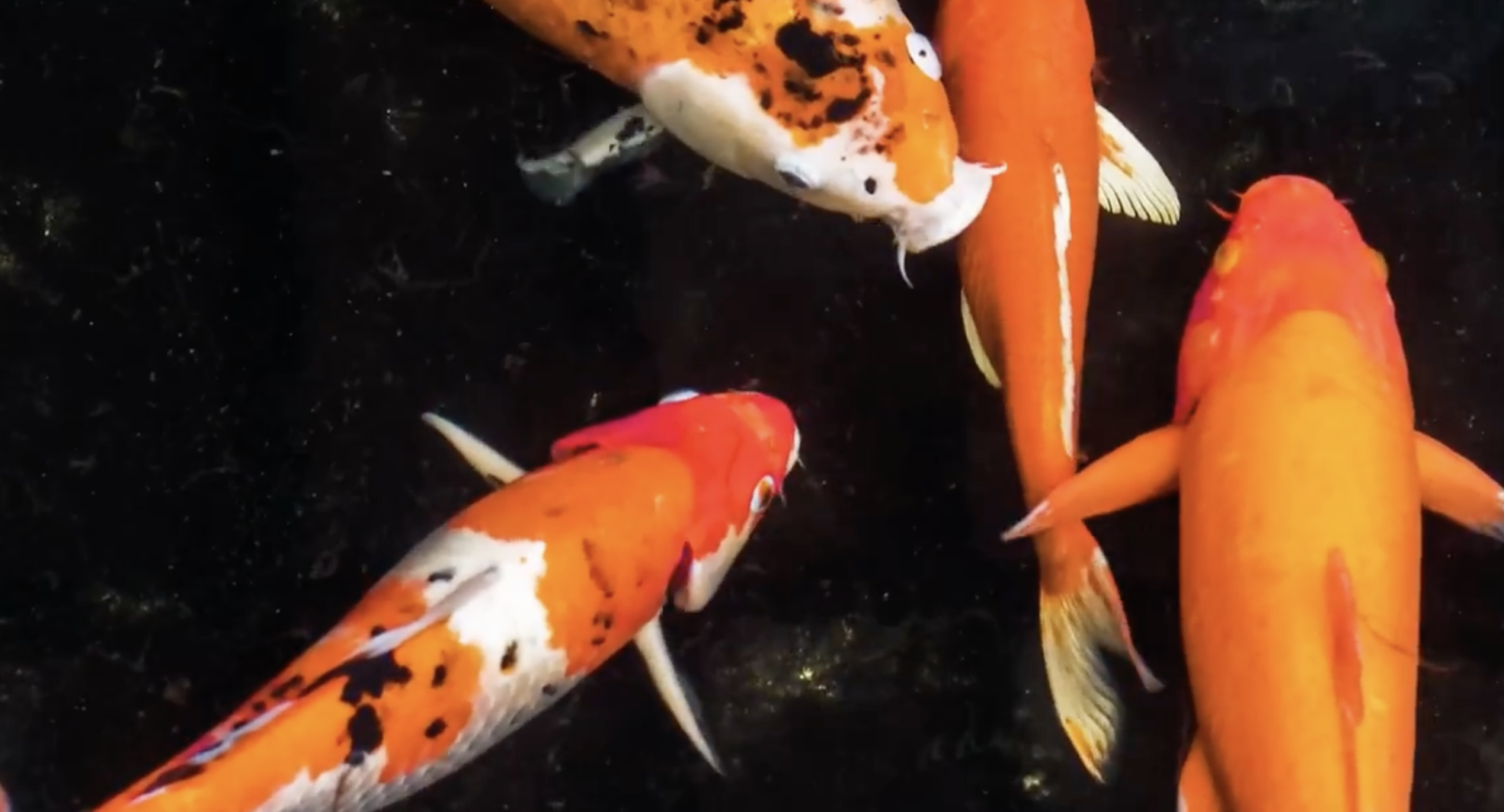
Koi fish are famous for their long lifespans, with some living well over 50 to 70 years. In rare cases, certain koi have been reported to reach over a century. Their longevity is often linked to good water quality, diet, and careful human care. They are also considered symbols of luck and perseverance in many cultures. Their growth continues slowly throughout their lives, especially in optimal conditions. In ornamental ponds, they often become lifelong companions to their caretakers.
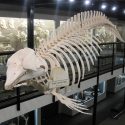
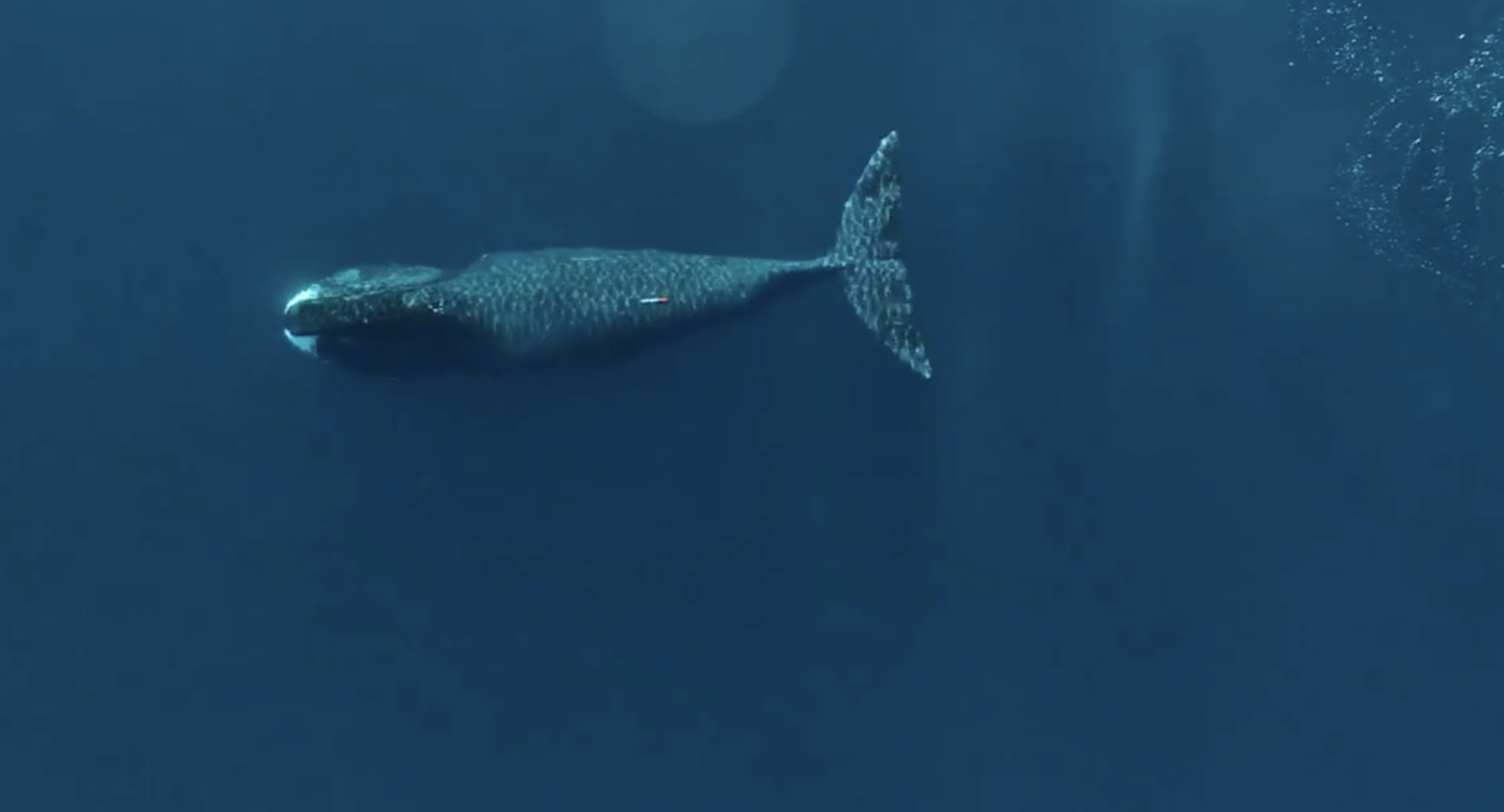
The bowhead whale is one of the longest living mammals, with individuals exceeding 200 years of age. They inhabit Arctic waters and have thick layers of blubber that help them survive extreme cold. Some whales have been found with ancient harpoon fragments in their bodies, proving their remarkable age. Their slow life history strategy contributes to their exceptional lifespan. They also have some of the thickest skin of any whale species. Their long lifespans make them valuable indicators of historical ocean conditions.
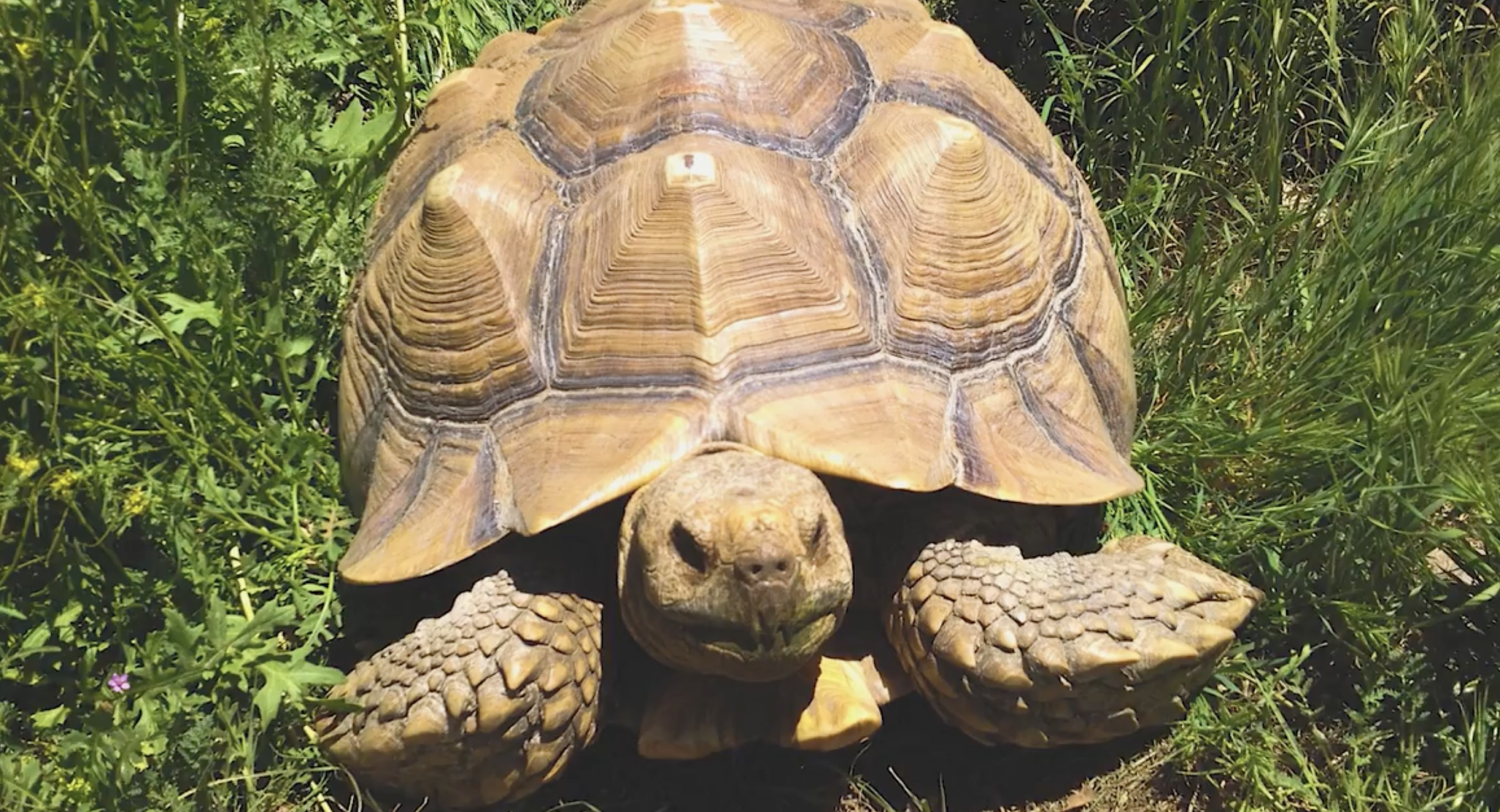
Giant tortoises are famous for their incredible longevity, often living well over 100 years. Some individuals have been recorded reaching more than 150 years in captivity. Their slow metabolism and protected island habitats contribute to their long life. They continue growing throughout much of their lives, albeit very slowly. They can survive long periods without food or water due to their efficient energy use. Their long lifespans make them iconic symbols of endurance in the animal kingdom.
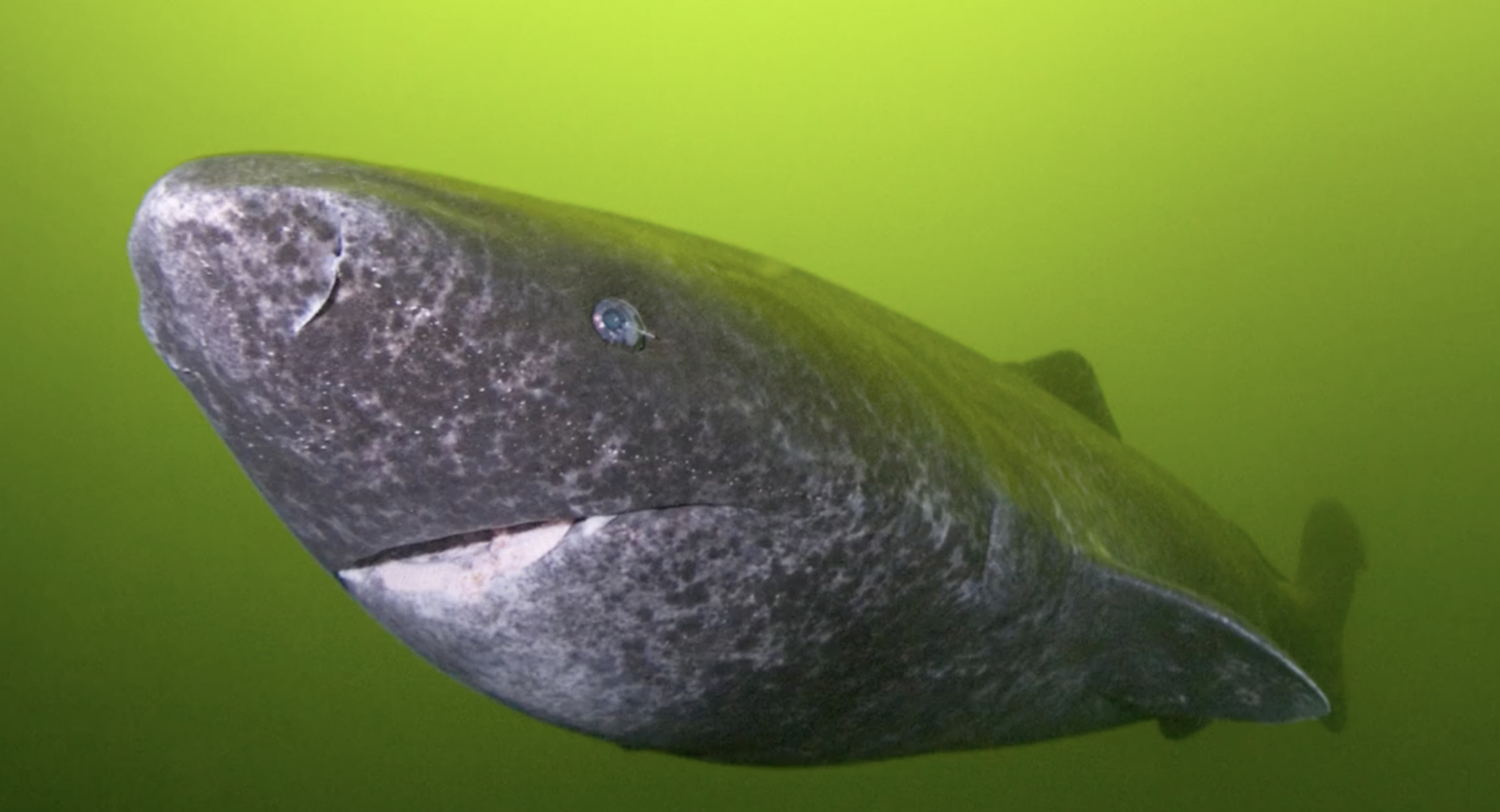
The Greenland shark is one of the longest living vertebrates on Earth, with lifespans estimated at up to 400 years. It grows extremely slowly and reaches sexual maturity only after about 150 years. Living in deep, cold Arctic waters helps slow its aging process. Despite its size, much of its life remains a mystery due to its remote habitat. It often moves at an extremely slow pace, conserving energy in the cold depths. Its biology offers scientists rare insights into extreme longevity in vertebrates.
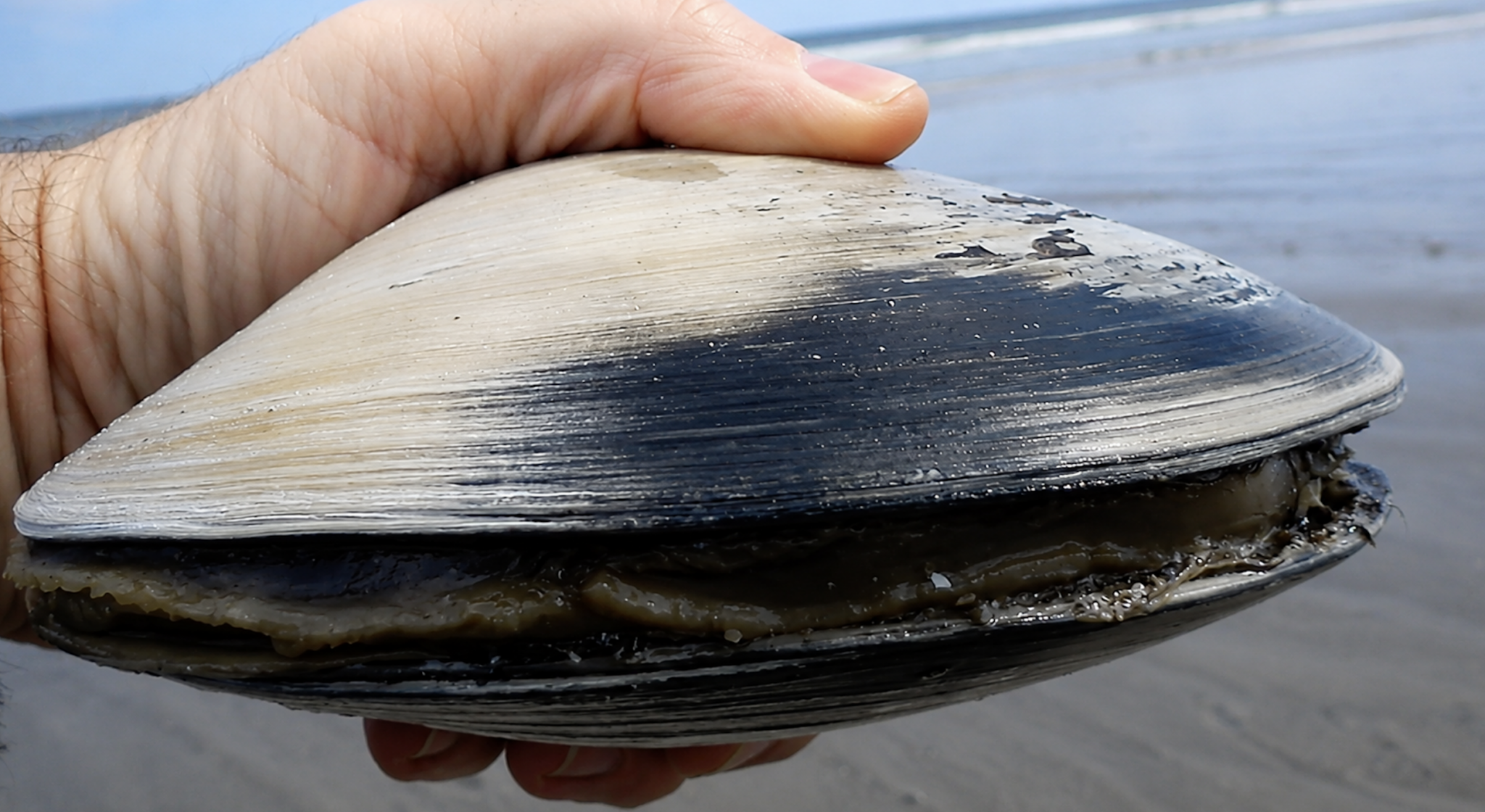
The ocean quahog is a type of clam that can live for more than 500 years. One famous specimen, nicknamed “Ming,” was estimated to be over 500 years old. It grows very slowly and lives buried in cold ocean sediments. Its extreme lifespan provides valuable clues about climate history. Each growth ring in its shell records environmental changes over centuries. This makes it an important species for studying long term ocean temperature shifts.
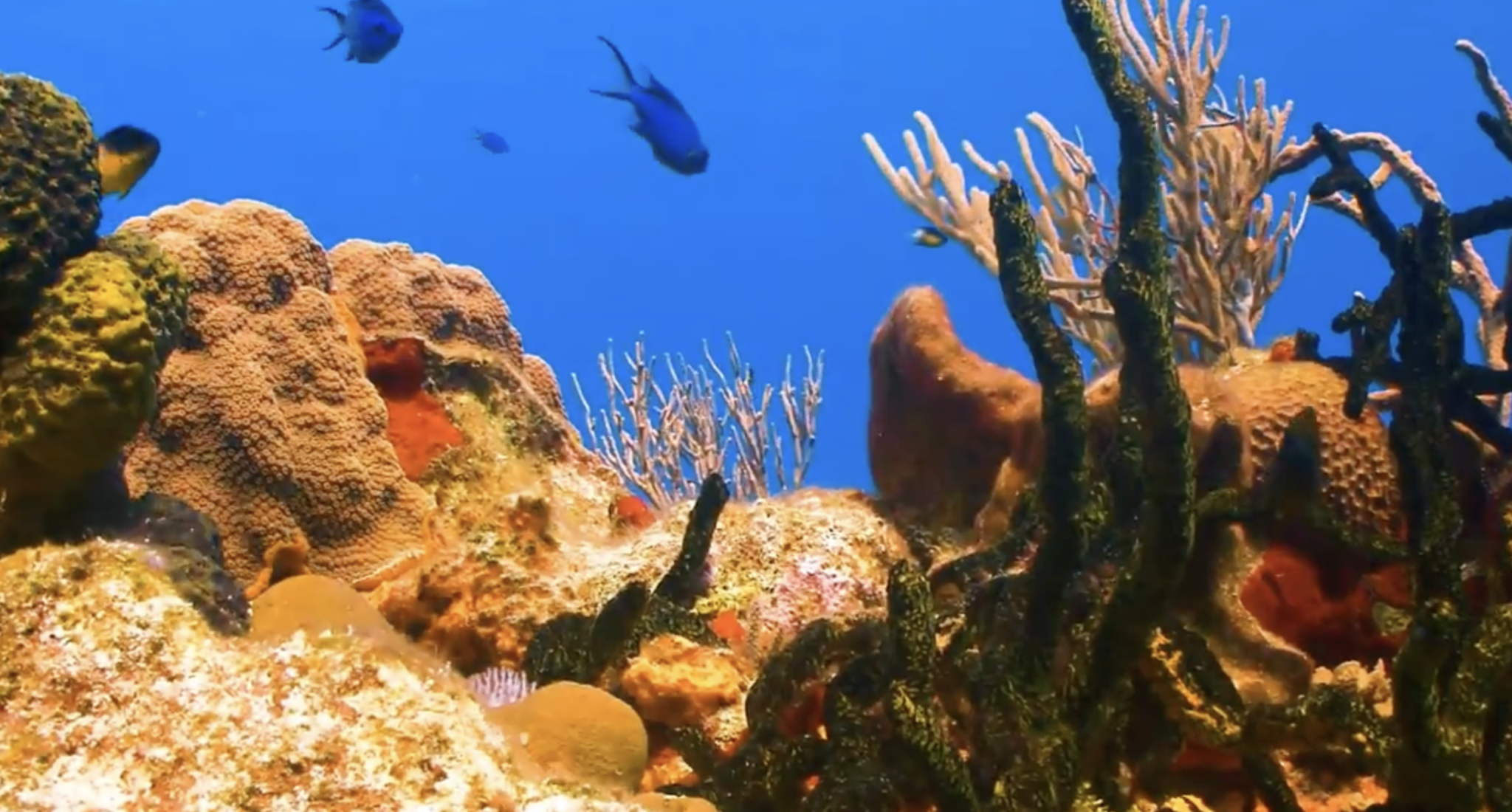
Some deep sea sponges and coral colonies can live for thousands of years. These organisms grow extremely slowly, often adding only millimeters per year. Their longevity comes from stable deep ocean environments with little disturbance. In some cases, entire reef systems are made up of organisms older than human civilizations. They form complex ecosystems that support countless marine species over time. Their slow growth makes them especially vulnerable to environmental change and human impact.
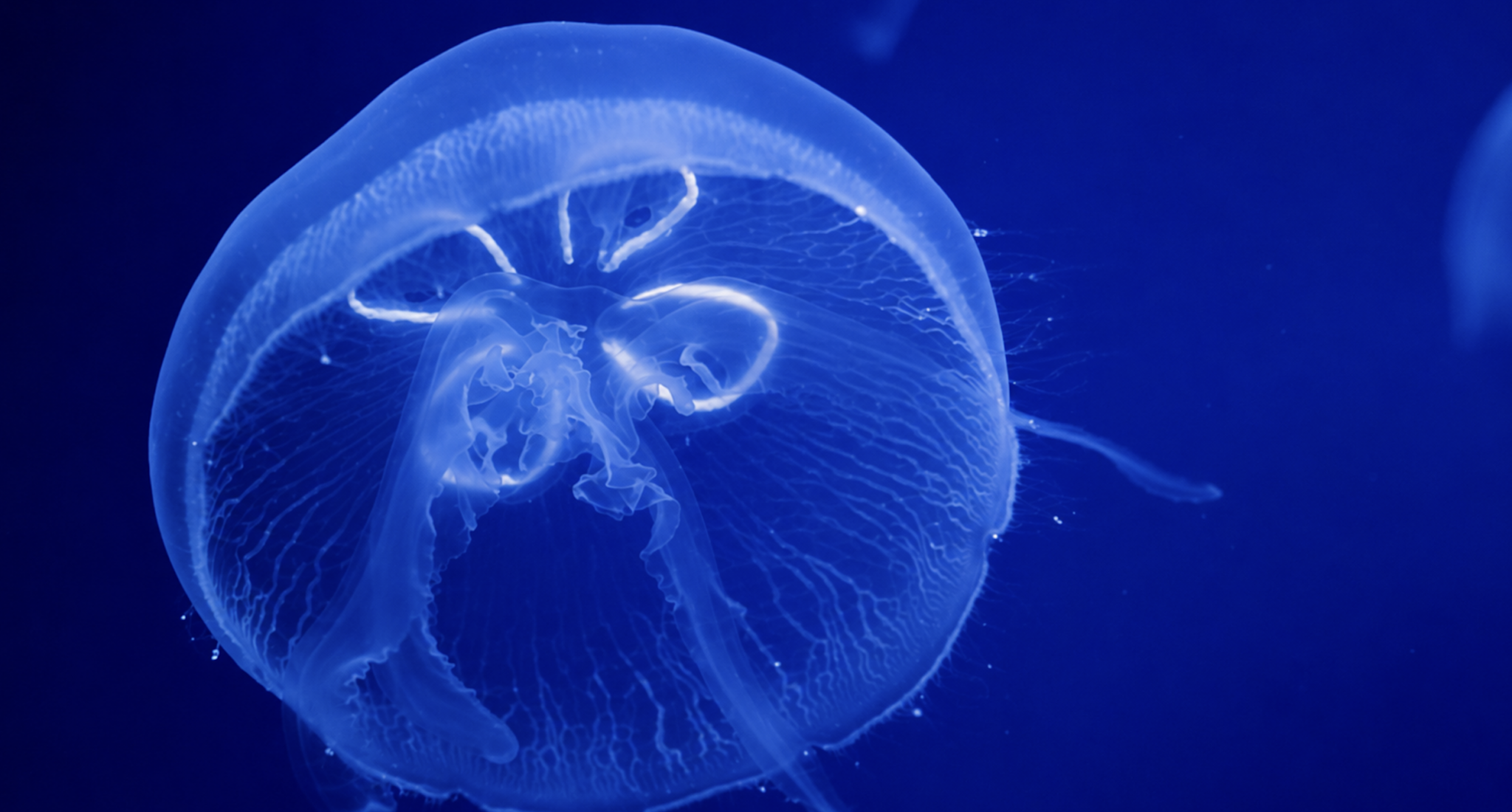
The immortal jellyfish is unique because it can potentially reverse its aging process. When stressed or injured, it can revert from its adult stage back to a juvenile polyp. This biological reset allows it to bypass death from aging under ideal conditions. While not truly immortal in the wild, it is one of the most biologically unusual animals known. This process has made it a major focus of research into aging and regeneration. Its life cycle challenges traditional ideas of biological aging and death.
Subscribe
Notify of

0 Comments
Most Voted
Newest Oldest
Inline Feedbacks
View all comments