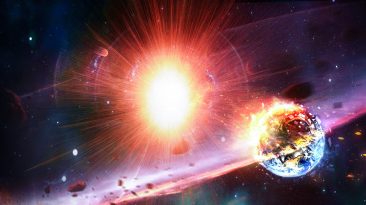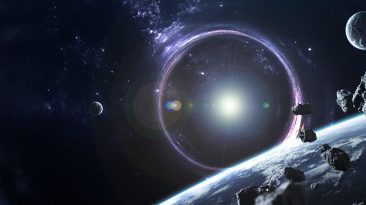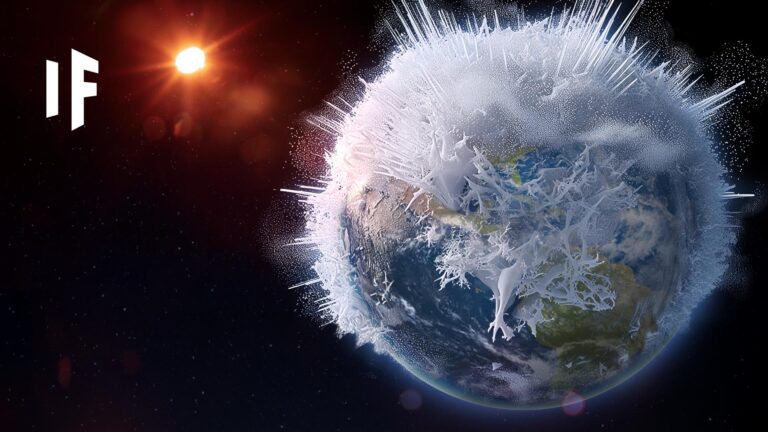
Picture a world where ice does not melt, even while the ground glows with temperatures hotter than molten metal. Far beyond our solar system, astronomers discovered a planet that seems to ignore the rules of nature itself. This alien world is called Gliese 436b, but many scientists and space fans know it by another name: the Burning Ice Planet.
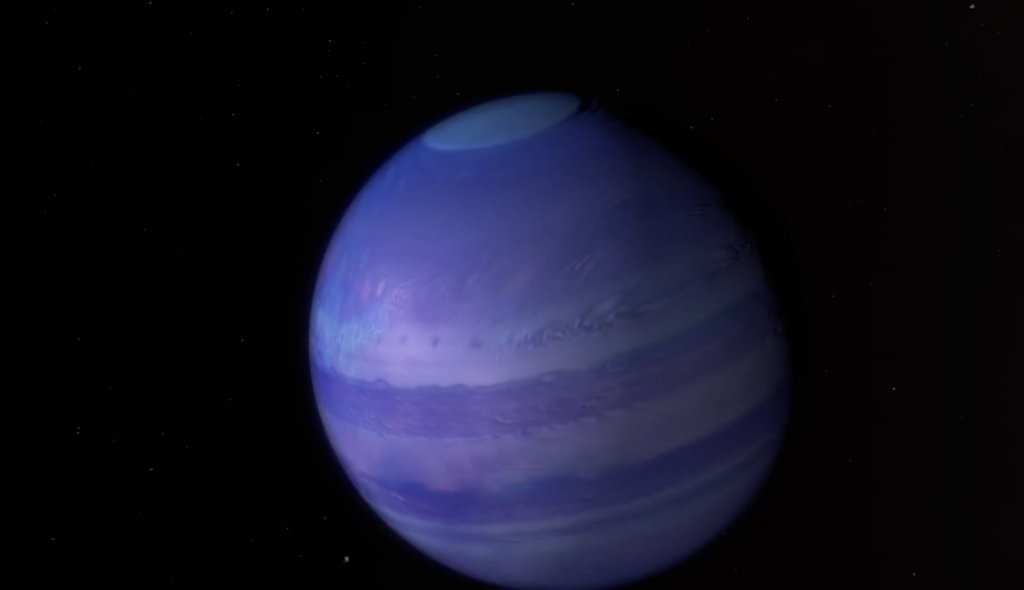
Orbiting a dim red dwarf star roughly 33 light years from Earth, this bizarre Neptune sized world has become one of the strangest exoplanets ever found. At first glance, it should be impossible. Its atmosphere is scorching hot, yet scientists believe part of the planet may contain exotic forms of solid water ice that survive under crushing pressure. Since its discovery, Gliese 436b has challenged what astronomers thought they understood about planetary chemistry, atmospheric physics, and the limits of extreme worlds.
If humans ever attempted to visit this terrifying planet, the journey would become one of the deadliest missions imaginable.
A Journey Across Deep Space
Reaching Gliese 436b would already be a nightmare before the landing even began. The planet lies in the direction of the constellation Leo, more than 30 light years away from Earth. With current spacecraft technology, a trip there would take hundreds of thousands of years.
The planet circles a small red dwarf star known as Gliese 436. Unlike Earth, which sits at a comfortable distance from the Sun, Gliese 436b hugs its parent star incredibly closely. The planet completes an orbit in only about two and a half Earth days.
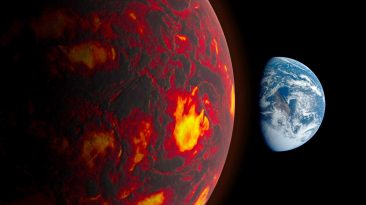
Because it remains so near to its star, the planet is constantly blasted by extreme radiation and heat. Temperatures in the upper atmosphere can rise above 500 degrees Celsius, hot enough to melt many metals on Earth. Any spacecraft approaching the planet would need unimaginable levels of shielding just to avoid being destroyed before arrival.
A Planet With a Giant Tail
One of the strangest features of Gliese 436b is that it behaves almost like a comet.
The intense heat from the nearby star is slowly stripping away the planet’s atmosphere. Hydrogen gas escapes into space and stretches behind the planet in an enormous glowing tail that spans millions of kilometers.
Astronomers comparing telescope observations found that this tail resembles the long streams of gas seen behind comets traveling through our own solar system. Except this time, the object leaving the trail is not a frozen rock. It is an entire planet losing its atmosphere piece by piece.
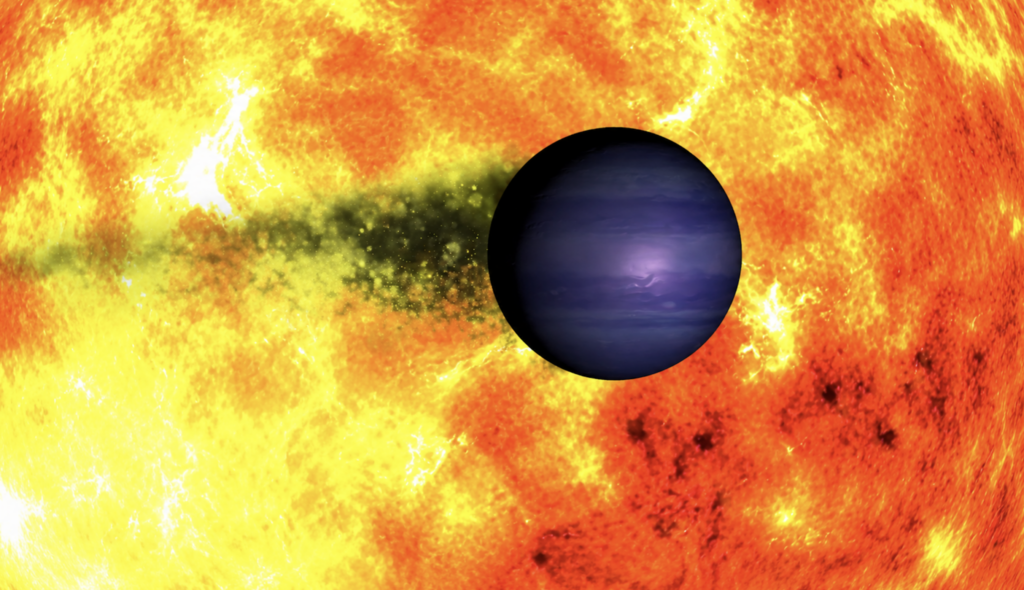
Flying through this region would be extremely dangerous. Charged particles and radiation from the escaping gas could overload spacecraft systems, damage electronics, and expose astronauts to lethal conditions.
An Atmosphere That Should Not Exist
As scientists studied the atmosphere of Gliese 436b, they noticed something deeply confusing.
The planet appears to be made mostly of hydrogen and helium, which is fairly common for giant planets. However, astronomers expected to find large amounts of methane as well. On worlds with similar temperatures and chemical makeup, methane should form naturally and appear clearly in observations.
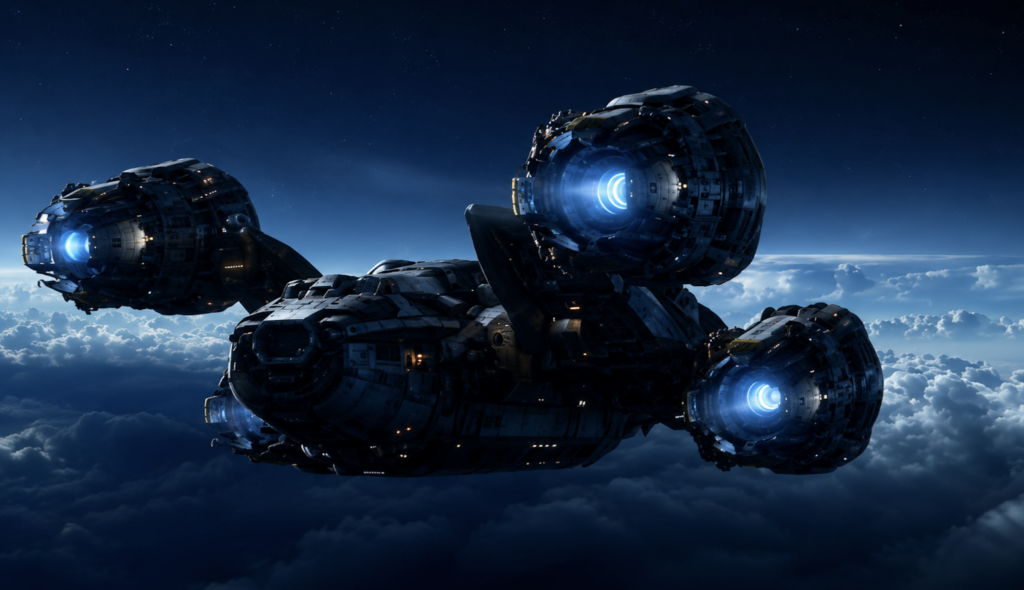
But on Gliese 436b, methane is mysteriously scarce.
This strange imbalance has puzzled researchers for years. Some scientists suspect unusual chemical reactions deep inside the atmosphere may be destroying methane faster than expected. Others believe powerful winds or hidden layers of carbon monoxide could be interfering with the planet’s chemistry.
Whatever the explanation turns out to be, Gliese 436b continues to challenge standard models of how planets form and evolve.
The Impossible Ice
The most famous feature of Gliese 436b is what gave it its nickname.
Despite the planet’s extreme heat, scientists believe some of its water may exist in a bizarre solid state often called hot ice. Under normal conditions on Earth, ice melts quickly once temperatures rise above freezing. But Gliese 436b is anything but normal.
The immense pressure inside the planet may become so powerful that water molecules are forced into solid crystalline structures even while exposed to temperatures hot enough to vaporize ordinary ice instantly.
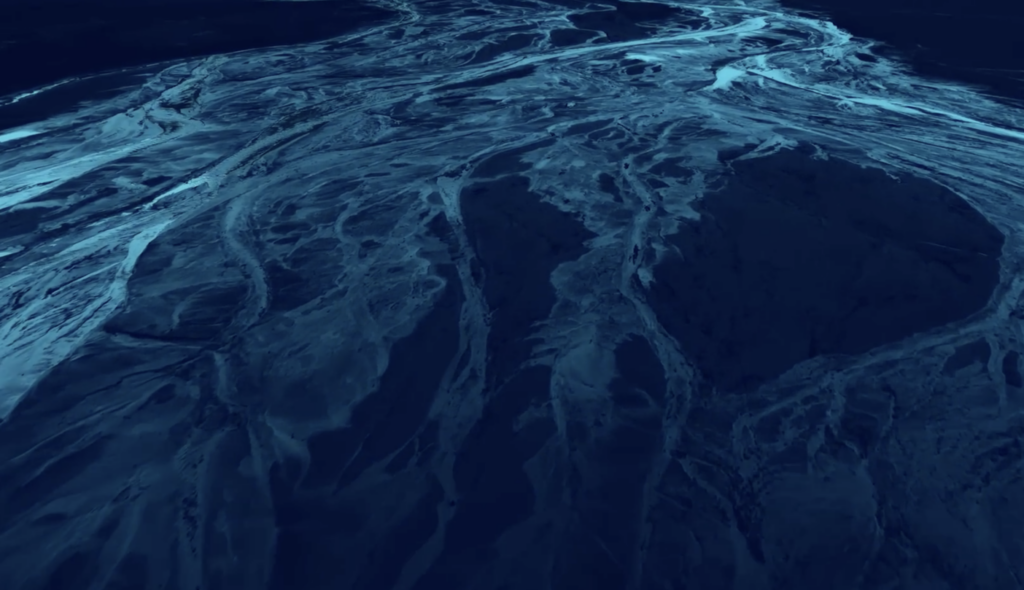
This strange form of matter behaves nothing like the ice found on Earth’s oceans or glaciers. Instead, it exists in an exotic high pressure state created only under conditions far beyond anything humans naturally experience.
To an explorer descending through the atmosphere, the world below might appear bright, reflective, and frozen, while actually being hotter than a kitchen oven.
No Spacecraft Could Survive
Landing on Gliese 436b would push engineering far beyond modern science.
The combination of heat, gravity, pressure, and radiation would rapidly destroy almost any known material. Electronics would overheat, communication systems would fail, and structural components could bend or crack under the stress.
Even if a probe managed to enter the atmosphere successfully, transmitting useful information back to Earth would be incredibly difficult. Instruments would likely stop functioning within seconds.
NASA and other space agencies have developed spacecraft capable of surviving harsh environments, including the crushing atmosphere of Venus and the freezing darkness beyond Pluto. But Gliese 436b presents challenges far beyond those missions.
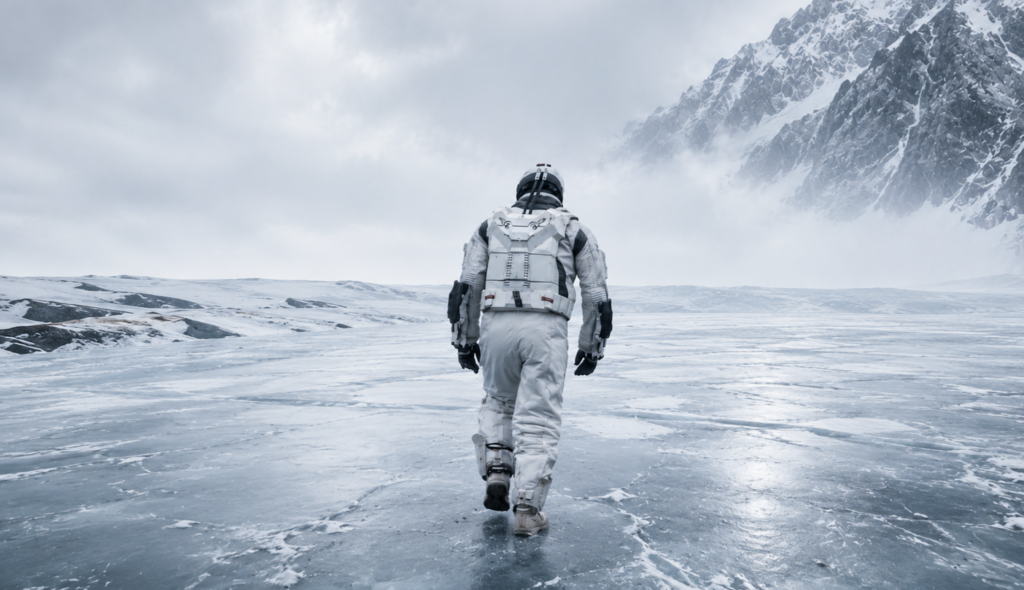
For now, the planet remains a distant mystery studied only through powerful telescopes and computer simulations.
A World Humans Could Never Visit
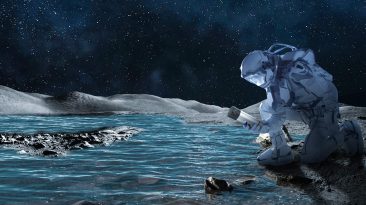
If an astronaut somehow stood on Gliese 436b, survival would last only seconds.
The heat alone would quickly destroy any protective suit. Radiation from the nearby star would bombard the body continuously. At the same time, the crushing pressure and gravity would make movement impossible.
Even vision would become difficult as helmet visors overheated, cracked, or melted under the extreme conditions.
Yet despite its terrifying nature, Gliese 436b remains one of the most important exoplanets ever discovered. Worlds like this help scientists understand how planets behave under extreme conditions and reveal just how strange the universe can become.
Every new observation of this burning ice giant reminds astronomers that space is filled with environments far more bizarre than science fiction once imagined.