Titan is one of the most fascinating moons in the entire Solar System. It orbits Saturn like a frozen jewel, wrapped in a thick orange atmosphere and covered in lakes that look strangely familiar at first glance.
Then you realize they are not made of water. They are made of liquid methane.
Now imagine this. Your mission is to take a five second dive into one of those lakes. It sounds almost simple until you remember where you actually are.
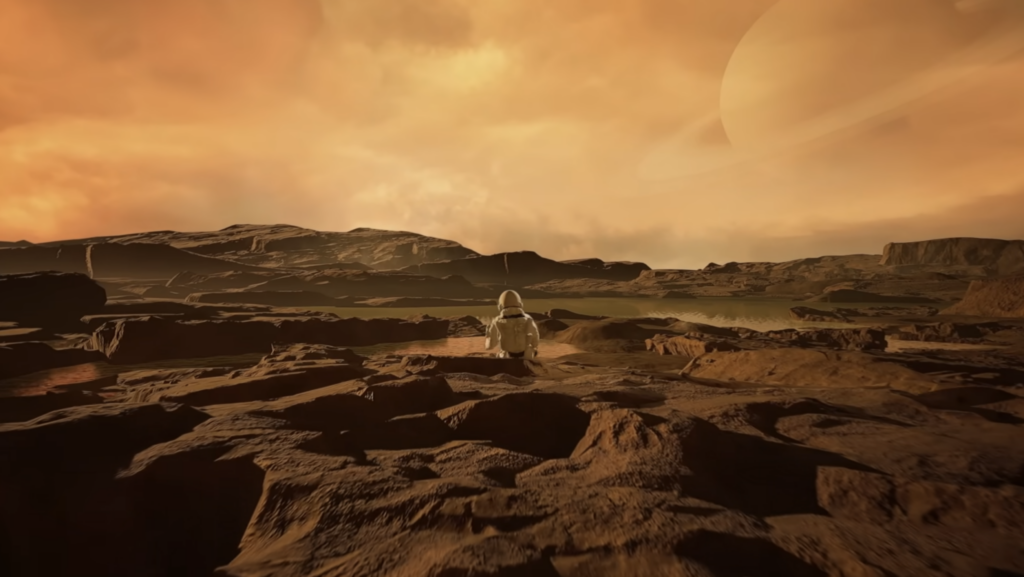
Titan is not exactly close to home. At its nearest point to Earth, it is still about 1.2 billion kilometers away. That means any trip there would take years rather than days.
A realistic mission would involve roughly seven years inside a spacecraft, depending on speed and trajectory. Seven years of relying on life support systems, shielding from radiation, and hoping nothing essential fails far from Earth.
After all that time, Saturn finally appears in the distance. A massive ringed world hanging in space like something out of a dream.
But you are not going to Saturn. You are heading for one of its moons.
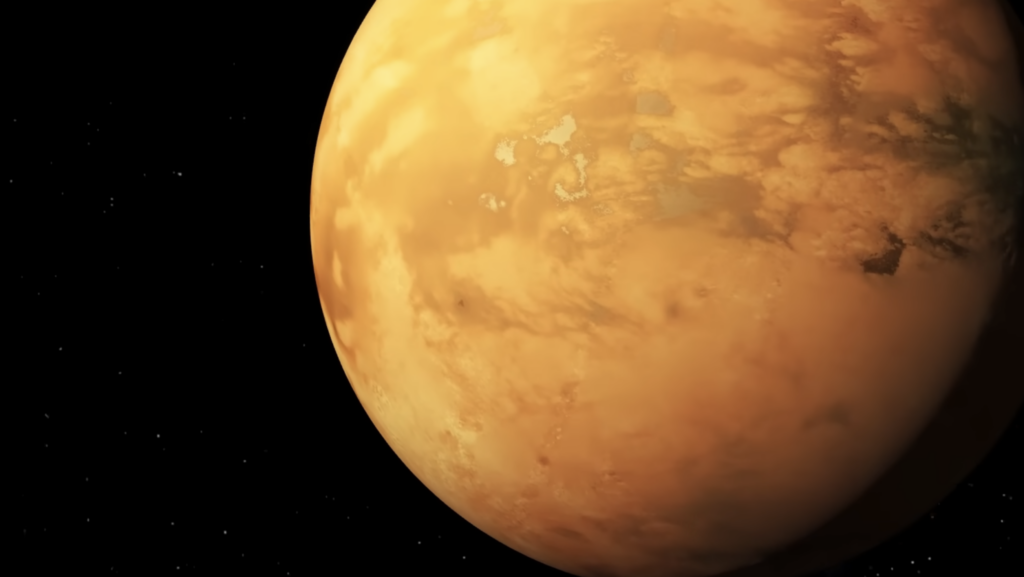
Titan is larger than Earth’s Moon and even bigger than Mercury. It is the only moon in the Solar System with a thick atmosphere, and the only known place outside Earth where stable liquid exists on the surface.
But again, this is not water. It is methane and ethane, forming rivers, lakes, and seas across a frozen alien landscape. The cycle there is surprisingly Earth like, with rain, evaporation, and clouds, but built from chemicals that would be deadly to us.
Descending through Titan’s atmosphere takes hours, and landing is not straightforward. Large areas of the surface are liquid, so a mistake in navigation could mean landing straight into a methane sea.
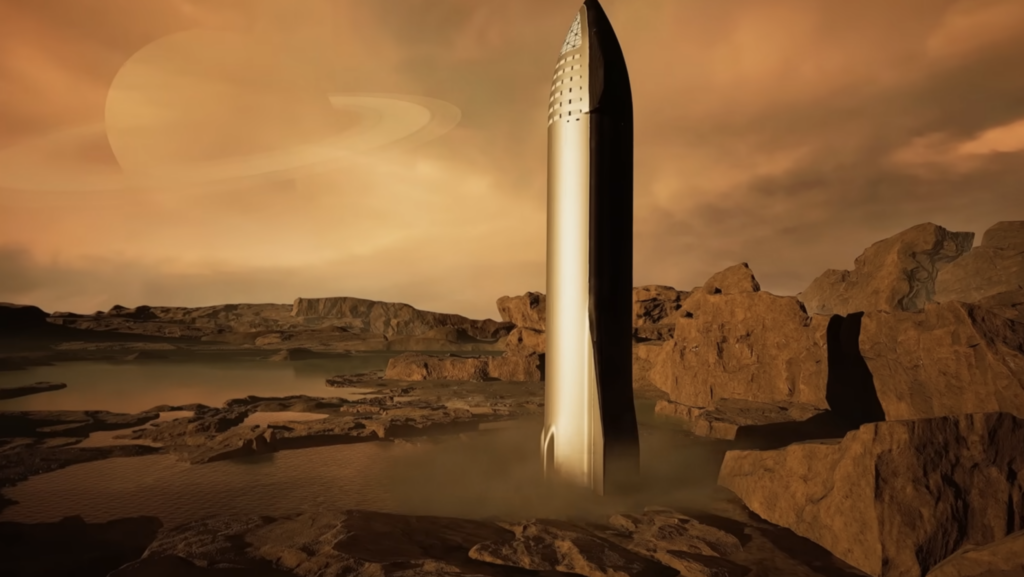
Once you finally arrive safely, the environment feels unreal. The temperature sits around minus 180 degrees Celsius, or about minus 290 degrees Fahrenheit. It is cold enough to freeze oxygen solid and turn familiar materials brittle.
Despite that extreme cold, Titan has one unusual advantage. Its gravity is only about 14 percent of Earth’s. You would feel almost weightless, able to move in slow, floating jumps across the surface.
The atmosphere is mostly nitrogen, similar to Earth, but the remaining portion is methane. That means you cannot breathe it at all. A full oxygen supply is absolutely necessary for survival.
Even the weather is alien. Methane rain falls from thick orange clouds, but it drifts down slowly rather than crashing to the ground. Low gravity and dense air turn every drop into a gentle descent rather than a storm.
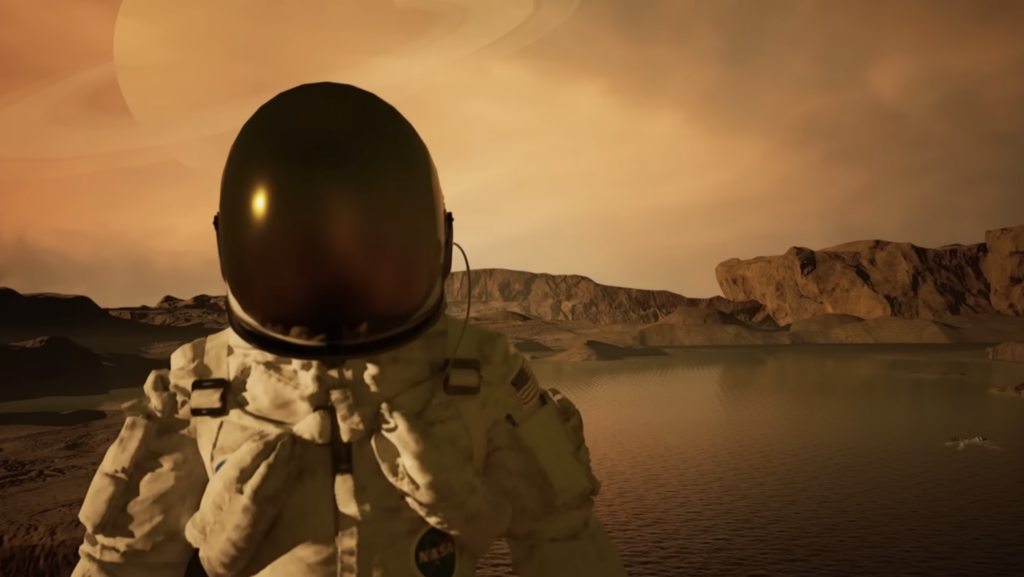
Then comes the lake.
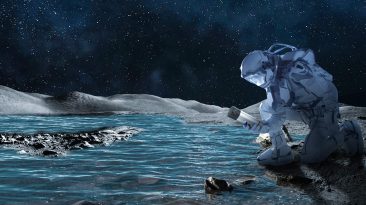
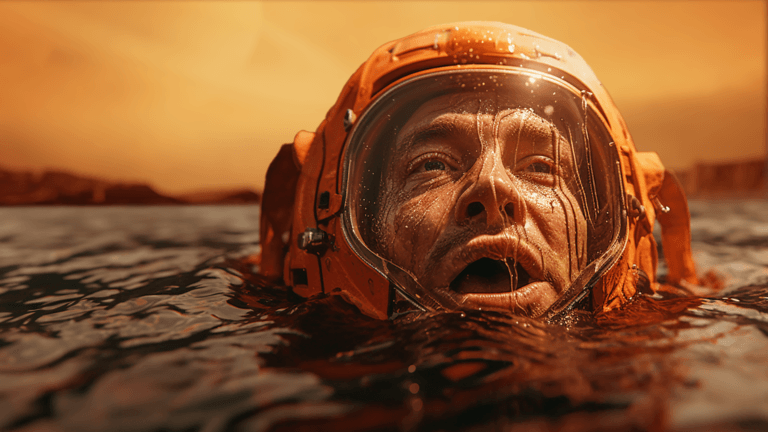
A five second dip into liquid methane on Titan is not like swimming on Earth. It is closer to entering a cryogenic chemical environment where normal biology stops functioning almost immediately.
Without protection, survival is measured in moments. The extreme cold would shut down the body almost instantly, followed quickly by oxygen loss.
With a suit, you gain only a small buffer. The liquid behaves differently from water, and the temperature pushes materials to their limits. Even brief exposure is a serious engineering challenge.
And yet, for five seconds, you would be inside one of the most alien environments in the Solar System, touching a world where chemistry replaces biology and nothing behaves the way you expect.