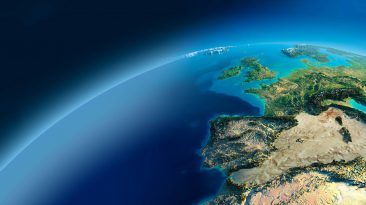
Global sea levels have already risen by about 20 cm (8 inches) since the mid 1800s, although the increase has not been the same everywhere. While that may sound minor, it represents an enormous amount of water added to the world’s oceans as glaciers and ice sheets have slowly melted over time.
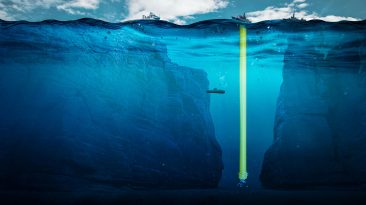
Scientists have long warned that continued warming could dramatically speed up this process. In one worst case scenario, the collapse of major ice sheets in Antarctica would trigger rapid sea level rise, forcing millions of people living along coastlines to relocate and leaving entire regions underwater.
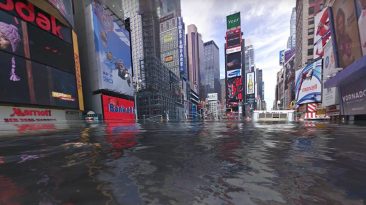
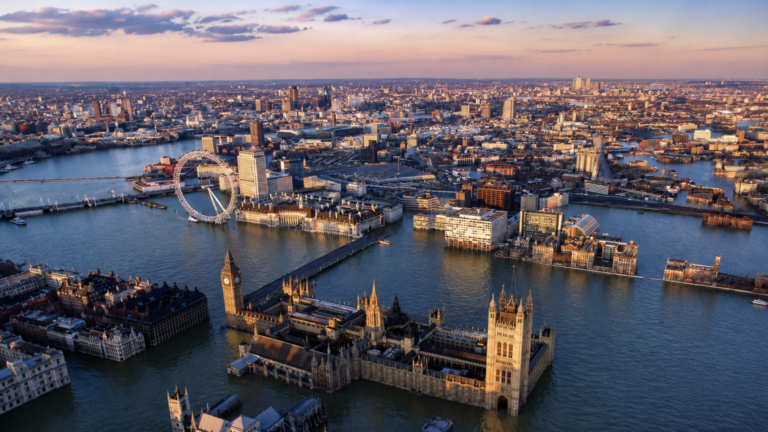
If every glacier and ice sheet on Earth melted, sea levels would climb by more than 70 meters (230 feet). Coastlines would be completely redrawn, and many of the world’s largest cities would disappear beneath the ocean. Here’s how several famous locations would look in this extreme scenario.
New York City, U.S.
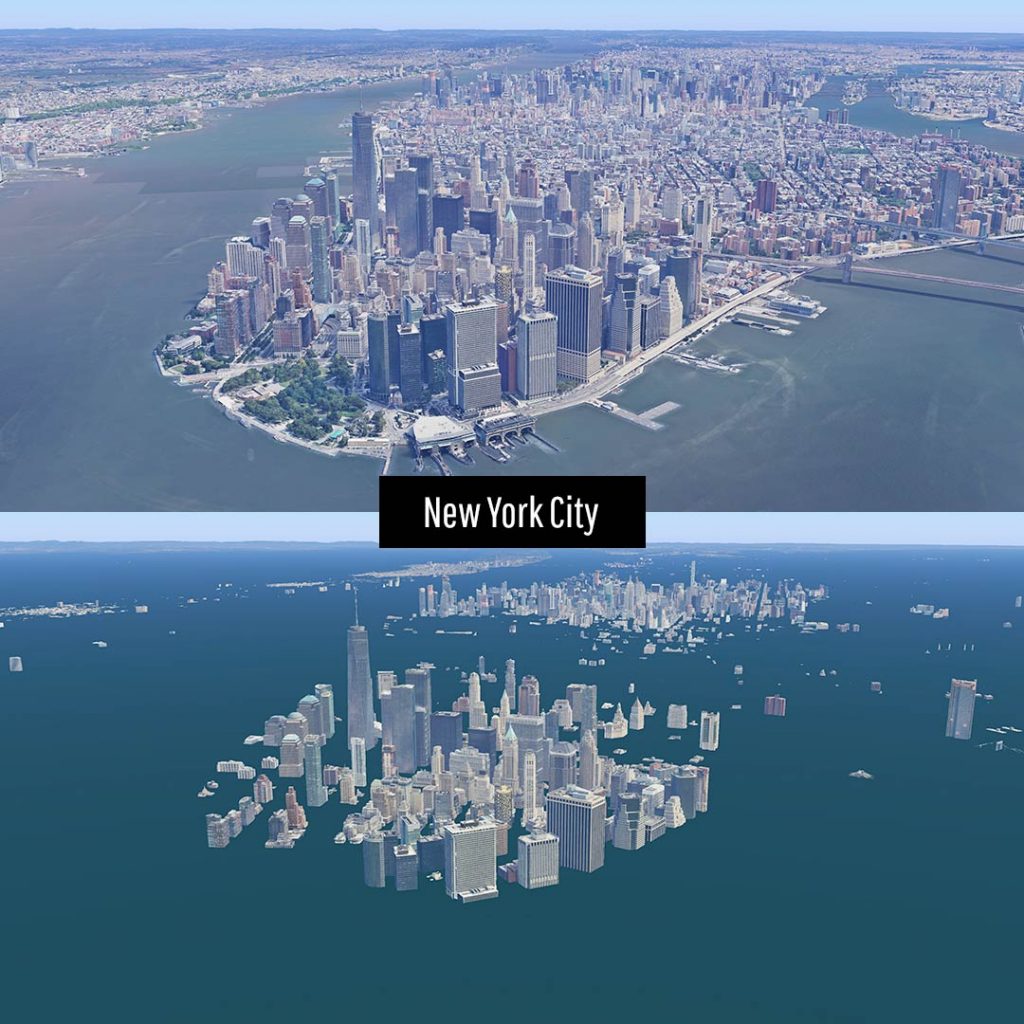
Along the eastern coast of the United States, New York would experience roughly 66 meters (216 feet) of sea level rise. Skyscrapers like the Empire State Building would still tower above the water, but much of the city below would vanish beneath the ocean. Neighborhoods, roads, and landmarks that millions call home would simply no longer exist.
Montreal, Canada
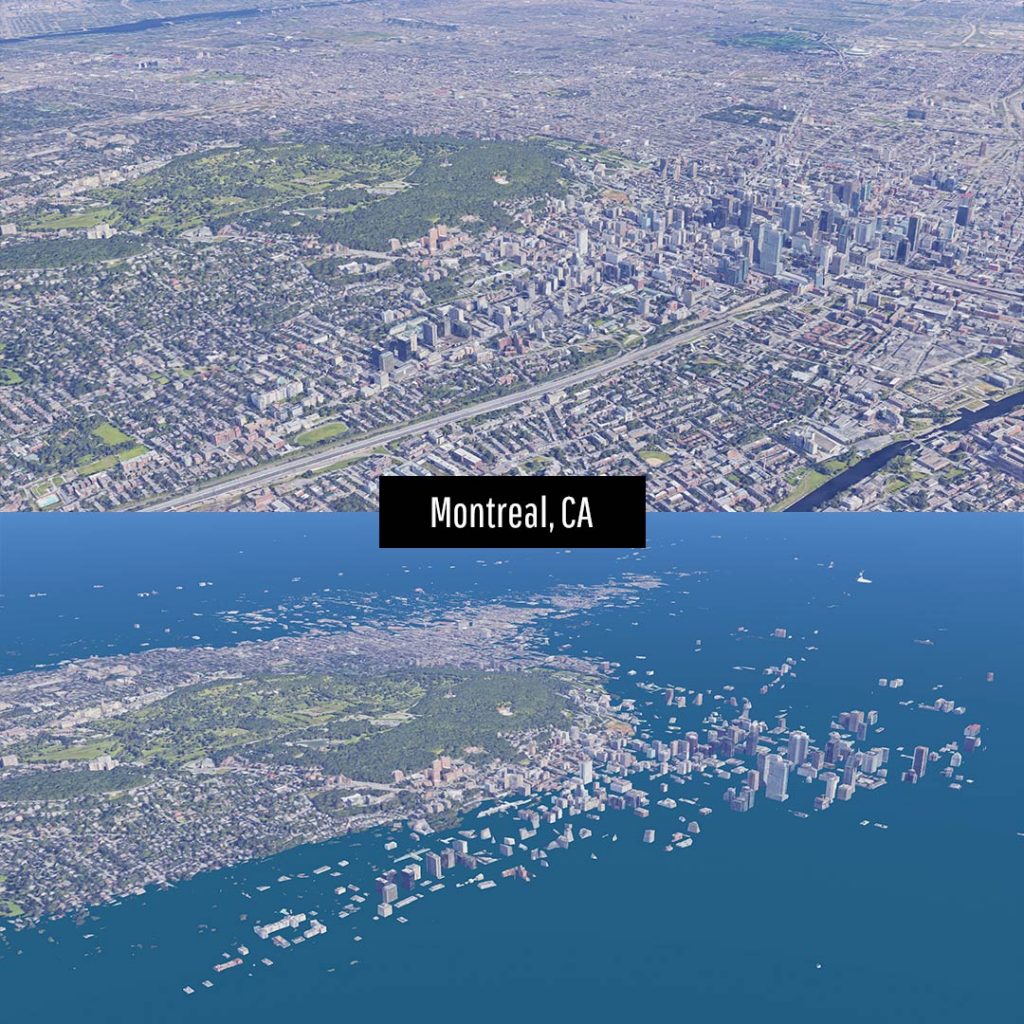
Montreal would no longer function as one connected city. Most low lying districts would disappear beneath the water, leaving only scattered islands behind. While some higher ground could remain above sea level, much of the surrounding region would be permanently flooded. Florida, meanwhile, would almost completely disappear.
Los Angeles, United States
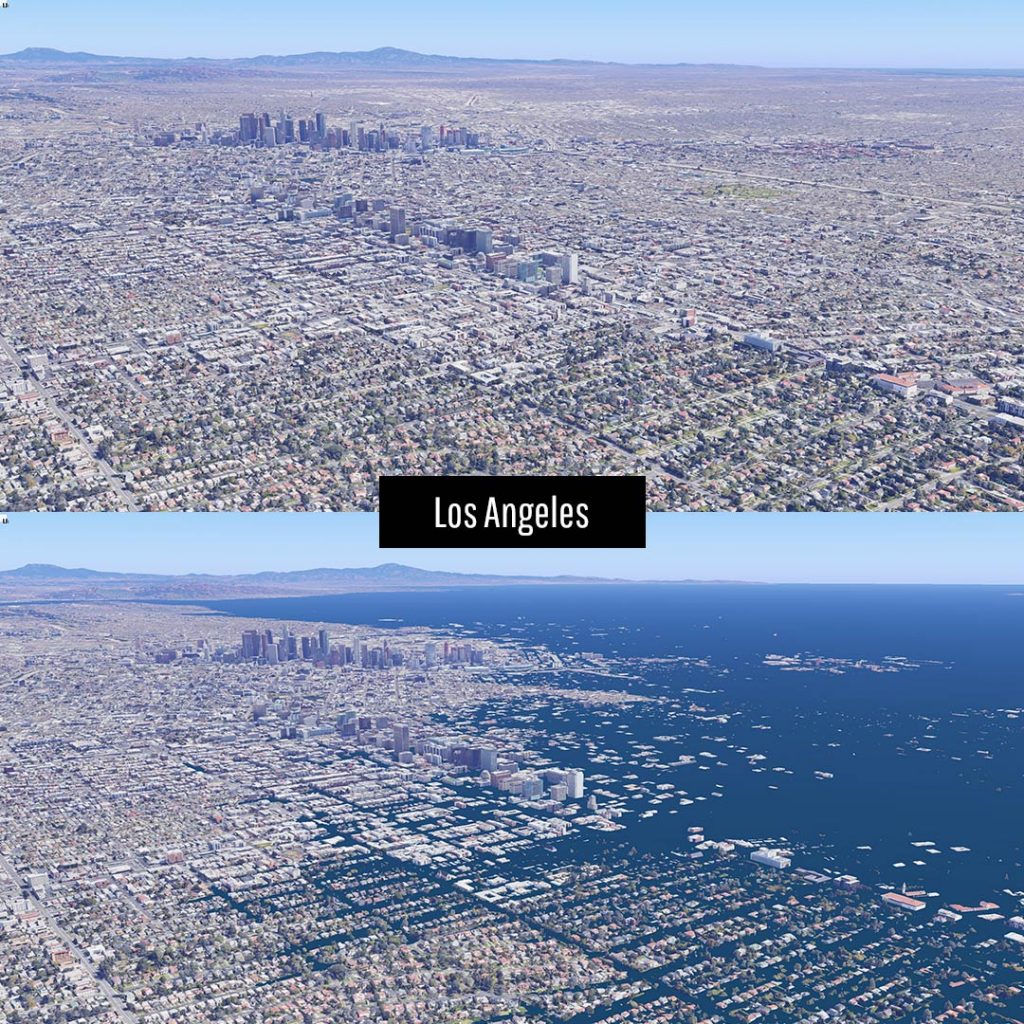
The famous Hollywood sign sits high on Mount Lee, allowing it to survive while much of Los Angeles sinks below the rising Pacific Ocean. Millions of homes spread across the basin would be submerged, transforming one of America’s largest cities into a collection of flooded valleys and isolated hills.
Manchester, United Kingdom
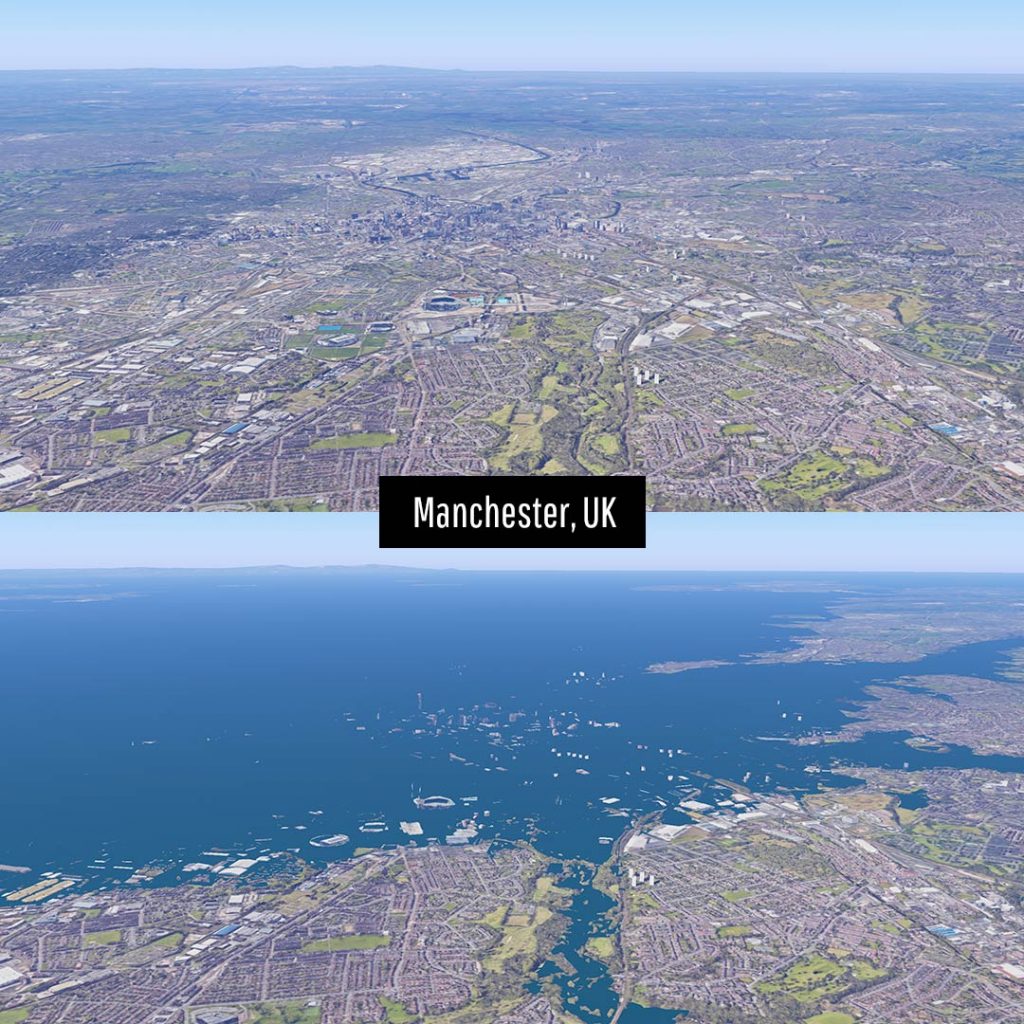
Thousands of years ago, Manchester was buried beneath massive glaciers during the last Ice Age. In this future, it would face the opposite problem. As sea levels surged, large parts of northwest England would flood, leaving the city surrounded by water and dramatically altering the region forever.
Berlin, Germany
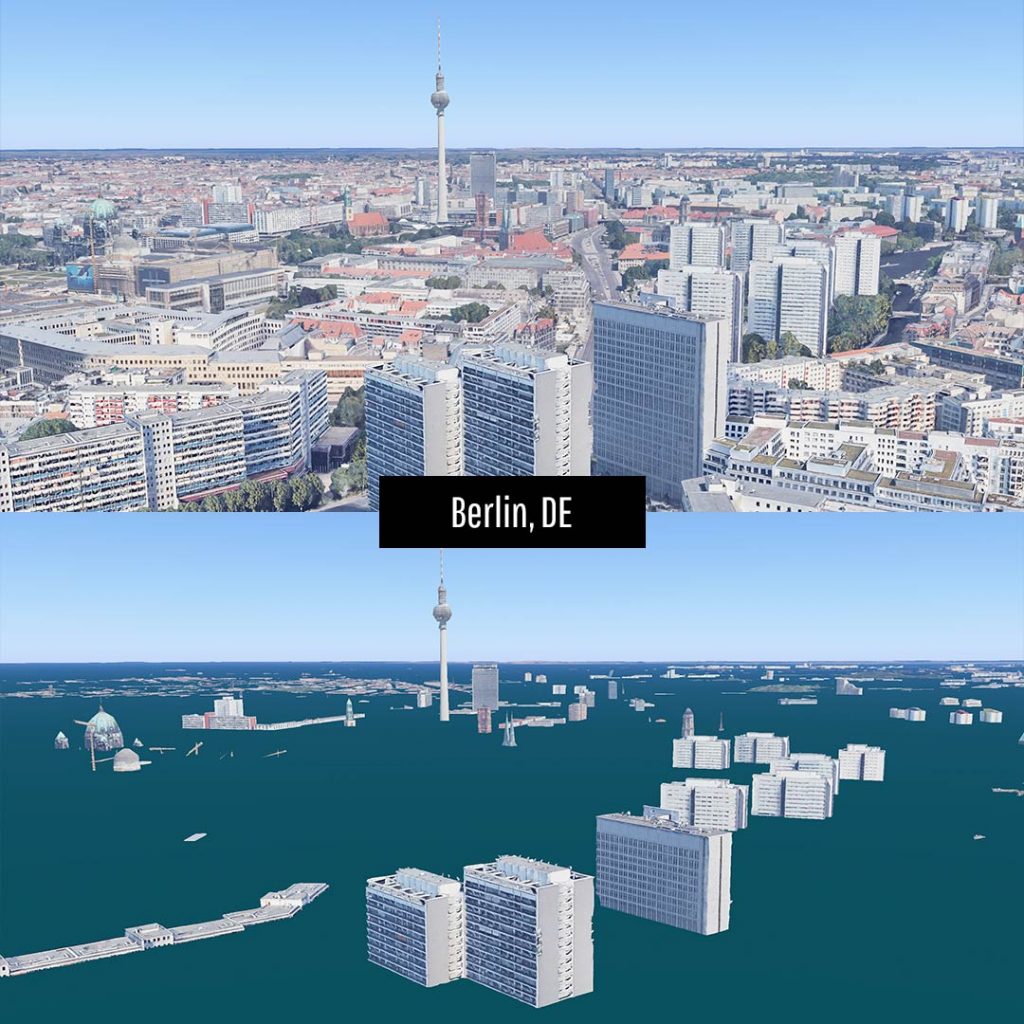
Germany’s coastline would shift hundreds of kilometers inland if every ice sheet melted. Berlin, despite being far from today’s shoreline, would end up underwater as the advancing sea consumed much of northern Germany. No flood barrier could stop such an overwhelming rise.
Venice, Italy
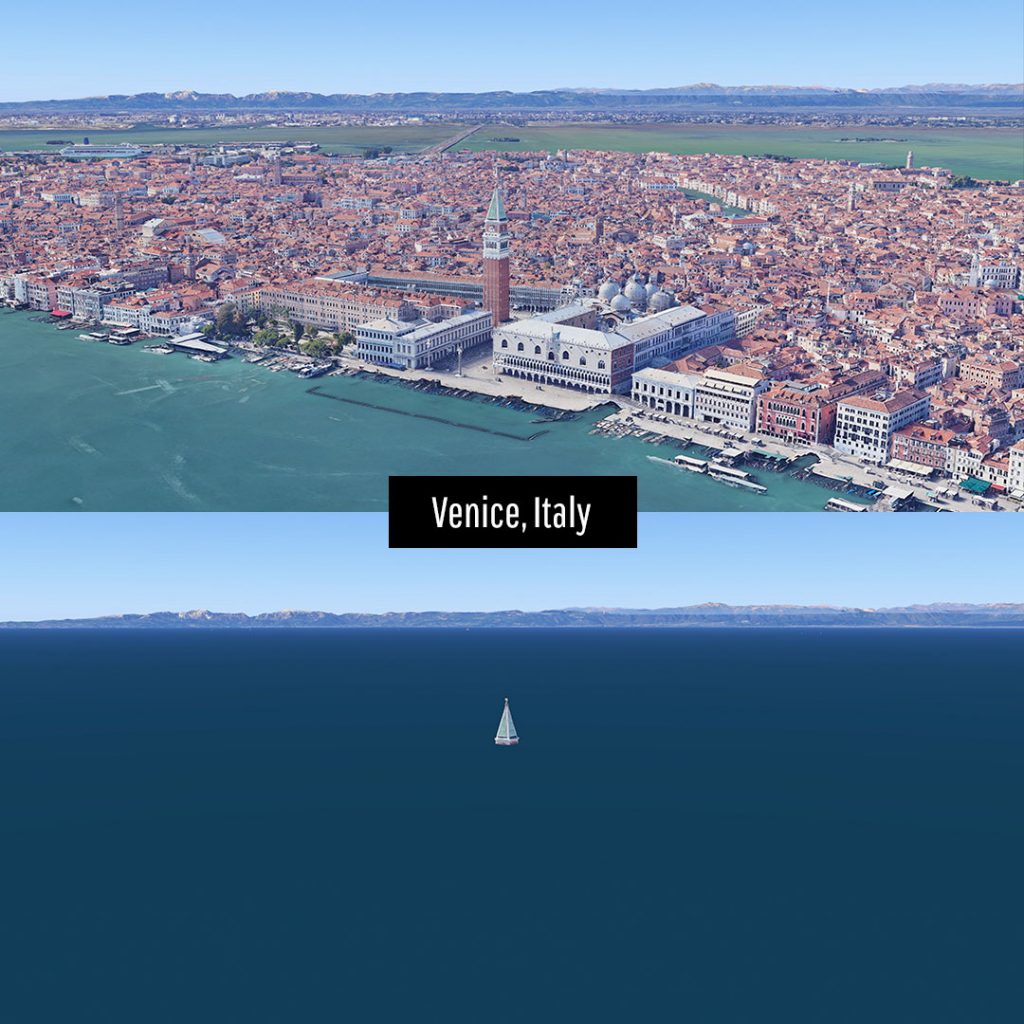
Venice already struggles with seasonal flooding known as Acqua Alta, and those events have become far more frequent over the past century. In a world where all of Earth’s ice has melted, those temporary floods would become permanent, placing nearly the entire historic city beneath the sea.
Dhaka, Bangladesh
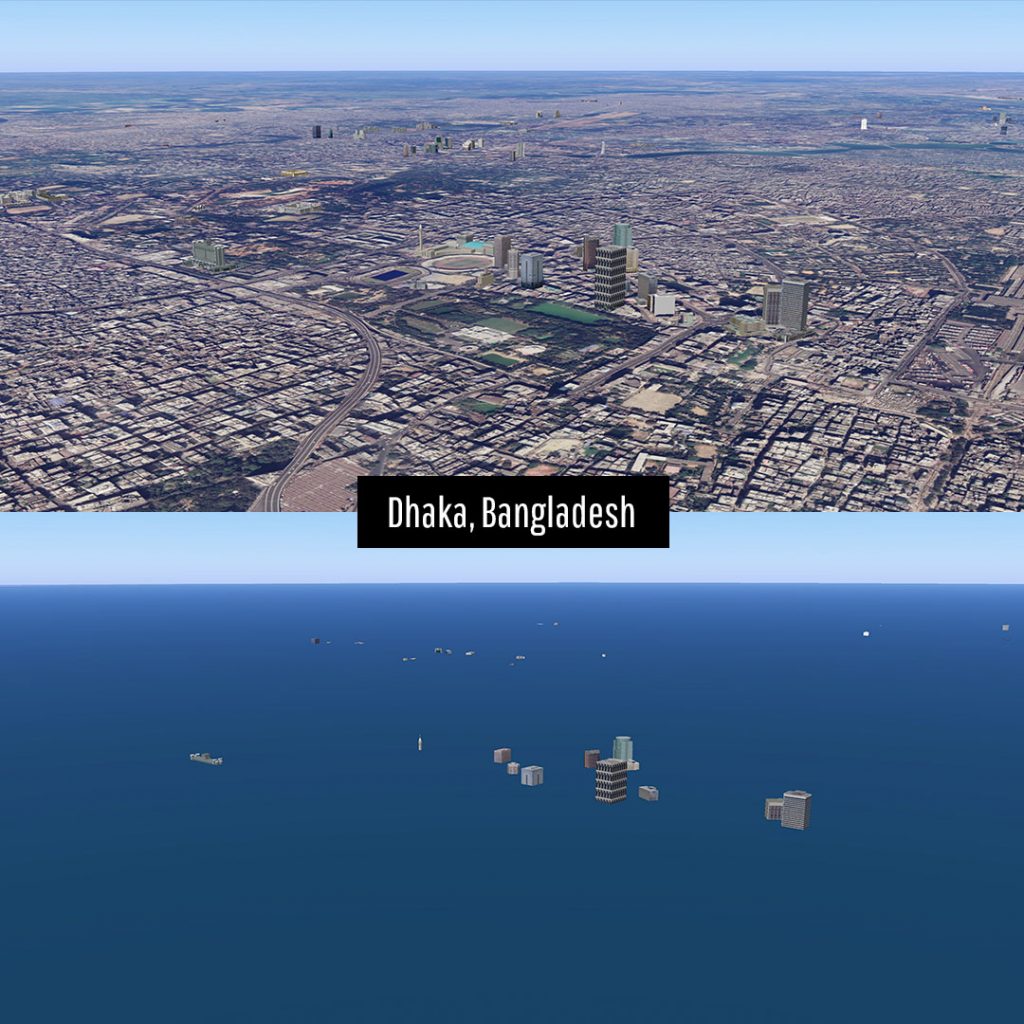
Bangladesh is among the countries most vulnerable to rising seas even today. In this extreme future, the capital of Dhaka and vast areas of the country would be submerged, displacing millions of people and permanently changing the geography of South Asia.
Manila, Philippines
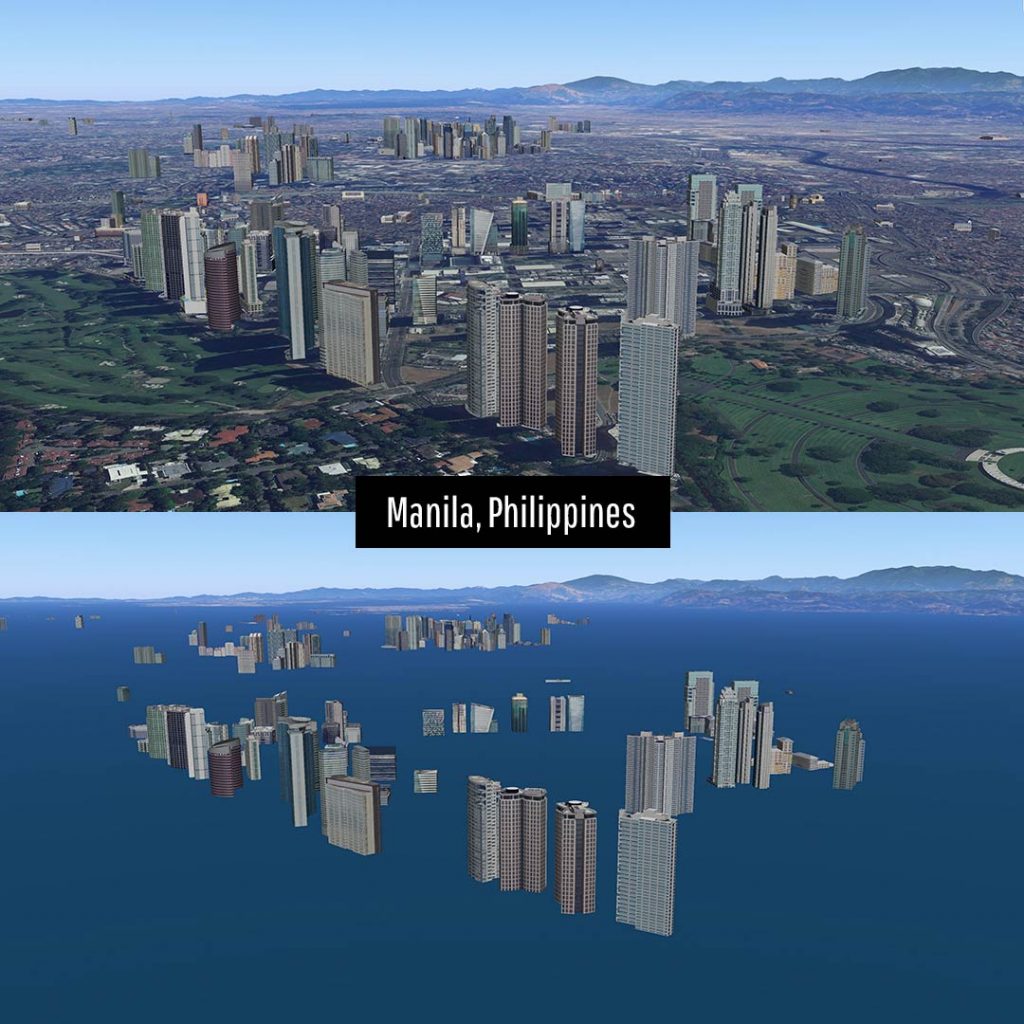
Manila has already experienced land sinking caused by excessive groundwater extraction while sea levels continue to rise. If every glacier disappeared, the Philippine capital would be completely overwhelmed by the Pacific Ocean, with the entire metropolitan area ending up underwater.
Washington D.C., United States
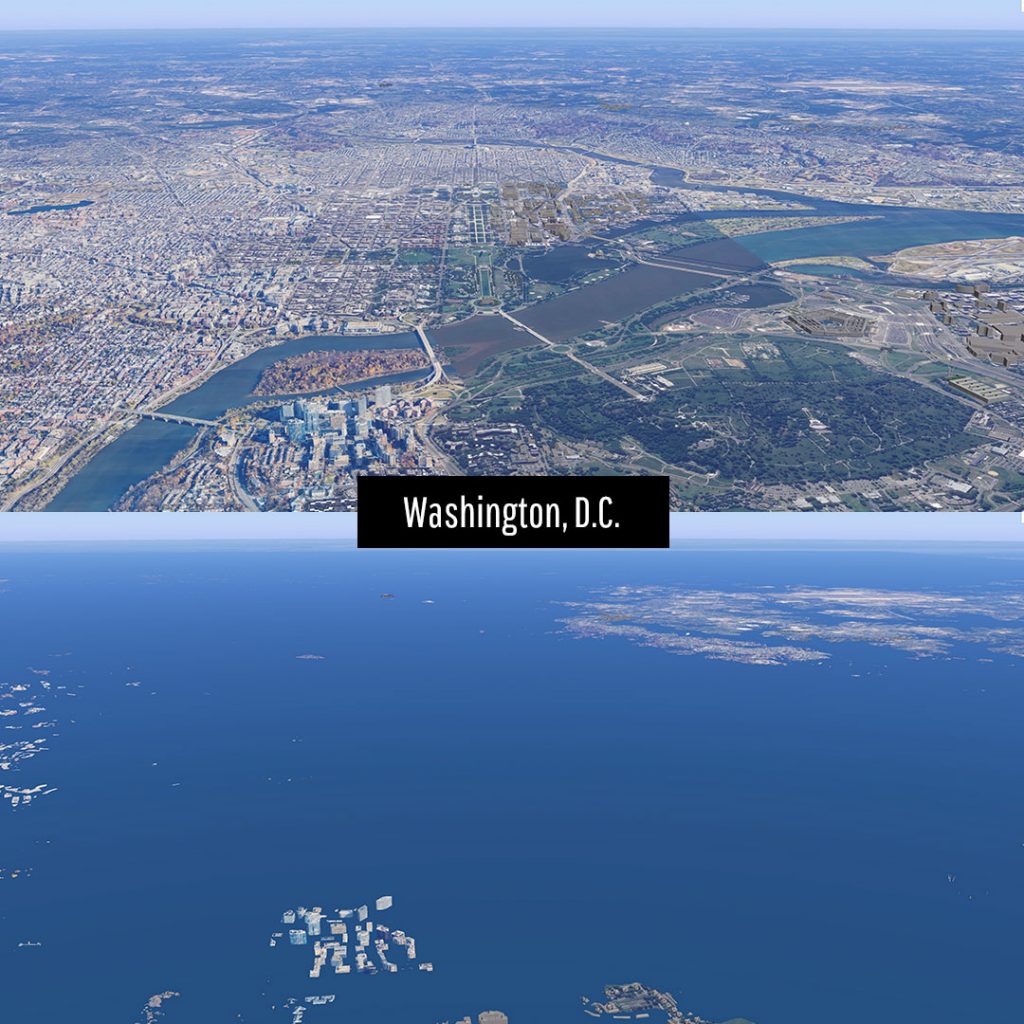
Climate projections already suggest rivers around Washington, D.C. could rise several meters over the coming century. With more than 70 meters of global sea level rise, the nation’s capital would become a coastal city. Many iconic landmarks, government buildings, and neighborhoods would disappear beneath the Atlantic.
Paris, France
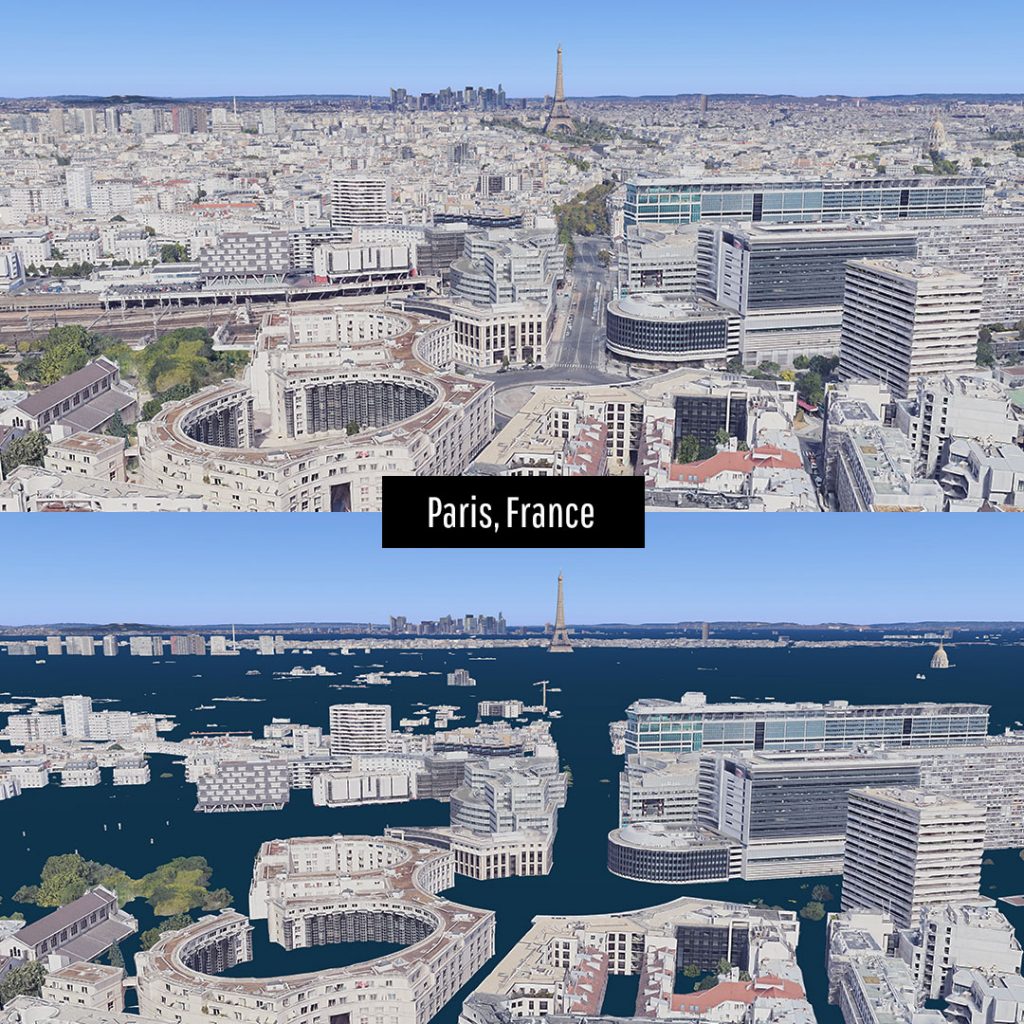
Paris experienced devastating flooding in 1910 when parts of the city remained underwater for weeks. That historic event would pale in comparison to a world without ice sheets. As the Seine overflowed and sea levels continued rising, much of the French capital would eventually be claimed by water.