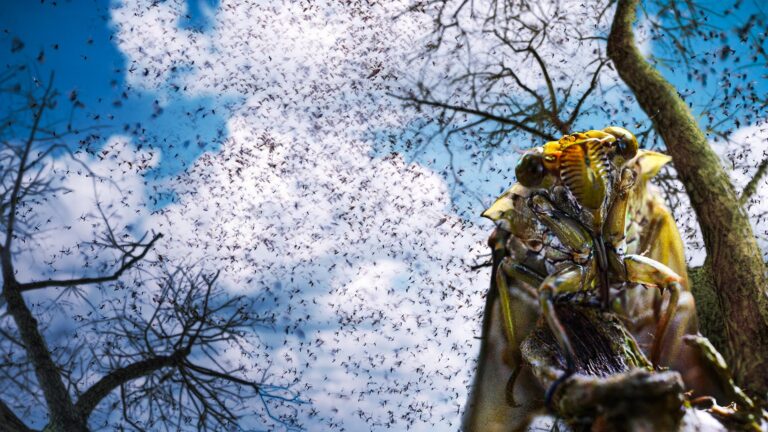
For the first time in 17 years, billions of cicadas are crawling out of the ground across parts of the United States. Their sudden appearance may look like the beginning of a massive insect invasion, but these creatures are not here to destroy crops or attack humans. Instead, they are following one of the strangest life cycles in the natural world.
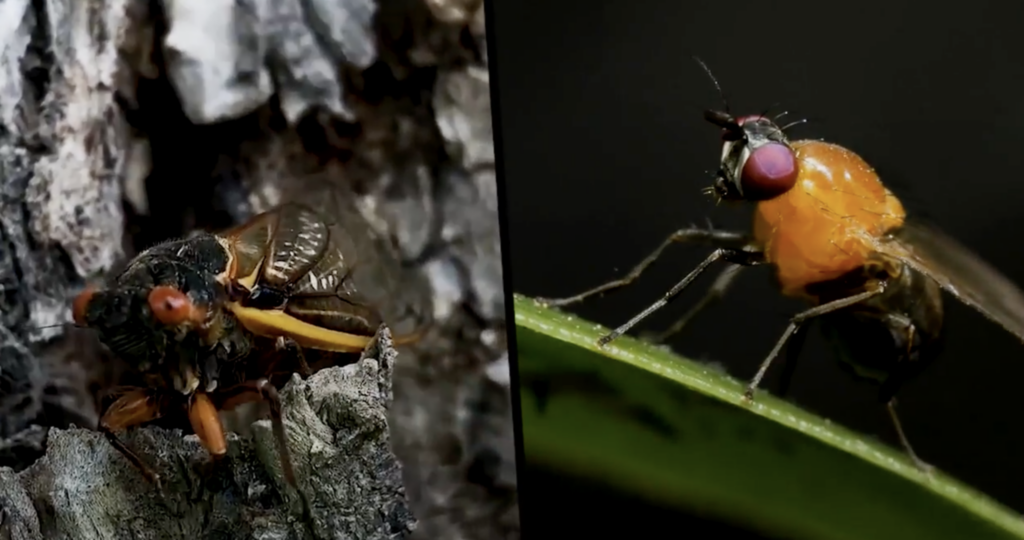
You might mistake a cicada for a fly, a locust or even a creature from a monster movie, but this unique insect is in a category of its own. While their appearance can be surprising, most people recognize them by their unforgettable sound.
Male cicadas produce loud mating calls that create the famous summer buzzing heard across many regions. These sounds can reach around 100 decibels, which is similar to standing near a running chainsaw.
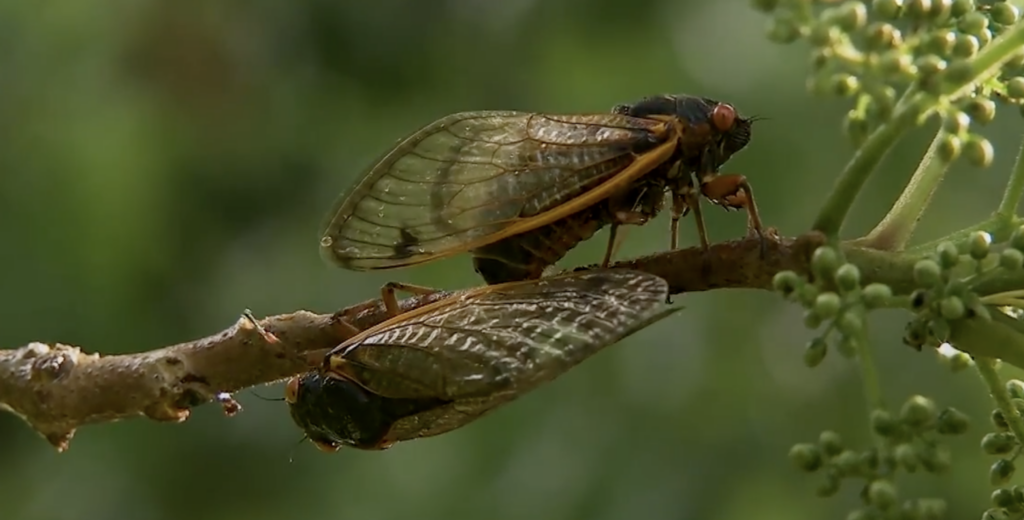
The massive wave of insects belongs to Brood X, one of the largest groups of periodical cicadas in the United States. After spending nearly two decades hidden underground, billions of these insects are finally emerging to complete the next stage of their life cycle.
Despite their intimidating numbers, cicadas are often misunderstood because they are confused with locusts. Early European settlers even called them locusts because of their sudden appearances, but the two insects are completely different.
Locusts are a type of grasshopper known for traveling in enormous swarms and destroying crops. Cicadas, however, do not behave this way. They are weak flyers, usually travel only short distances and do not feed on plants in a way that threatens gardens or farms.
The life of a periodical cicada is one of the longest among insects. Depending on the species, they spend either 13 or 17 years underground before emerging, although scientists still do not fully understand why they follow these unusual timelines.
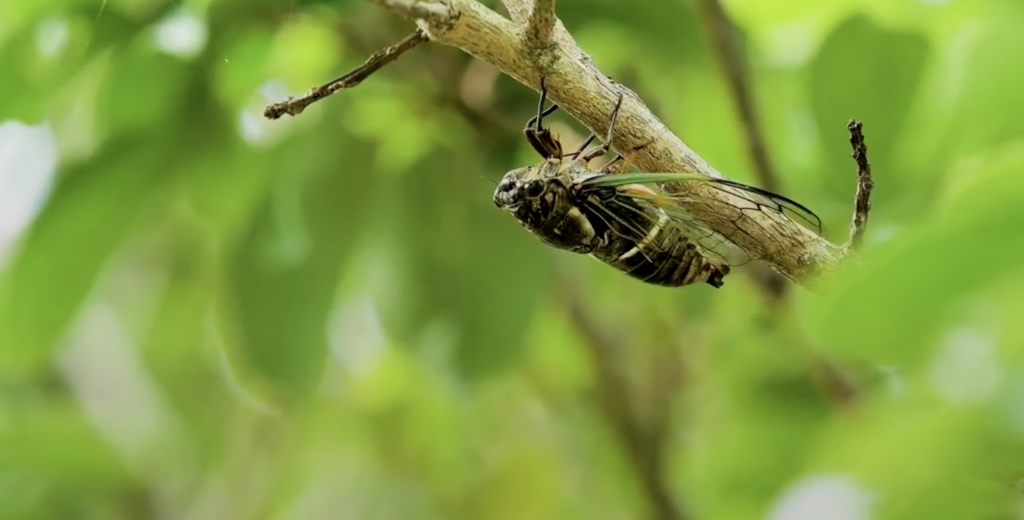
For most of their lives, cicadas remain hidden beneath the soil, where they feed on fluids from tree roots. Almost their entire existence happens underground, with only a few weeks spent above the surface.
When the time is right, billions of cicadas emerge during spring and transform the landscape. They climb trees, shed their old skin, develop their wings and begin searching for mates.
After mating, females lay their eggs inside tree branches. Once the eggs hatch, young cicadas drop to the ground, burrow underground and begin the same 17 year cycle all over again.
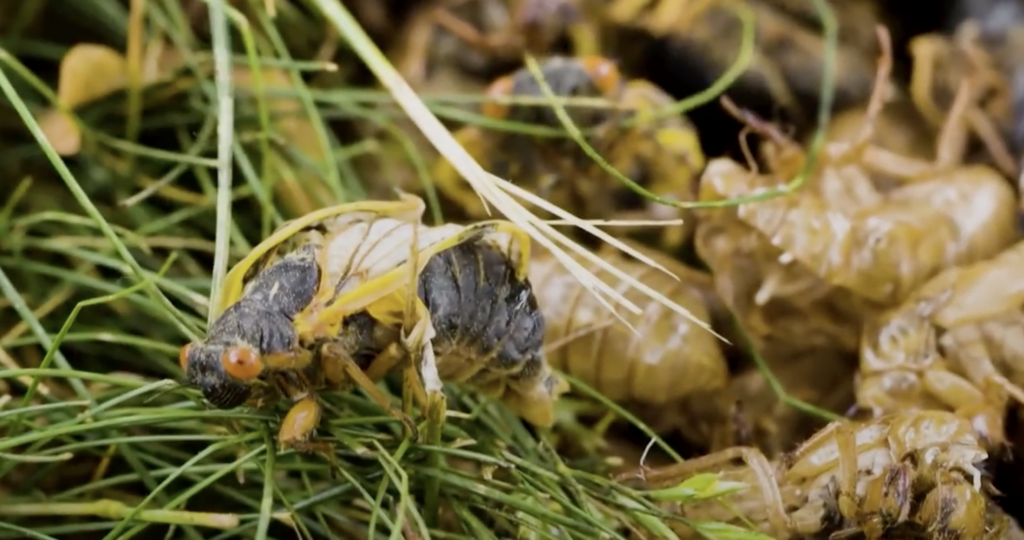
Brood X cicadas began their underground journey in 2004, when Facebook had just launched and Twitter did not exist yet. After two decades of waiting, they are now appearing across multiple U.S. states in numbers that can reach 1.5 million insects per acre.
The emergence may seem overwhelming, but it will not last forever. Most of these cicadas will complete their short aboveground life and disappear by late summer, leaving behind massive numbers of empty shells and insect remains.
While many people will simply clean up the fallen cicadas, others will use them as compost because their bodies return valuable nutrients to the soil. A small number of adventurous people even eat them, with some describing their flavor as similar to seafood and calling them the “shrimp of the dirt.”
Although billions of cicadas may temporarily take over forests and neighborhoods, they are not dangerous. They do not attack people, they do not destroy gardens and they play an important role in the ecosystem by providing food for birds and other animals.
The biggest challenge they bring is the noise. For a few weeks, their powerful mating calls will dominate the landscape, creating one of nature’s most unusual events. After 17 years underground, the cicadas have finally arrived, and the world above them will never sound quite the same.