Finding a spider inside your car is already an unpleasant surprise. But imagine opening the hood and discovering a massive 1.5 meter monitor lizard hiding underneath. For many people in Thailand, encounters with these giant reptiles are becoming an unusual part of everyday life.
Monitor lizards have been spotted wandering through neighborhoods, climbing into yards, searching through garbage bins, and even entering stores. These powerful reptiles do not seem bothered by busy cities, and some have become internet sensations after surprising shoppers and residents.
The Giant Lizards Moving Into Cities
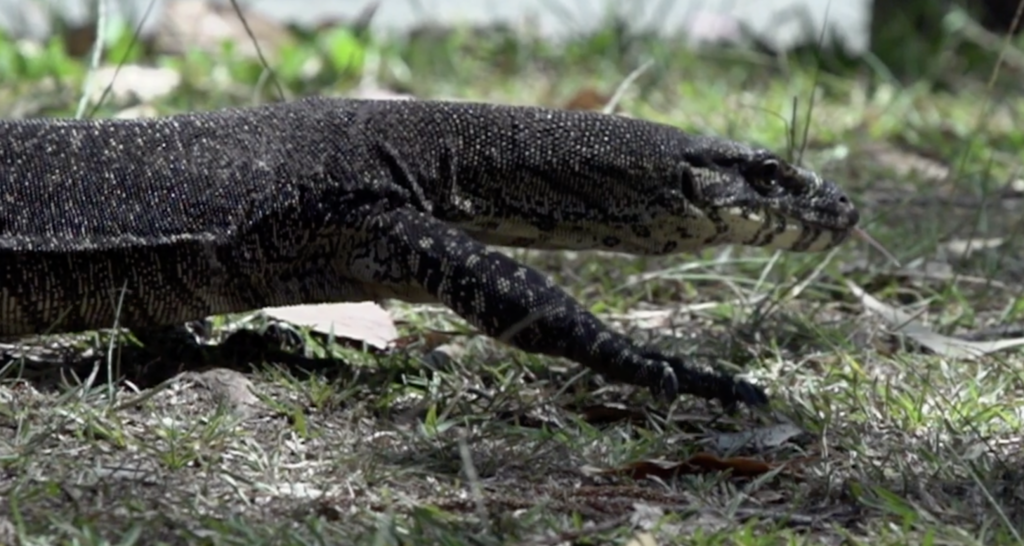
Thailand is home to the Asian water monitor, one of the largest lizards in the world. These reptiles can grow several meters long and are known for their muscular bodies, sharp claws, powerful tails, and long flexible necks.
They are also among the most intelligent reptiles on Earth. Monitor lizards can learn from their surroundings, solve problems, and adapt to new environments better than many other reptiles.
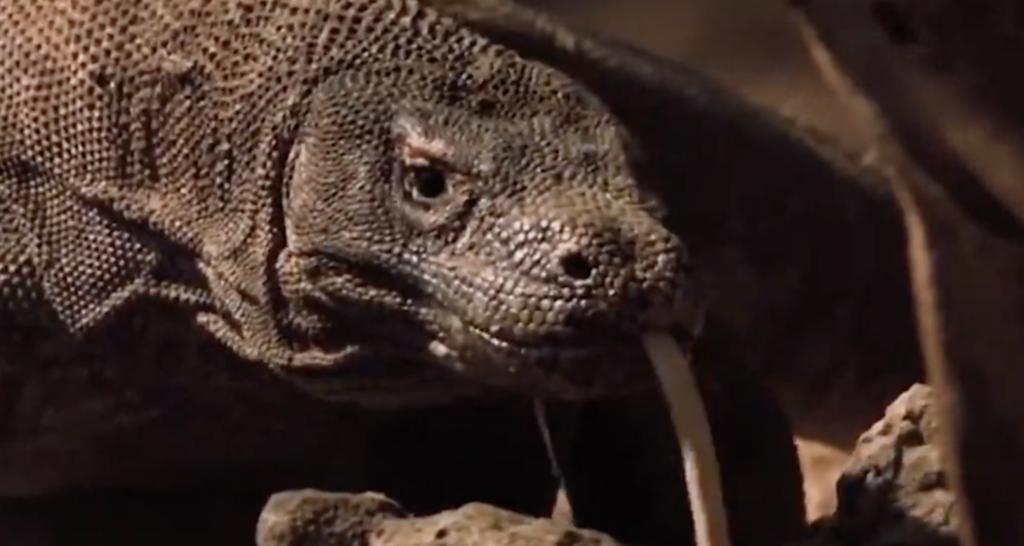
Most monitor lizards are hunters and scavengers. Their diet usually includes rodents, snakes, fish, insects, and smaller reptiles. While the famous Komodo dragon can take down much larger prey, other monitor species generally avoid dangerous encounters with humans.
Why Are They Appearing in Human Areas?
Monitor lizards normally live near rivers, wetlands, forests, and coastal areas. Asian water monitors especially prefer warm, humid environments with access to water. However, as cities expand, these reptiles are losing more of their natural habitats.
New buildings, roads, and developments have replaced many areas where monitor lizards once searched for food and shelter. With fewer wild spaces available, some have started exploring human neighborhoods instead.
Cities can accidentally provide everything these reptiles need. Garbage bins contain leftover food, drainage systems provide hiding places, and buildings can offer protection from extreme weather.
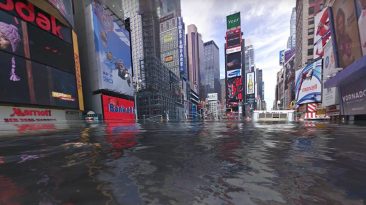
Climate change may also be playing a role. Strong floods, heat waves, and unusual weather conditions can force monitor lizards to leave their normal habitats and search for safer places.
Are Monitor Lizards Dangerous?
Despite their intimidating appearance, monitor lizards are usually shy animals that prefer avoiding people. They are not naturally aggressive and typically run away when they feel threatened.
However, they should never be approached or disturbed. A frightened monitor lizard can defend itself using powerful jaws, sharp teeth, strong claws, and a tail capable of delivering painful strikes.
The safest response is to give these animals plenty of space. They are wild creatures simply trying to survive in an environment that is changing around them.
More Than Just City Survivors
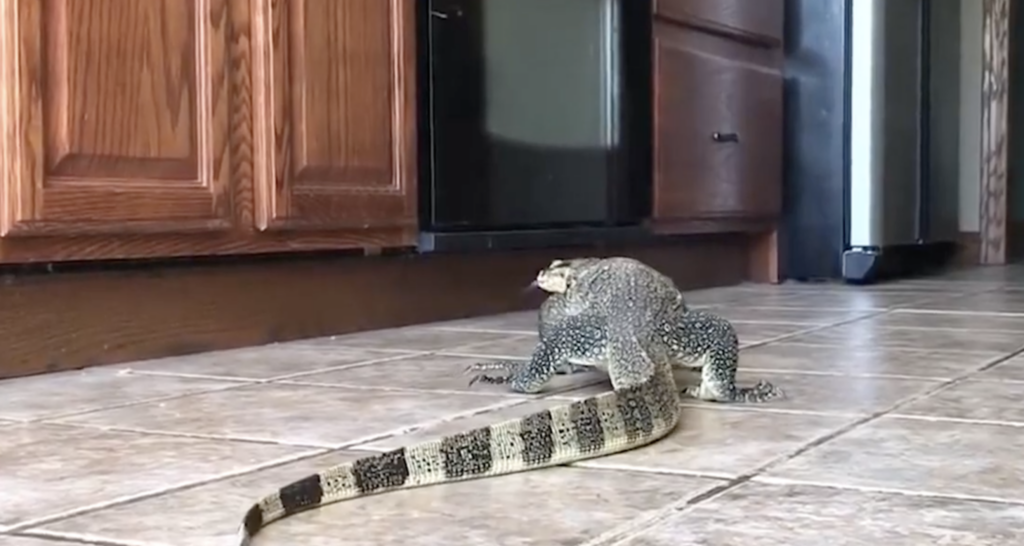
Monitor lizards play an important role in their ecosystems. They help control populations of smaller animals and remove dead organisms through scavenging. Their underground burrows can also become shelters for other species looking for protection.
When these reptiles disappear from natural habitats, the effects can spread throughout the entire ecosystem. Protecting their environment benefits not only monitor lizards but many other creatures that depend on the same habitats.
The Lizards Believed to Bring Luck
Although some people fear monitor lizards, others see them as special animals connected to fortune and tradition. In some parts of Thailand, people throw coins toward these reptiles as a symbol of good luck.
The practice originally began as a way to scare lizards away from homes, but over time it became associated with positive fortune. Some people even believe encounters with these animals can bring unexpected opportunities.
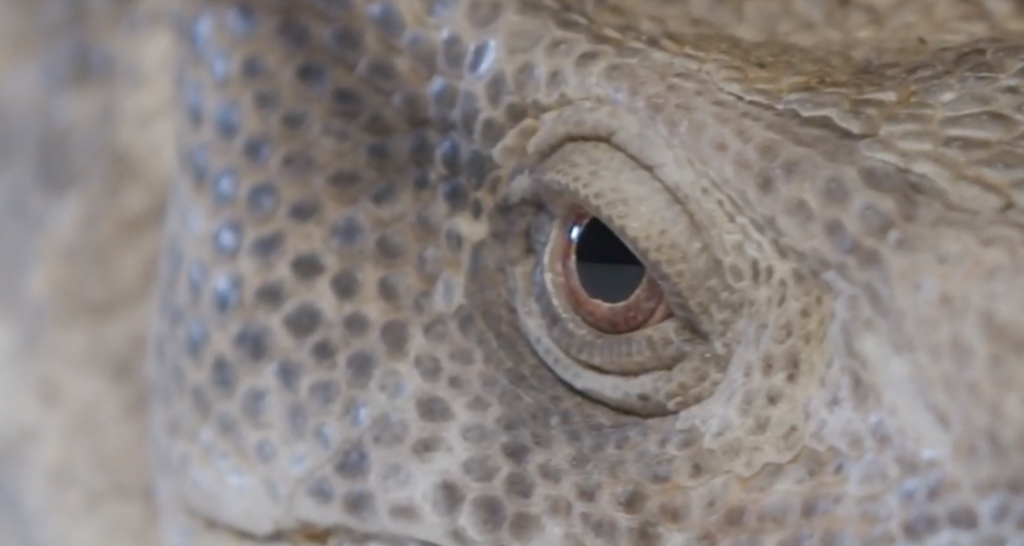
There have also been unusual stories of people believing monitor lizards carried spiritual connections. In one famous case, a family believed a lizard was linked to a deceased relative, leading visitors to gather around the animal hoping for good fortune.
A Wild Neighbor in a Changing World
Monitor lizards are not invading cities because they want to cause trouble. They are adapting to a world where their natural habitats are shrinking and human environments are becoming impossible to ignore.
They may surprise shoppers, hide under cars, or search through trash, but these giant reptiles are simply trying to survive. Their unusual appearances in cities are a reminder that wildlife is often much closer than we think.