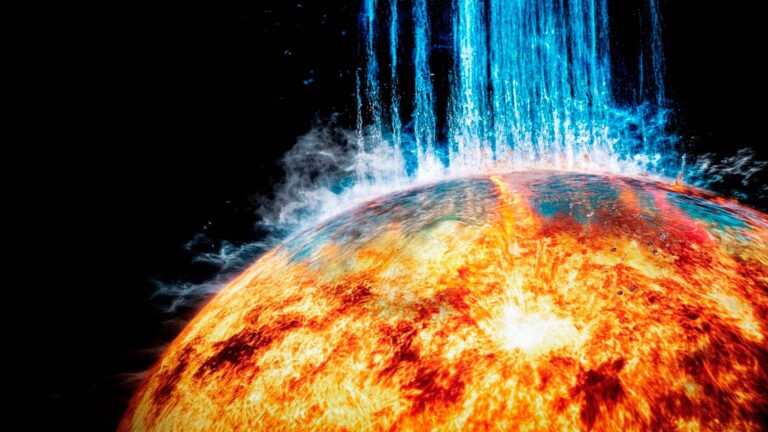
The planet is heating up and everyone is looking for a solution, so here is one that sounds almost reasonable at first. Take every drop of water on Earth and dump it on the Sun.
Water puts out fire. The Sun is fire. The logic writes itself.
Except the Sun does not burn the way a campfire burns, and pouring water onto it would achieve the exact opposite of what you intended.
1. The Sun Is Colossally Massive
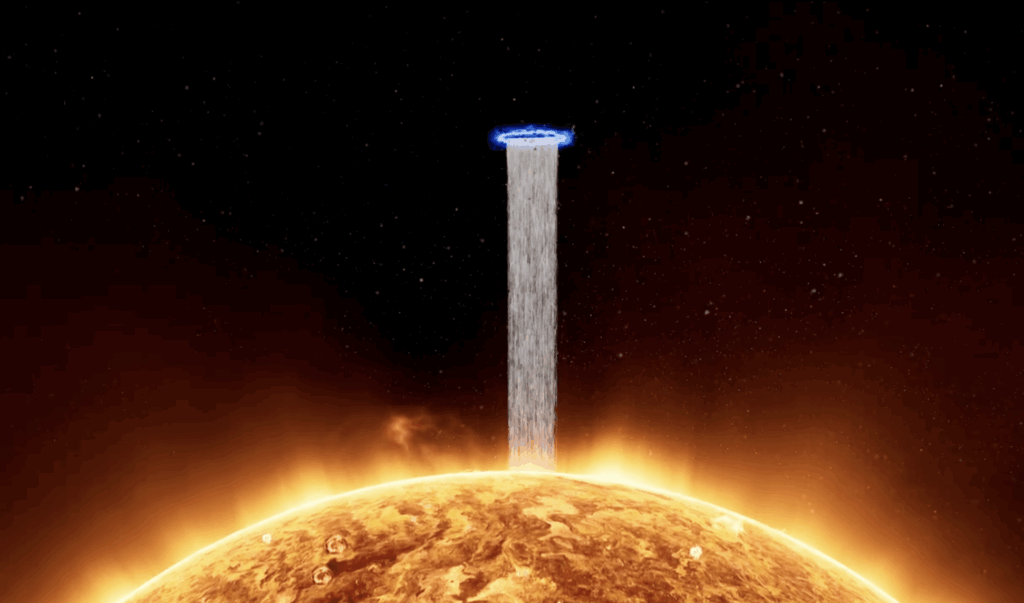
Our star is 1.3 million times the size of Earth, made mostly of hydrogen at around seventy percent and helium at twenty eight, with the remaining two percent covering elements like carbon, nitrogen, and oxygen.
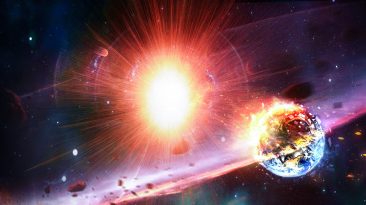
Its surface sits around 5,600 degrees Celsius, and every single second it releases energy equivalent to 15 billion atomic bombs.
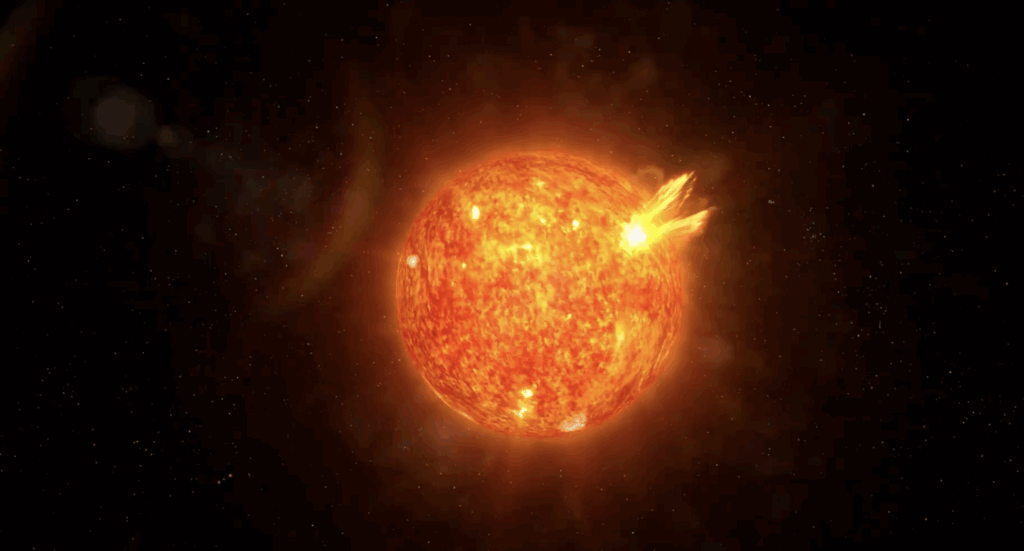
That is the fire we are supposedly extinguishing. Its gravity also holds every planet in orbit and shapes the entire Solar System, which makes any comparison to Earth feel almost pointless.
2. Distance Makes the Mission Nearly Impossible
The Sun sits roughly 150 million kilometers away, about 400 times farther than the Moon, while the entire circumference of Earth is only 40,000 kilometers.
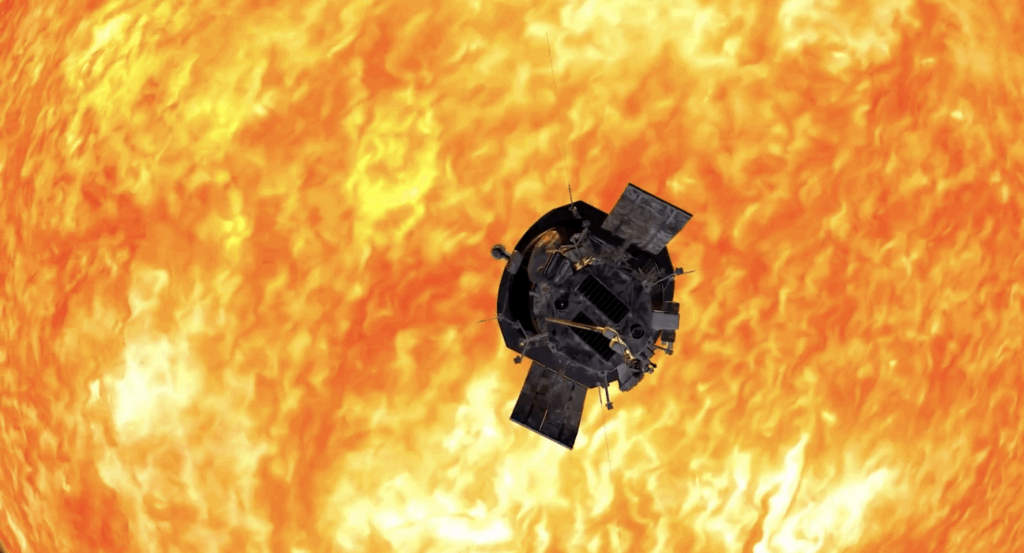
Getting there demands far more energy than sending spacecraft to Mars, and the journey exposes anything you send to intense radiation and solar wind capable of destroying it outright.
3. Global Warming Is Not the Sun’s Fault
The Sun is slowly heating up, but only by about one degree every 100 million years.
The actual cause of our overheating planet is human activity and carbon emissions, with greenhouse gases trapping heat in the atmosphere rather than any change in solar output. Adjusting the thermostat on the Sun would be solving a problem that does not exist.
4. The Scale of Earth’s Water Is Enormous
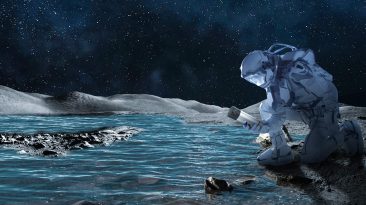
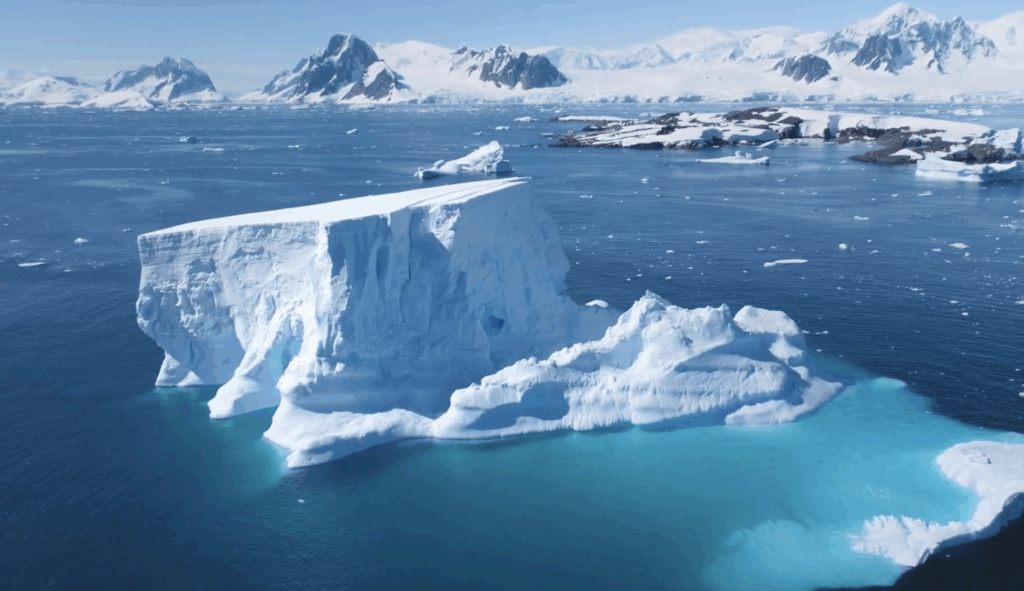
Water covers 71 percent of Earth’s surface, totaling roughly 1.3 billion cubic kilometers, or 554 trillion Olympic sized swimming pools.
Moving even one percent of that would outweigh every structure humans have ever built by orders of magnitude.
5. Launching Water Is Mind Bogglingly Complicated
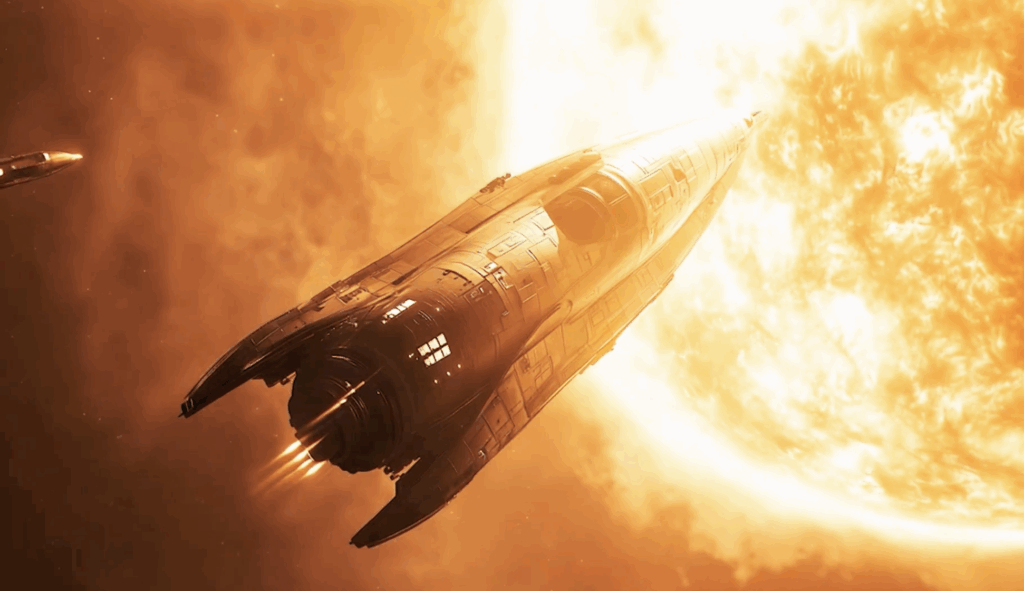
Sending a single glass of water there is already a monumental problem. The Parker Solar Probe, the closest spacecraft ever sent, only reached 6.2 million kilometers from the Sun.
Anything leaving Earth also has to account for our orbital speed of 107,000 kilometers per hour, demanding precise maneuvers and enormous energy. Any deviation and your water sails off into space, gone permanently.
6. Scaling Up Makes It Totally Unrealistic
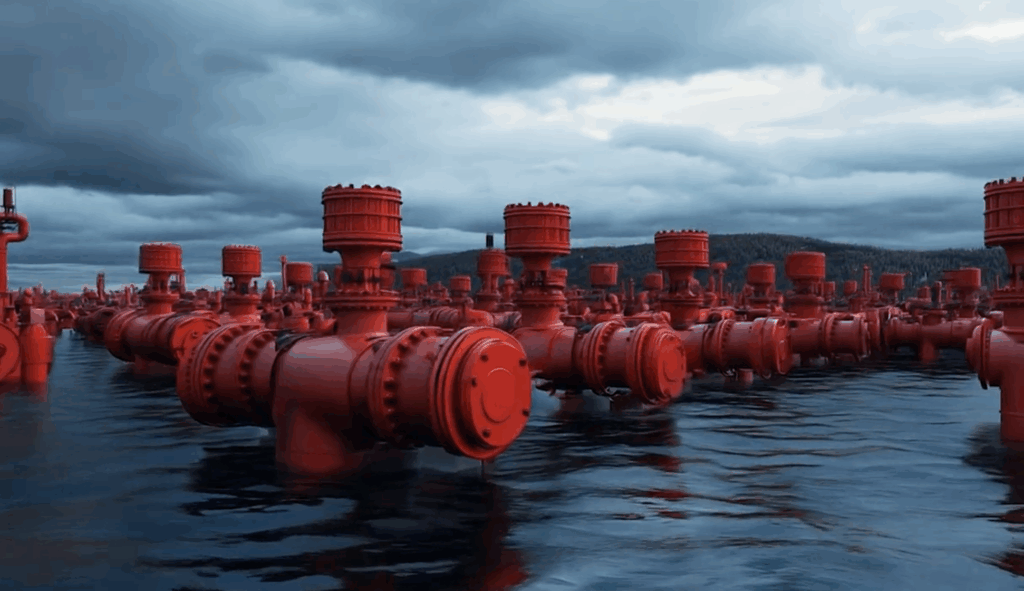
Try something modest like Lake Superior and you would need billions of tanker trucks and Starships to shift it, with hundreds of pumps running nonstop for decades.
The infrastructure alone would cost trillions, wreck ecosystems, and almost certainly trigger international conflict. Those same resources would do far more good addressing climate change at home.
7. Heat Would Vaporize Everything
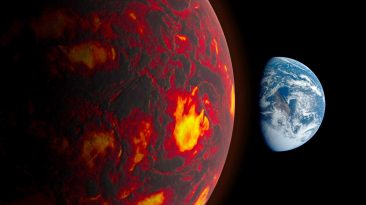
Suppose you got the water there anyway. Temperatures near the Sun reach 500,000 degrees Celsius, well beyond what any spacecraft or pump could endure.
The water would vaporize instantly, splitting into hydrogen and oxygen before it could cool anything. The whole exercise would be like fighting a raging furnace with a teaspoon.
8. It Would Make the Sun Burn Brighter
And here is the twist that ruins the plan completely.
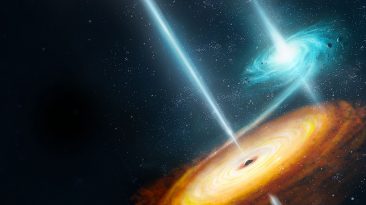
The Sun does not burn through chemical combustion. It runs on nuclear fusion, and its fuel is hydrogen.
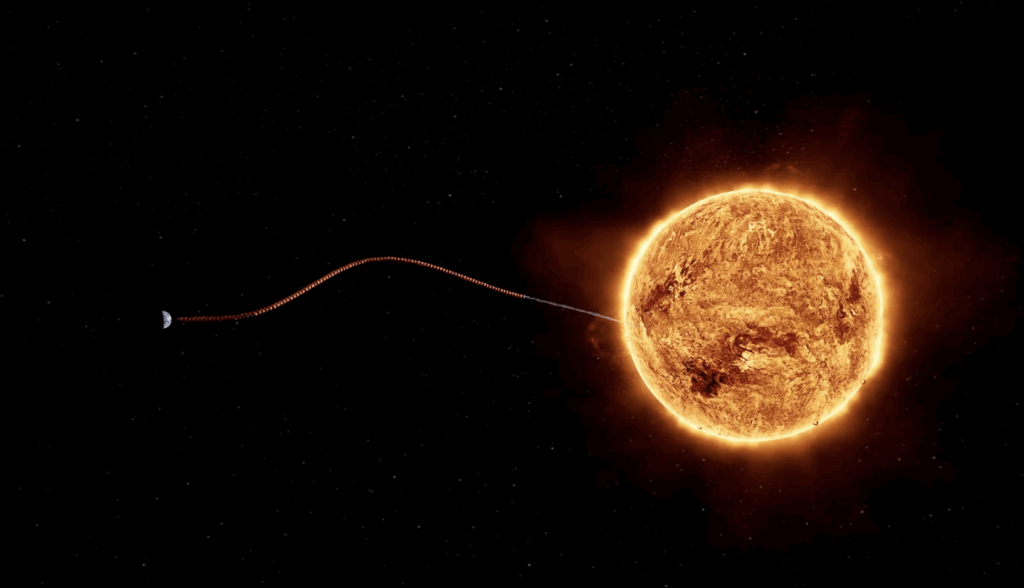
Water is two parts hydrogen. Deliver it to the Sun and it breaks apart, feeding extra hydrogen straight into the fusion reactions and making our star burn slightly brighter than before.
We would drain every ocean on the planet, spend trillions doing it, and hand the Sun more fuel. Which is a fairly memorable lesson in how good intentions behave when you apply them at cosmic scale.