The Earth trembles, tsunamis surge, hurricanes rage, and volcanoes erupt. These powerful natural forces can destroy entire cities and leave millions of people struggling to rebuild their lives. But what if we could control nature’s most terrifying events? What if humanity finally developed the technology to stop natural disasters before they caused destruction?
Let’s start with hurricanes. These enormous storms can unleash devastating winds and flooding, especially along coastlines. A single hurricane releases an astonishing amount of energy, equivalent to a 10 megaton nuclear bomb exploding every 20 minutes.
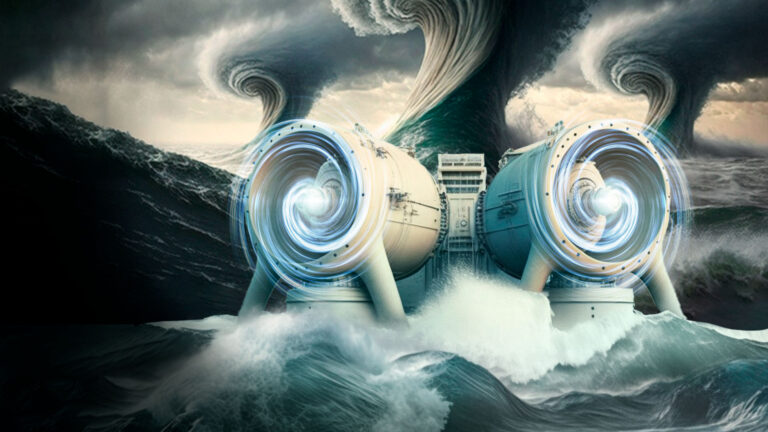
Hurricanes get much of their strength from warm ocean waters. So, if we could somehow cool these waters, we might be able to weaken storms or even prevent them from forming. One proposed idea involves installing giant underwater turbines that mix warm surface water with colder water from deeper below.
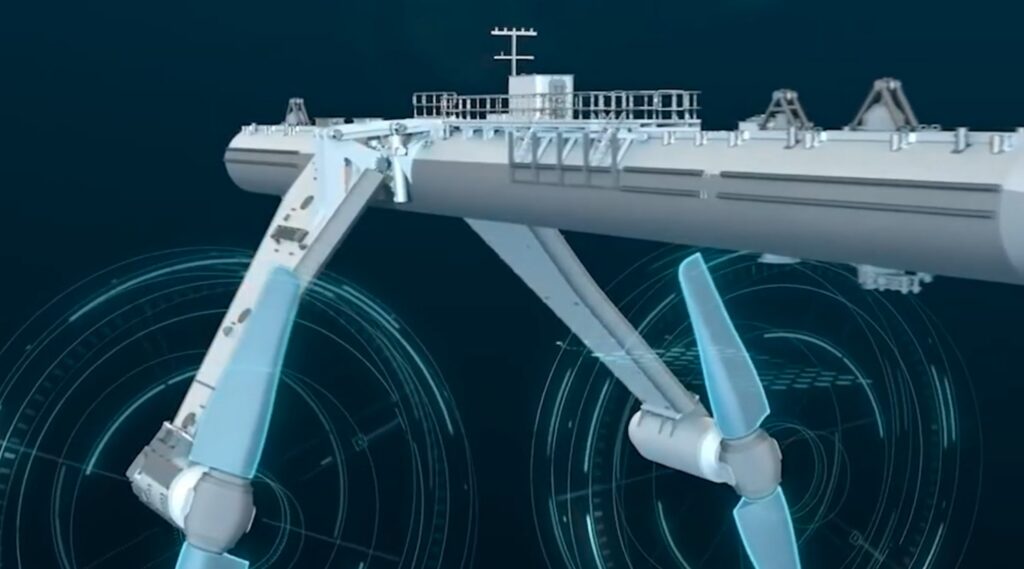
However, building such a system would be an enormous undertaking. We would need countless turbines, constant maintenance, and a way to prevent unexpected environmental consequences.
Earthquakes would present an entirely different challenge. Around 500,000 earthquakes occur worldwide every year. Most are too small to notice, but approximately 100,000 can be felt, while around 100 cause significant damage.
These powerful events happen when tectonic plates move against each other, releasing enormous amounts of accumulated energy. Although we cannot stop the movement of these plates, one idea involves releasing pressure along fault lines before it builds up into a major earthquake.
Scientists could potentially inject fluids underground to help sections of the Earth’s crust slide past each other more easily. Unfortunately, this technique could trigger additional earthquakes instead of preventing them. Finding the correct fluid and determining how much to inject would be incredibly difficult.
Then there are volcanoes. Earth currently has approximately 1,500 active volcanoes, and thousands of eruptions have occurred throughout geological history.
To prevent an eruption, we would need to interfere with the enormous amounts of magma and pressure building beneath the surface. One theoretical solution involves drilling into an active volcano and removing some of its magma to reduce internal pressure.
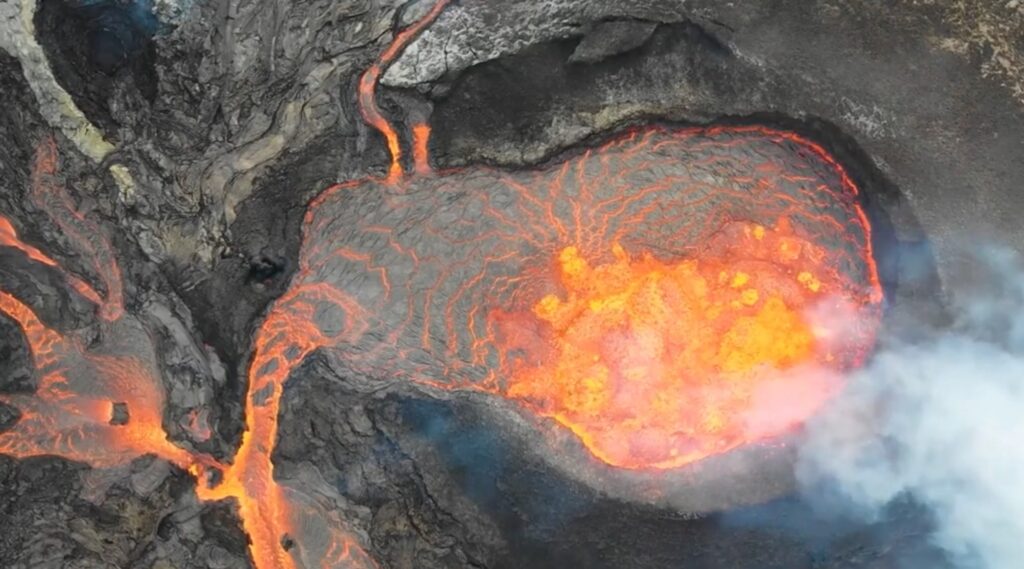
Unfortunately, this could be extremely dangerous. Drilling into a volcano might actually trigger the eruption we are trying to prevent. We would also need somewhere to store or safely dispose of the enormous quantities of molten rock.
Floods might be easier to manage, at least compared to the other disasters. They are among the most common natural disasters worldwide, often caused by heavy rainfall, overflowing rivers, or rapidly melting snow.
One solution would be to construct enormous retractable barriers that rise when water levels become dangerous. We could also build improved drainage systems, larger storm drains, and additional canals to redirect excess water away from populated areas.
However, these projects would come with serious disadvantages. Large barriers and dams could disrupt the natural flow of rivers, destroy habitats, and interfere with ecosystems. Manufacturing and constructing these structures would also require enormous quantities of materials and energy.
But controlling natural disasters would raise questions beyond engineering. Who would decide when to interfere with nature? Which countries or communities would receive protection first? And how could we know whether our interventions were actually making things better?
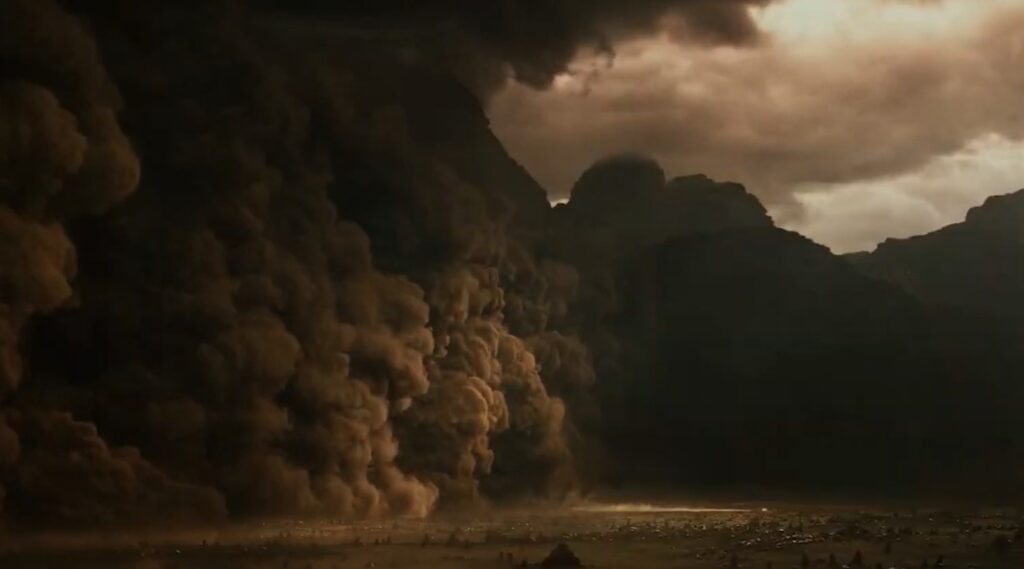
Changing one part of a natural system could produce unexpected consequences somewhere else. Preventing one disaster might even create another, making international cooperation and careful scientific research essential.
For now, researchers are developing better ways to monitor weather patterns using satellites, predict dangerous events through advanced computer simulations, and construct buildings and infrastructure capable of withstanding extreme conditions.
Until we discover how to control these powerful forces, our best defense remains preparation. Stronger infrastructure, reliable warning systems, and public education can save countless lives when disaster strikes.
Perhaps one day humanity will develop the technology to control nature’s most destructive forces. But until then, learning how to survive them remains our greatest advantage.