Imagine walking into a classroom where there is no teacher standing at the front of the room. Instead, every student is guided by an artificial intelligence system that knows their strengths, weaknesses, interests, and learning speed.
For generations, teachers have been the foundation of education. They explain difficult ideas, encourage students, and help children discover their potential.
But as technology advances, a new question is emerging. Could artificial intelligence become a better teacher than humans?
Around the world, schools are already experimenting with AI powered education systems. As the global population continues to grow, many experts believe there may not be enough teachers available to provide every child with a quality education.
Replacing teachers with AI could become a solution to this problem, but it could also create new challenges that humanity has never faced before.
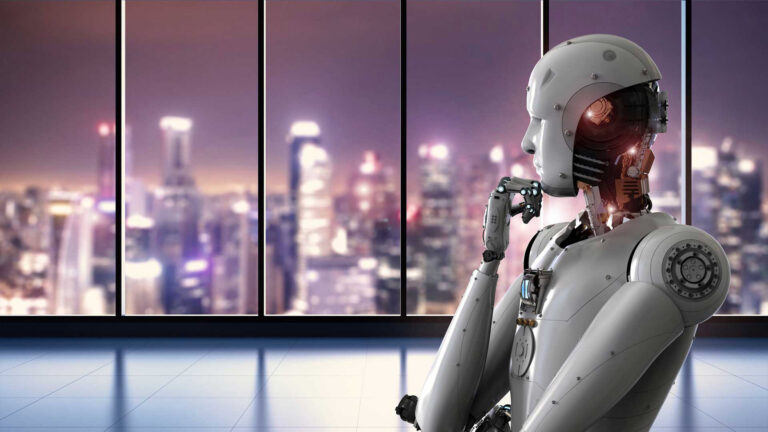
AI teachers could take many different forms. They could appear as realistic robots standing inside classrooms, digital avatars on screens, or completely virtual assistants available anywhere with an internet connection.
Regardless of their appearance, their biggest advantage would be personalization.
Unlike traditional classrooms where one teacher must divide attention among dozens of students, AI could create a unique learning experience for every person.
A student struggling with mathematics could receive extra lessons instantly, while another student who learns faster could move ahead without waiting for the rest of the class.
AI systems could also remove many tasks that take up teachers’ time. Grading exams, organizing assignments, creating lesson plans, and tracking student progress could all become automated.
Interactive textbooks and intelligent learning platforms could adapt to each student, helping people with different learning styles or disabilities receive better support.
Students could even explore specialized subjects based on their personal interests, allowing them to discover their passions earlier in life.
The future of education could become less about following the same path as everyone else and more about creating a personalized journey for every student.
Some countries are already testing advanced AI education systems. Technology can now analyze written assignments, create personalized tutoring programs, and monitor student progress using data.
Future classrooms could become highly individualized environments where students learn at their own pace instead of being limited by a standard schedule.
This could also change higher education and employment. University admissions could become more automated, while companies could use education data to better match candidates with available careers. With easier access to education around the world, more people could gain advanced skills, which could accelerate technological development.
However, replacing human teachers with AI would come with serious risks.
One major concern would be security. If education systems controlled by artificial intelligence were hacked, false information or propaganda could spread to millions of students. The organization controlling advanced educational AI could potentially influence how future generations learn and understand the world.
There are also concerns about the impact on children’s development.
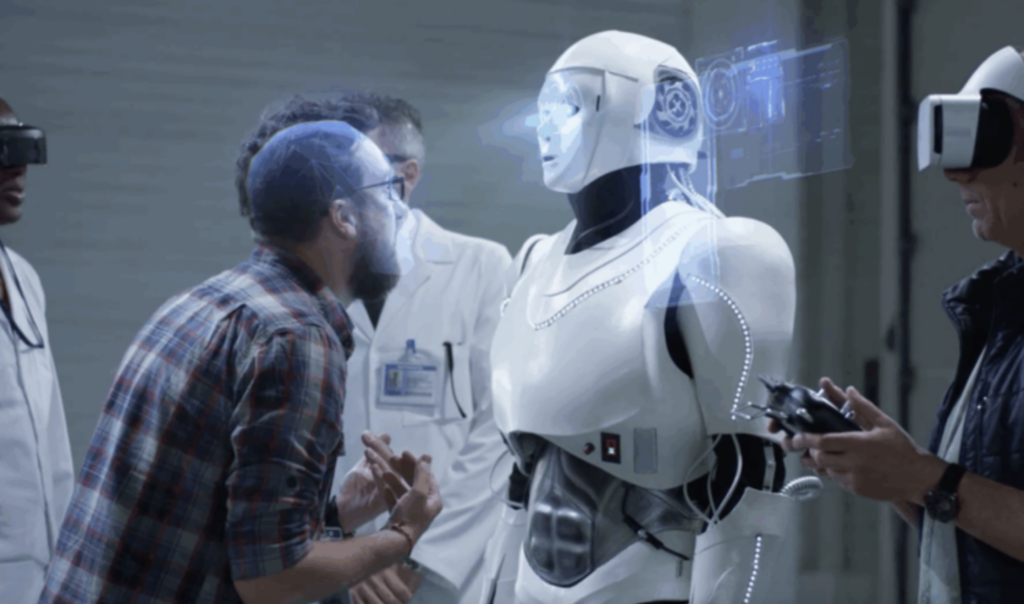
Too much dependence on digital systems could increase screen time, reduce face to face interactions, and affect important social skills that children develop through human relationships.
Teachers do much more than provide information. They motivate students, recognize emotional struggles, act as role models, and provide support during difficult moments. These human qualities are extremely difficult to recreate with artificial intelligence.
Another challenge would be access.
An AI powered education system would require reliable internet, electricity, and technology infrastructure. While wealthy regions could benefit quickly, poorer areas without these resources could be left behind. However, AI education could also help solve some of the biggest problems in the world.
Millions of children currently lack access to quality teachers and educational resources. A global AI learning system could provide lessons, tutoring, and educational support to students who would otherwise have limited opportunities.
The biggest question is not whether AI will become part of education. It already is.
The real question is how humanity will balance the power of artificial intelligence with the qualities that make human teachers unique.
AI may be able to explain information faster and personalize learning better than ever before. But empathy, inspiration, and human connection remain things that machines still struggle to replace. The classroom of the future may not be one where AI replaces teachers completely.
Instead, it could become a place where humans and artificial intelligence work together to create a new era of learning.