What if every microbe on the planet suddenly disappeared? No more germs. No five-second rule. Just pick that cookie up off the floor and eat it!
But surely it wouldn’t be all good. Would you lose all your sick days? Doesn’t our planet rely on bacteria? Can humans even survive without microbes in our bodies?
This is WHAT IF, and here’s what would happen if all the microbes disappeared.
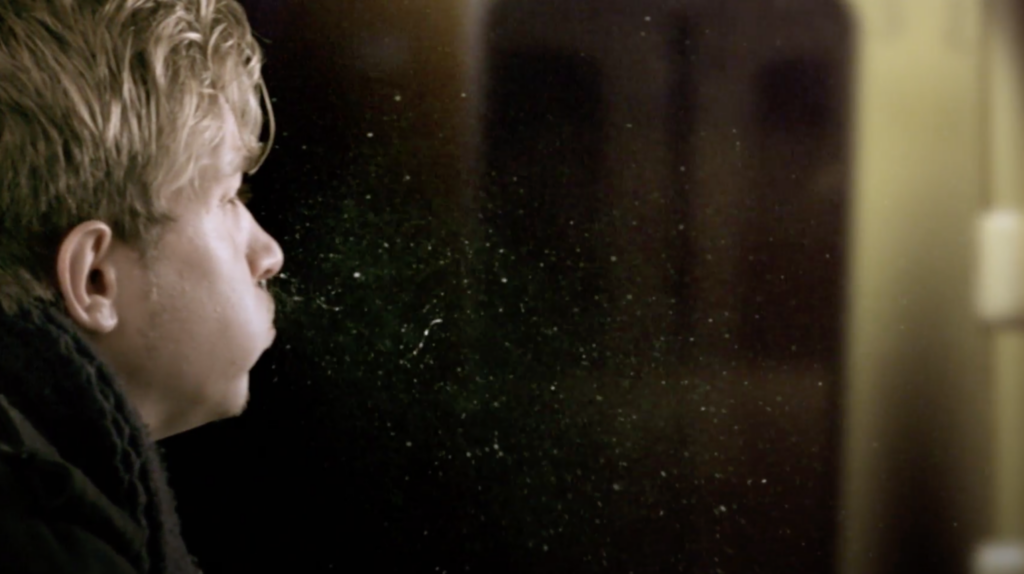
Bless you! You just sneezed out bacteria that can stay alive for 45 minutes while looking for another carrier. But what if there were no bacteria or viruses? No flu, no measles, no tuberculosis. Doesn’t that sound fantastic?
“Of course,” you say. But did you know that there are as many microbial cells in your body as there are human cells?
Your body is full of “good” microbes that help you digest food and boost your immune system. Other “good” microbes living outside your body recycle waste and assist plants in converting sunlight into energy.
In short, bacteria are all around us, involved in every biochemical process on the planet. Without them, life would no longer be possible.
Or would it?
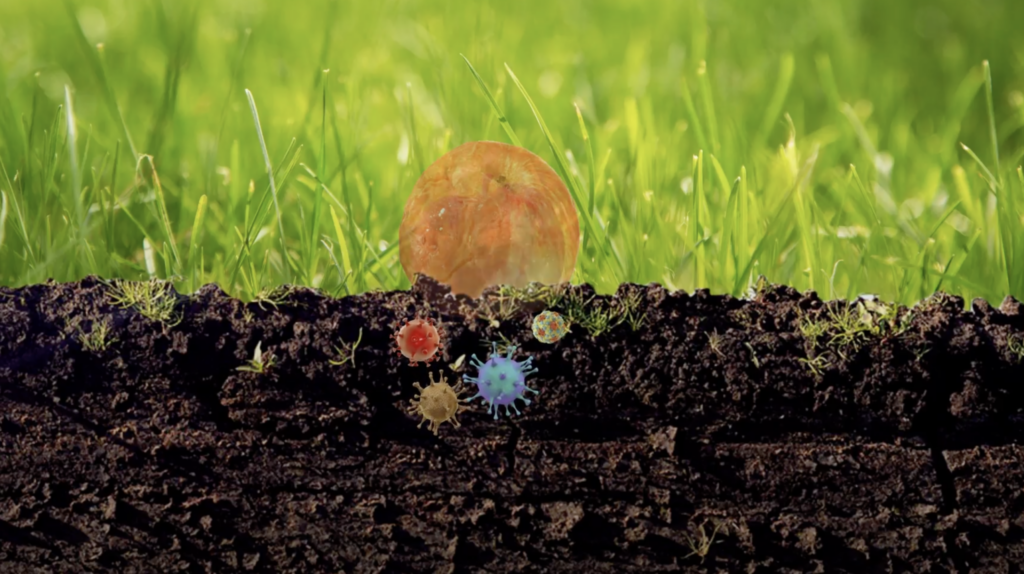
In the 1880s, microbiologists believed that the existence of animals would be impossible without microbial life. Well, they were wrong. In fact, some animals can live their germ-free lives in total isolation from the outside world if all their nutrition is synthesized chemically.
Does that mean that we wouldn’t notice a difference if all of our microbes just vanished? Not quite. Living in a germ-free bubble and living on a germ-free planet are two very different things.
Humans would get by without microbes just fine for weeks, months, even years. We’d still be digesting food, although we’d experience some digestive disorders and, of course, we’d lack the vitamins we get from bacteria. Soon, we might come up with synthetic supplements to make up for our undernourishment. Seems like no big deal.
But not for all the ruminant animals. Their gut microbes are essential for plant digestion. Without microbes, all the cows, goats and sheep would starve. Maybe not the best way to turn the whole world vegan?
What’s more, plants would start dying out in a matter of days. They’d be deprived of all the nutrients that bacteria used to decompose for them. They would simply lose their nutrition: fixed nitrogen. Atmospheric nitrogen is useless for plants since it doesn’t react easily with other compounds.
It has to be turned into fixed nitrogen. Guess who’s responsible for this process? Fixing bacteria, or diazotrophs. If humanity didn’t come up with a synthetic fertilizer to feed all the plants, within a year there would be no photosynthesis on the planet. And no more plants.
Without plants, the planet would experience rapid global warming. Plants convert all the carbon dioxide that we exhale into oxygen, and they also clean the air from the fossil fuels we burn. If they die, the concentration of CO2 in our atmosphere skyrockets. The world would be a pretty crappy place to live.
Literally.
Bacteria’s list of responsibilities includes breaking down biological waste. Without microbes to take care of human and animal waste, it would all build up, both inside of us and out. After death, organisms wouldn’t return nutrients back to the soil, completely messing up our ecosystem. And what about the myriad of microbes sustaining life in the world’s oceans?
Without these bacterial contributors, would all organisms depending on oxygen just die out?
Yes. But not right away.
There’s enough ocean oxygen to last at least a few hundred thousand years before we solve this problem. That is, if we figure out how to stay alive that long. But there’s an even bigger problem.
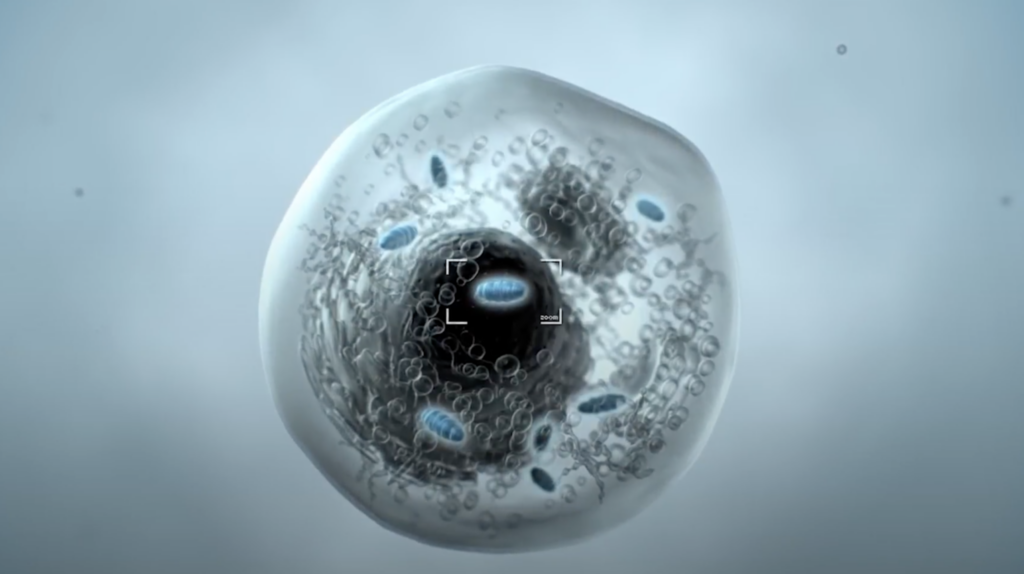
Some parts of our human cells evolved from microbes. If these microbial descendants were to vanish too, we’d be dead in a minute. If our organelles that once evolved from bacteria, such as mitochondria and chloroplasts, were to cease from existence too, we’d be dead in a minute.
So let’s assume they were still functioning. How much time would we have then? Sounds like a bit of a mess, in which humanity has little chance of long-term survival. Maybe a little cold in a world full of bacteria isn’t that bad after all.
Have you checked our group yet? Check out WHAT IF discussed. And let’s explore other hypothetical scenarios together!