The warning has already been published. It sits in a scientific journal, written in careful academic language, and it says something no headline wants to print: civilization as we know it may not survive this century.
In January 2021, a paper in Frontiers in Conservation Science laid it out. According to its authors, we are already traveling down the path of a sixth mass extinction. Biodiversity loss, climate disruption, overconsumption, and population growth are not future threats. They are active forces, working right now, pushing our civilization toward its end.
And here is the sentence that should have stopped the world: the process may already be irreversible. Even if every emission ceased tomorrow, the climate emergency would continue. The machine is already running.
Most people scrolled past that news. So let us do what the world refuses to do and actually follow the warning to its conclusion, decade by decade, degree by degree, all the way to 2100.
The starting point is not some distant future. It is today.
TODAY – GLOBAL TEMPERATURE + 1°C
Look around. Earthquakes, floods, hurricanes, bushfires, and a global pandemic have battered humanity within a single stretch of recent years, and scientists warn that our ecologically unsustainable way of living makes more deadly pandemics almost guaranteed.
The planet’s surface has already warmed by 1 degree Celsius. The top 100 meters of the ocean have heated by 0.33 degrees, which sounds tiny until you see the body count: roughly 30 percent of the world’s coral reefs are already dead, dragging marine biodiversity down with them in a chain reaction.
The ice sheets are shrinking, and global sea levels have climbed 20 centimeters. Floods strike more often, creeping into coastal communities. And in the animal kingdom, populations of mammals, birds, amphibians, reptiles, and fish have crashed by almost 70 percent.
Meanwhile, pollution and consumerism poison the soil, water, and air that feed us. And one more detail makes everything worse: the richest 1 percent now holds half the world’s wealth, and that staggering inequality keeps stalling the drastic measures that could still change the ending.
This is not the disaster. This is only the opening scene.
TEN YEARS FROM NOW – GLOBAL TEMPERATURE + 1.5°C
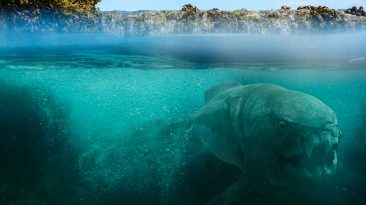
Half a degree more, and the ocean starts to empty. At 1.5 degrees of warming, 70 to 90 percent of all coral reefs die, taking roughly 25 percent of marine life with them.
On land, the rising heat attacks the harvests, threatening the loss of millions of tonnes of maize, wheat, and soybean. The people who depend on fishing and farming face famine first, and they do what humans have always done when the food runs out. They leave.
Mass migration begins.
THIRTY YEARS FROM NOW – GLOBAL TEMPERATURE + 2°C
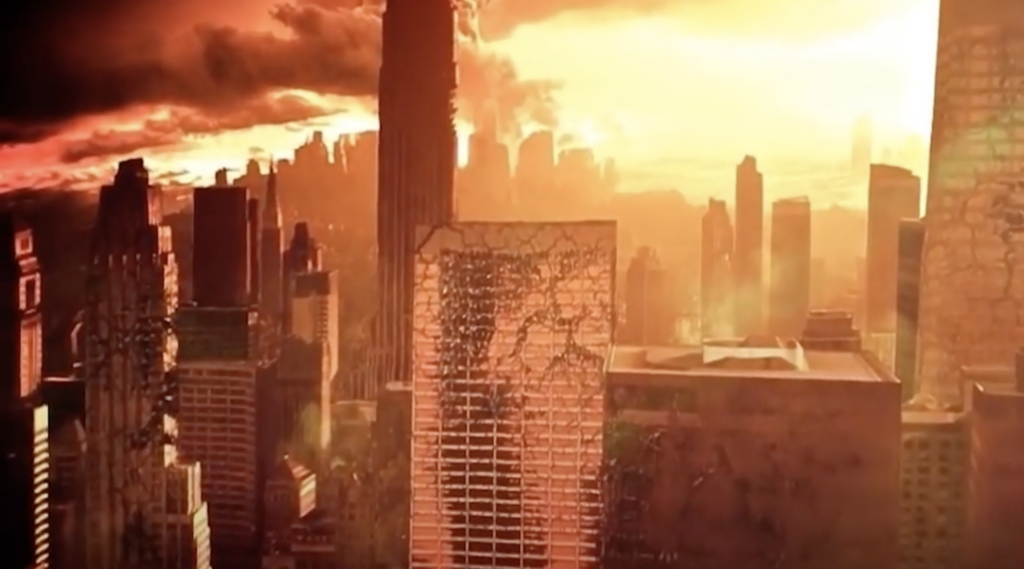
Now the pressure multiplies. Earth’s population reaches 10 billion mouths, just as the planet’s ability to feed them buckles. The coral reefs and their ecosystems stand at the edge of total annihilation, and beyond the oceans, thousands of other species begin sliding into extinction.
The warning is no longer a paper in a journal. It is the evening news, every night.
EIGHTY YEARS FROM NOW – GLOBAL TEMPERATURE + 7°C
This is 2100. This is where the ignored warning leads.
The seas rise and swallow the coastlines, driving hundreds of millions of people inland. Nations strain and snap under the flood of refugees, and mass migration ignites conflicts, possibly wars. Food and clean water grow so scarce that the human population itself begins to collapse. The catastrophe strikes the poorest regions first, then spreads everywhere, feeding civil wars and global chaos.
And what would the planet actually look like in that final act?
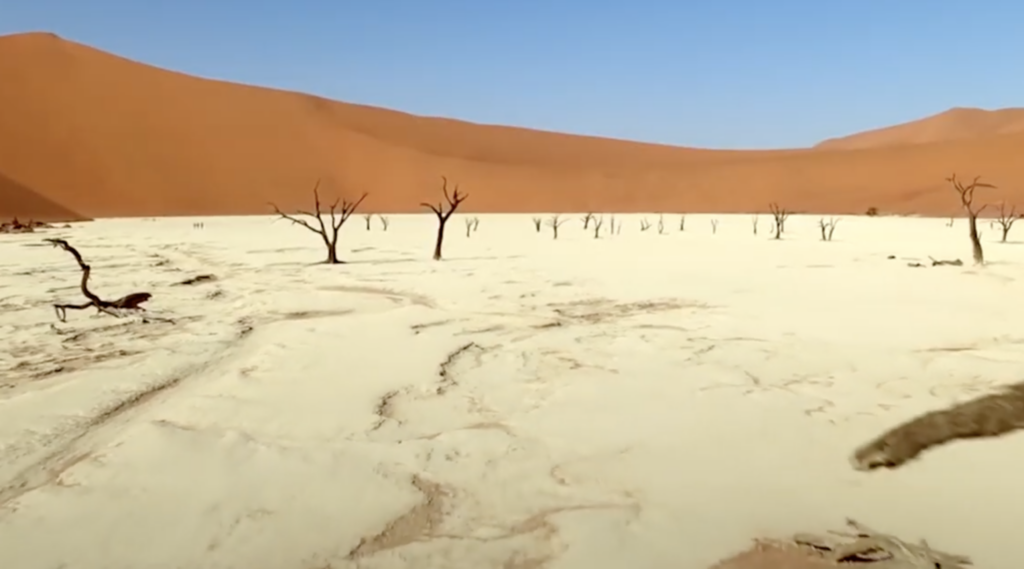
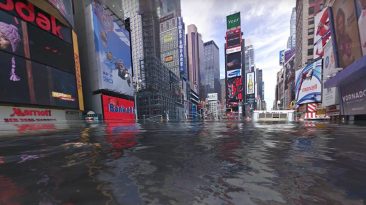
Humanity’s monument would be ruins and garbage: endless stretches of abandoned civilization and mountains of plastic that will not break down for thousands of years. The cities would begin dying the moment maintenance stopped. Without workers running the pumps, the subways of a metropolis like New York could drown within hours.
The energy sector would turn from lifeline to threat, as unattended nuclear plants glitch, leak, and potentially explode, poisoning everything around them. Farmland would fall to swarming insects the moment the pesticides stopped. Then, year by year, the buildings themselves would surrender: glass shattering first, metal rusting and crumbling next, while stone endures, weathering slowly across millennia like tombstones for a species.
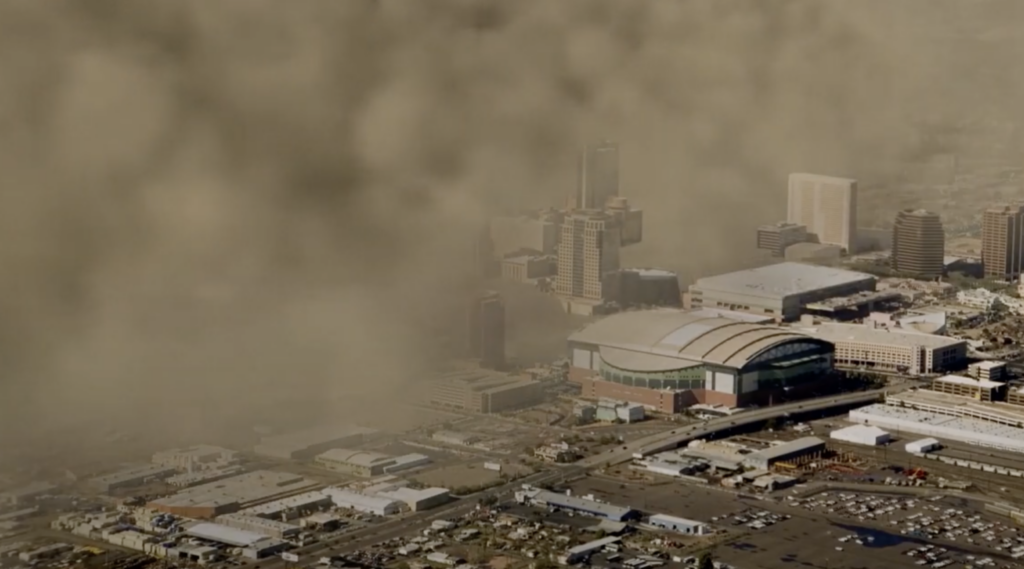
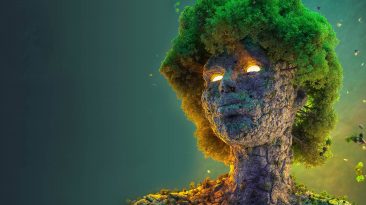
The planet itself would need millions of years to heal. And it would. Eventually, Earth would grow back greener, wilder, and more diverse than ever. Just without us in the picture.
Now, the honest disclaimer: this timeline is a rough projection, not a prophecy. Scientists still disagree about how soon, how severe, and whether collapse can be avoided entirely. It might never unfold this way at all.
But look out your window at the fires, the floods, the heat records falling year after year, and ask yourself the only question that matters. Does it really sound so far off?
The warning has been on the table since 2021. Every year we ignore it, the ending writes itself a little further. The choice between drastic action and collapse by 2100 is still ours, but not for much longer.