Animal testing remains one of the most controversial parts of modern science. Every year, millions of animals are used in experiments designed to develop medicines, test chemicals, and improve products that humans rely on every day. For many people, the idea of ending these experiments sounds like an obvious step toward a more ethical future.
But what would happen if animal testing disappeared overnight? Would science simply continue with new methods, or would we lose an important tool that helps protect human lives?
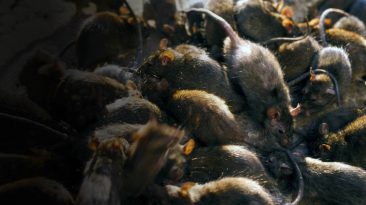
More than 115 million animals are estimated to be used in research every year. They are involved in studies related to medicine, pharmaceuticals, cosmetics, household products, and chemical safety. While these experiments have helped create lifesaving treatments, they also raise serious ethical concerns because animals can experience pain, stress, and suffering.
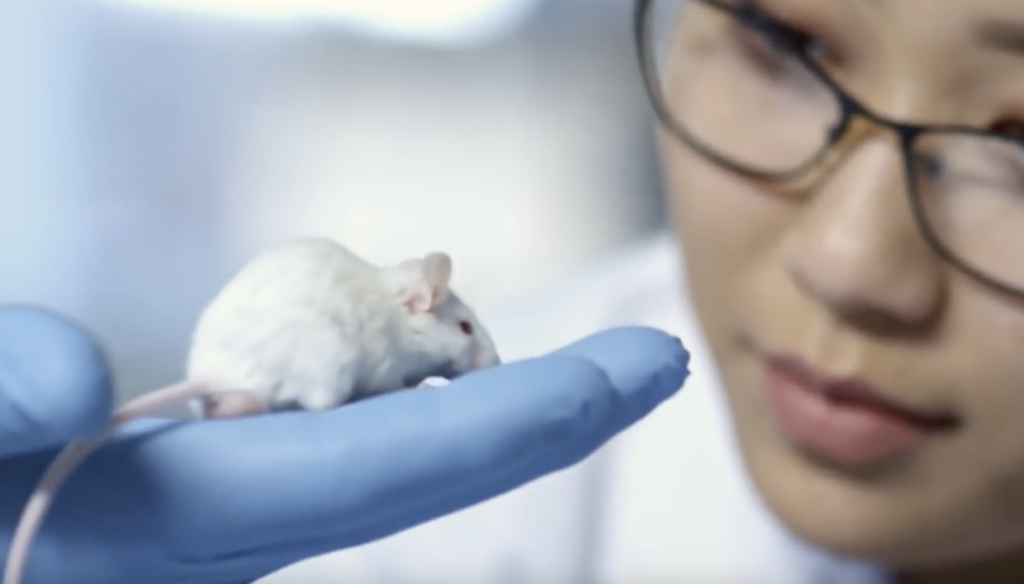
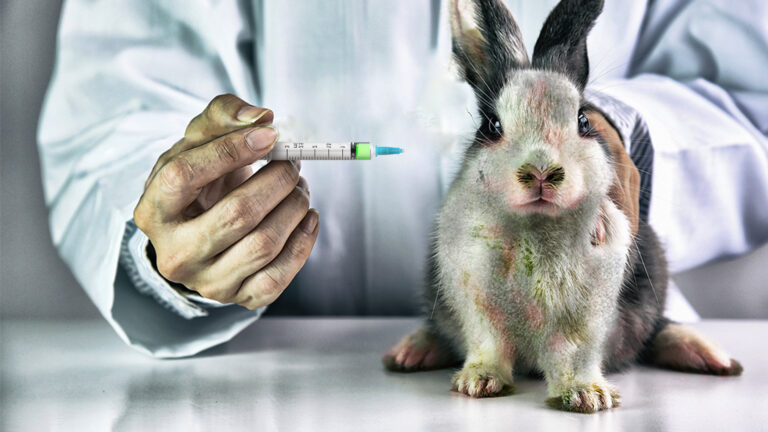
At the same time, animal testing is not a perfect system. Animals and humans share many biological similarities, but they are not identical. Some toxicity tests performed on rodents are only about 43% accurate when predicting how chemicals will affect humans. Many potential treatments have also shown promising results in animals but later failed during human trials.
For example, dozens of HIV vaccine candidates and some stroke treatments appeared successful in animal studies but did not produce the same results in humans. These failures have led some people to question whether animal testing should continue at all.
However, animals remain valuable in research because they can provide information that cannot always be gained through other methods. Many animals develop diseases similar to those found in humans, and their shorter lifespans allow scientists to study the long term effects of treatments across multiple generations.
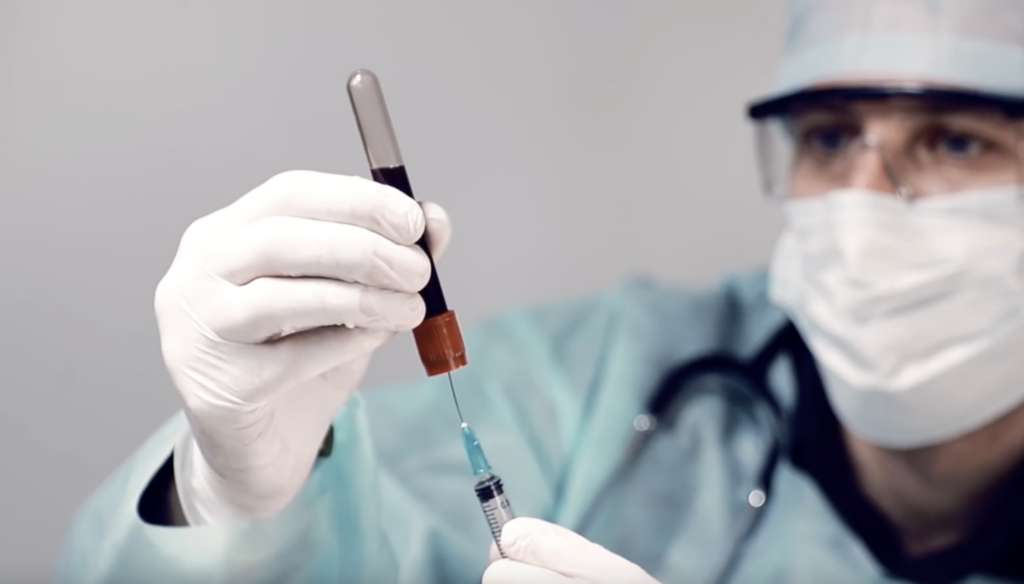
In the medical and pharmaceutical industries, animal studies are often used before human trials to determine whether
a drug, vaccine, or treatment is safe enough to test on people. Because of ethical concerns, researchers are generally expected to use animal testing only when other options are unavailable.
The good news is that science is already developing alternatives. Modern pharmaceutical research has increasingly moved toward methods that do not require live animals. Many newer drugs focus on specific molecular targets, meaning scientists can often study their effects using laboratory techniques that are faster, cheaper, and more precise.
One possible replacement for some animal experiments is computer modeling. Scientists can analyze thousands of existing chemical compounds stored in databases and use advanced algorithms to compare them with new substances. By studying similarities between chemical structures, researchers can predict whether a new compound could be harmful.
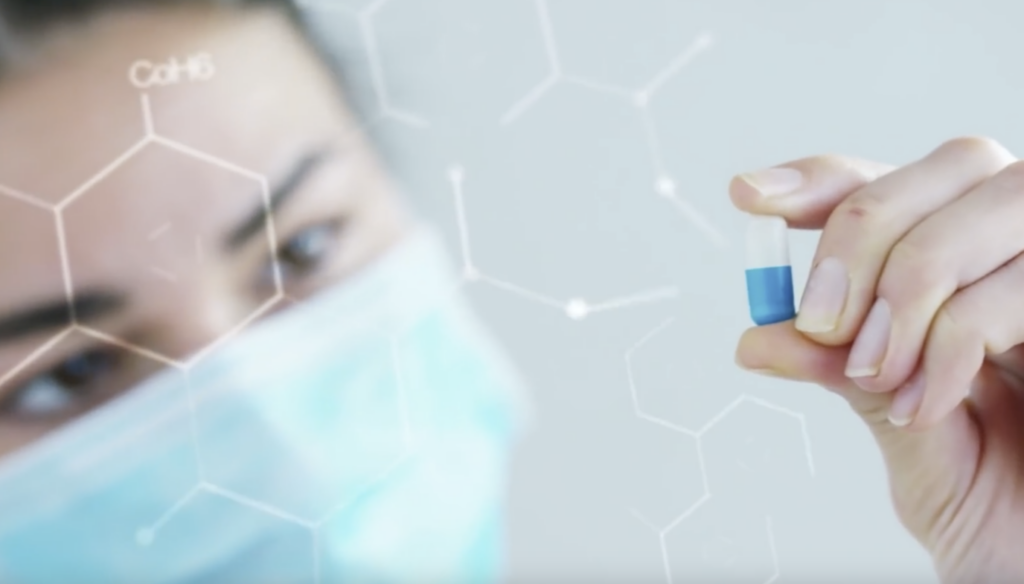
Some advanced computer systems have shown promising results, reaching around 87% accuracy when predicting toxicity. However, that level of accuracy is still not enough to completely replace real world testing before a new product reaches humans.
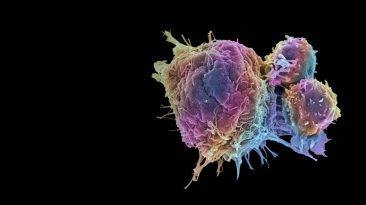
After computer analysis, researchers could use technologies such as organs on a chip. These tiny laboratory systems contain human cells designed to imitate the functions of real organs, allowing scientists to observe how drugs affect human tissue without directly testing on animals.
Another possibility is carefully controlled human testing using extremely small doses of new medicines. Instead of giving volunteers a full amount of a drug, researchers could use microdoses that allow them to study how the body reacts at a cellular level while reducing risks.
However, even these alternatives may not completely replace animal research in every situation. During major health crises, animal studies have played an important role in understanding how treatments and vaccines interact with the immune system. The development of COVID 19 vaccines, for example, involved animal research during early stages to help scientists evaluate safety and immune responses.
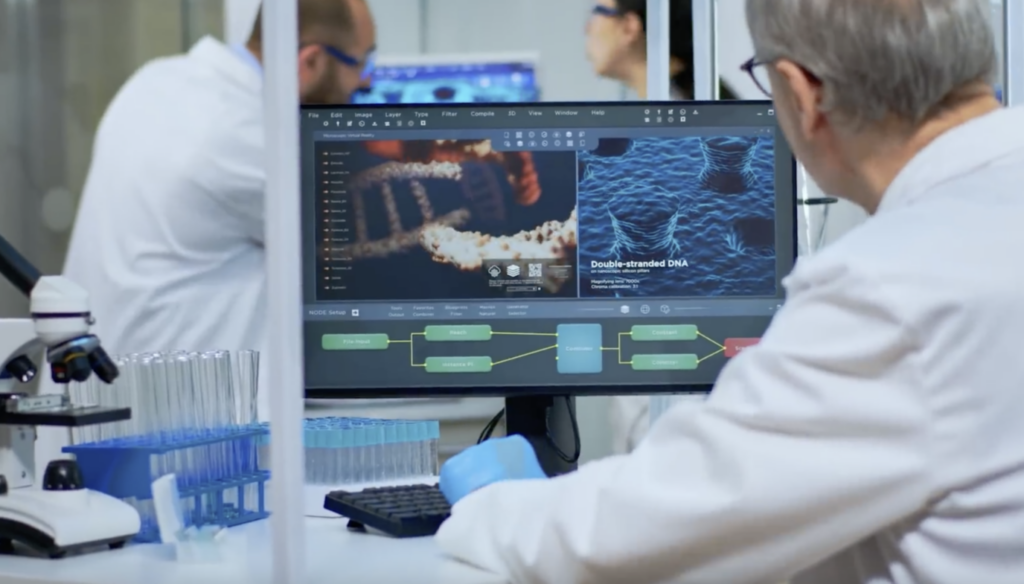
If animal testing ended completely, researchers would need major advances in laboratory technology. One promising approach involves taking cells from people with specific diseases, transforming them into stem like cells, and then creating specialized human cells for research. This would allow scientists to build patient specific models of illnesses inside a laboratory.
Eventually, researchers may be able to grow complete human organs for studying diseases and testing new treatments. This could create a future where medicines, cosmetics, and household products are developed without causing harm to animals.
Ending animal testing could lead to a more humane world, but doing so tomorrow would create major challenges. Until alternative technologies become advanced enough, eliminating animal research entirely could slow the development of new treatments and make some scientific discoveries much harder.
The future of science may not depend on choosing between animal testing and no testing at all. Instead, it may come from creating better technologies that allow researchers to understand human biology without putting animals at risk.