The Holocaust is one of the greatest tragedies in human history. It remains a defining example of systematic mass violence, and its impact is still studied and remembered around the world today. But did you know the same thing almost happened in North America?
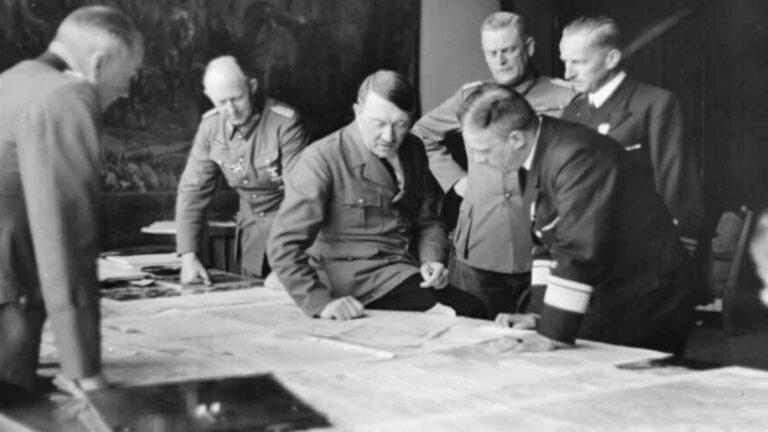
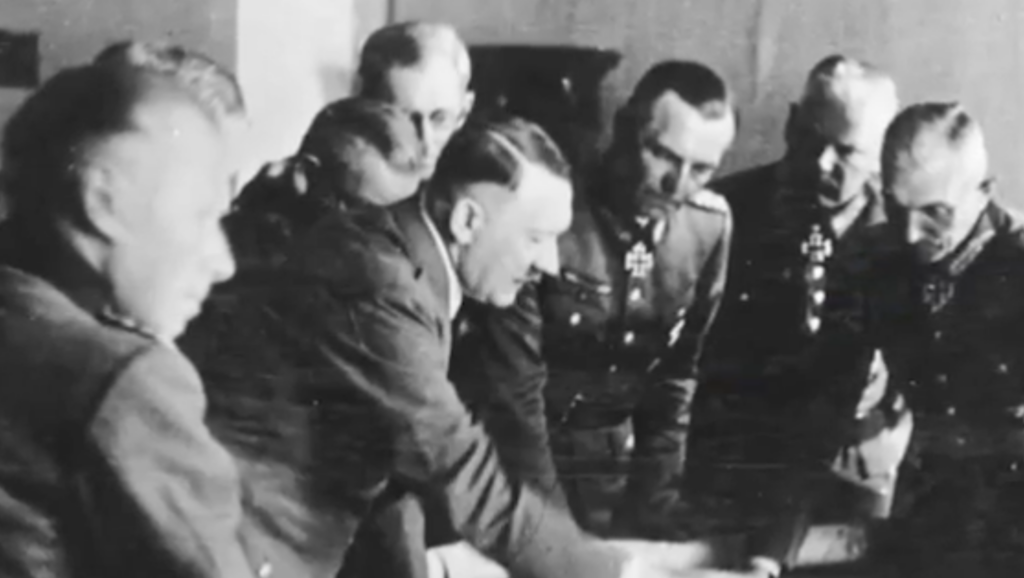
According to historical records, the Nazis wrote a 137 page report planning the event. This document explored the possibility of extending their genocidal ideology beyond Europe and into other parts of the world, including North America.
It detailed the languages and nationalities of the continent’s Jewish population, showing how carefully the Nazi researchers attempted to analyze and categorize Jewish communities across different regions. The level of detail reflects how seriously they approached their ideological goals, even at a planning stage that was never fully realized.
The Nazi researchers looked at Jewish communities in places like New York and Toronto. These major urban centers were studied as key population hubs where large Jewish communities lived, worked, and built cultural life.
But they didn’t stop there.
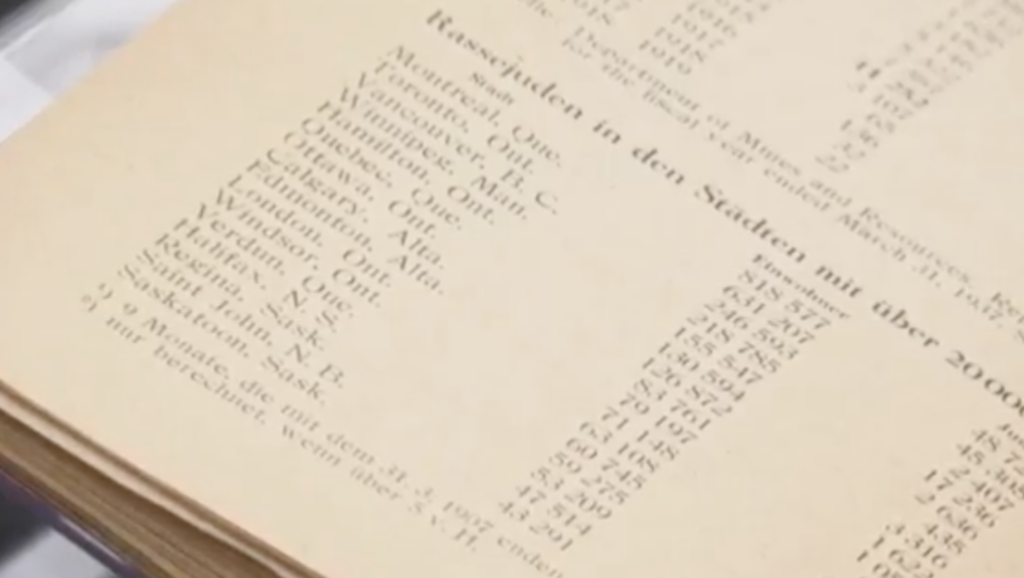
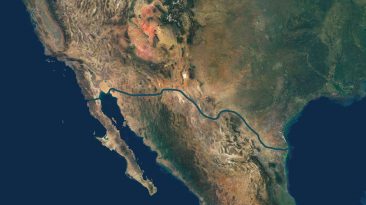
They also examined smaller towns and rural areas, expanding their research far beyond major cities. This allowed them to map out Jewish presence across a much wider geographic area than just well known metropolitan regions.
And curated a network of Nazi sympathizers throughout North America. This part of the research suggested attempts to understand or identify possible local support structures that could, in theory, be used to assist their plans.
They invested a lot of time and effort into the research, treating it as a serious analytical project even though it never progressed into action. The depth of detail shows how far Nazi ideology extended in terms of planning and documentation.
The book was purchased by Library and Archives Canada for 4,500 dollars, ensuring that it would be preserved as part of the historical record rather than lost or forgotten.
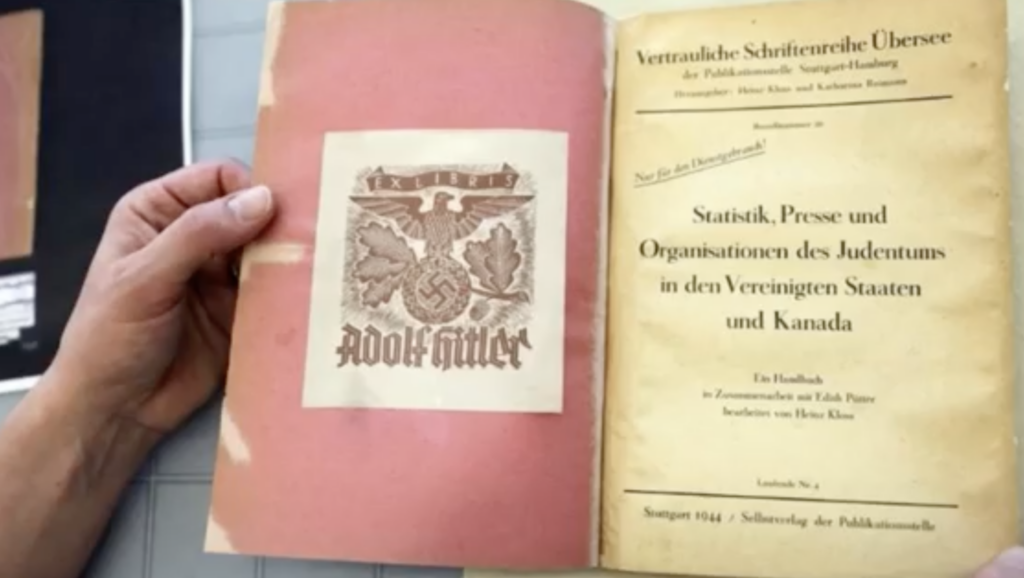
Holocaust museums often consider Nazi memorabilia too disturbing to put on display, due to the sensitive and traumatic nature of the material and its association with genocide.
But at a time when North America’s Holocaust knowledge is dwindling, the library sees it as an essential reminder of the horrible historical event, and a way to preserve awareness for future generations.