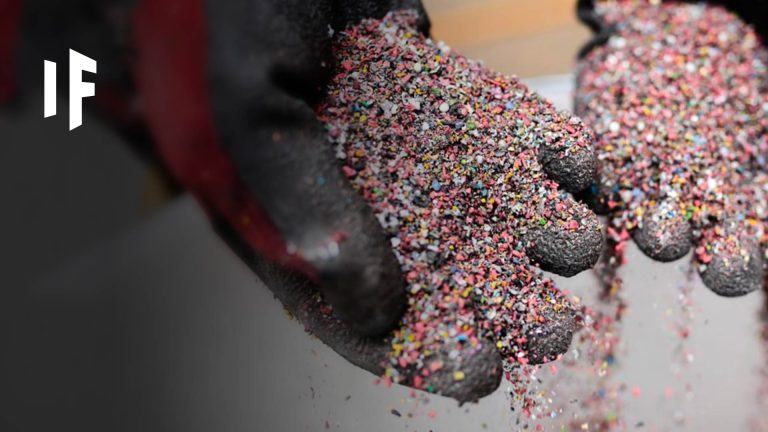
Imagine looking at a pile of plastic waste and seeing something completely different. Instead of useless garbage sitting in landfills or polluting oceans, scientists believe it could become a valuable energy source that helps power the future.
Plastic production continues to rise every year, and the environmental damage is becoming harder to ignore. A single plastic bottle can take hundreds of years to break down. But what if we could transform all that waste into fuel? Could our cars run on energy created from discarded plastic? Could our homes be powered by yesterday’s trash?
The idea sounds futuristic, but scientists are already exploring ways to make it possible.
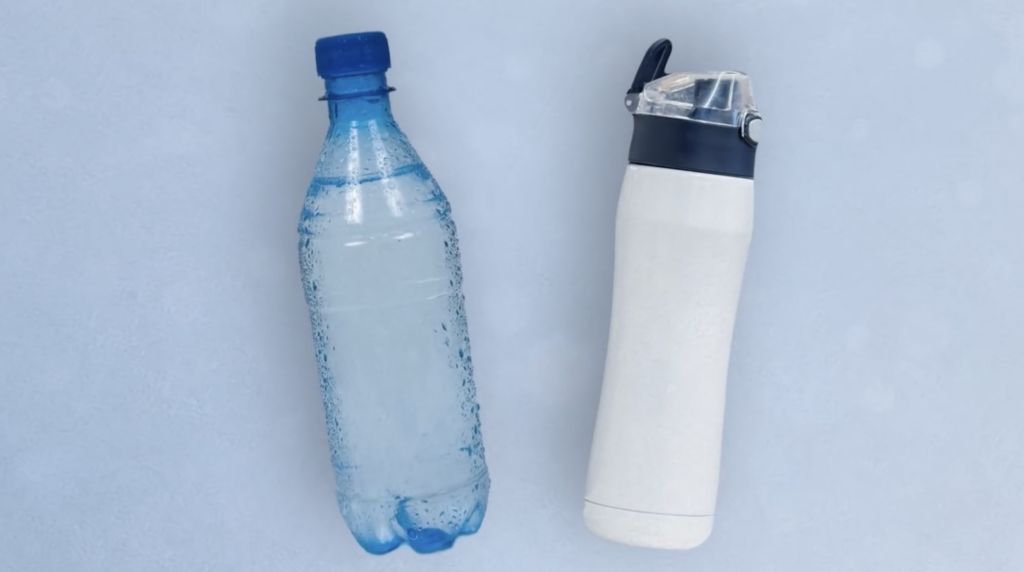
Plastic first appeared in 1869 when inventor John Wesley Hyatt created it as an alternative to ivory. At the time, billiard ball manufacturers struggled to meet the demand for elephant ivory, so plastic became a cheaper and more sustainable replacement.
However, over the following decades, plastic production exploded. Manufacturing has continued increasing, making plastic one of the most common human made materials on Earth. As a result, billions of tons of plastic waste have accumulated around the planet.
One possible solution is converting plastic into fuel through a process called pyrolysis. This method uses extremely high temperatures, usually between 400°C and 650°C (752°F and 1202°F), to break down materials and transform them into useful products such as fuel, heat, or electricity.
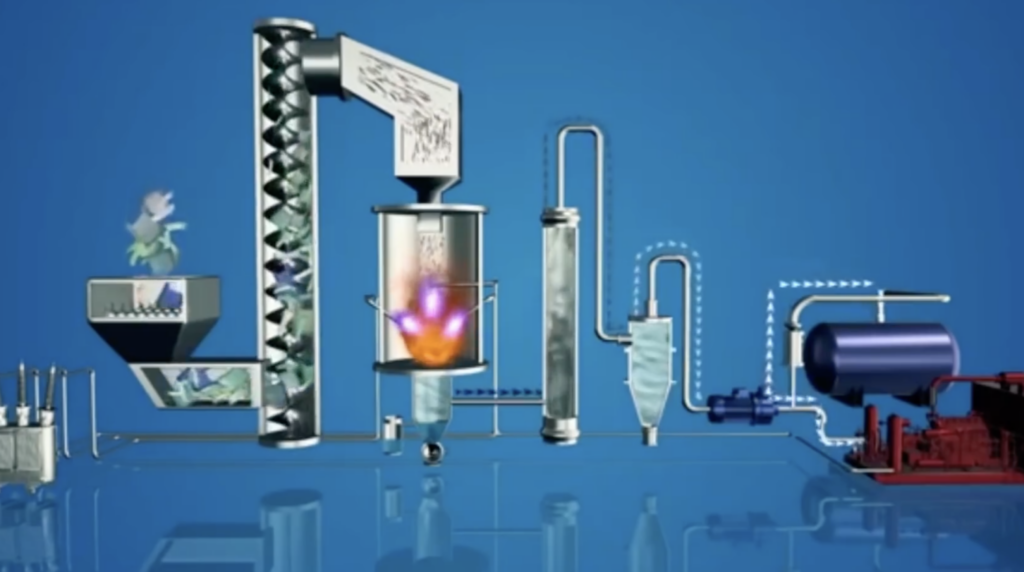
Scientists are also experimenting with combining pyrolysis with cold plasma technology. Cold plasma creates high energy electrons that can break apart the chemical bonds inside plastic. Together, these methods could transform plastic waste into gases such as hydrogen, methane, and ethylene.
Hydrogen and methane can both be used as energy sources, creating the possibility of turning unwanted garbage into a resource. Instead of allowing plastic to remain in landfills for centuries, we could potentially reuse it to produce valuable fuel.
The amount of available material is enormous. Since large scale plastic production began, humanity has created more than 8 billion tons of plastic. Billions of tons of that waste remain trapped in landfills or scattered throughout the environment, while only a small percentage has ever been recycled.
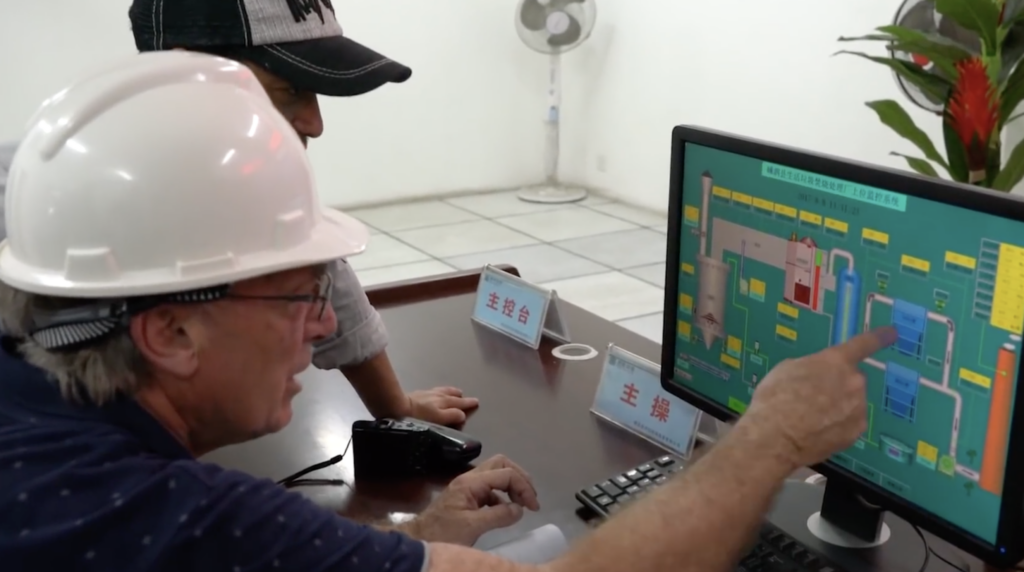
Turning plastic into fuel could reduce some of this waste while creating new economic opportunities. Supporters believe plastic to fuel facilities could create thousands of jobs and generate billions of dollars in economic activity.
However, not everyone supports the idea. Some environmental groups argue that converting plastic into fuel is not true recycling because the plastic is destroyed instead of reused. They also worry that it could encourage people to continue producing massive amounts of plastic instead of reducing consumption.
There are also technical challenges. Plastic derived fuel still does not match traditional petroleum in efficiency, and the technology requires further development before it can become a large scale solution.
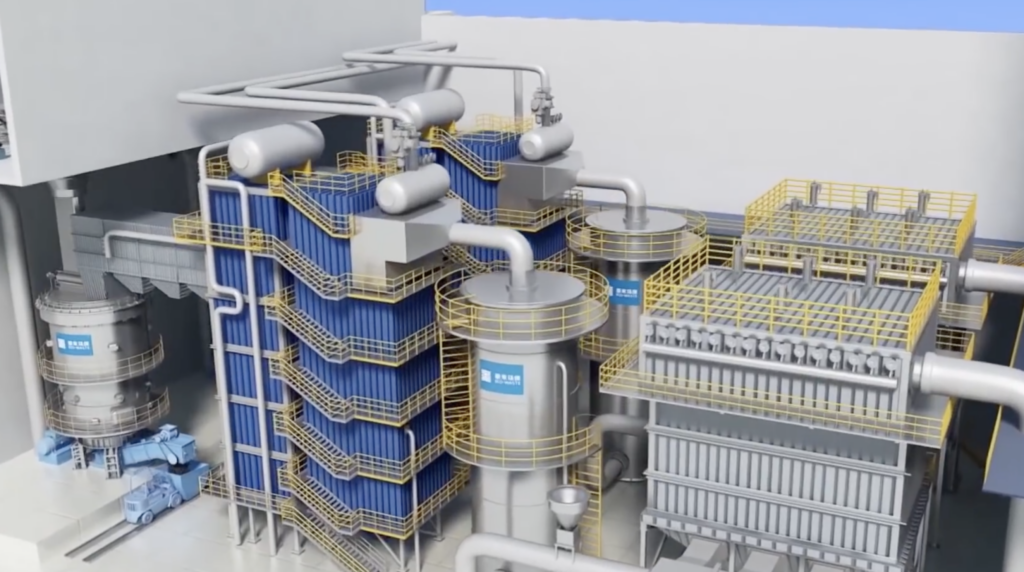
Scientists may still need years to improve the process, but the possibility remains fascinating. In a world searching for new energy sources, the garbage we throw away every day could become part of the solution.
The question is whether we can turn our waste problem into an energy breakthrough before it becomes an even bigger environmental crisis.