You survived the flash. You survived the shockwave. You are standing miles from the blast, dazed but alive.
You now have minutes, not hours, before the thing that actually kills most people arrives.
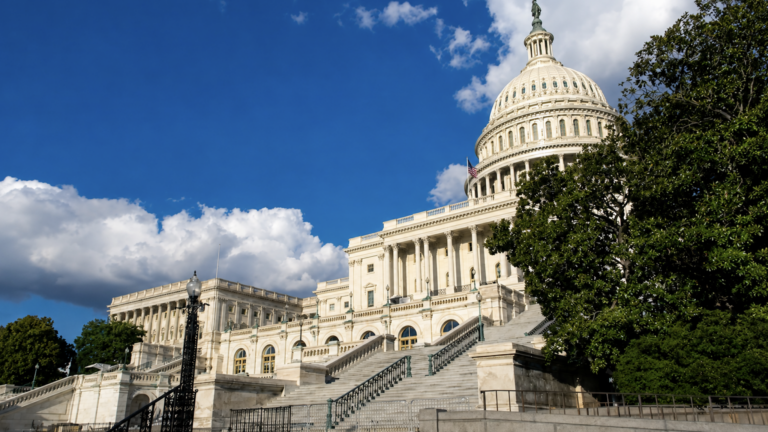
Washington, D.C. is more than the capital of the United States. It houses the White House, Congress, the Supreme Court, and countless federal agencies, and that symbolic and strategic weight has long made it one of the most likely targets in any hypothetical nuclear scenario.
Nuclear weapons vary enormously in power. The Cold War era Davy Crockett had a relatively limited blast radius. At the other extreme sat the Soviet Tsar Bomba, the largest device ever detonated.
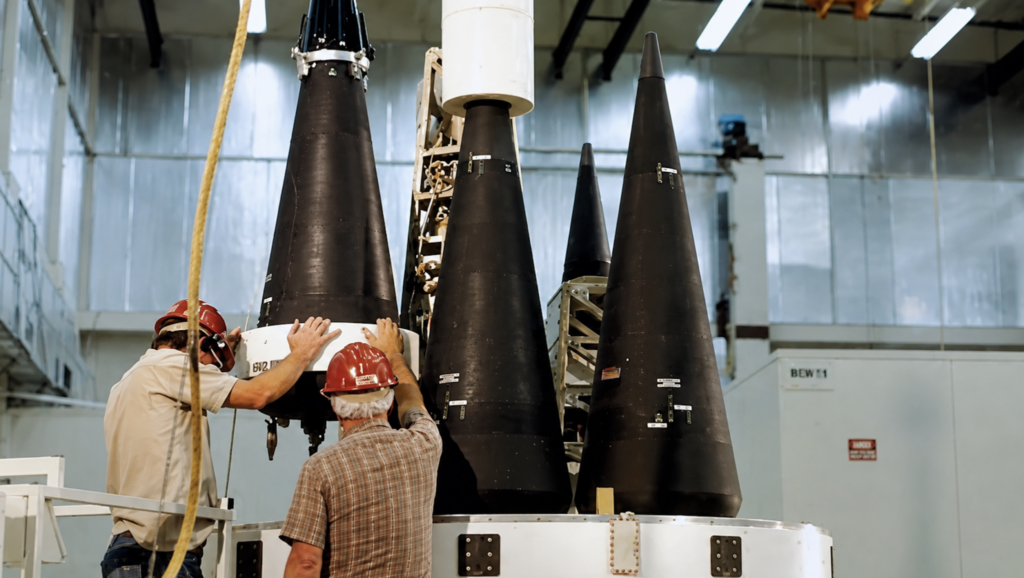
For this scenario, picture a 10 kiloton weapon detonating in the heart of the city. Smaller than many modern warheads, and still comparable to the most infamous bombs in history.
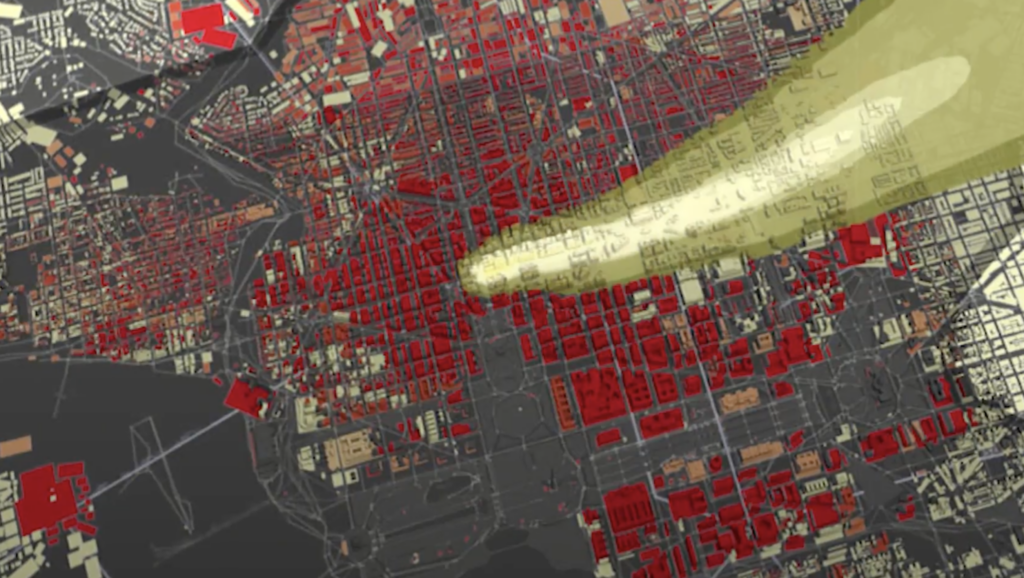
It starts with a flash brighter than the sun. Temperatures at the center instantly reach several million degrees. The nearest buildings vaporize, and everything around them collapses under the shockwave.
Within seconds, glass, metal, and debris tear across the city at lethal speeds. The power grid dies, dropping whole districts into darkness, while an electromagnetic pulse disables electronics and communication systems, crippling any attempt to coordinate a response.
Then human instinct makes everything worse. People rush toward the blast zone looking for family. Others pile into cars and create total gridlock. Experts consistently stress the opposite response: the safest place immediately afterward is a sturdy underground shelter or concrete basement, not a vehicle on the road.
Because the explosion was only the opening act.
Radioactive fallout becomes the deadliest threat. High altitude winds carry contaminated dust and debris far beyond the city, and depending on weather, radioactive particles can travel dozens of miles quickly.
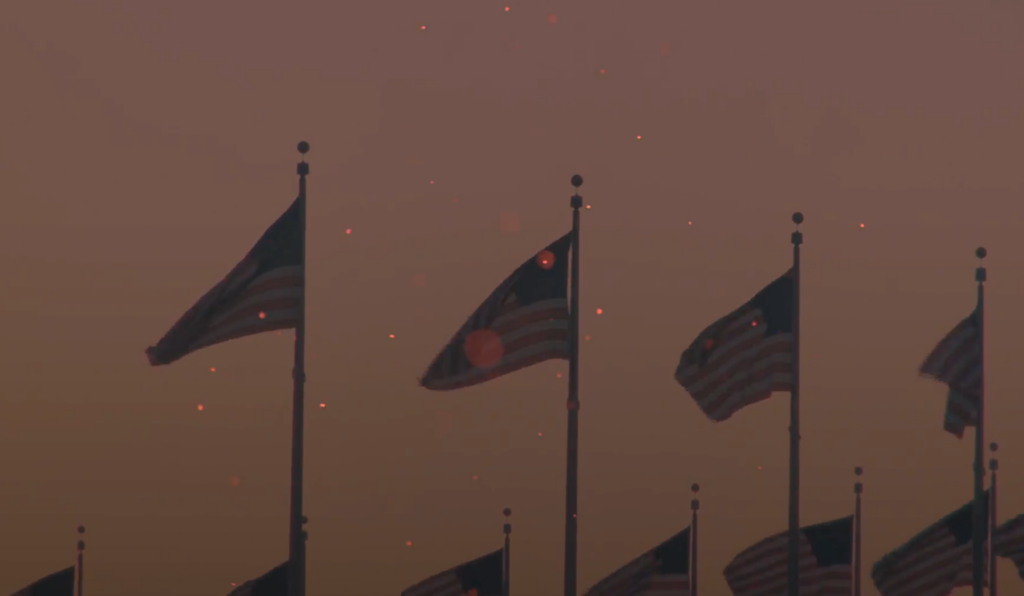
People miles away might have only minutes to find shelter before it reaches them. Exposure raises the risk of radiation sickness and long term illness including cancer. Worst of all, fallout can arrive as dust, ash, or even contaminated rain, meaning most people would not recognize the danger without an official warning.
Emergency systems would broadcast instructions through every available channel, but evacuating the region would be one of the largest logistical challenges in American history. First responders would be split between rescuing survivors and fighting hundreds of fires at once.
For days afterward, millions in surrounding areas could be told to stay indoors or inside designated shelters while authorities organize phased evacuations to limit congestion and exposure.

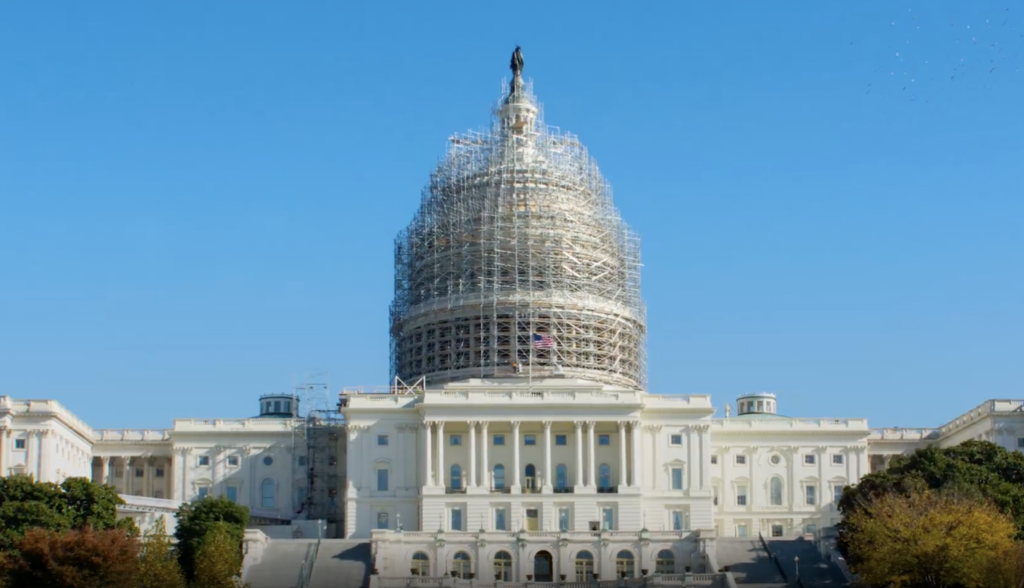
Beyond the human toll, the attack would trigger a constitutional crisis. With the nation’s most important government buildings damaged or destroyed, succession plans would activate immediately if senior leaders had not reached secure locations.
The presidency would pass to the next eligible official in line. Military commanders would fill vacant posts, and state governments would begin appointing replacements for members of Congress killed or incapacitated. Within hours, the priority becomes continuity of government and national stability.
Economically, the damage runs into hundreds of billions of dollars, with financial markets thrown into immediate turmoil.
Industries across the northeastern United States would face serious disruption. History does suggest large economies eventually recover from catastrophe, particularly once reconstruction drives investment and employment.
The greatest uncertainty is what comes next. An attack on the capital would place enormous pressure on political and military leaders to retaliate, and any response would carry consequences for the entire world.
A nuclear detonation in Washington would rank among the most devastating events in modern history, reshaping the twenty first century through loss of life, health effects, and political upheaval.
The scenario remains highly unlikely. But it explains why the real lesson of nuclear weapons is not how to survive one. It is making sure nobody ever uses one.