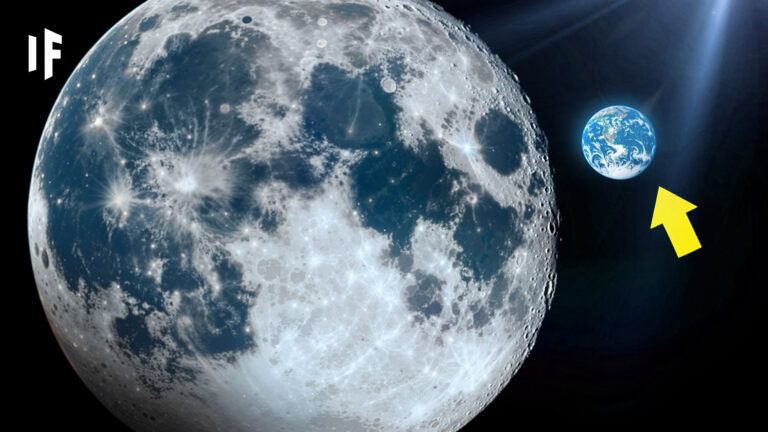
Our atmosphere stays where it is for one simple reason. Earth is heavy enough to hold it down.
Take that mass away and the air begins drifting off into space, quietly and steadily, with nothing able to stop it. That is exactly what would happen if Earth and the Moon traded sizes.
Our planet would not explode or shatter. It would suffocate slowly, losing the one thing that makes it livable.
Little Earth and Big Moon
Start with the basics. A shrinking Earth would compress everything while keeping its proportions, so mountains, oceans, continents, and the iron core would all survive, just packed into a far smaller space.
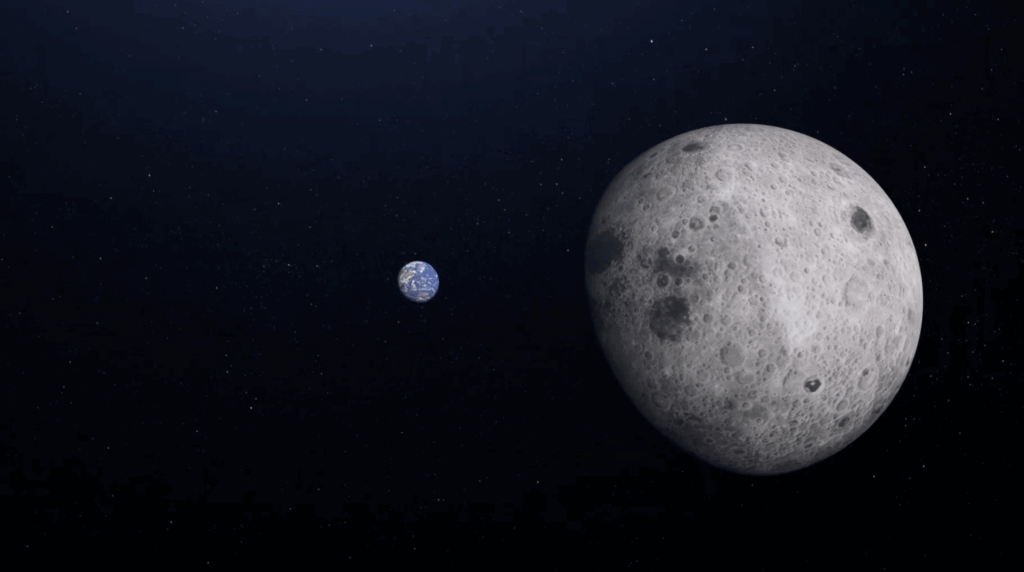
Call the result Little Earth, with the newly enormous Moon becoming Big Moon.
Humans, animals, and plants would stay their current size, which makes the shrunken planet feel immediately claustrophobic. Everything about how we move through the world would change overnight.
Gravity Changes Everything
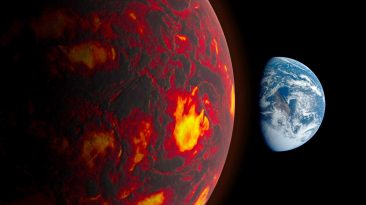
Earth is roughly four times the size of the Moon and about 80 times heavier. After the swap, Little Earth would retain only about 2 percent of its original mass with a radius cut to one quarter.
Gravity would collapse to around 27 percent of normal, so a 70 kg person would weigh just 19 kg. Movement would feel effortless, almost like bouncing, and crossing between distant cities would take a fraction of the time.
That sounds fun until your body starts paying for it, with weakening muscles, elongating spines, and fluids redistributing in genuinely harmful ways.
The Big Moon’s Impact
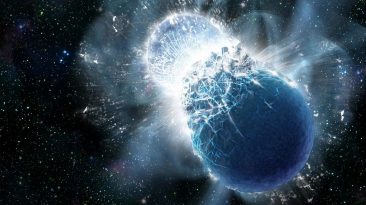
Big Moon would now carry gravity around 60 percent of Earth’s, and it would go to work on Little Earth immediately.
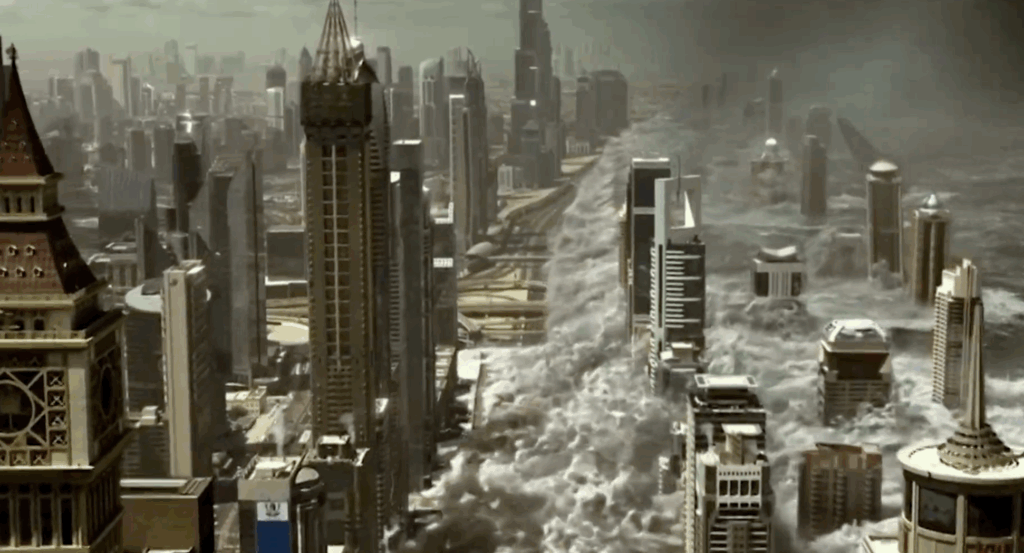
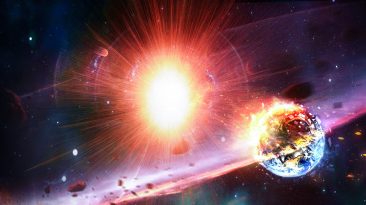
Ordinary tides would escalate into massive tsunamis, drowning coastal cities and causing catastrophic loss of life. That gravitational pull would also distort the crust of Little Earth, triggering violent earthquakes and volcanic eruptions.
The situation would resemble the way Jupiter’s gravity tortures its moon Io, producing constant geological chaos and a surface that never stops moving.
Atmosphere and Magnetic Field Collapse
Here is where survival ends without a spacesuit.
The weak gravity would let the atmosphere drift away into space, some of it likely pulled toward Big Moon. At the same time, a cooling core would strip away the magnetic field, leaving the planet defenseless against solar radiation.
Temperatures would swing wildly, water could boil off, and radiation would climb to lethal levels. Life as we know it would disappear fast.
Tidal Locking and Eternal Days
Over millions of years, Little Earth would become tidally locked to Big Moon, with one side permanently facing it.
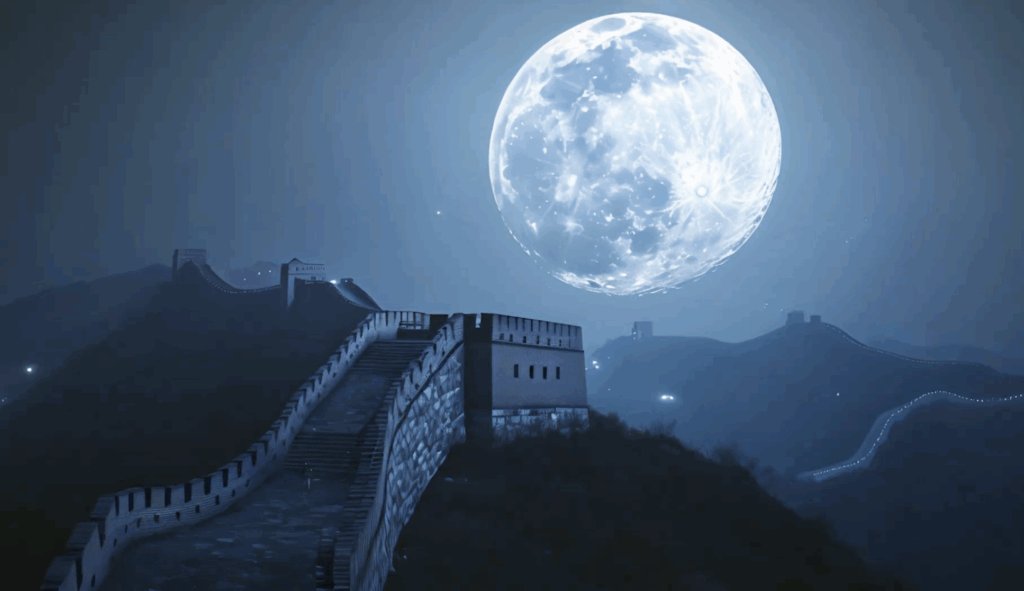
Days and nights would stretch into weeks, creating months of unbroken sunlight or darkness. Between the extreme temperatures, constant radiation, and violent seismic activity, the concept of a normal day would simply stop existing.
Life on Big Moon
Strangely, the swap might still leave humanity an exit.
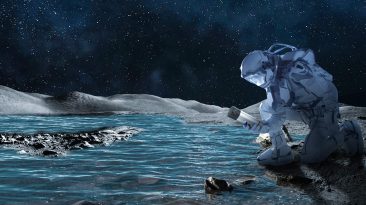
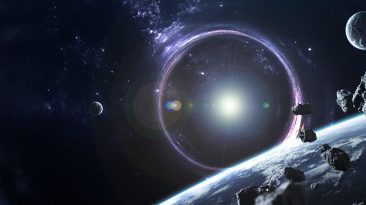
Big Moon would hang in the sky as a genuine planetary body, and with stronger gravity and a workable distance from the Sun, it could become our new home if we engineered an atmosphere. Polar ice could be melted for water, and plants introduced to produce oxygen.
The low gravity on Little Earth would actually help, making launches far easier and letting us ferry resources across.
Could Humanity Survive
Surviving the initial chaos is the hard part. After that, the future would belong to Big Moon.
Habitats could be built, breathable air created, and water pulled from ice reserves. Adapting to a world where Earth has become a tiny moon orbiting a giant one would be daunting, though not impossible.
We have survived extreme challenges before. The difference this time is that the planet we started on would still be there, hanging in the sky, slowly losing the last of its air.