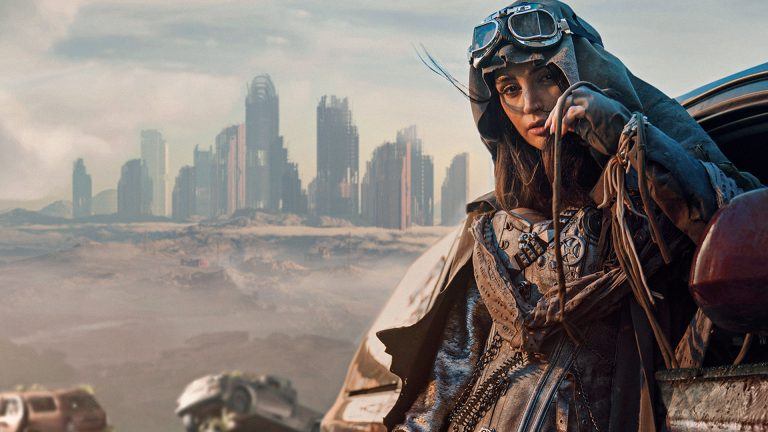
The world has ended. However it happened, it’s done, and you’re one of the people still standing.
The internet is gone. Computers are useless. Libraries and databases burned, and most of the scientists, engineers, and doctors who held the knowledge died with them.
There’s no time to grieve any of it, because whatever comes next has to be built by whoever survived, starting almost immediately.
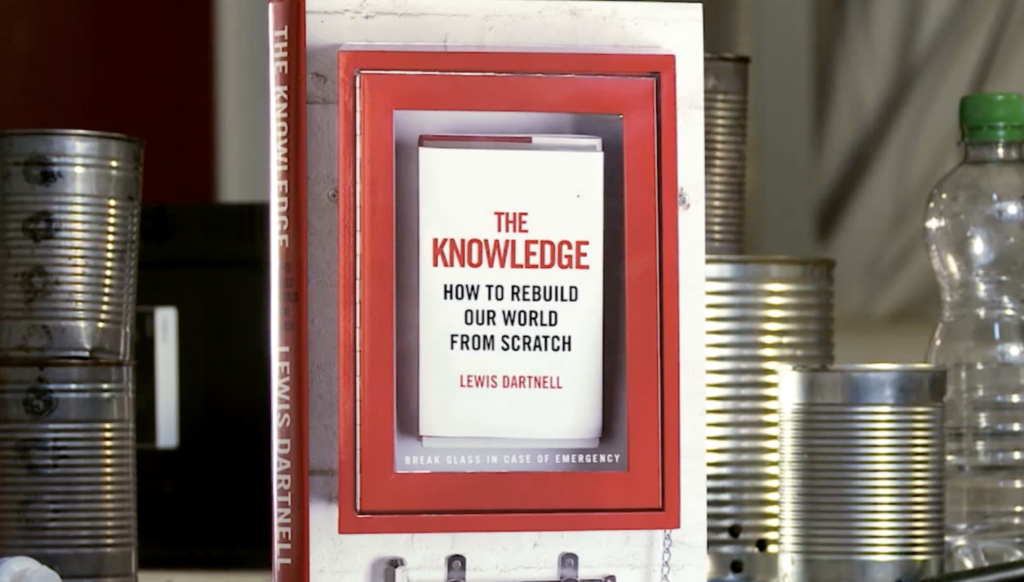
The cause honestly doesn’t matter much. A virus, an asteroid, nuclear war, possibly all three. What matters is what you do on the other side.
In his book The Knowledge: How to Rebuild Our World from Scratch, astrobiologist Lewis Dartnell argues that despite everything humanity has invented, rebuilding comes down to three essentials.
Food, fire, and knowledge.
You need to keep everyone fed. You need power sources to make tools and move things. And you need to record and pass on what you learn, or the whole effort dies with your generation.
One thing worth accepting early: you can’t do any of this alone, no matter how capable you think you are. Nobody knows enough. You’d need the collective knowledge of everyone around you, plus a willingness to ask questions and test things that might not work.
Step one is staying alive, which in the beginning means no power, no antibiotics, and none of the comforts you grew up with.
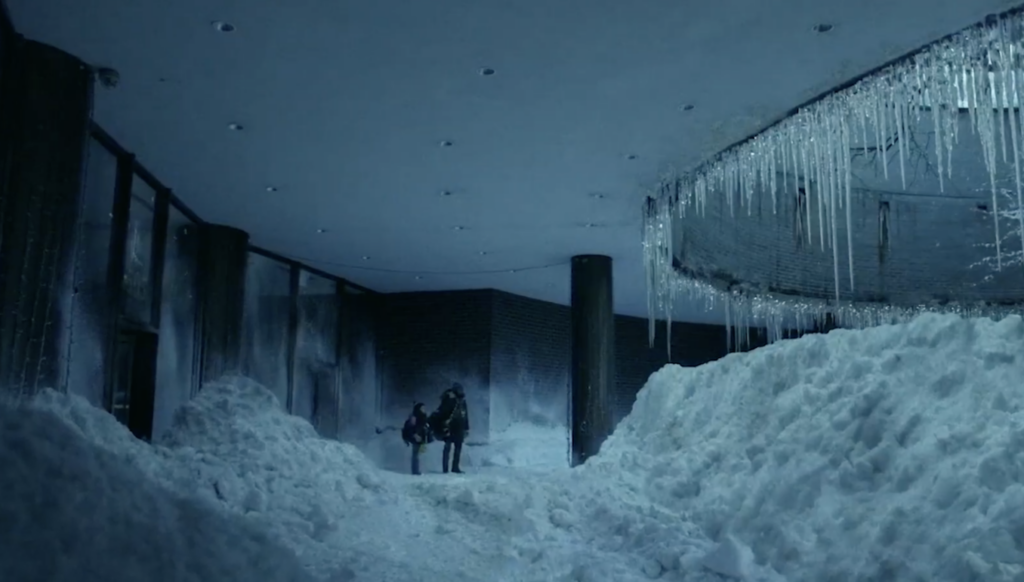
Clean water, shelter, and fire for warmth. If you can’t manage those three yourself, find people who can, quickly.
Step two is scavenging. Supermarkets first, working through anything with a long shelf life.
That buys you time and nothing more. The real work is growing food, and then working out how to preserve it.
Start with grains. Wheat, rice, and corn have carried human civilization further than almost anything else, because they grow fast and they fill people up.
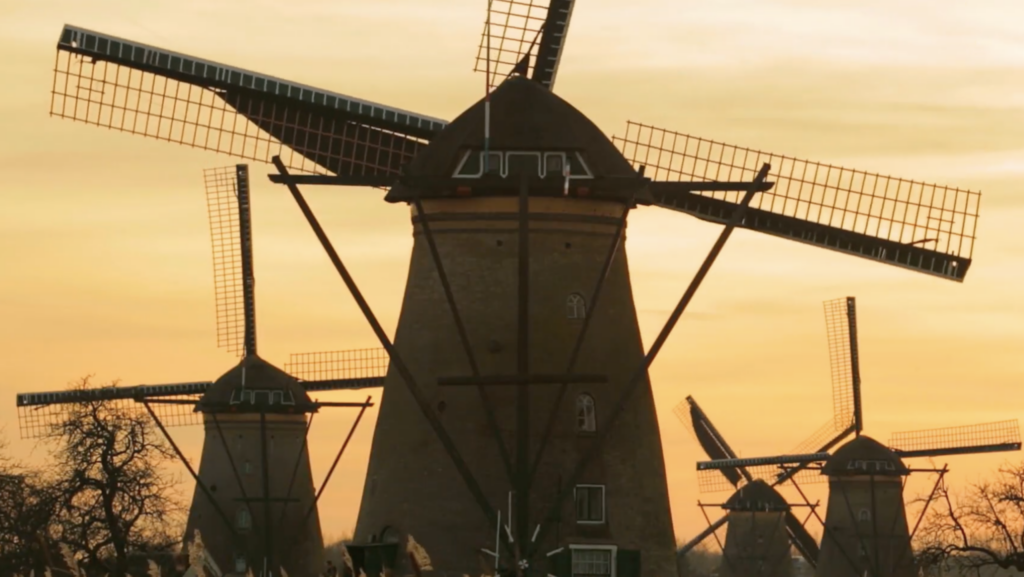
Then comes the technology problem. Grain needs grinding, and doing it by hand for an entire community is brutal. You’d want something like the Roman water wheel or the medieval windmill, which means rebuilding those from memory or from first principles.
Get that right and you can finally think about something other than eating.
Power, for instance. And here’s where the plan people usually imagine falls apart.
The obvious move is picking up where we left off with fossil fuels. Except we’ve already extracted the easily accessible ones. What remains needs extremely complex drilling systems operating in remote locations, which is not something a handful of survivors builds.
So you’re burning things instead.
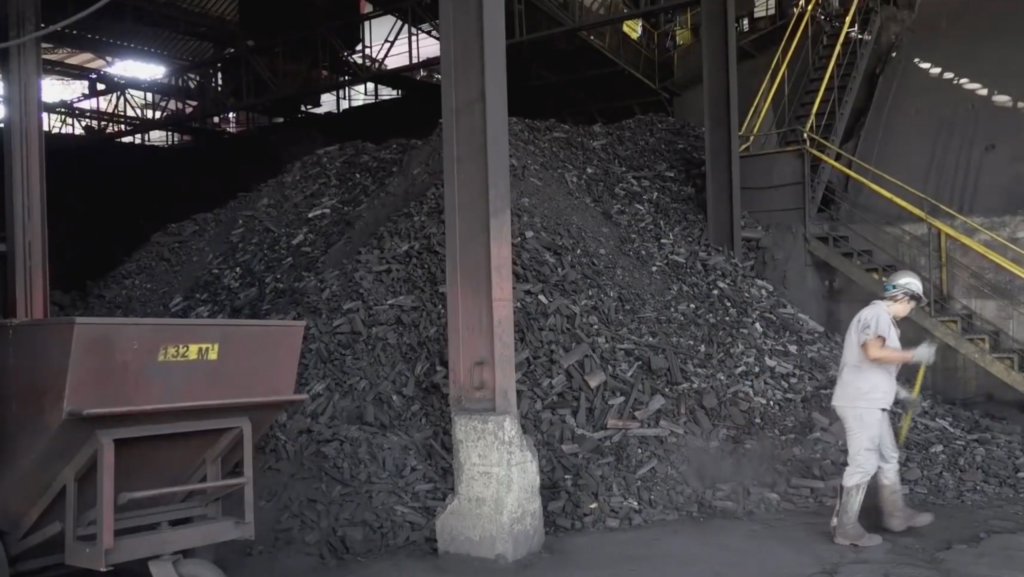
Any serious industry, making steel, bricks, or glass, demands enormous amounts of fuel, and charcoal is the best option available. It burns hotter than coal and it’s close to carbon neutral, which makes it a genuinely sustainable foundation.
Brazil currently produces more charcoal than anywhere else, and the method is straightforward enough to copy. Air dry your timber, pile it into a mound covered with soil, and let it smolder.
Renewables would have to wait. Solar panels sound ideal until you remember they’re made from pure silicon, which is sand processed through a chain of steps far beyond anything a rebuilding society could replicate.
Which leaves the step that might matter most of all. Communication.
Locally, that means teaching people and keeping them engaged, and stories turn out to be the most effective tool available. A well told story can make important information roughly 20 times easier to remember.
Reaching anyone beyond your immediate area is harder. You’d need a radio, and building one from scratch is more complicated than building a toaster from scratch, which is already famously difficult.
Manage it and you face the next problem, which is what to actually send. Morse code becomes useful here, assuming somebody remembers it or can reconstruct it.
Even a message nobody understands does something valuable, though. It tells whoever receives it