Somewhere in your last grocery bill, your last tax payment, and your last medical expense, there is a hidden charge you never agreed to.
It is the cost of cleaning up a planet you did not break.
Here is the number that should make you furious: since 1988, just 100 companies have produced 71 percent of all the world’s carbon emissions. One hundred corporations, and nearly three quarters of the crisis. Their operations sit at the center of the climate emergency we are all living through.
And that emergency has a price tag. Roughly 4.7 trillion dollars in medical and social costs drain out of the world economy every single year.
Guess who covers it? Not them. You.
Now, you might object. Surely companies already pay for their pollution? On paper, yes. As climate damage becomes impossible to ignore, more countries have adopted the polluter pays principle, a rule that says whoever causes environmental damage must pay to repair it.
You break it, you buy it. Simple, fair, and almost entirely fictional.
In reality, the rule barely functions. The U.S. Environmental Protection Agency itself admits that certain environmental standards are not fully implemented in American law. And when companies do pay, the money often flows in a circle, because those payments are propped up by subsidies.
Here is how absurd it gets. In 2015, the world’s biggest fossil fuel companies collected a combined 5.3 trillion dollars in subsidies. That same system leaves you and your neighbors covering more than 90 percent of the cost of recycling.
Stop and let that arithmetic sink in. The companies get paid while they pollute. You pay to clean up after them. The bill always slides down to the bottom, and the bottom is you.
So what would happen if the bill finally went to the right address?
We actually know. In 2008, researchers calculated the combined environmental damage caused by companies worldwide: 2.2 trillion dollars, a sum larger than every national economy on Earth except ten.
Two years later, a United Nations backed study asked the question corporations dread: what if companies had to pay for their pollution in full, no subsidies, no loopholes?
The answer: they would lose one third of their profits.
Would that be a disaster? For a moment, maybe, even for you. Prices on everyday products would jump as businesses scrambled to recover their losses. But then competition, the one force corporations respect, would kick in. Companies would fight for customers the only way left: by innovating, going greener, and cutting prices back down.
And the early signs of that future already exist. Apple, Facebook, Google, and Ikea stand among 156 companies committed to running on 100 percent renewable power.
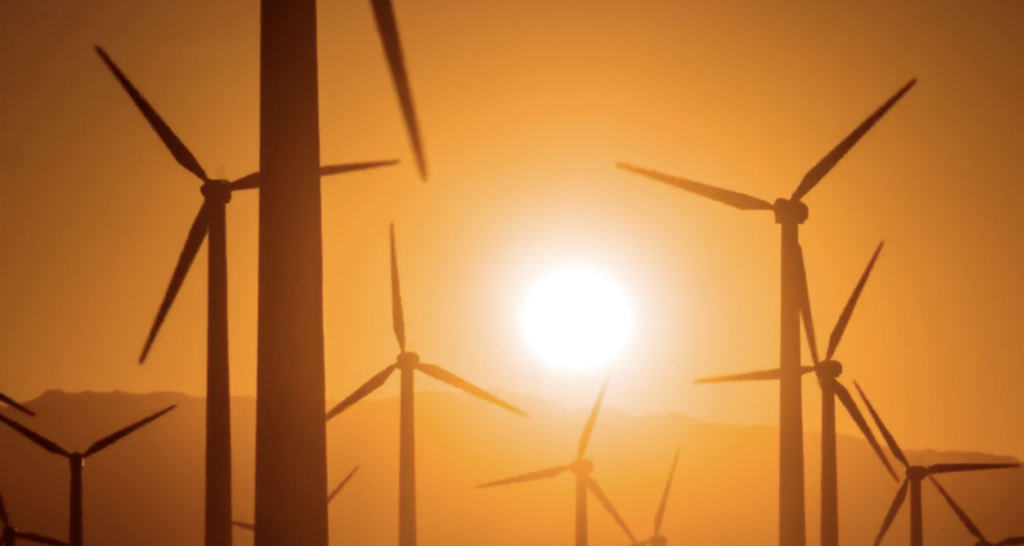
Even the fossil fuel giants are hedging their bets. Shell announced a 1.7 billion dollar investment in wind power. Although, to be fair, that conversion came right after findings showed fossil fuel companies risk sinking over 2 trillion dollars into dirty projects that may end up worthless.
The market is quietly turning against them. As electric cars grow more efficient, affordable, and clean, buyers will drive them off the lots while the gas guzzlers gather dust. As more companies adopt wind and solar, the technology gets cheaper for everyone, until clean energy stops being a corporate strategy and becomes a household decision.
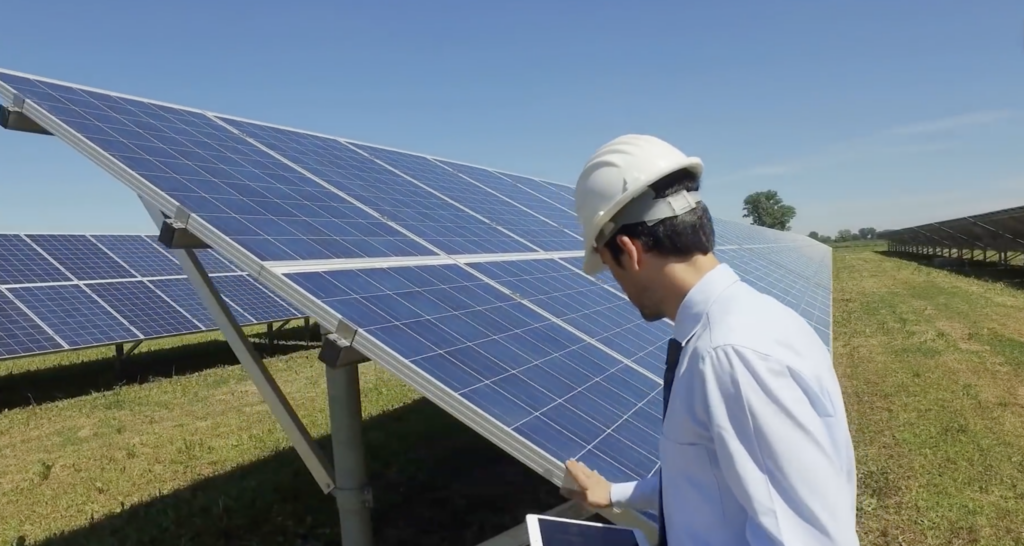
That is the moment the bill finally reverses direction. Your own roof could start earning money, selling solar power back to the grid. The person who always paid becomes the person who gets paid.
We are not there yet. Plenty of corporations still dodge the cost of their pollution, and the hidden charge is still buried in everything you buy. But the pressure is building, from companies rewriting their business models to entire countries like France committing to 100 percent recycled plastic by 2025.
Climate headlines are designed to scare you, and the numbers in this one deserve to. But remember the other side of the story: the system that made you pay for someone else’s damage is not a law of nature. It can be changed.
They burned the planet, and you have been paying the bill for decades. The least you can do is know whose name should really be on it.