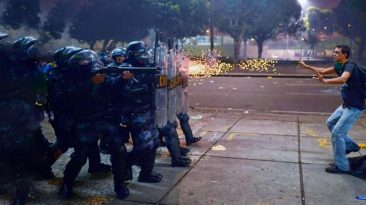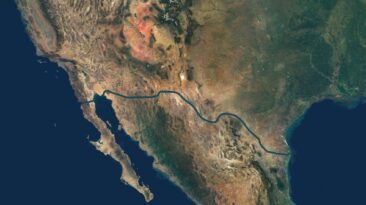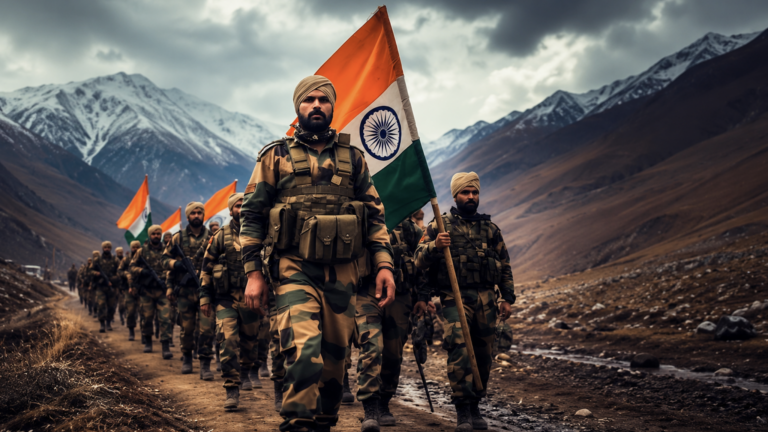
On that border, soldiers patrol without guns.
Both sides agreed to it, a rule meant to stop a disagreement from becoming a shooting war. And in 2020, along the disputed line between India and China, the rule held. Nobody fired a shot.
They fought with their hands instead. Men were injured. Men died.
That is the state of things between two nuclear armed nations with more than a third of the world’s population between them, and it is only one of the flashpoints that could ignite the next global war.
Could World War III really happen before 2030? Old rivalries and new power moves are pushing several nations toward the edge. Here are five conflicts that could light the fuse.
1. The India and Pakistan Nuclear War
These neighbours have clashed violently for decades over the placement of their shared border. In May of 2025, the two countries spent several days firing missiles at each other.
A ceasefire is holding now, but that flare up proved how quickly things can escalate.
The consequences would not stay local. Fallout would reach Nepal, China, Afghanistan, and almost certainly further. For now, a border dispute is simply not worth mutual destruction.
For now.
2. China’s Invasion of Taiwan
The question of Taiwan’s status has shadowed the region for over a century, and tensions have sharpened in recent years. Some analysts allege China has a deadline in mind and could be ready to invade by 2027.
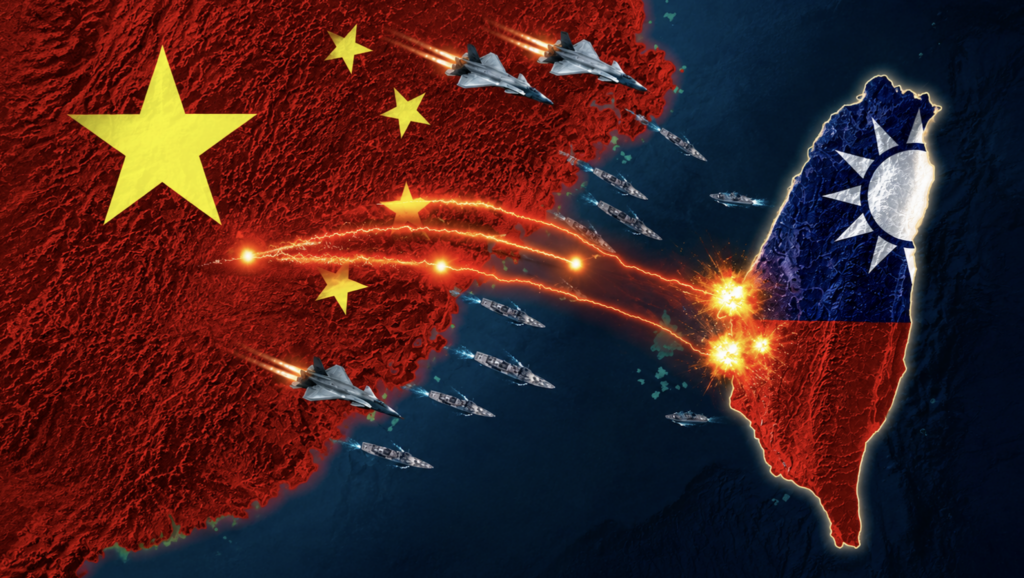
Chinese President Xi Jinping has denied those claims. And there may be a practical reason for caution beyond politics: the Chinese military has not seen active combat since 1975.
An untested army is a gamble, even for a superpower.
3. Russia and the Baltics
Russian President Putin has made no secret of wanting to reclaim territory he believes belongs to Russia, and the Baltics sit high on that list.
There is one enormous obstacle. Those are NATO countries, and attacking them would not end well for anyone involved.
Russia has also lost over a million soldiers in its war against Ukraine, straining its military capacity severely. And yet the possibility remains that Moscow could decide a second front is worth the cost to take back land it considers its own.
4. India Versus China
Which brings us back to that gunless border.
India and China share a boundary wrapped in decades of tension, and China has never accepted the line as drawn. Relations deteriorated to the point where patrolling troops are forbidden from carrying firearms, a measure designed to prevent exactly the kind of incident that happened anyway.
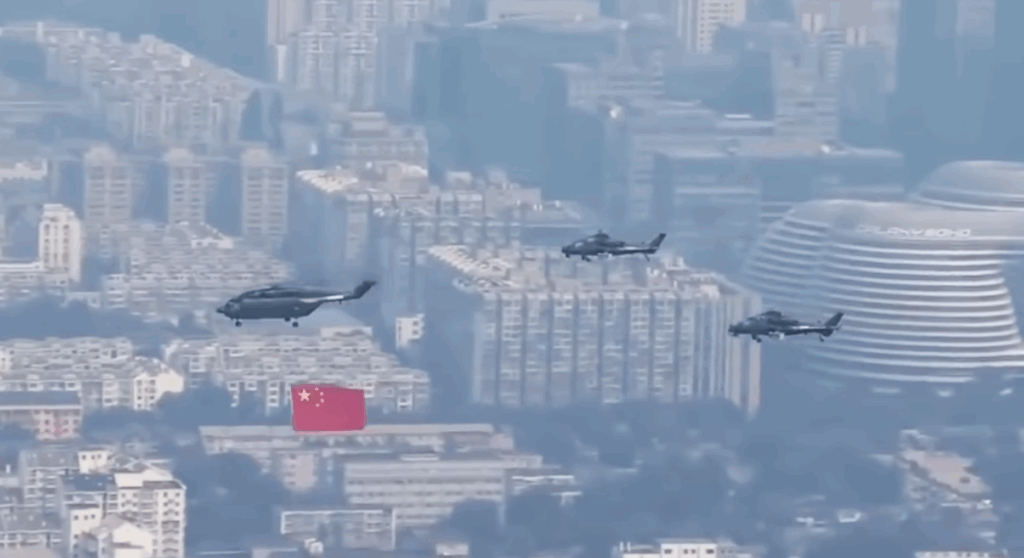
In 2020, a confrontation broke out and was settled with fists and improvised weapons. Many were injured. Some were killed.
China now appears interested in building a more stable relationship with India, but the border itself has not moved, and neither has the disagreement over it.
5. A Korean War
North Korea remains one of the most opaque countries on Earth, leaving the rest of the world guessing about what happens behind its borders. It is also among the most willing to talk openly about using its nuclear arsenal.
Incidents along the border keep accumulating. In August of 2025, South Korea fired warning shots at North Korean troops who had crossed the line, one more reminder of how thin the margin is between the two nations.
And South Korea is not the only target. North Korea has aimed nuclear threats at other countries including the United States, picking a fight it could never win but might still start.
Five borders. Five long running grievances. And on at least one of them, soldiers have already killed each other with their bare hands because the rules would not let them use anything else.