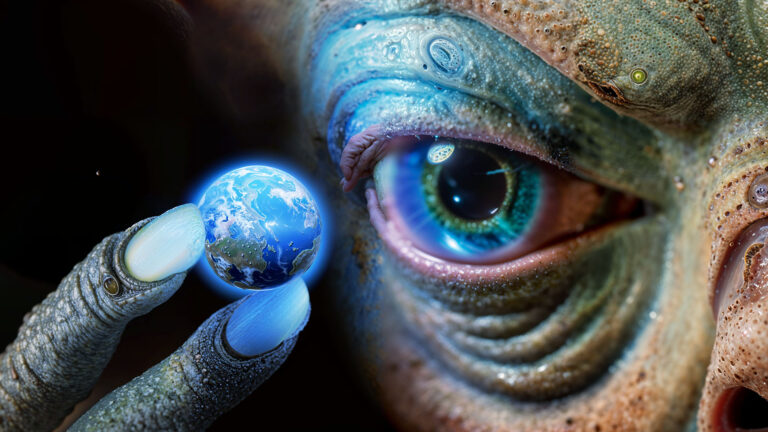
On a cosmic report card, humanity does not even earn a passing grade.
There is a scale scientists use to measure how advanced a civilization truly is, and it has nothing to do with smartphones, skyscrapers, or trips to the Moon. It was created by Russian astronomer Nikolai Kardashev, and it asks one brutal question: how much energy can you actually capture and command?
The original version had three levels. Modern futurists have stretched it to seven, describing civilizations that climb from ruling a single planet to rewriting reality itself. It is not a prediction. It is a map of what intelligence could become given enough time.
And here is the uncomfortable part. Humanity has not even reached level one. Before we look at where we actually stand, let us see what we are being measured against.
Type 1: Masters of a Planet
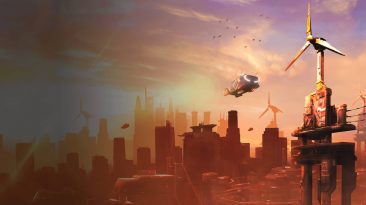
The first rung on the ladder is a civilization that commands every scrap of energy its home world offers. For Earth, that means capturing sunlight, wind, geothermal heat, and the power of the oceans at full efficiency, with fossil fuels abandoned as a primitive relic.
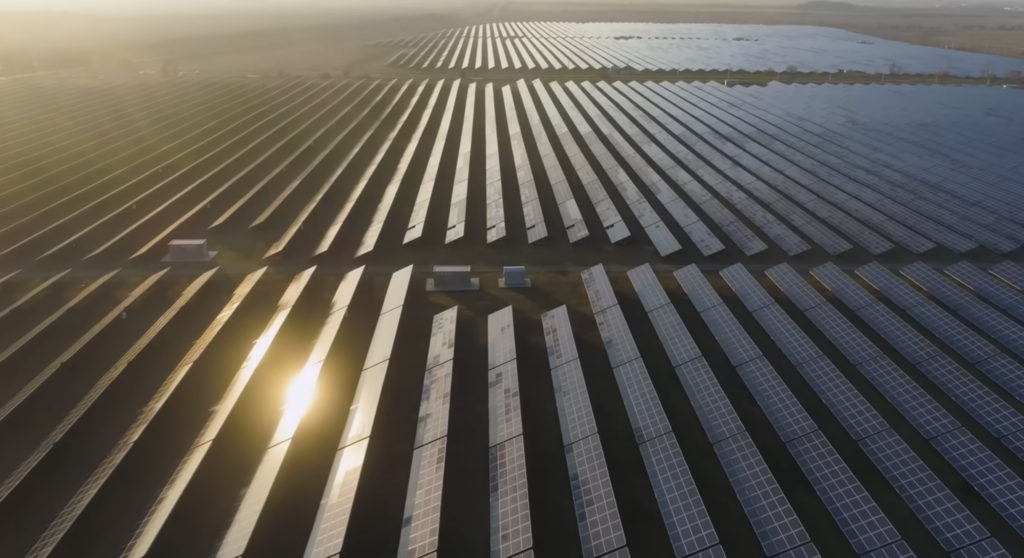
Life at this level would be almost unrecognizable. Most diseases would be gone. Lifespans would stretch far beyond anything we know. Hurricanes and earthquakes would be managed before they destroy anything. And humanity would likely operate as one unified global society, sharing communication, governance, and science across the entire planet.
This is the entry level. The beginner stage. And we are not there.
Type 2: Owners of a Star
The next leap is staggering. A Type 2 civilization does not just use its planet. It drinks energy directly from its star.
For us, that would mean engineering projects on a scale that breaks the imagination, like a Dyson Swarm, a cloud of countless collectors wrapped around the Sun to capture its output. With that much power, humans could terraform entire planets, settle distant moons, and spread permanently across the Solar System.

Space travel becomes as routine as air travel. Resource scarcity essentially dies. Yet even this civilization has a weakness: everything still depends on one star. To truly secure its future, it must go interstellar.
Type 3: Rulers of a Galaxy
A Type 3 civilization commands the energy of an entire galaxy. Imagine humanity scattered across the Milky Way, propelled by engines approaching light speed or carried by robotic probes that build copies of themselves as they spread from star to star.
Billions of suns wrapped in Dyson Swarms. Entire star systems redesigned for efficiency.
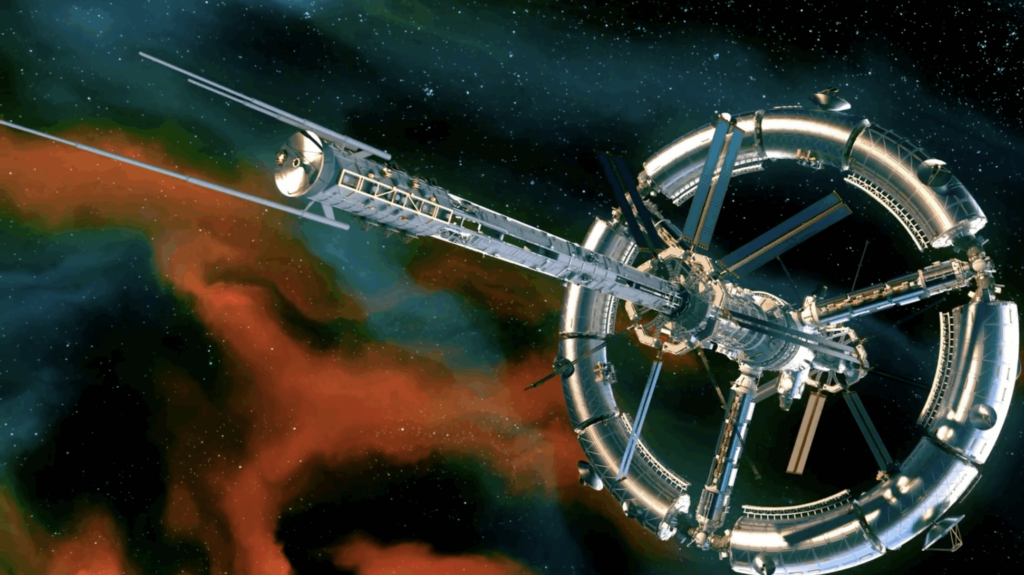
At this stage, the word human starts to blur. Our descendants would likely merge with artificial intelligence or cybernetic bodies, living for millennia, perhaps functionally immortal, while managing an empire of stars.
Type 4: Power Over the Universe
Beyond the galaxy waits something even stranger. A Type 4 civilization reaches across the entire observable universe, mapping billions of galaxies and understanding the deepest machinery of the cosmos.
Meeting other intelligent species at this level would be almost inevitable, forcing questions no philosophy has ever answered. Do you interfere? Cooperate? Simply watch?
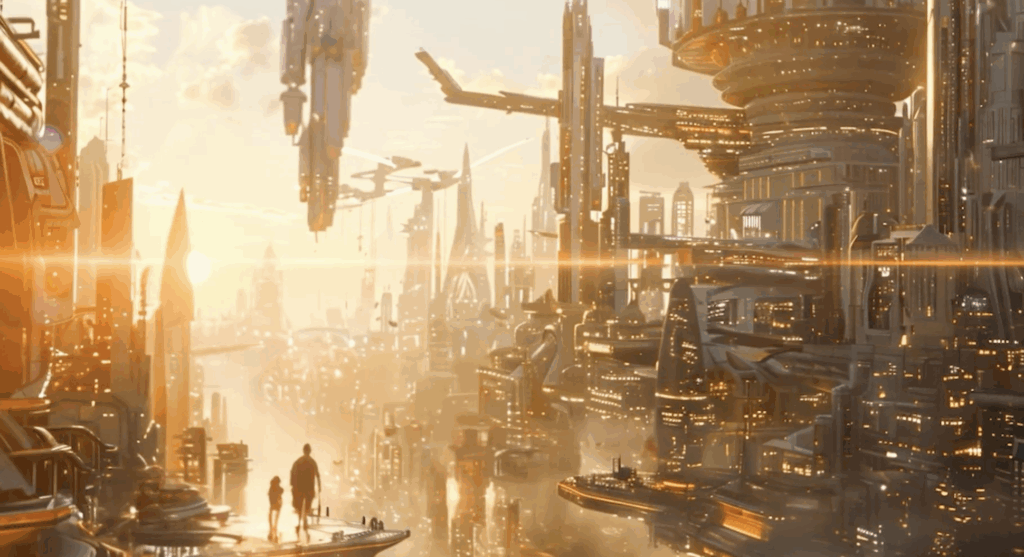
To anyone from an earlier stage, these beings would look like gods. And yet even gods at this level face an enemy they cannot defeat: entropy, the slow unwinding of the universe itself.
Type 5: Escaping Our Universe Entirely
So what does a civilization do when its universe has an expiration date? It leaves.
A Type 5 civilization operates across the multiverse, moving between universes with entirely different physical laws and harvesting energy from multiple realities at once. Physics stops being a set of rules and becomes a laboratory, with constants that can be adjusted and alternate versions of existence waiting to be explored.

Survival no longer depends on any single universe. Extinction becomes almost impossible. Reality turns into territory.
Type 6: Beyond All Universes
At Type 6, civilization expands into the omniverse, the totality of every possible universe and every possible timeline. Biology is long gone by now. What remains of humanity would exist as pure energy or machine based consciousness, capable of creating brand new universes and steering cosmic evolution across infinite realities.
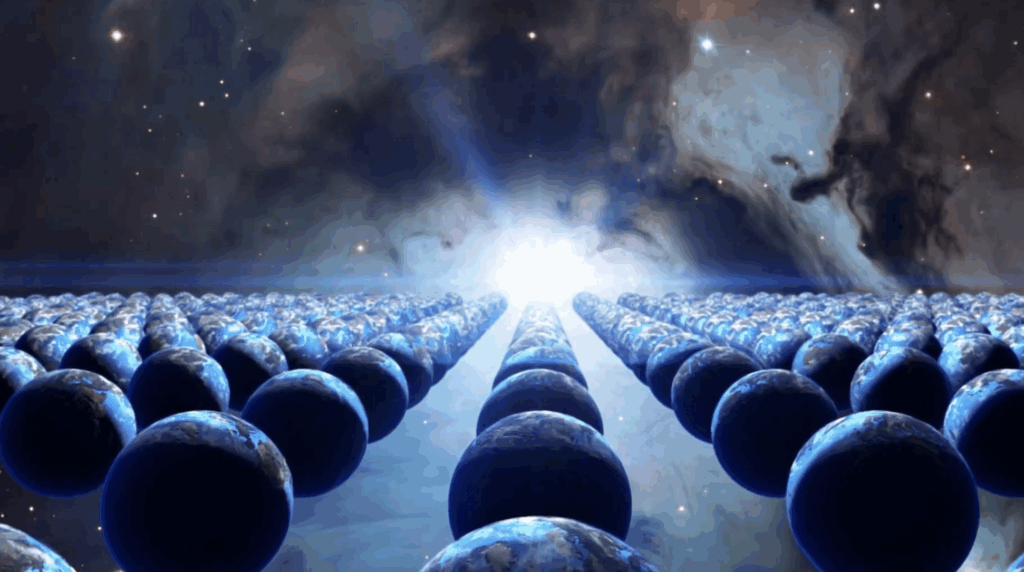
Vast artificial intelligence systems would likely maintain balance across creation itself. With survival guaranteed and expansion complete, only one frontier remains: the search for purpose, meaning, and total understanding of existence.
Type 7: When Civilization Becomes Creation
The final theoretical stage is almost impossible to describe in human language. A Type 7 civilization holds absolute control over all reality, every dimension, every timeline. Universes can be created, rewritten, or deleted in an instant. Beings exist as pure consciousness, free of any physical form.
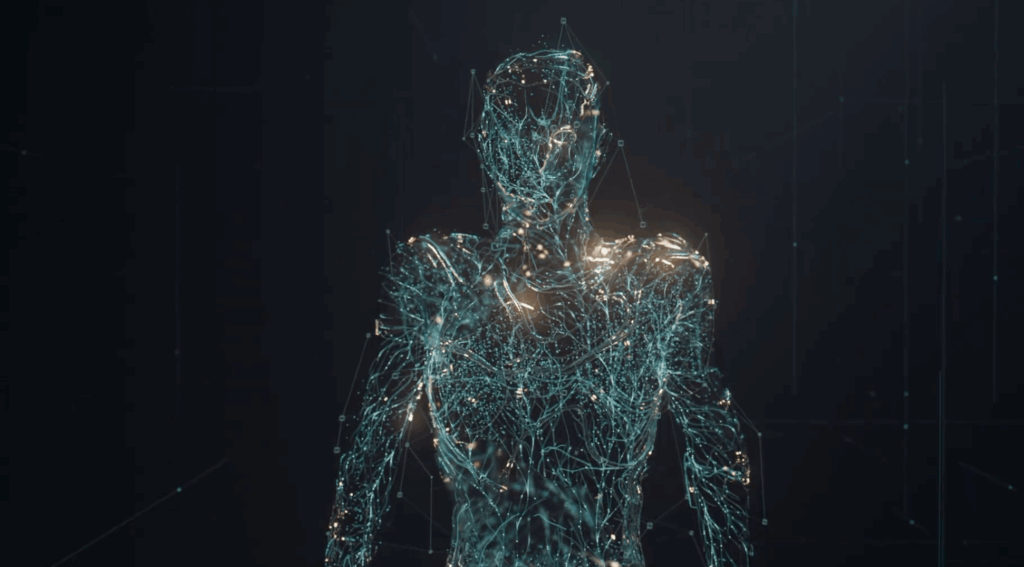
Time, space, and matter become tools instead of limits. At this point, the civilization and existence itself are the same thing. There is nothing left to conquer, because they are everything.
So Where Are We? The Answer Hurts
Now for the reality check. On this entire ladder, from planetary control to godhood, humanity sits at roughly Type 0.7.
Not level one. Not even close. We still burn fossil fuels dug out of the ground like our ancestors burned wood. We can predict storms but not stop them. We can soften disasters but not prevent them. Our control over our own planet is partial at best.
There is hope in the numbers, though. Renewable energy is accelerating, fusion research is advancing, and the planet is more digitally connected every year. The climb has clearly begun.
But most experts agree on the sobering timeline: reaching full Type 1 status will likely take a few more centuries. On the scale of what intelligence could become, we have not taken the first real step. We are still standing at the bottom of the ladder, looking up.