It begins with a single speech.
Newly inaugurated for a second term, Donald Trump steps in front of cameras at the White House and announces sweeping economic measures: a 25% tariff on most Canadian imports, along with a proposed 10% tariff on Canadian crude oil. What starts as economic pressure quickly escalates into something far more dangerous.
Within hours, Canadian media and social platforms erupt. Memes flood timelines, some joking about Canada becoming the “51st state,” others expressing outrage at what many see as a direct threat to national sovereignty. The rhetoric intensifies when Trump publicly mocks Justin Trudeau, referring to him as a “governor” rather than a head of state.
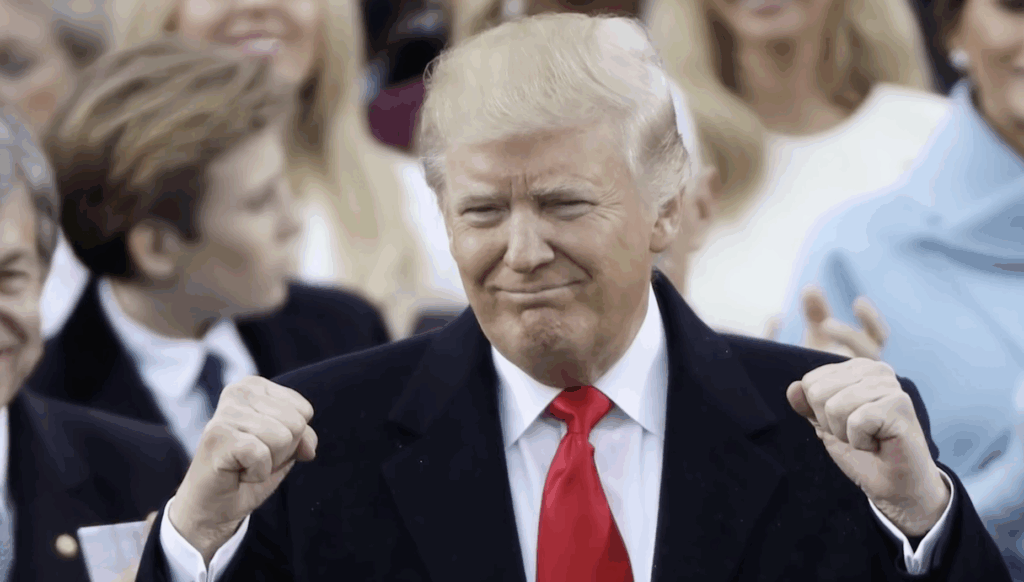
Trudeau fires back with a firm message: Canada will not be intimidated.
A War of Words Turns Into a Show of Force
As tensions rise, both leaders dig in. National pride surges on both sides of the border, fueled by viral clips and political sound bites. But behind the scenes, something more serious is unfolding.
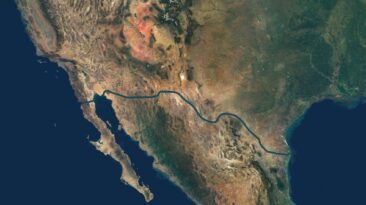
The Pentagon launches a large-scale “routine” military exercise near the northern border. Advanced equipment – M1A2 Abrams tanks, F-35 fighter jets, and surveillance drones, begins appearing in states like Montana, North Dakota, and Michigan.
Officially, it’s business as usual. Unofficially, the timing raises alarms.
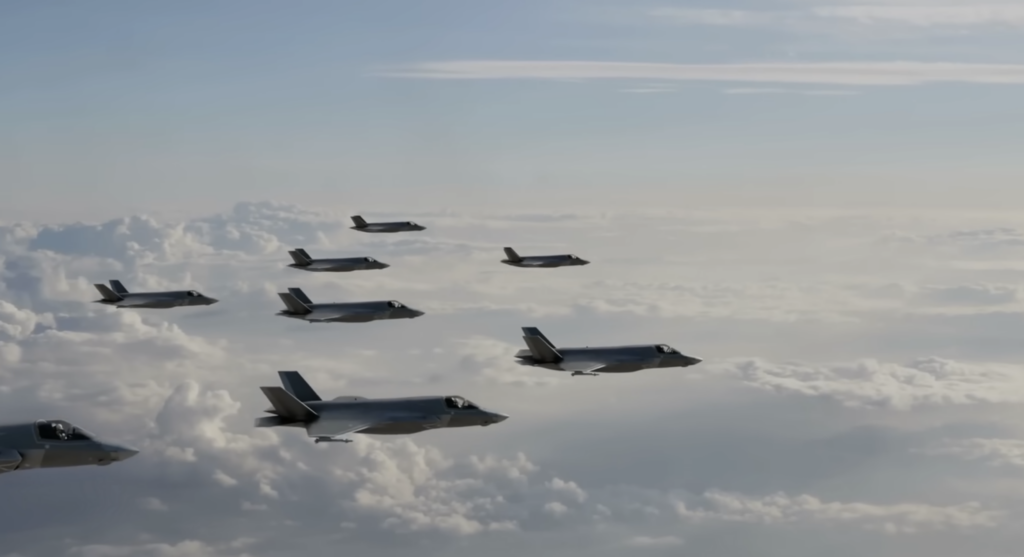
Canada responds by increasing air patrols and boosting military readiness. Meanwhile, NATO leadership grows uneasy. A conflict between two member nations presents an unprecedented crisis: if both allies are involved, who does the alliance defend?
Economic Fallout Hits Civilians First
Before any shots are fired, ordinary people begin to feel the consequences.
Prices rise. Supply chains falter. Grocery shelves empty faster than usual. In border towns, anxiety spreads as residents stockpile food, water, and fuel.
Then, in early 2027, everything changes.
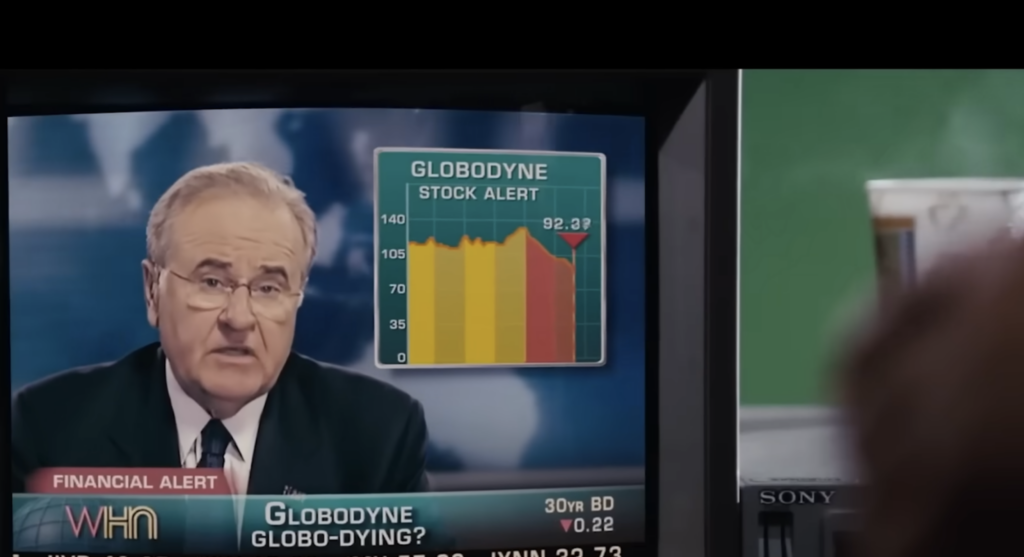
Diplomatic talks collapse. Canada retaliates with tariffs on over $150 billion worth of American goods. The trade war spirals out of control, and global markets react immediately. The S&P 500 plunges, echoing the panic seen during the COVID-era crashes.
The world watches in disbelief as two of the closest allies in modern history edge toward open conflict.
The Breaking Point: Military Action Begins
By spring 2027, the situation reaches a tipping point.
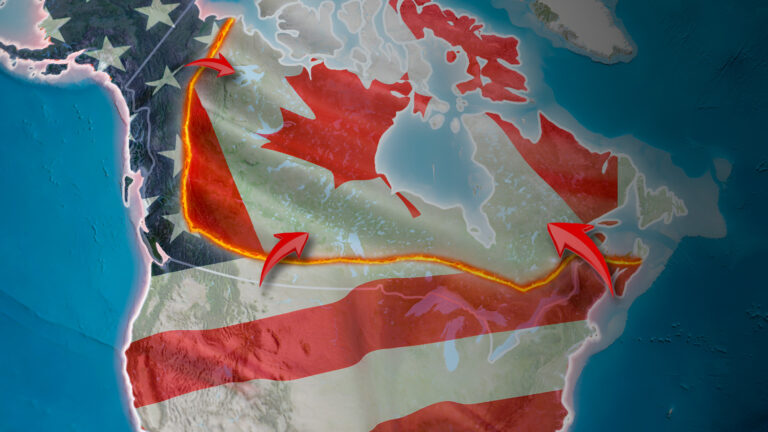
Under a directive labeled Operation True North, U.S. forces launch targeted strikes on Canadian border infrastructure. Roads, railways, and checkpoints in Ontario and British Columbia are hit in rapid succession. Within days, highways around Toronto become gridlocked with civilians trying to escape. Millions are displaced as panic spreads across major cities.
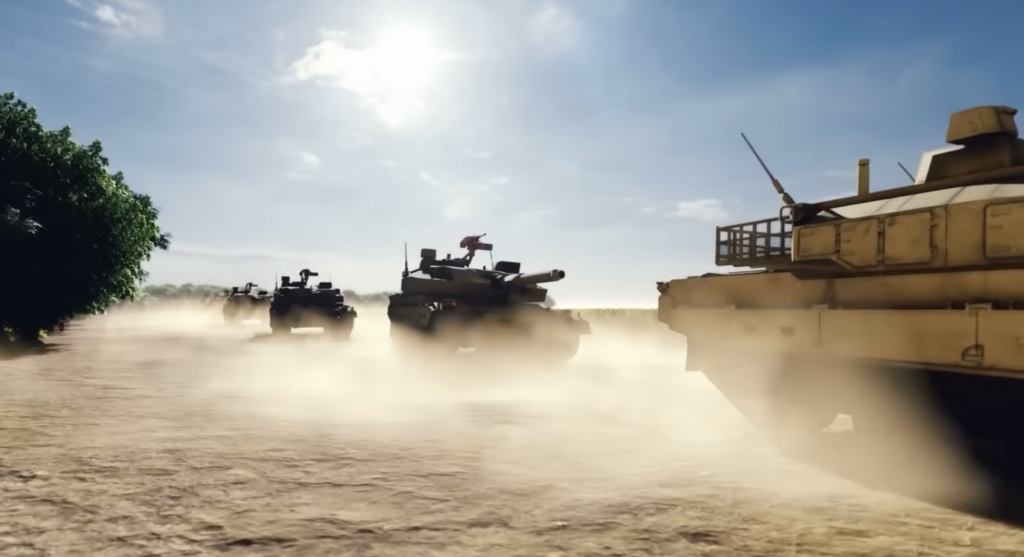
Canada responds swiftly. Emergency powers are invoked, reserve troops are mobilized, and the government declares that every inch of its territory will be defended.
A Global Crisis Unfolds
International reaction is swift and severe. European nations condemn the attacks. Sanctions are placed on the United States. Behind closed doors, NATO members scramble to prevent a complete collapse of the alliance.
Even Charles III becomes involved diplomatically, urging Commonwealth nations to support Canada. The risk of a wider global conflict grows by the day.
Meanwhile, the humanitarian toll rises. Power grids fail. Wildfires ignite due to artillery strikes. Water supplies near the Great Lakes become contaminated. Entire communities are left in darkness.
Resistance, Cyber Warfare, and Domestic Unrest
Despite America’s superior military strength, Canada adapts quickly.
Using dense forests and mountainous terrain, Canadian forces launch guerrilla-style counterattacks. Supply lines are disrupted. Infrastructure is sabotaged. Advanced tanks and local militias work together to slow the U.S. advance. At the same time, cyber warfare intensifies. Canadian and allied hackers target American systems, causing disruptions across multiple states.
Rolling blackouts hit parts of the northern U.S., fueling domestic unrest.
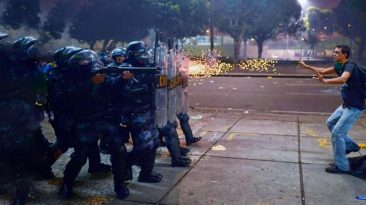
Protests erupt in major cities like New York, Los Angeles, and Chicago. Many Americans question the justification for war, while others rally behind the government. Political divisions deepen, and some state leaders openly challenge federal authority.
A War Without a Clear Winner
By late 2027, the conflict reaches a stalemate.
The U.S. struggles with supply shortages and economic strain. Canada, though heavily damaged, refuses to surrender. Over one million civilians are displaced, and global food supplies are disrupted due to Canada’s role as a major wheat exporter.
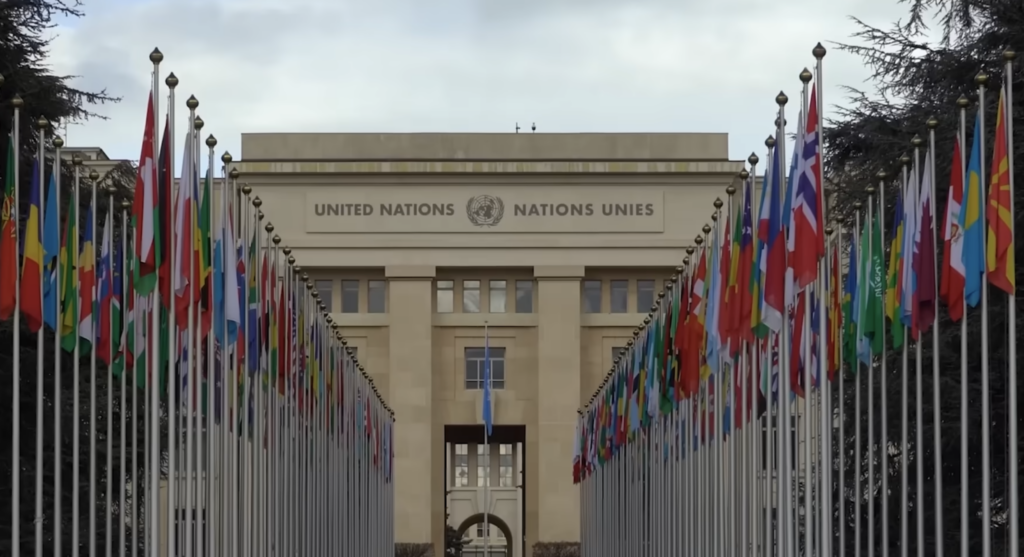
The United Nations steps in, organizing emergency aid and attempting to broker peace talks in Geneva. But negotiations stall as both sides refuse to back down.
Two Possible Endings
By early 2028, two scenarios emerge. In one, a fragile ceasefire is reached. Troops withdraw, and a peace agreement is signed, but the relationship between the U.S. and Canada is permanently fractured.
In the other, more extreme outcome, the U.S. retains control over parts of Canadian territory, forcing negotiations around annexation.
The idea of Canada becoming the 51st state, once a meme now becomes a geopolitical reality.
What Annexation Would Mean
The implications are enormous.
Adding nearly 40 million Canadians to the United States would reshape elections, policies, and national identity. Issues like healthcare, immigration, and bilingualism would become central political battlegrounds.
Some argue it could create a powerful unified economy. Others warn it would erase key elements of Canadian identity and trigger long-term instability.
The Real Lesson
Whether this hypothetical scenario ends in peace or annexation, one truth stands out: A war between the United States and Canada would be catastrophic.
Economies would collapse. Alliances would fracture. Millions of lives would be disrupted or lost. And the psychological scars would last for generations. In an age of viral headlines and AI-driven predictions, it’s easy to get swept up in dramatic scenarios. But the real takeaway is simpler, and more important:
Conflict between nations, no matter how unlikely, always carries consequences far beyond the battlefield