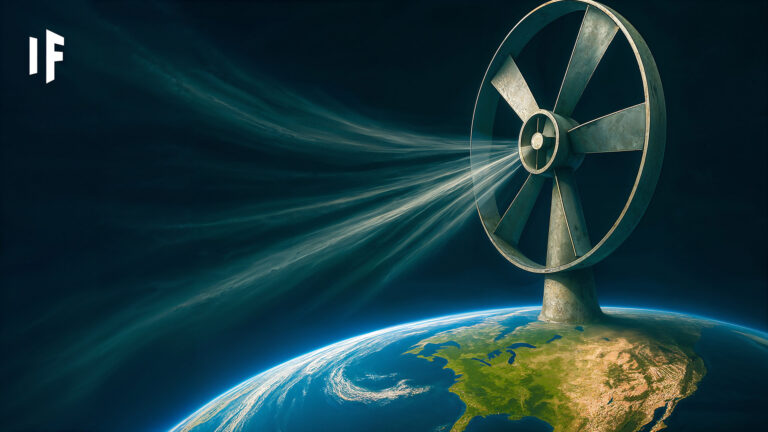
Did you know that some of the hottest countries in the world have outdoor ventilation? Qatar gets temperatures as hot as 50 °C (122 °F). But luckily for them, they’ve got air conditioning along their sidewalks.
So, what if we borrowed this idea of cooling down a single sidewalk and applied it to something a little more global?
So, DAC stations exist, but capturing carbon from the air is not easy. The price tag for this mission is $150 billion, which is enough to buy 750 million regular-sized fans.
These stations are so expensive because of their high energy needs. When taking CO2 out of the air, we have to understand its structure. You see, Carbon dioxide is more dilute than other gases. This means that there is a lower concentration of it in our atmosphere
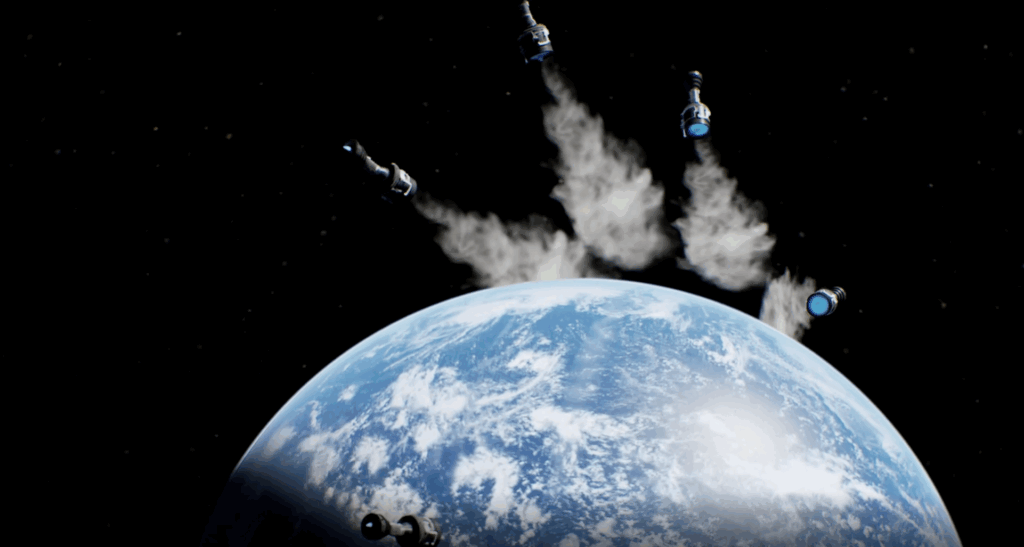
For DAC to successfully trap those CO2 particles, we need to make sure the fan is operating with a lot of power, or else they might not b e able to capture it at peak efficiency.
We’d have to divide the Earth equally into sections and determine how many fans we’d need to cover the entire planet.
This problem couldn’t be solved by just throwing them up in the sky and hoping for the best. We would need to place the fans in the parts of Earth’s atmosphere that correspond to our planet’s circulation process. Up in the sky are three different wind cells.
The first is the Hadley cell. This is responsible for low-latitude weather patterns, particularly in tropical regions. This cell moves air toward the equator, where it heats up and creates a warmer climate.
Next is the Ferrel wind cell. This one picks up moisture as it crosses over oceans, typically found in mid-latitude areas.
Finally, there’s the Polar wind cell, which is found in high-latitude areas and is responsible for the cold, dry winds that blow from the eastern hemisphere. Polar cells are crucial for making sure the Arctic stays frozen.

Hadley and Ferrel cells move in opposite directions. So when we install our space fans, we’ll have to be extremely careful to not interfere with the natural flow of the wind.
Scientists would have to be very careful with how they executed this plan, making sure everything is in place before it is powered up. The margin for error would be incredibly low.
But let’s assume they’re installed correctly. What are the chances of these space fans saving us from global warming? Well, when it comes to global warming, it’s pretty difficult for anything to make a significant difference. But these fans could be one of the key ingredients to solving this issue.
As we mentioned earlier, wind cells are incredibly sensitive to movement. So once these fans were installed, we’d soon notice a difference in our climate.
If this mission goes as planned, scientists, climate experts, and astrophysicists can work together to operate these fans in a way that doesn’t cause harm to the ecosystem numbers, it makes sense why our giant space fan would be so expensive in comparison.
So this sounds perfect, doesn’t it? But if even one thing goes wrong, we could be looking at major catastrophes. For example, have you ever plugged in too many things at once and had a power outage at your home? Imagine that, but around the world.
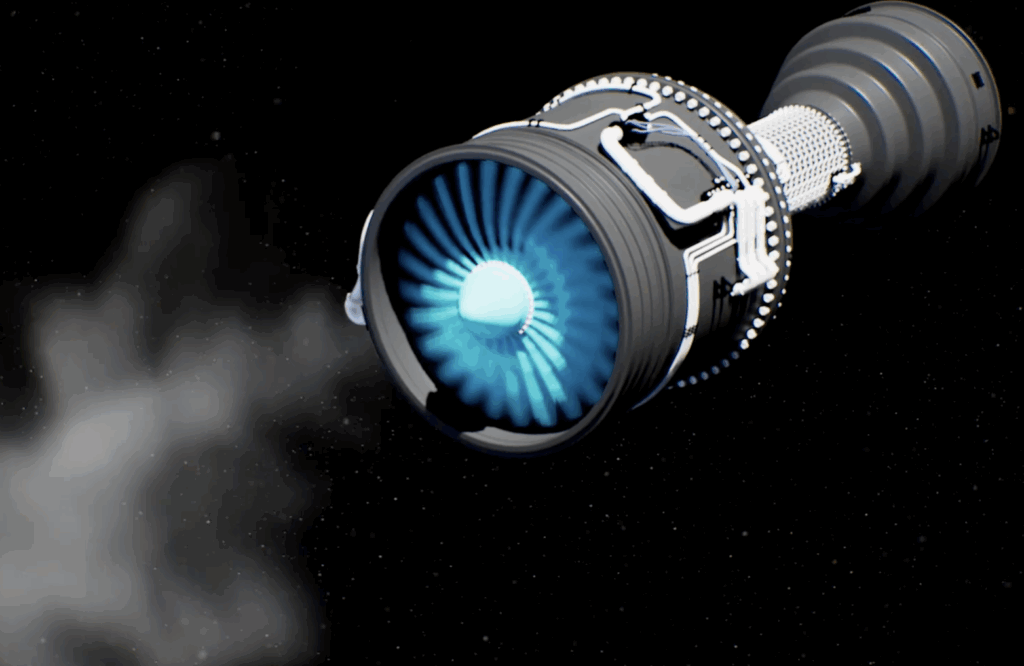
These intergalactic jumbo-fans would be a global commitment, and that would need a ton of power to run. As this is the first time we’ve created a project of this scale, we could be overloading the amount of power that is safe. need to be mindful of voltage levels.
When you overload an electrical circuit, you can cause major fire hazards and power disruptions. These space fans can become very demanding, so we need to be mindful of protecting our electrical operating systems to ensure that voltage levels stay safe.
Power outages caused by wind and storms are also far too common. The distortion to our atmosphere caused by our space fans could create unthinkable windstorms, going against the natural pattern of the cells.
This might also have a counteractive effect, causing global warming to become even worse than it was to begin with. If the fans malfunction, it could result in the melting of the poles. The impact of messing with Earth’s natural cooling systems would be felt worldwide.