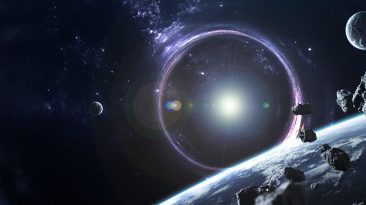
39 light years from Earth, the TRAPPIST 1 system hides one of the most extraordinary planetary families ever discovered. Around a faint red dwarf star, seven Earth sized worlds orbit in tight, fast moving paths, packed closer together than any system in our Solar System. Some may be scorched and volcanic, while others could hold ice, oceans, or even the right conditions for life. In this article, we explore each planet one by one and rank their potential for habitability, from deadly to surprisingly Earth like.
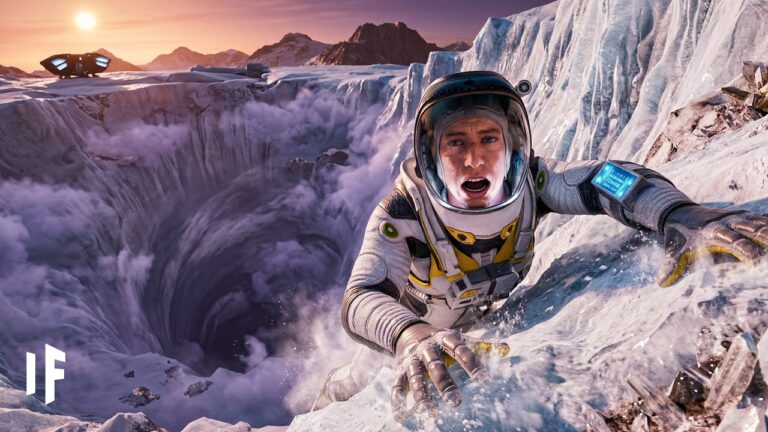
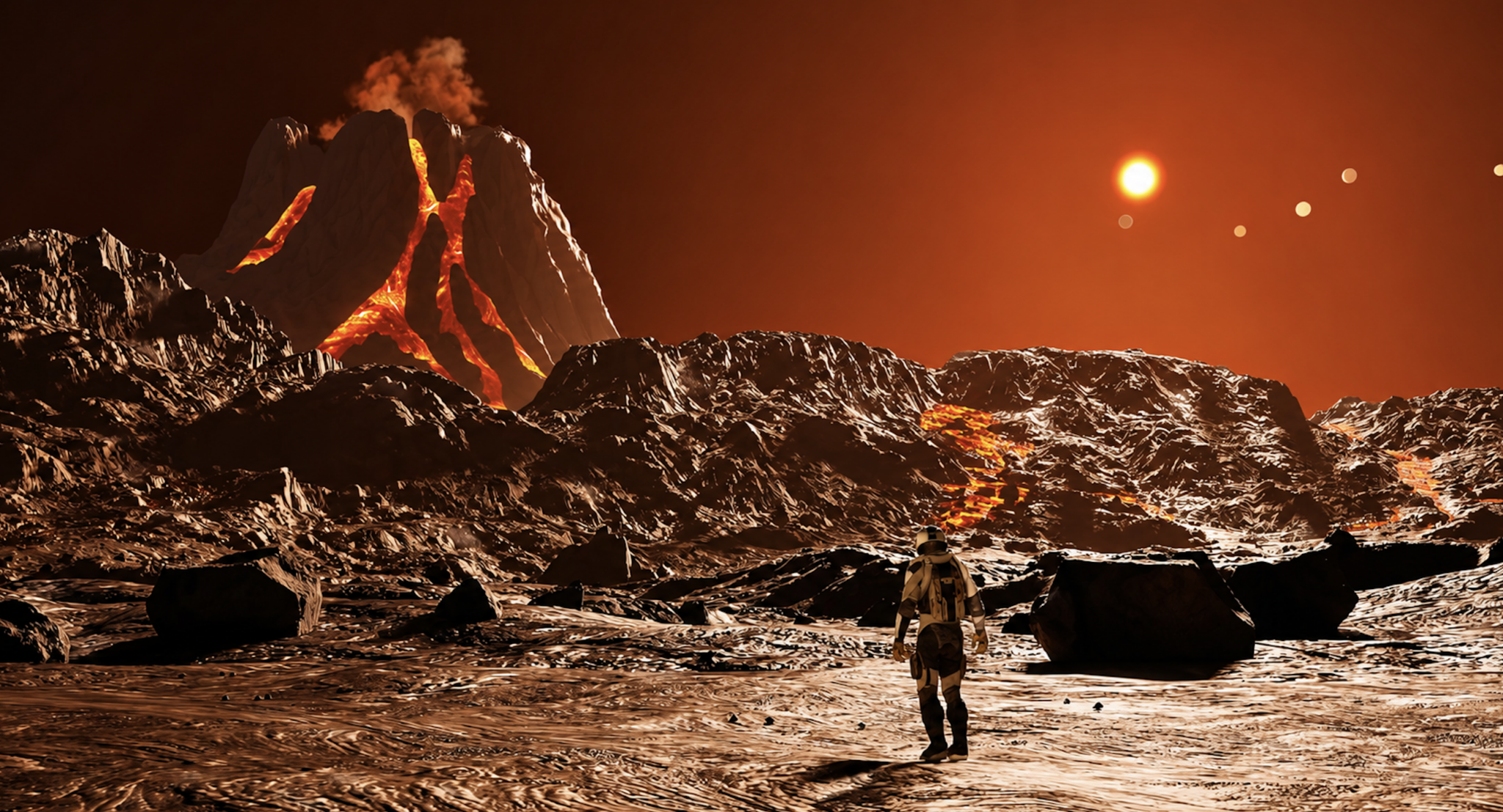
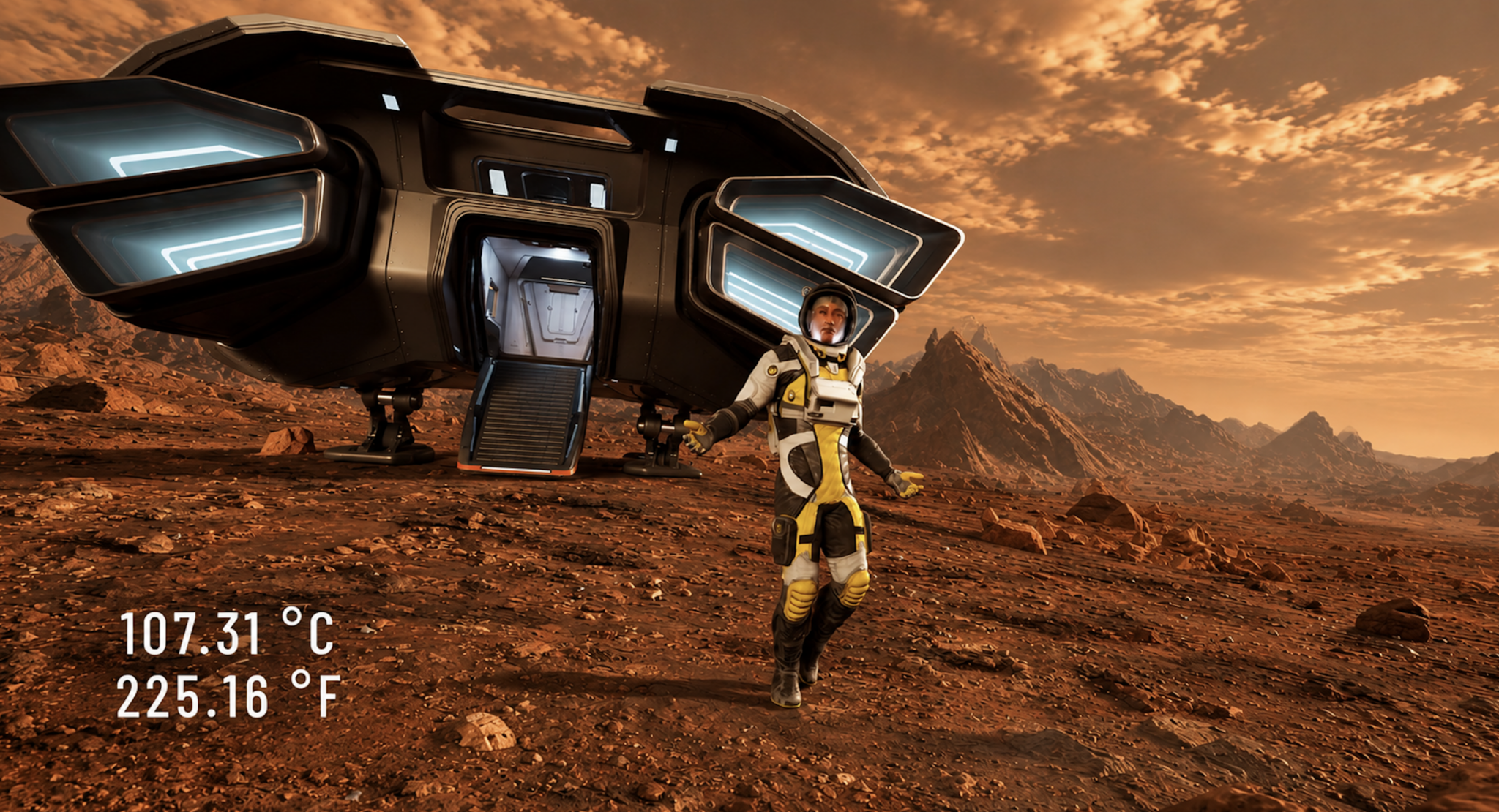
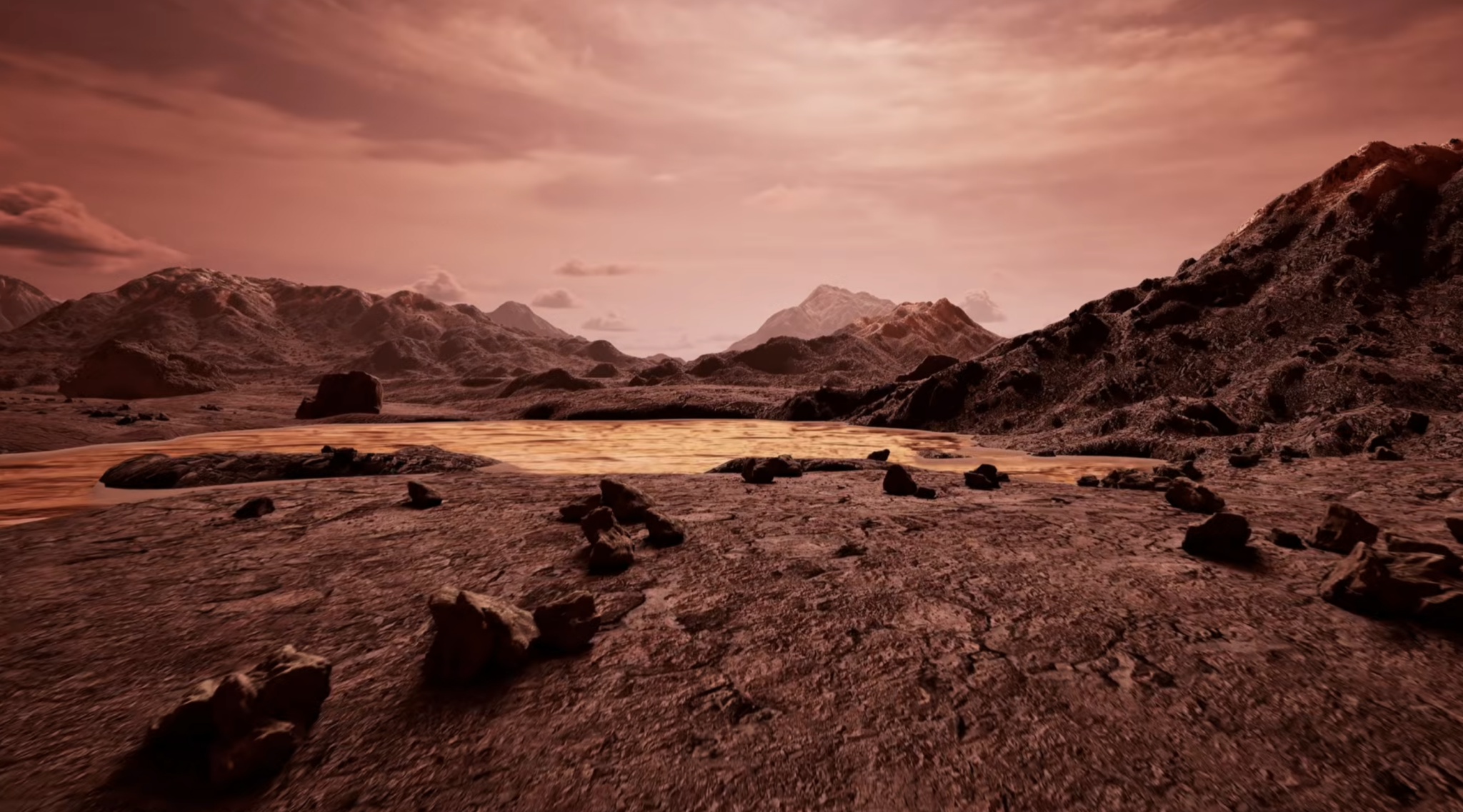
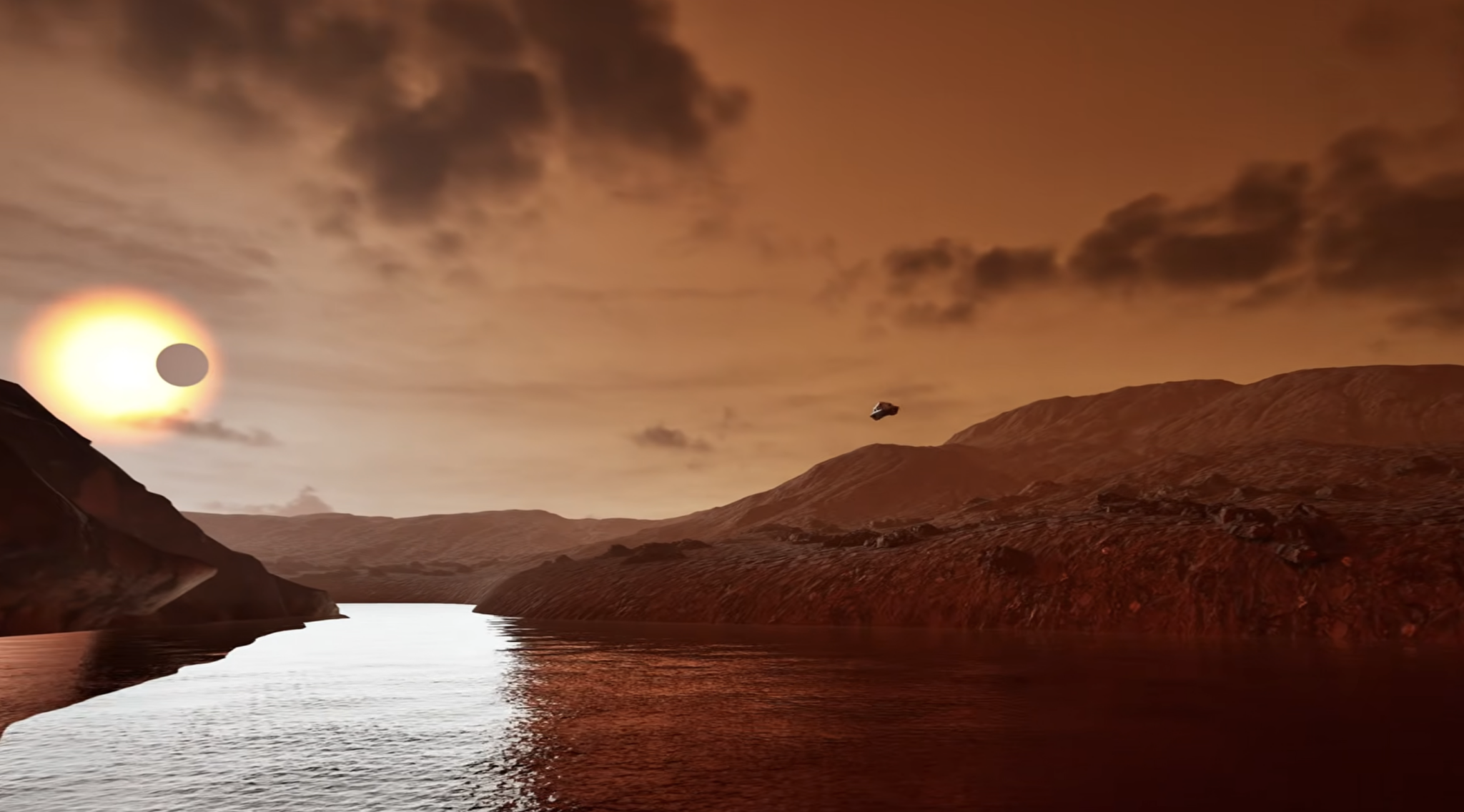
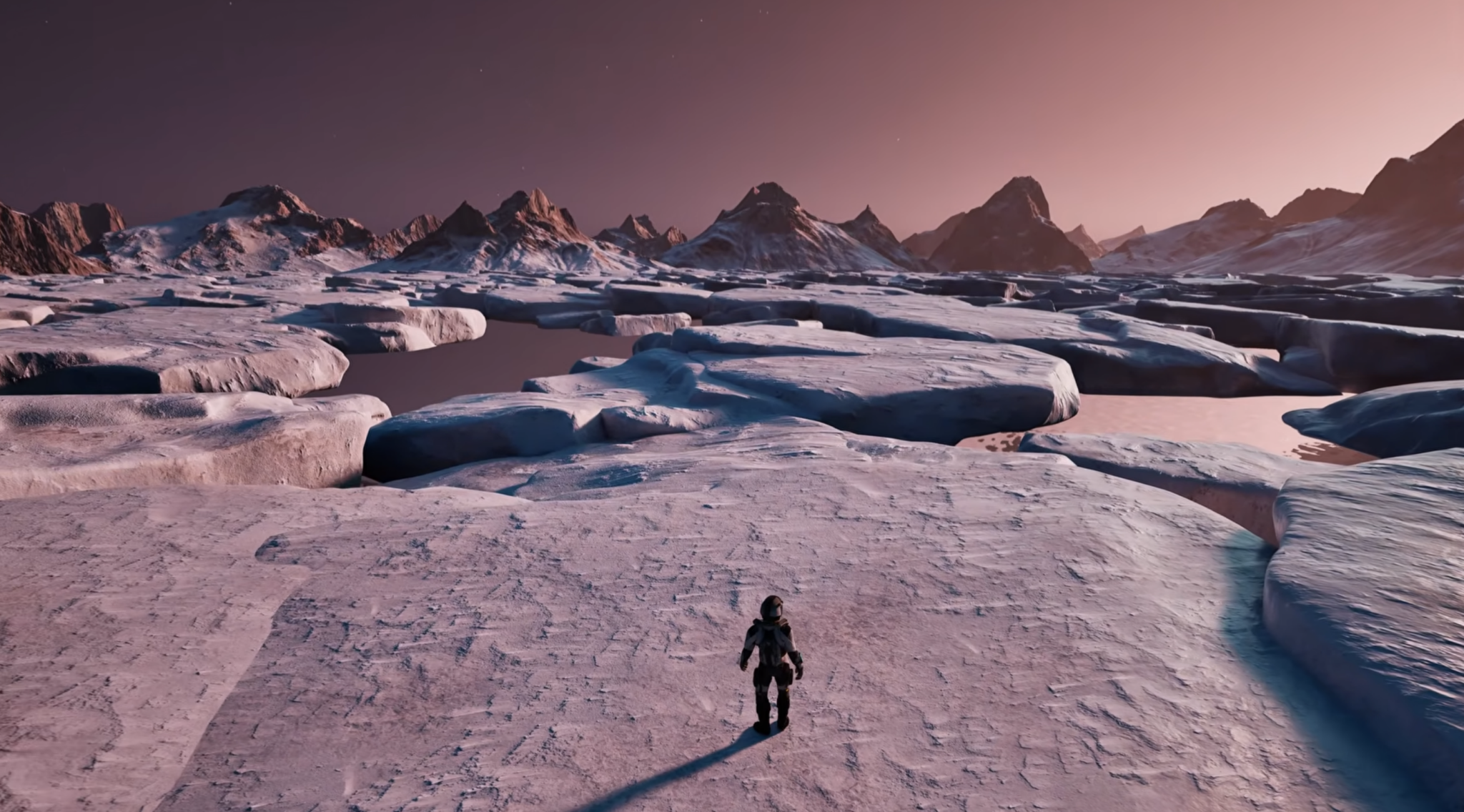
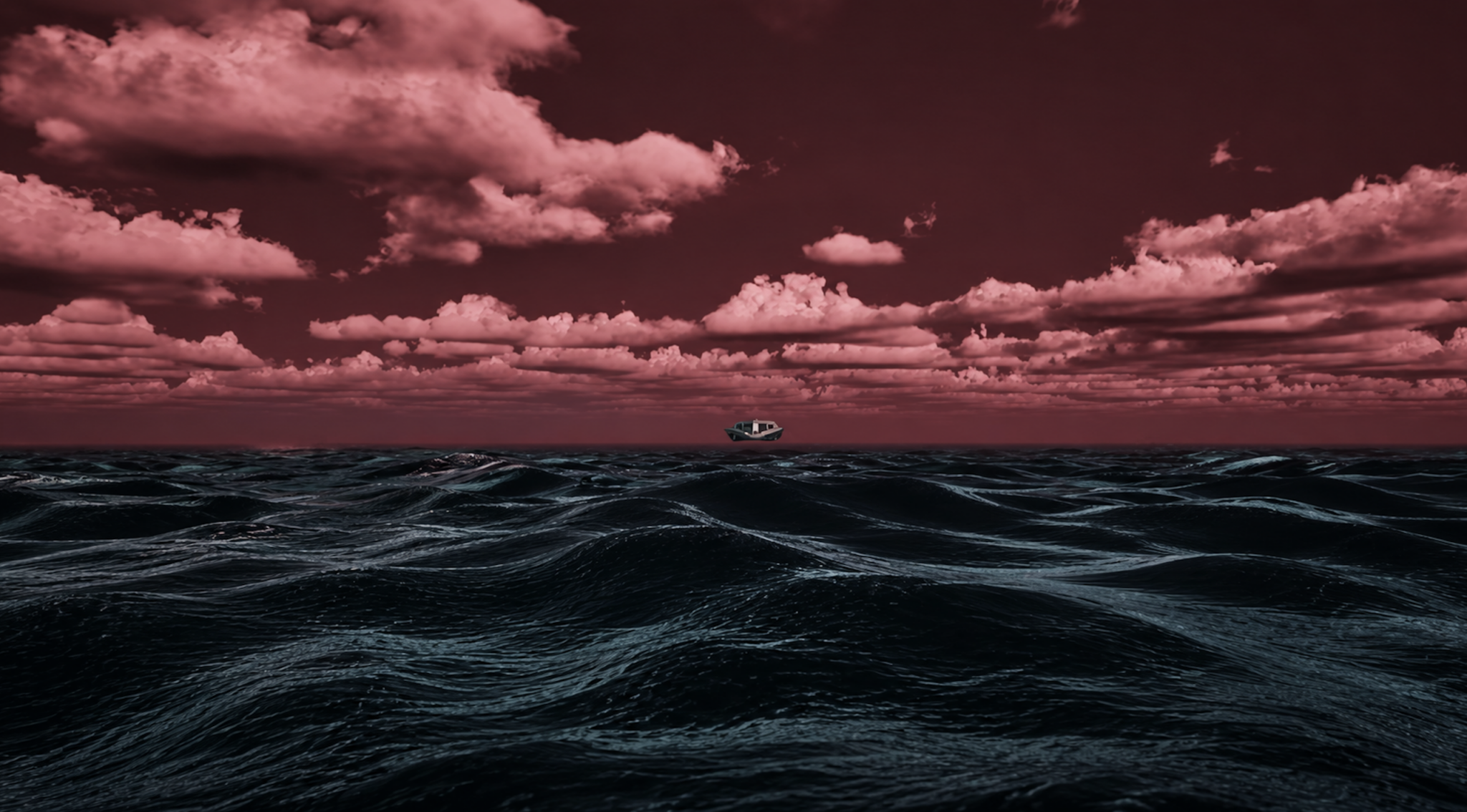
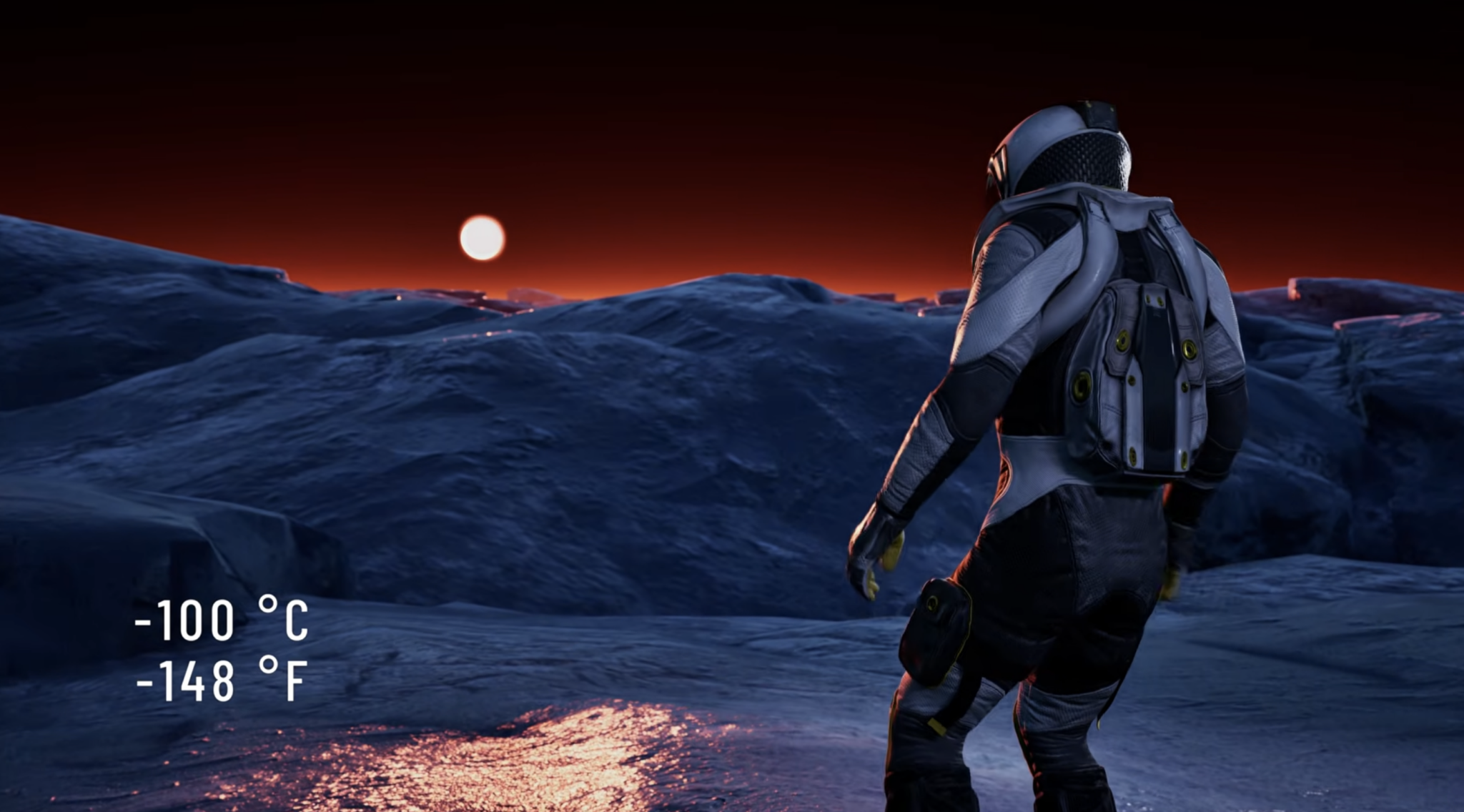
TRAPPIST-1 b is the closest planet to its tiny red dwarf star, making it one of the hottest and most dangerous worlds in the system. Surface temperatures can rise above 225°C, creating conditions hotter than a kitchen oven. The planet is tidally locked, meaning one side always faces the star while the other remains trapped in darkness. Scientists believe strong gravitational forces constantly heat the interior, fueling intense volcanic eruptions across the surface. Any atmosphere this world once had may have been stripped away by radiation and violent stellar flares over billions of years. Future explorers would need extreme heat protection just to survive for a few minutes.TRAPPIST-1 c is slightly larger and more massive than Earth, but it remains an incredibly hostile place for life. Scientists originally thought the planet could resemble Venus, though newer observations suggest it lacks a thick atmosphere. Temperatures here still climb above 100°C, while dramatic differences between the day and night sides likely create massive hurricane force winds. The nearby red dwarf star also causes strong tidal heating, which may keep the planet geologically active with volcanic eruptions and unstable terrain. Even though the planet looks rocky and Earth sized, its harsh environment would make long term human survival nearly impossible without advanced technology.TRAPPIST-1 d sits near the inner edge of the habitable zone and may have conditions suitable for liquid water under the right atmosphere. The planet has much lower gravity than Earth, making movement feel lighter and easier. While temperatures here are cooler than on the inner planets, the world faces another serious danger from its active red dwarf star. Frequent solar flares could bombard the surface with radiation capable of stripping away atmospheres and threatening any possible life unless strong magnetic shielding exists. Scientists believe underground shelters may be the only safe way for humans to survive on this unstable world.TRAPPIST-1 e is considered the most Earth like planet in the entire system and one of the best candidates for habitability ever discovered. Positioned near the center of the habitable zone, it could contain oceans, rivers, rainfall, clouds, and rocky continents. Its gravity is very similar to Earth’s, making it potentially comfortable for future human explorers. Scientists believe temperatures here may allow stable liquid water to exist on the surface for long periods of time. However, radiation from the nearby red dwarf star still remains a major threat to any possible life. If humanity ever settles another star system, this planet could become one of the first serious targets.TRAPPIST-1 f is a cold and icy world that may hide enormous amounts of water beneath thick frozen layers. It receives about as much energy from its star as Mars receives from the Sun, leaving much of the surface permanently frozen. Temperatures could fall below -50°C if the atmosphere is thin or missing entirely. Scientists suspect the planet may contain cryovolcanoes, which erupt ice, water, and frozen gases instead of molten lava. Despite its freezing appearance, underground oceans may still exist deep beneath the icy crust where heat remains trapped below the surface. Some researchers believe these hidden oceans could potentially provide environments suitable for microbial alien life.TRAPPIST-1 g may be a rare “hycean” world covered almost entirely by deep global oceans beneath a thick hydrogen rich atmosphere. As the largest planet in the system, it could trap enough heat to keep liquid water stable even near the outer edge of the habitable zone. Scientists are fascinated by planets like this because their enormous oceans and dense atmospheres may create ideal conditions for alien life to develop. Unlike Earth, this world may contain little or no visible land above the water. If life exists anywhere in the TRAPPIST system, many astronomers believe this mysterious ocean planet could be one of the strongest candidates.TRAPPIST-1 h is the outermost and coldest known planet orbiting the dim red dwarf star. This small frozen world lies far beyond the habitable zone, where sunlight is incredibly weak and temperatures may drop below -100°C. Scientists believe the planet likely has little or no atmosphere, leaving its icy surface exposed to space radiation and constant micrometeor impacts. The planet probably remains locked in endless darkness and silence, creating one of the harshest environments in the system. Despite its deadly conditions, the distant frozen landscape of TRAPPIST-1 h still makes it one of the most mysterious and visually fascinating worlds discovered beyond our Solar System.
Black holes are one of the most devastating objects in space, sucking up everything around them. But there’s another space phenomenon that’s just as...
Unlike Earth, which is orbiting the Sun, there are billions of rogue planets roaming the Milky Way not bound to any host star. One of them has been spotted on the edge...
Ever had a freshly cooked steak, delivered straight from the International Space Station? Let me tell you — it’s not going to be what you might expect. You must be...
The Paleozoic Era represents one of the most transformative periods in Earth’s history, spanning approximately 289 million years from 541 to 252 million years ago...
Would you drink water that was extracted from the Moon? With NASA’s recent discovery of water on the Moon’s surface, it might become a more common practice...
Imagine being able to travel to any point in time. Where would you go, and what would you do? You could witness some of the greatest moments in history or even change...
As much as we love to blow stuff up here on Earth, no bombs or pyrotechnics could compare to the incredible force of nature’s biggest explosion, the supernova. As...
Nearly 800 million light-years away, something has been forming. Scientists aren’t exactly sure what it is but have dubbed it ‘the black neutron star.’...
Imagine an ultimate road trip across the globe. On a highway along the equator. Wait, there is no highway along the equator… yet. So how about we build one? What...
This star is about to transform into a black hole. And we’re about to travel inside it to see what’s on the other side. The only problem is that we’ll...