1. The Earth Rotates Every 24 Hours
No matter how many times you set it, your watch will always be a little off. That’s because the common belief that our planet makes one full rotation every 24 hours is false.
Earth spins on its axis every 23 hours, 56 minutes and 4 seconds. Those extra few minutes are thanks to our orbit around the Sun. It always takes a bit more time for the Sun to reach the same spot in the sky day after day.
2. The Earth is Round
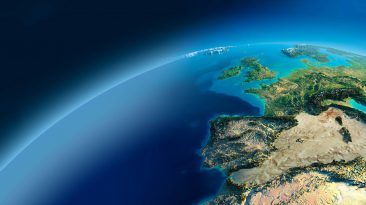
Despite what some people tell you, the Earth is definitely not flat. But it isn’t perfectly round either. Imagine Earth as a soft ball of clay.
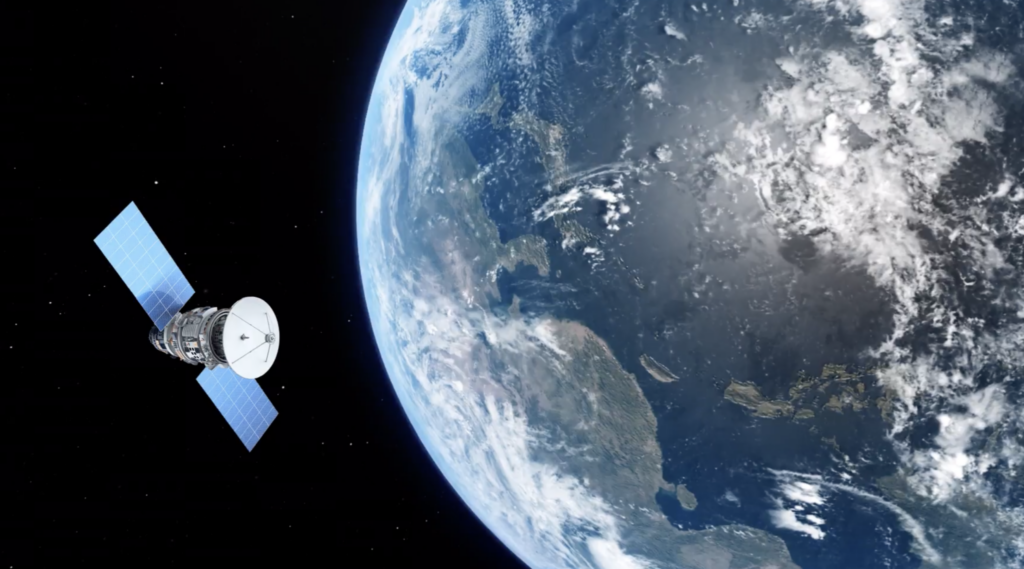
As it spins, gravitational forces act on it, causing the equator to bulge outward. Meanwhile, it flattens out a bit at the poles.
3. Mount Everest is the Tallest Mountain
Towering over 8,800 m (29,000 ft), Mount Everest is the tallest mountain on Earth. But only above sea level.
If you measure from base to peak, you’d have to crown a new champion, Hawaii’s Mauna Kea. This volcano stands over 10,000 m (33,000 ft) tall. The only problem is that a lot of it is submerged underwater.
4. The Sahara is the World’s Largest Desert
There’s no doubt the Sahara Desert is massive. Known for its brutal heat, camels, and millions of square kilometers of sand dunes, you wouldn’t be crazy to think it’s the world’s largest desert. But don’t be fooled by this mirage.
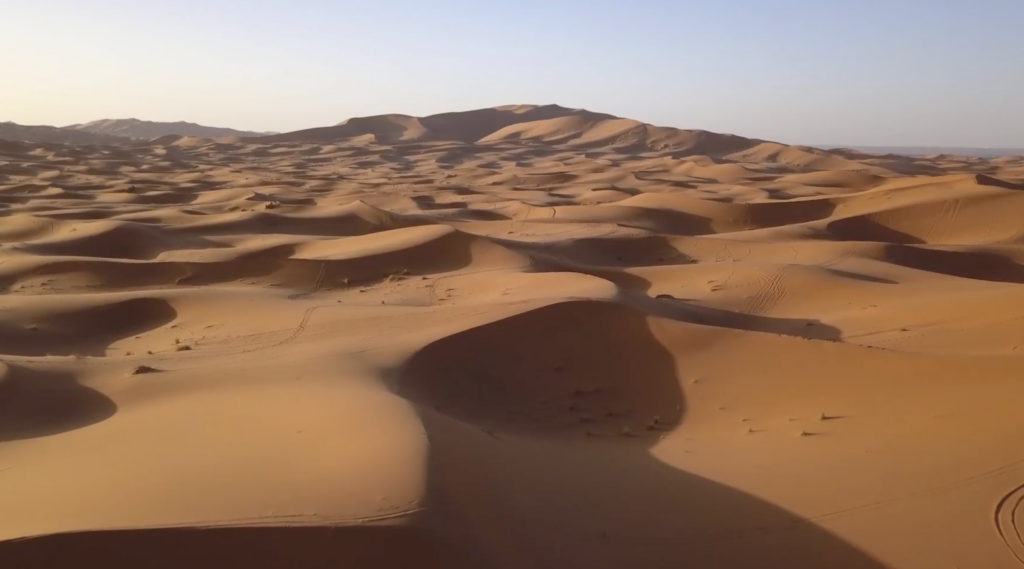
Deserts are defined by their dryness, not their sandiness. That means the largest desert on Earth is actually Antarctica. This cold landscape receives only 50 mm (2 in) of rain every year.
5. You Can See the Great Wall of China from Space
You’ve probably heard that astronauts can look out of the window of the ISS and see the Great Wall of China from space. Well, despite its popularity, this myth isn’t true.
While the Great Wall is long, 21,000 km (13,000 mi), it’s very narrow and blends in with the terrain around it. So without a really good pair of binoculars, there’s no way you could see it from space.
6. The Oceans are All Different Bodies of Water
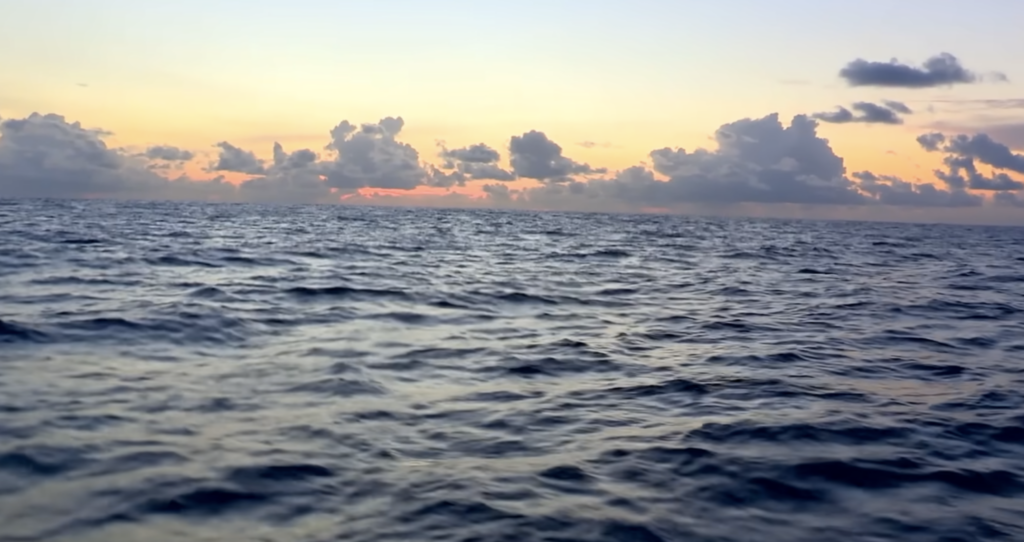
Crossing the Atlantic, Pacific or Indian ocean, you’d think that their names imply separate bodies of water. But once again, you’ve been lied to. They are all part of one big global ocean.
The distinctions between them, as well as the Arctic and Southern oceans, are completely human-made. It’s simply to help give us a better geographical understanding than any kind of real physical boundary between them.
7. Gravity is the Same Everywhere on Earth
Your weight is different in different parts of the world. It all depends on where you’re standing. That’s because gravity isn’t the same everywhere on Earth.
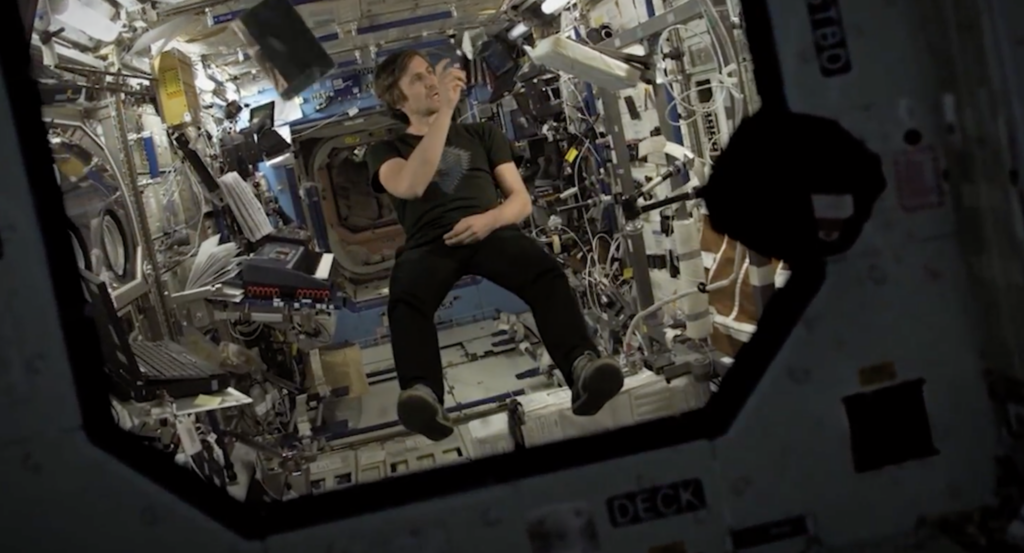
Factors like altitude, latitude, and the geological make-up of the ground below your feet can influence the force of gravity acting on you. So, if you are currently standing in the Hudson Bay area of Canada, gravity is actually a little lower for you than it is for people in other parts of the world.
Ok, don’t get too excited about your sudden weight loss. The difference is super tiny. You’d only be about 0.0005% lighter.
8. The North Pole is on Solid Ground
It’s a good thing Santa’s got a sleigh that can fly because, despite what you might think, the North Pole isn’t actually on solid ground. It’s really a huge platform of ice drifting on top of the Arctic Ocean. There’s not one bit of solid ground beneath it.
9. Earth’s Core is a Pool of Lava
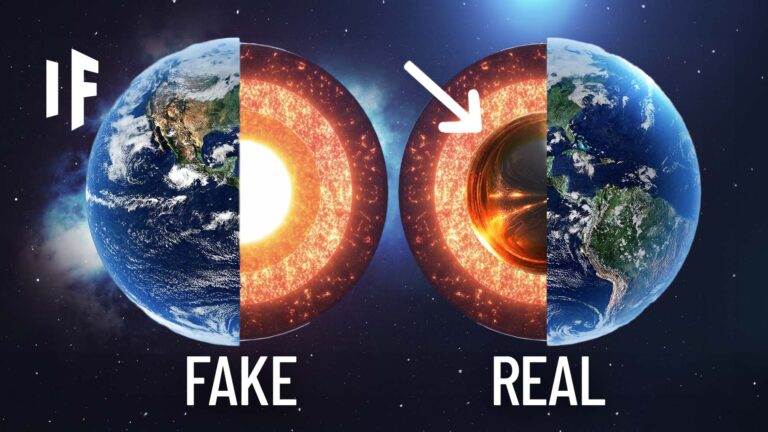
When you picture the center of the Earth, you might have visions of a swirling pool of fiery lava. Well, surprise, surprise, that’s not quite right either.
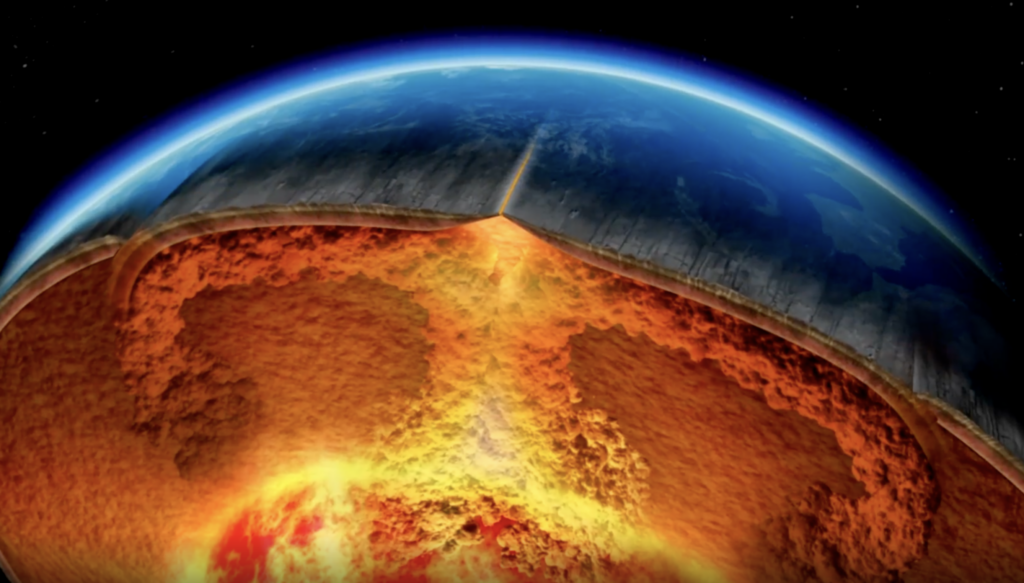
While parts of Earth’s interior are molten, the inner core is solid. That’s thanks to the immense amount of pressure down there. It is really hot, though. In the very center of our planet, temperatures are over 5,000 °C (9,000 °F). That’s hotter than the surface of the Sun.
10. Only One Side of the Moon Faces Earth
Despite what you’ve heard, the dark side of the Moon isn’t completely shy. The reason you have the impression that only one side faces Earth, is because the Moon is tidally locked to us.
That means that the amount of time the Moon takes to complete one full rotation on its axis is the same amount of time it takes to make one complete trip around the planet. So even though you only ever see one side, the dark side actually gets just as much sunlight.
11. Earth is the Only Planet with Water
Ok, I don’t know where you got this idea. Water isn’t exclusive to Earth. It’s true that we’re the only planet in our Solar System with liquid water on the surface.
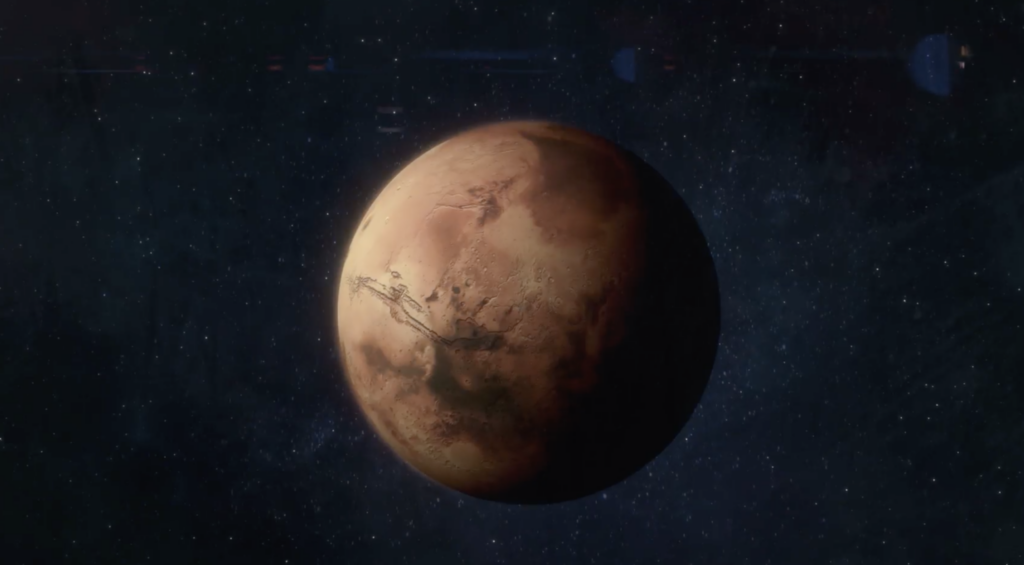
But our neighbor, Mars, boasts ice caps and moons like Jupiter’s Europa and Saturn’s Enceladus have oceans of liquid water underneath their icy surfaces. But the quest for extraterrestrial surface water continues.
12. Humans Have Explored the Whole Planet
Last but not least, it could feel like every bit of our planet has been explored. But again, that’s not true. Despite all our technological advancements, there are still plenty of mysteries in our oceans.
Vast parts of the sea floor remain uncharted. To put it in perspective, we’ve detailed more of the Moon’s surface than the ocean floor. And yes, that’s ocean singular. In case you already forgot, it’s all one big body of water.
The lies don’t stop there. And outer space is no exception. There are many things you thought were true but are simply wrong. But that’s a story for another WHAT IF.