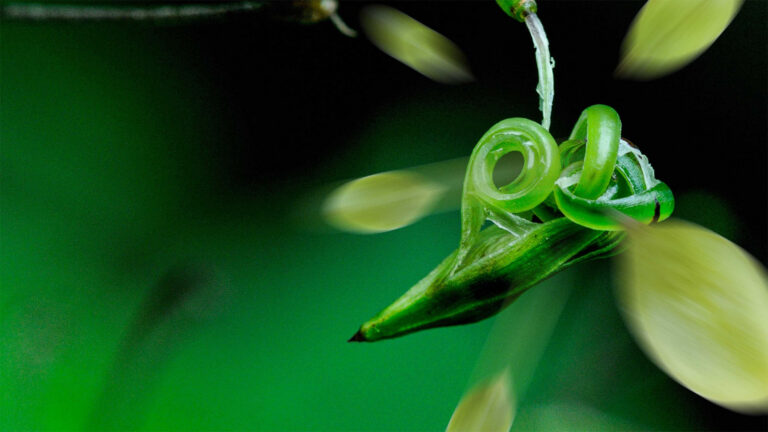
Some plants have a real party trick. While most plants quietly grow, produce flowers, and spread their seeds, certain species have developed a much more dramatic way to reproduce.
Their seed pods can burst open and launch seeds through the air, sometimes sending them several meters away from the parent plant. Scientists believe this helps plants spread their seeds without relying entirely on animals to carry them.
This process is known as ballistic dispersal, and it can happen with surprising force. Here are six plants that have developed some of the wildest ways to shoot their seeds into the world.
Hairy bittercress may look harmless, but its seed pods have a surprising trick. Once the seeds mature, the pods suddenly explode and can send their seeds up to 91 cm (3 ft) away.
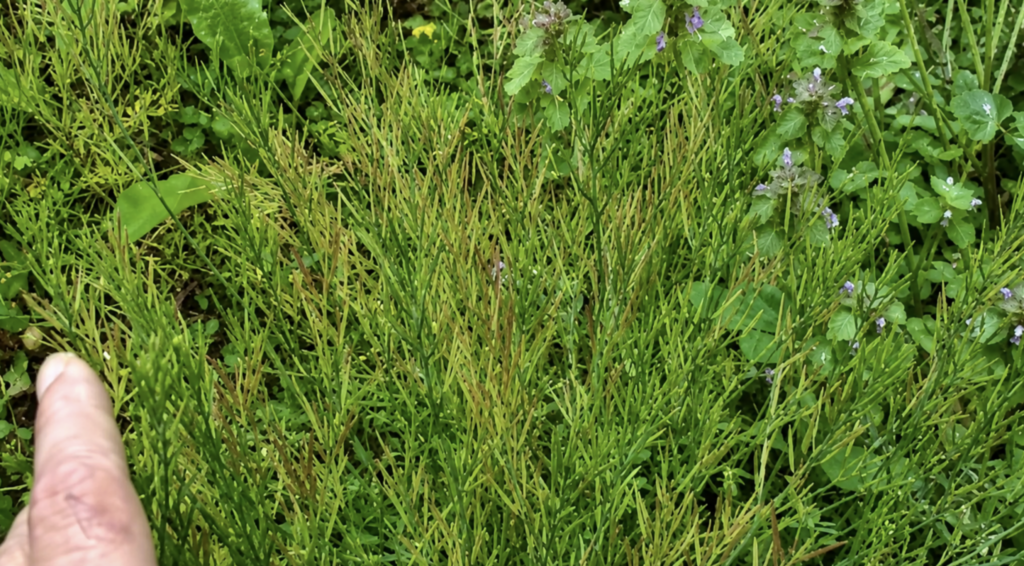
Despite its unusual name, hairy bittercress is also edible. The plant contains antioxidants and vitamin C, making it much more than a tiny plant with explosive seed pods.
Jewelweed has earned another fitting name, touch me not, because its seed pods can explode when they are touched. The slightest contact can cause the ripe pods to spring open and send their seeds flying.
The plant is also a popular food source for hummingbirds in North America. Caterpillars, however, can get an unexpected surprise when they try to feed on the seed pods.
The cracker plant has another unusual method of launching its seeds. Also known as “duppy guns,” its seeds can suddenly pop out when the plant comes into contact with liquid.
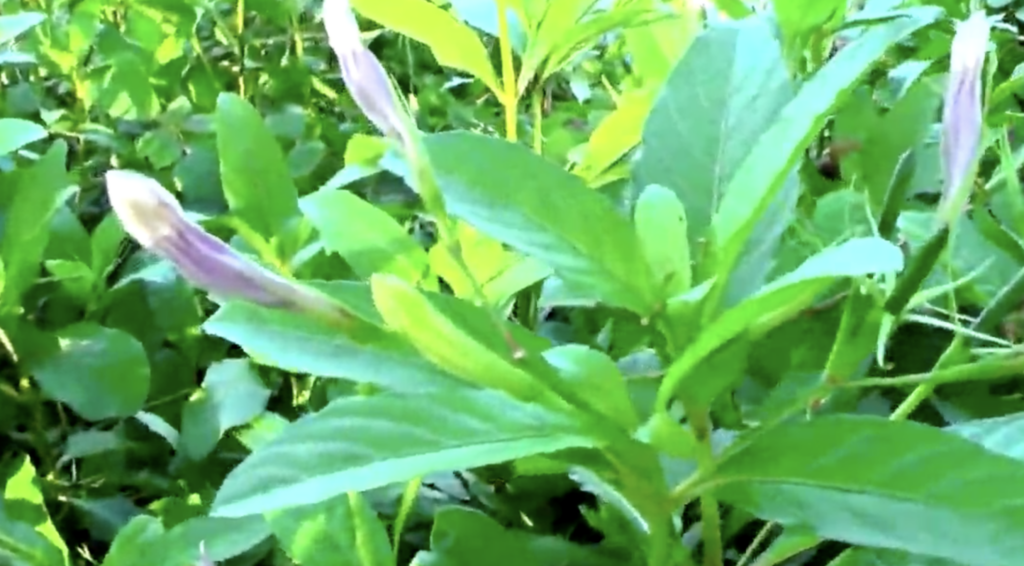
The plant has also been used in Ayurvedic medicine in India, where it is valued for its anti inflammatory properties. So while its seed dispersal might look like a tiny natural explosion, the plant has other uses as well.
Yellow woodsorrel takes explosive seed dispersal to another level. Its seed pod stems grow at sharp angles from the rest of the plant, and when the pods become ripe, even a slight touch can cause them to shoot their seeds outward.
That’s not the only interesting thing about yellow woodsorrel. The plant has a tart, lemony flavor and can be used in salads, giving this explosive seed shooter an unexpected place in the kitchen.
Canary spurge is the largest plant on this list, with its tall, thin shrubs capable of reaching around 15 m (49 ft) in height. At the tips of its branches are small, round fruits that eventually burst open when they ripen.
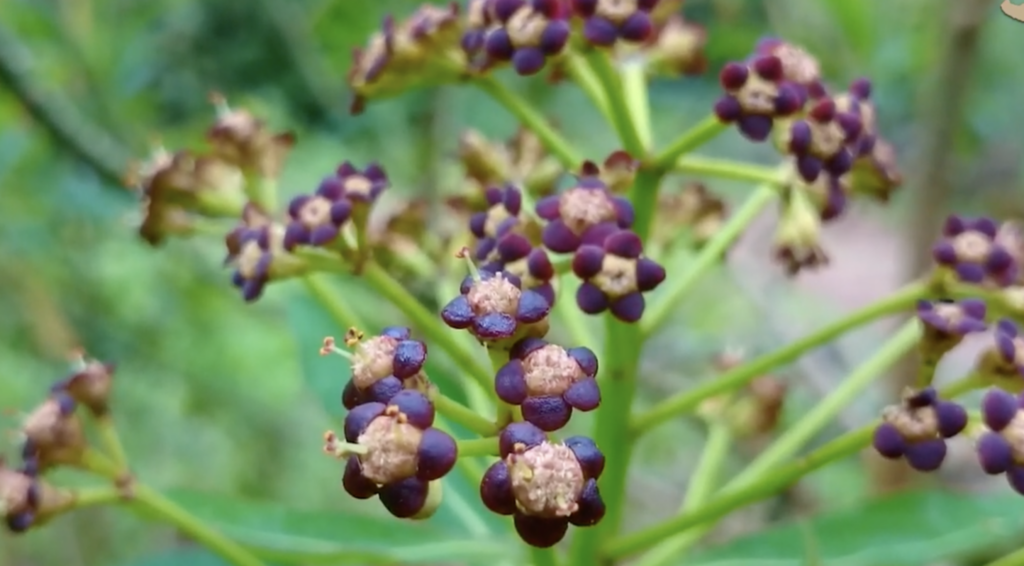
The explosion helps spread the plant’s seeds across the surrounding area. However, its flowers should not be treated as food, since consuming large amounts of the plant can be highly toxic.
Finally, dwarf mistletoe uses explosive seed dispersal to launch its seeds toward other trees. This parasitic plant affects conifers across forests in western North America and can spread its seeds as far as 12 m (39 ft) away.
The sticky seeds can land on other trees, allowing the plant to establish itself in new locations. Although dwarf mistletoe can contribute to disease in trees and has been associated with increased wildfire intensity, it also provides useful nesting spots for birds and mammals.
These six plants may look ordinary, but they have developed an extraordinary way to survive. Instead of waiting for animals or the wind to carry their seeds, they can launch their next generation into the world themselves.