Time travel sounds like a gift until you look at the destinations.
Earth has spent 4.5 billion years cycling through conditions that would kill a modern human within minutes. Predators built to hunt things far tougher than us. Air that poisons you while you breathe it. Skies that went dark for years at a time.
Here are 8 moments in our planet’s past, and you would not survive a single one of them.
Jurassic Period
Around 200 million years ago sits the era everyone imagines when they picture prehistoric Earth, and it is exactly as lethal as the movies suggest.
This is the age of dinosaurs, where enormous predators dominate every ecosystem and survival depends entirely on strength and speed. You would not arrive at the top of the food chain. You would arrive as prey.
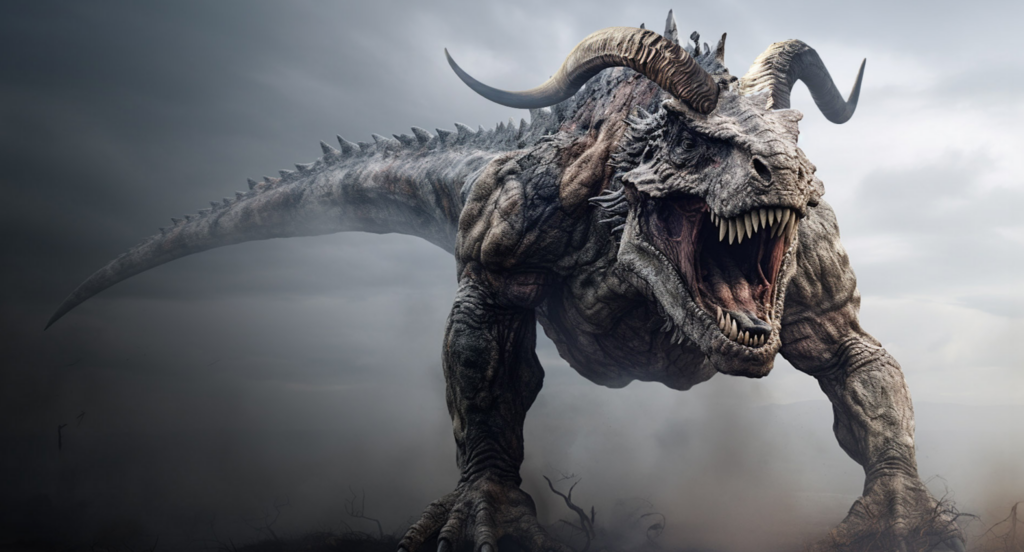
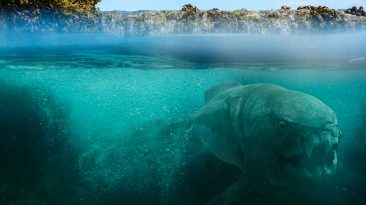
Among the worst of them is Allosaurus, a carnivore reaching up to 8.5 meters, fast and powerful with teeth built for tearing flesh. Sharing the landscape were prehistoric crocodile like creatures such as Razana, capable of hunting on land and in water.
Nearly every large animal here is a direct threat.
Age of Giant Insects
Roughly 300 million years ago, Earth’s atmosphere held around 35 percent oxygen, far more than today.
More oxygen sounds like an upgrade. It is not. Over time those levels become toxic to humans, damaging cells and affecting the nervous system. Simply breathing would slowly kill you.
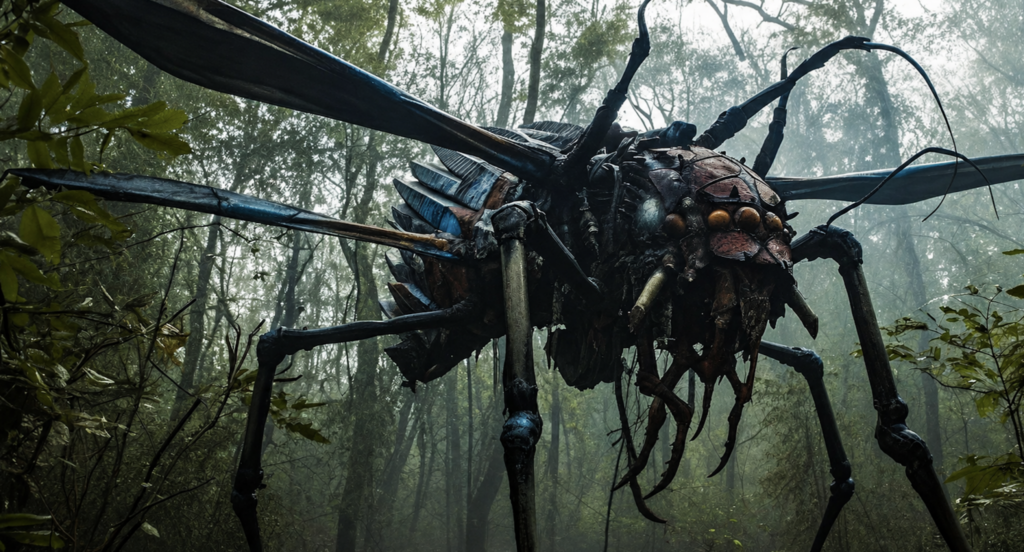
That same oxygen let insects grow to impossible sizes. Dragonflies with hawk sized wings. Massive cockroaches. Giant millipedes moving through dense swamp forests.
Every step through this world means passing creatures that should fit in your palm and instead reach your knees.
Cambrian Period
About 540 million years ago, complex life exploded across the oceans. Arrive on land and you would find no predators at all, because nothing had evolved to live there yet.
You would still die.
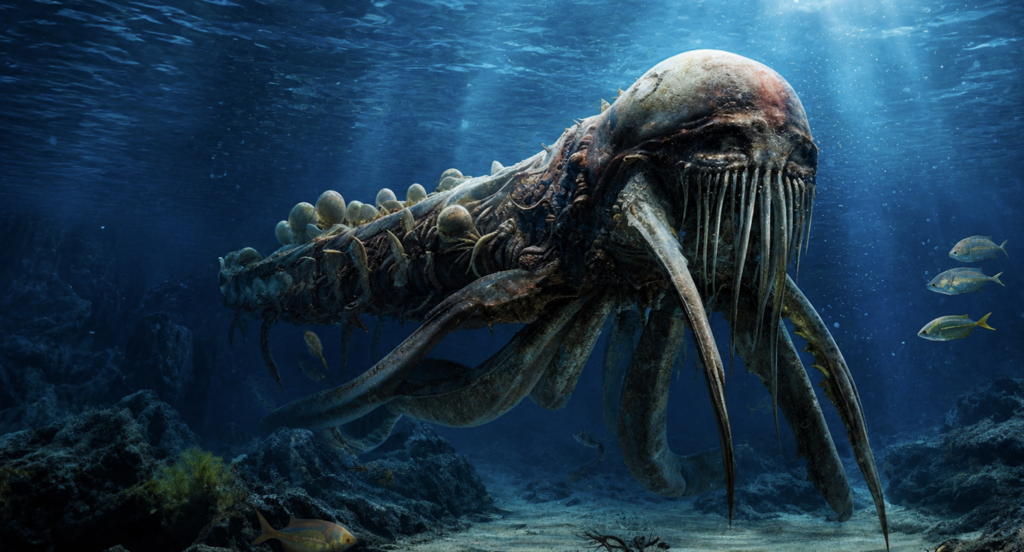
The seas held Anomalocaris, a shrimp like hunter over a meter long that used spiked appendages to seize prey, alongside countless trilobites and other early marine organisms.
But the real killer on land is absence. With no vegetation anywhere, starvation is guaranteed, and the lack of essential nutrients like vitamin C would finish the job.
74,000 Years Ago, Supervolcano Toba
Toba erupted in present day Indonesia and released thousands of cubic kilometers of ash and rock into the atmosphere, disrupting the global environment and altering the planet’s climate for years.
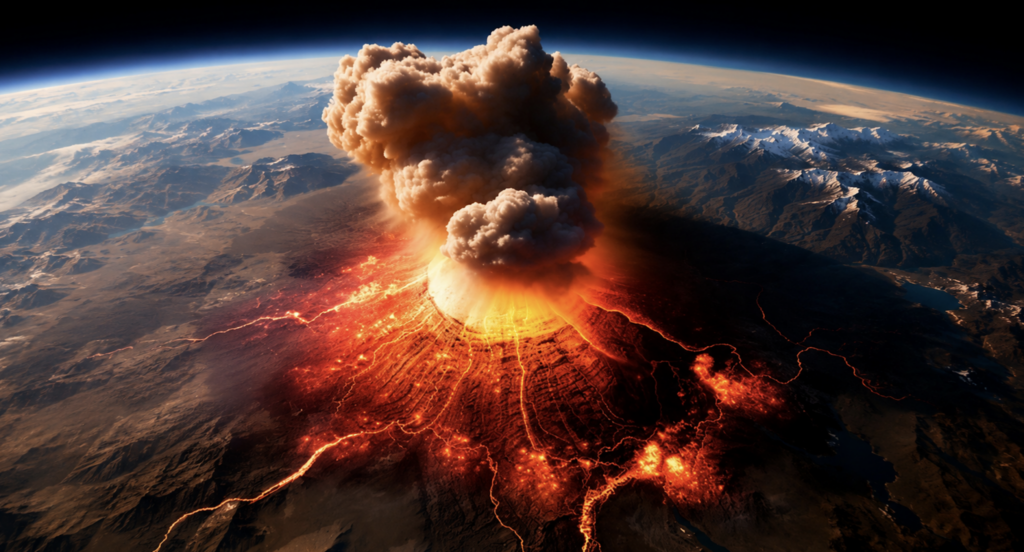
A volcanic winter followed. Sunlight was blocked, global temperatures dropped sharply, plants failed to grow, and ecosystems collapsed as food disappeared.
Human populations crashed. Some estimates suggest only a few thousand people survived worldwide, making this the closest our species has ever come to extinction.
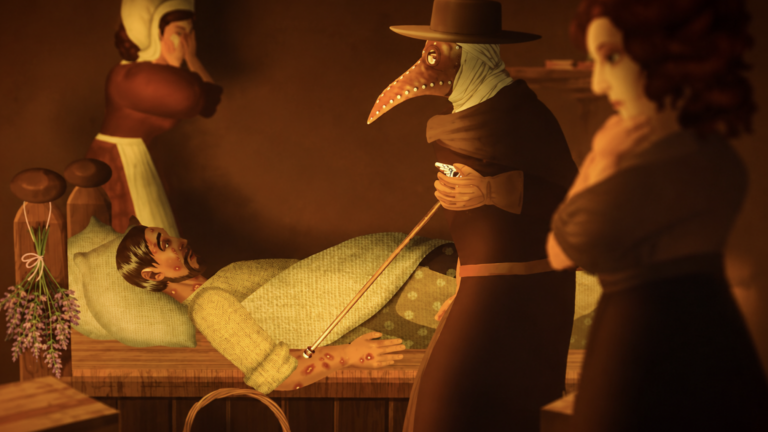
1347, The Black Plague
Walk through a Sicilian port city in 1347 and things might look ordinary. They were not. Ships were arriving carrying infected passengers, and the disease tore through crowded populations.

The symptoms were brutal, including swollen lymph nodes called buboes that darkened and often burst. With no understanding of bacteria and no antibiotics, survival odds were terrible.
Within a few years, tens of millions of people died across Europe.
1945, Hiroshima and Nagasaki
On August 6th, 1945, the world entered the nuclear age, with Nagasaki following three days later.
The immediate effects included extreme heat, shockwaves, and radiation destroying everything across a wide radius.
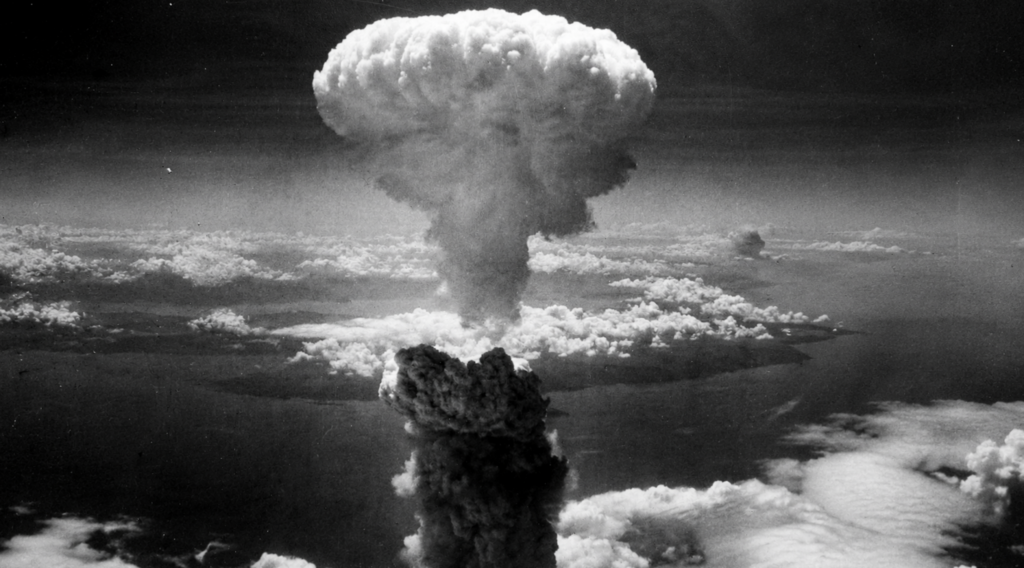
Those closest were vaporized instantly. Others farther out suffered severe burns and radiation exposure. Entire cities became rubble in moments.
These attacks changed warfare permanently, introducing destruction on a scale humanity had never possessed before.
536 AD, The Year Without Sunlight
In 536 AD, a massive volcanic eruption likely triggered a global climate crisis. Ash and particles filled the atmosphere, turning the sky dark and hazy and creating a dim, cold world often called a volcanic winter.
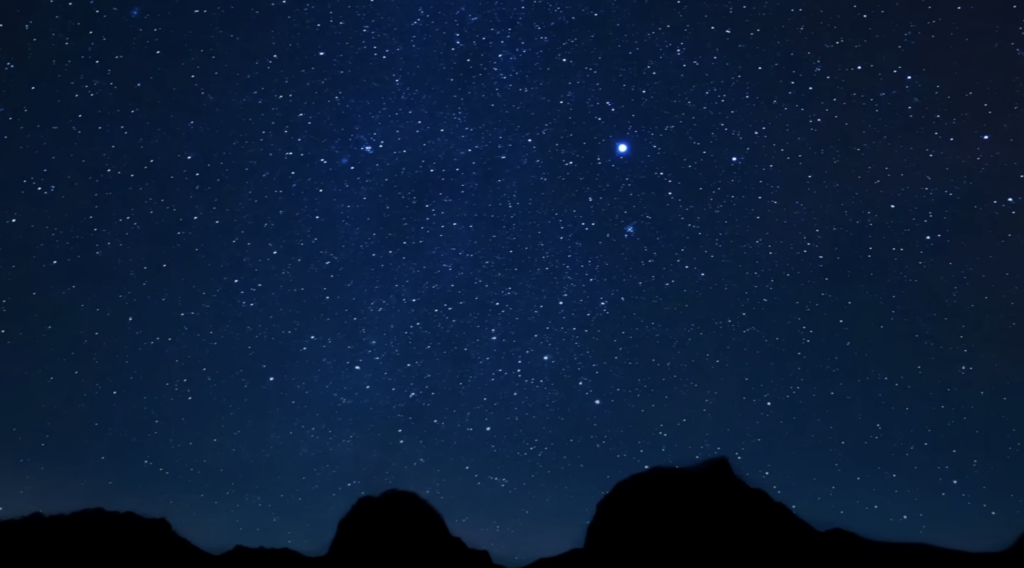
Crops failed without sunlight and food supplies collapsed. Famine spread, weakening populations and leaving them vulnerable to disease, and the instability lasted long after the sky cleared.
Cold, hunger, and illness together made survival extraordinarily difficult.
66 Million Years Ago, The Asteroid Impact
An asteroid struck what is now the Yucatán Peninsula, releasing energy equivalent to billions of nuclear bombs and reshaping the planet’s surface instantly.
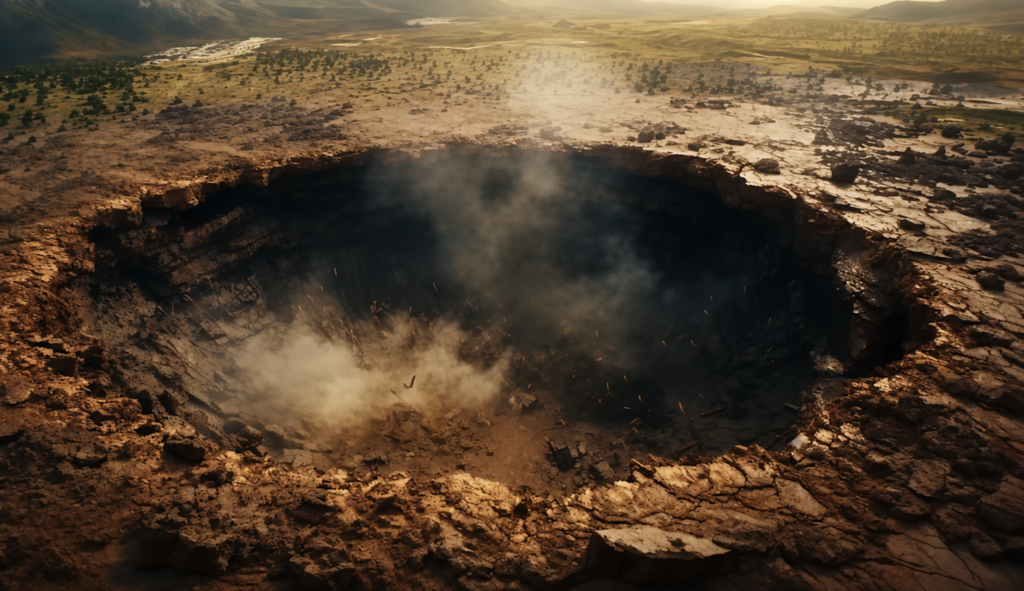
Fires, earthquakes, and tsunamis spread worldwide. Dust and debris choked the atmosphere, blocking sunlight and collapsing ecosystems everywhere.
Around 75 percent of all species on Earth died, including the non avian dinosaurs, permanently redirecting the course of evolution.
Eight moments, and the same conclusion each time. Our species exists because we arrived after the planet finished its worst work, not because we could ever have endured it.