THE SUN IS A GIANT BALL OF FIRE
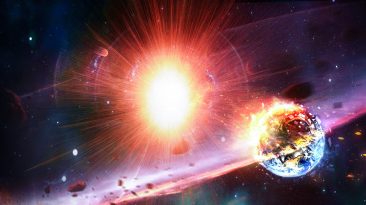
No. Our Sun isn’t a raging bonfire in the center of the Solar System. It’s actually a nuclear reactor. Inside stars, hydrogen atoms fuse together to form helium atoms.
And during that process of nuclear fusion, enormous amounts of energy are released. That energy shoots out in all directions, eventually making its way to you.
METEORS ARE FLAMING ROCKS
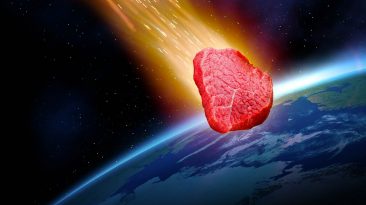
If you’re lucky enough to catch a glimpse of a shooting star, what you’re really seeing is the glow from the intense air pressure in front of the meteor. As it speeds through our atmosphere, the rapid compression of the air in front of the meteor heats things up until its glowing bright.
And as a result of all that heat, meteors tend to burn up in our atmosphere even though they aren’t technically on fire.
NUKING AN ASTEROID IS A GOOD IDEA
Now, while our atmosphere is our last line of defense, unfortunately, some space rocks would just be too big for the atmosphere to consume before they crash into Earth. So, just like in the movies, if an giant asteroid were headed our way, we should probably nuke it, right?
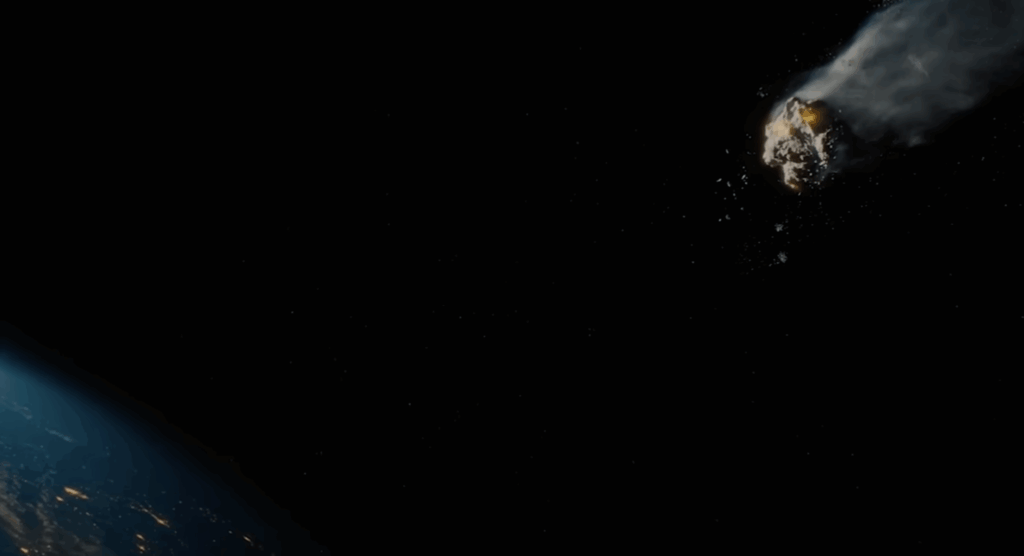
Uh uh. No way. While nuking it could help to take a planet killing asteroid down a couple notches, it wouldn’t mean we’d be totally safe. If we nuked an asteroid, it would break into many smaller pieces. And any one, or hundreds of these could still pose a major hazard to life on Earth.
ZERO GRAVITY MEANS ZERO MASS
When you heard the word microgravity just now, you might have done a double take. Weren’t we always told there’s no gravity in space? And if there’s no gravity, then there must be no weight. Otherwise, how could astronauts just float around the ISS?
Well, the term zero gravity is misleading. There will always be some amount of force acting on an object. In the case of astronauts in the ISS, they aren’t actually weightless, they’re in a state of constant free-fall. Thanks to their orbit around Earth, they’re always falling but never landing.
ALL SPACE IS A VACUUM
A vacuum occurs when matter is absent. No atoms, no molecules, no nothing.
Sure, space is pretty empty, but it’s not a perfect vacuum. There will always be a few stray atoms lurking in the gigantic voids between galaxies. OK, maybe having less than one atom for every cubic meter is really, really close to a vacuum. But still. It’s a lie.
ASTRONAUTS COULD EXPLODE IN SPACE
Thanks to movies and pop culture, another lie you’ve been fed is what happens when an astronaut is directly exposed to space without a spacesuit. If you’re out on a spacewalk and your suit or your helmet are breached, this would definitely be bad news.
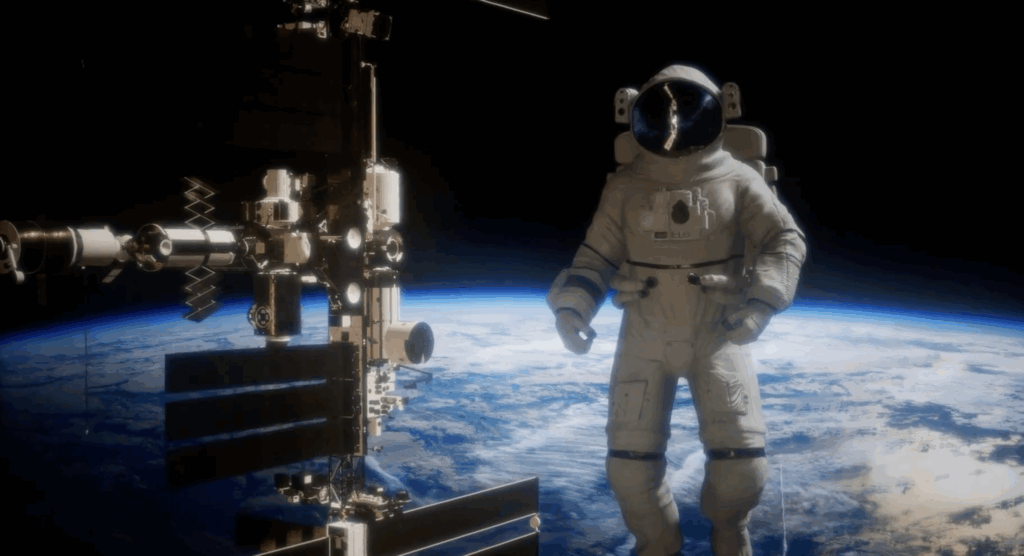
Space is harsh to the human body, and unless you could respond to the situation with lightning speed, you would probably die. But rest assured, you wouldn’t spontaneously explode.
THE DARK SIDE OF THE MOON
Despite the legendary album by the rock band Pink Floyd, there isn’t actually a dark side of the Moon. At least not one that’s permanently dark.
The reality is that the Moon is tidally locked to Earth. That means that the Moon takes the same amount of time to make one full spin on its axis as it does to revolve once around Earth. That means you only ever get to see sunlight hit one side of it. But every side of the Moon gets lit every day.
EARTH IS A PERFECT SPHERE
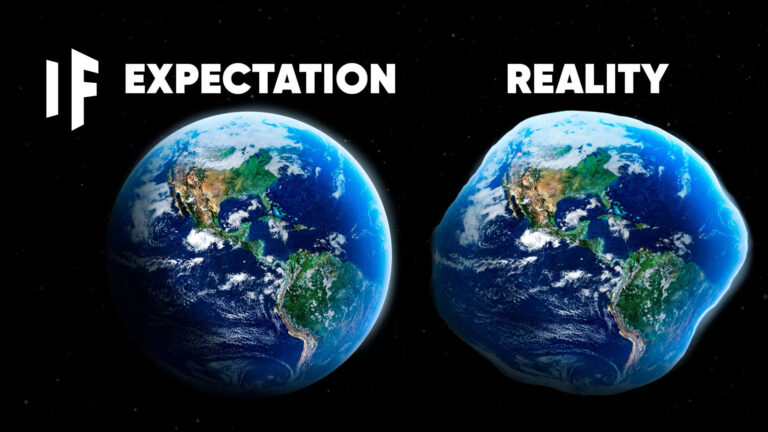
Earth is technically an oblate spheroid. That means that it is slightly flattened on the north and south poles while it bulges out at the equator.
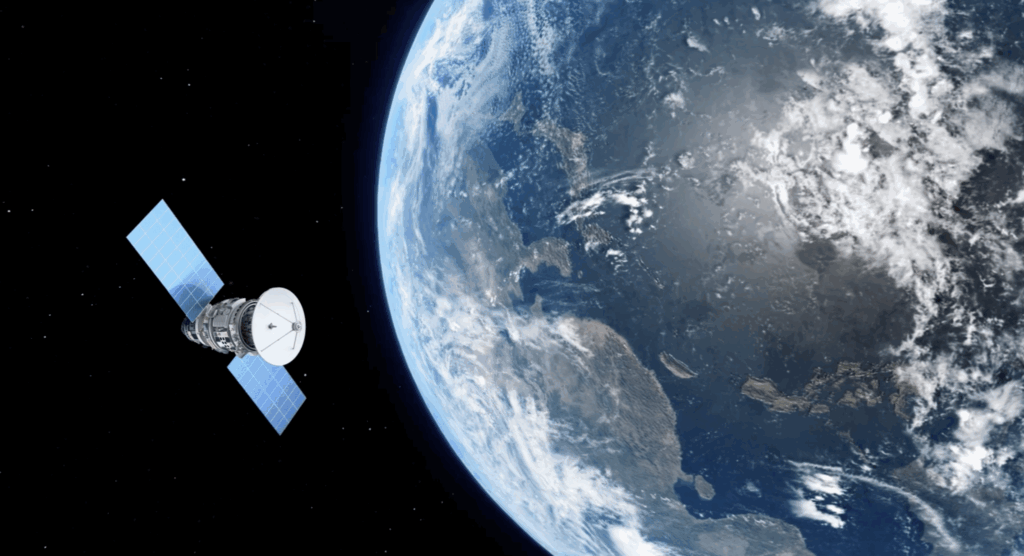
How did it get this way? Well, imagine that when the planet was forming, it was a bit like a ball of clay. As it spins, the top and bottom get a bit squished down, while the middle looks more bloated.