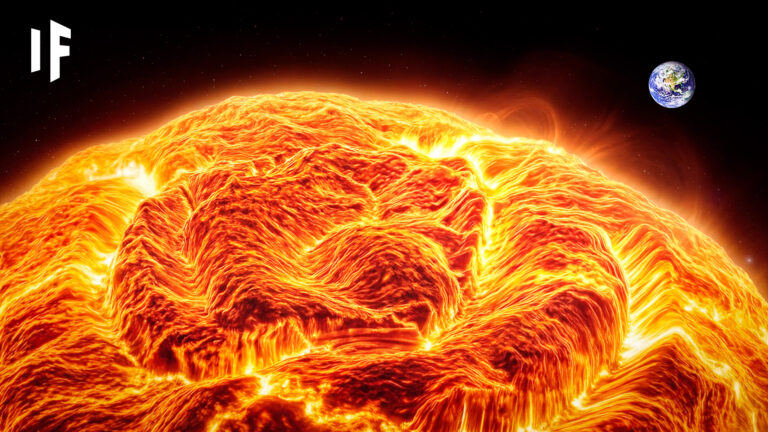
Betelgeuse is one of the closest stars to Earth, at a distance of only 650 light-years away.
This makes Betelgeuse a fan-favorite with professional and amateur astronomers alike.
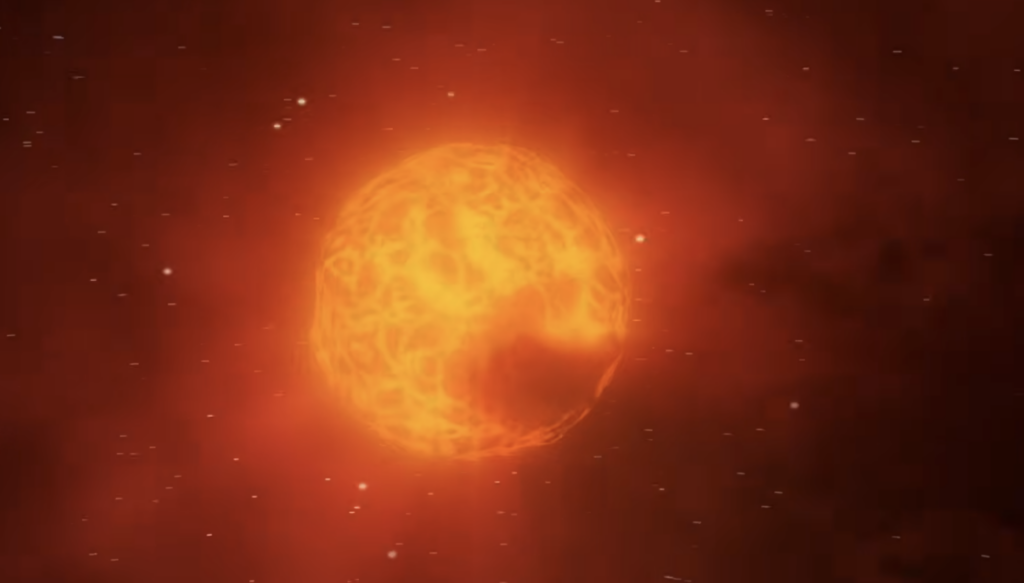
Betelgeuse is a red giant star, which means that when it reaches the end of its life, it will explode in a spectacular supernova, possibly even becoming a black hole in the process.
Let’s imagine that today is the day that Betelgeuse calls it quits, and puts on one heck of a cosmic light show.
The only side effect we’re going to feel from Betelgeuse exploding is sadness. It’s going to be a bummer when we say goodbye to the brightest star in the Orion constellation.
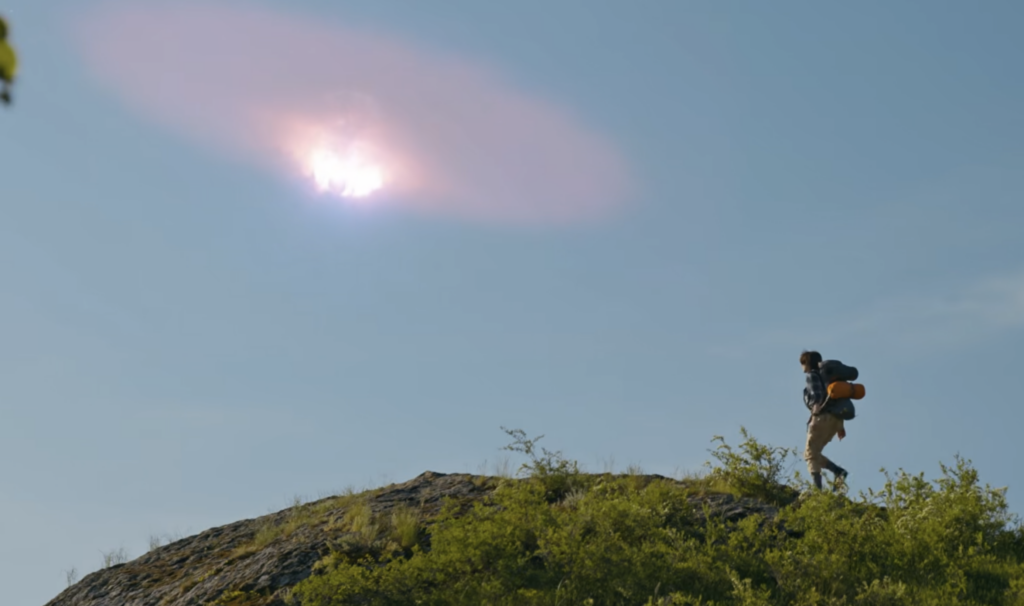
Down here on Earth, we’re going to see a very bright light in the sky. It could even be visible during the day, and bright enough to rival a full moon at night.
Don’t worry, it’ll be hard for you to miss, as this light show is expected to go on for quite some time. This is because the light has to travel 650 light-years from its place in the Universe to ours.
The event will be breathtaking to behold, but Betelgeuse will be wrapping up its farewell tour.
And that’s it. It’s been a pleasure, Betelgeuse.
We’re about 10 times too far away to feel any repercussions from the explosion. If we weren’t, well, that would be another story.
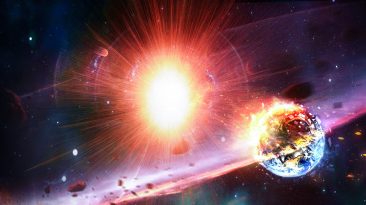
OK, OK, fine. We know what you want. This is WHAT IF, after all. Bring on the destruction! If we were too close to Betelgeuse when it explodes, our atmosphere and cells would be fried by the radiation and gamma waves.
When you’re exposed to high doses of radiation, it can burn and scar your skin, cause genetic mutations, and can ultimately be lethal. Gamma radiation, in particular, is incredibly powerful. It’s pure energy, even more intense than light itself.
If Betelgeuse were closer to Earth, it would be a literal and figurative “lights out” for all of us. Humans, animals, plants, you name it – it would all be toasted.
An explosion that big, from a star that immense, would destroy life on Earth in seconds once the radiation hits us, even though the process of going supernova takes years.
And even if we did have interplanetary ships to evacuate in time, Betelgeuse is so huge that there wouldn’t be a planet in our Solar System that’s safe from the explosion.
There! Are you happy? Everyone dies.
Thankfully, we’re much too far from Betelgeuse to have any direct, observable or harmful effects from the explosion. Betelgeuse is going to explode, but it will likely take another 100,000 years.
When it does go, astronomers are going to have to rethink the structure of Orion. It may not leave a massive hole in the Universe, but it will leave a hole in our hearts.