Humanity has long imagined leaving Earth and establishing a second home among the stars. The idea of a backup planet is no longer confined to science fiction, especially as astronomers continue discovering Earth like worlds orbiting distant stars. Among the most intriguing of these candidates is Kepler 452 b, an exoplanet often described as one of the closest analogues to Earth ever found.
However, if humans were to actually attempt a landing on Kepler 452 b, the mission would immediately reveal that “Earth like” does not necessarily mean “Earth safe.”
A Distant Earth Like World
Kepler 452 b is located roughly 1,799 light years from Earth, orbiting a star similar to our Sun. The planet sits within what scientists call the habitable zone, the region where temperatures could allow liquid water to exist on a planetary surface.
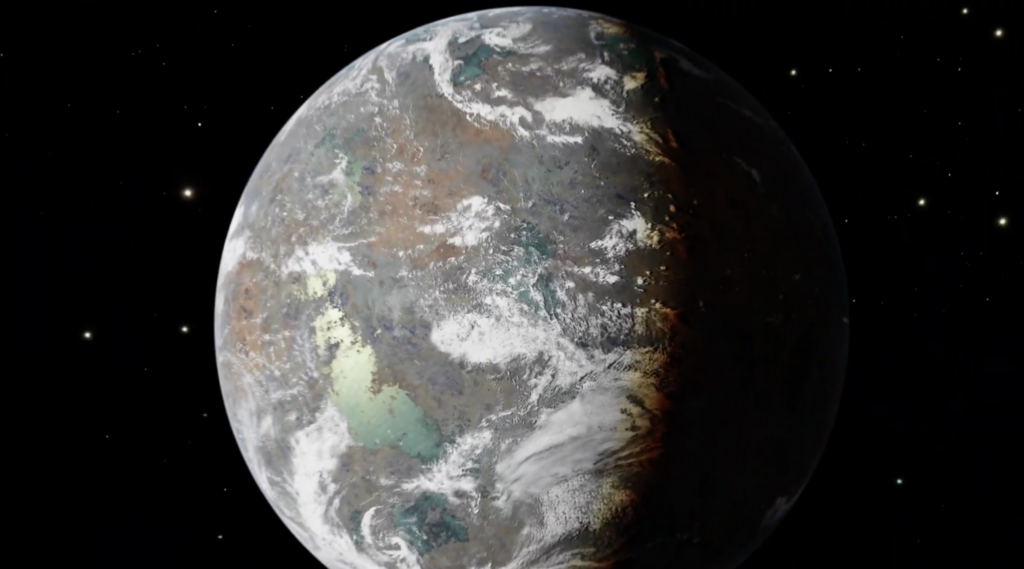
At first glance, this makes it a promising candidate for potential habitability. It receives a similar level of stellar energy as Earth and may even have a comparable surface environment. In many ways, it appears to be a version of Earth from a different timeline.
But appearances in space can be misleading.
The Impossible Journey
Even before any landing could take place, the distance to Kepler 452 b presents an extreme challenge. At nearly 1,799 light years away, a message sent from the planet would take almost two millennia to reach Earth.
Using current technology, even the fastest spacecraft ever built would require millions of years to complete the journey. This makes conventional travel entirely impractical.
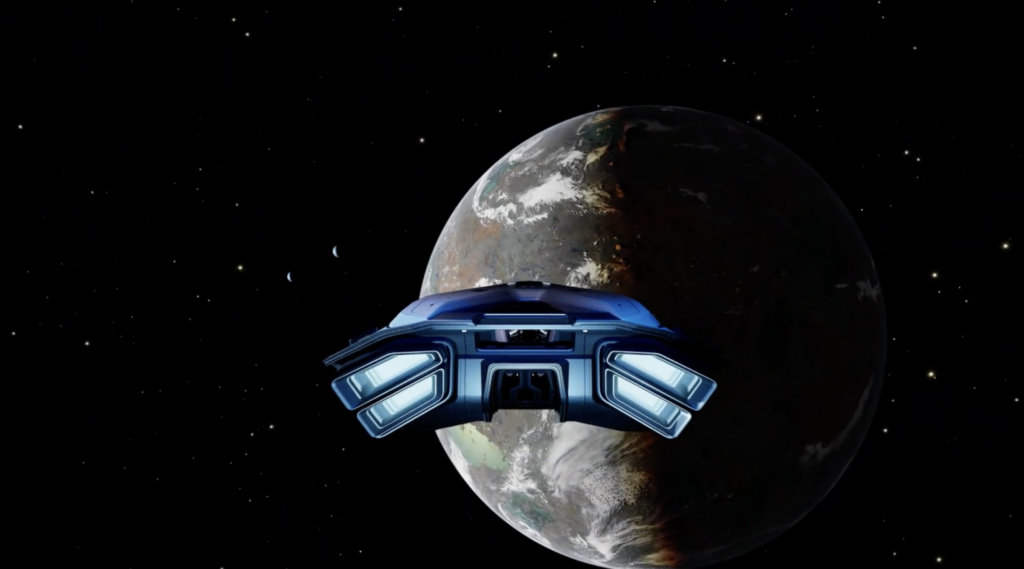
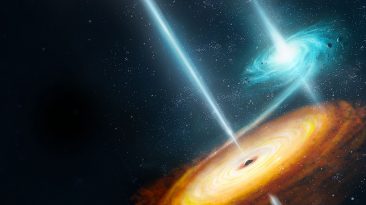
Theoretical physics offers one possible workaround: wormholes. These hypothetical structures, also known as Einstein Rosen bridges, were proposed by Albert Einstein and Nathan Rosen as shortcuts through spacetime. In theory, a wormhole could connect two distant points in the universe almost instantly.
In practice, however, they remain unproven and likely unstable. Any real attempt to use one could result in immediate collapse. For the sake of exploration scenarios, stable wormholes are purely speculative.
A Planet of Increased Gravity
Upon arrival, one of the first and most immediate challenges on Kepler 452 b would be gravity. The planet is estimated to be about 1.6 times larger than Earth and roughly five times more massive.
This results in surface gravity approximately twice that of Earth. For humans, this would mean every movement requires significantly more effort. Walking, lifting objects, or even standing for long periods would feel exhausting.
Such conditions would place severe strain on the human body, particularly the cardiovascular and musculoskeletal systems.
A Harsh and Unfamiliar Environment
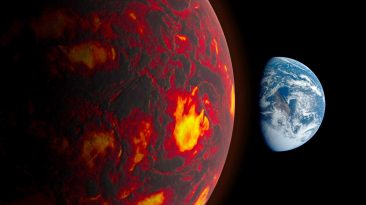
Surface conditions on Kepler 452 b remain uncertain, but models suggest the planet could be significantly hotter than Earth. Temperatures may approach levels comparable to extreme greenhouse environments, potentially reaching nearly 50 degrees Celsius or higher in certain regions.
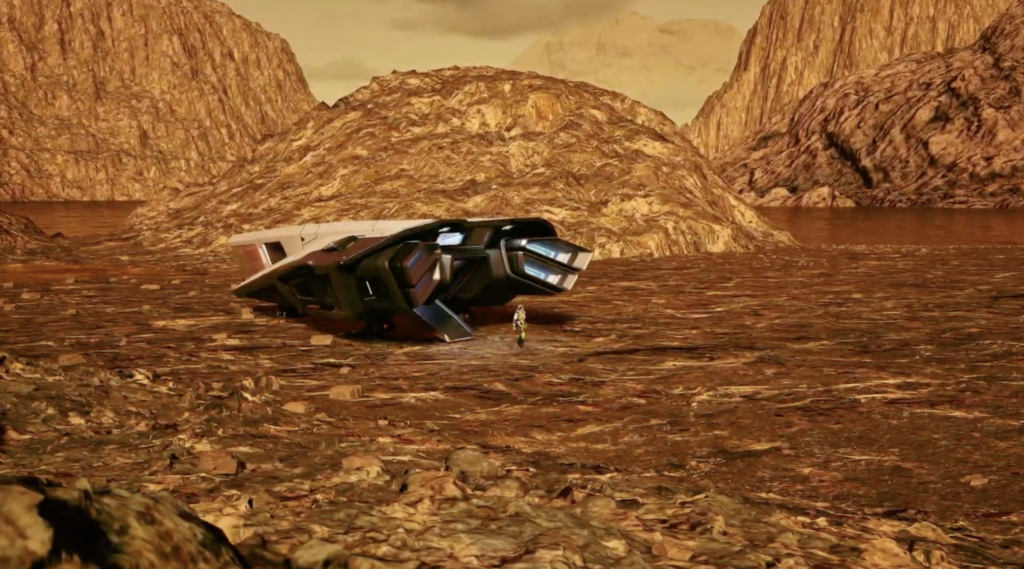
Even more concerning is the possibility that the planet is undergoing a runaway greenhouse effect. This is a process in which increasing atmospheric heat causes oceans to evaporate, trapping even more heat and accelerating planetary warming.
Earth itself is not immune to such a future, and Venus is often cited as an example of a planet that underwent this transformation billions of years ago.
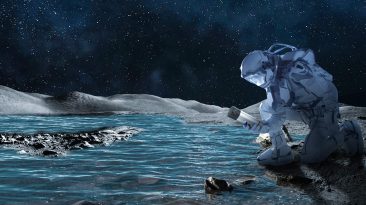
If Kepler 452 b is in such a state, any surface water may already be limited to scattered lakes or subsurface reserves.
The Hidden Danger of the Atmosphere
One of the more unpredictable hazards on a planet like Kepler 452 b could come from its atmosphere and geology. In environments with high volcanic activity, carbon dioxide can accumulate in underground reservoirs beneath lakes or low lying regions.
If released suddenly, this gas can displace oxygen and create invisible clouds that settle close to the ground due to their density. Because carbon dioxide is both colorless and odorless, such events could occur without warning.

In enclosed or low lying areas, exposure would rapidly become lethal without protective equipment.
A Planet That May Already Be Past Its Prime
Although Kepler 452 b is located in the habitable zone, long term habitability depends on many factors beyond distance from a star. Its host star is older and brighter than the Sun, which may indicate that the planet has already experienced a significant portion of its habitable lifespan.
If life ever developed there, it could theoretically be far more advanced than life on Earth, given the additional time for evolution. Alternatively, the planet may already be transitioning out of habitability entirely.

In this sense, Kepler 452 b may represent not a new Earth, but a possible glimpse into Earth’s distant future.
The Reality of Interstellar “Backup Plans”
The concept of Kepler 452 b as a backup planet highlights a key limitation in human exploration. While exoplanets in the habitable zone are exciting discoveries, habitability depends on a complex balance of temperature, atmosphere, gravity, and geological stability.
Kepler 452 b may check some of those boxes, but it also presents extreme challenges that would make human survival extremely difficult without advanced technology.
Rather than a second Earth, it may be more accurate to describe it as an Earth like world under very different conditions.