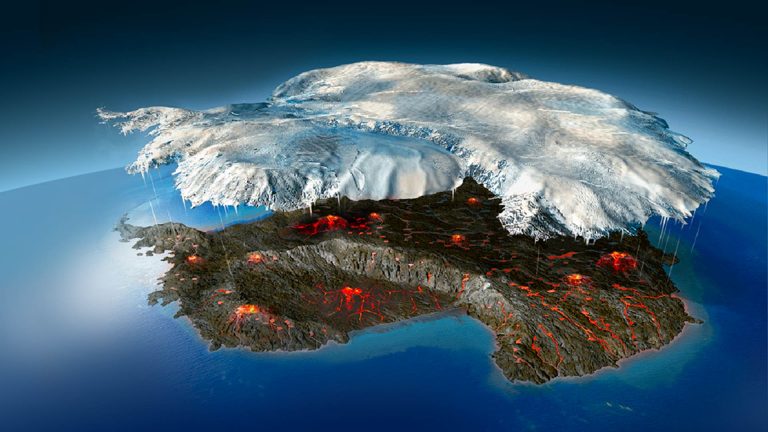
Beneath Antarctica’s endless white surface lies a world most people never think about. Under kilometers of solid ice, the continent hides a landscape shaped by fire rather than cold. Ancient volcanic systems stretch across the bedrock, quietly buried and largely forgotten.
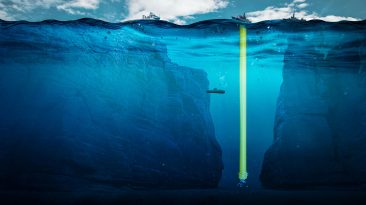
For a long time, Antarctica was believed to be geologically dormant. That changed when scientists began detecting unusual seismic activity and used ice penetrating radar to scan what lies below the surface. The results revealed a surprising discovery: a vast network of hidden volcanoes beneath the ice sheet.
Today, researchers have identified more than a hundred volcanic structures beneath Antarctica, and there may be many more still undiscovered.
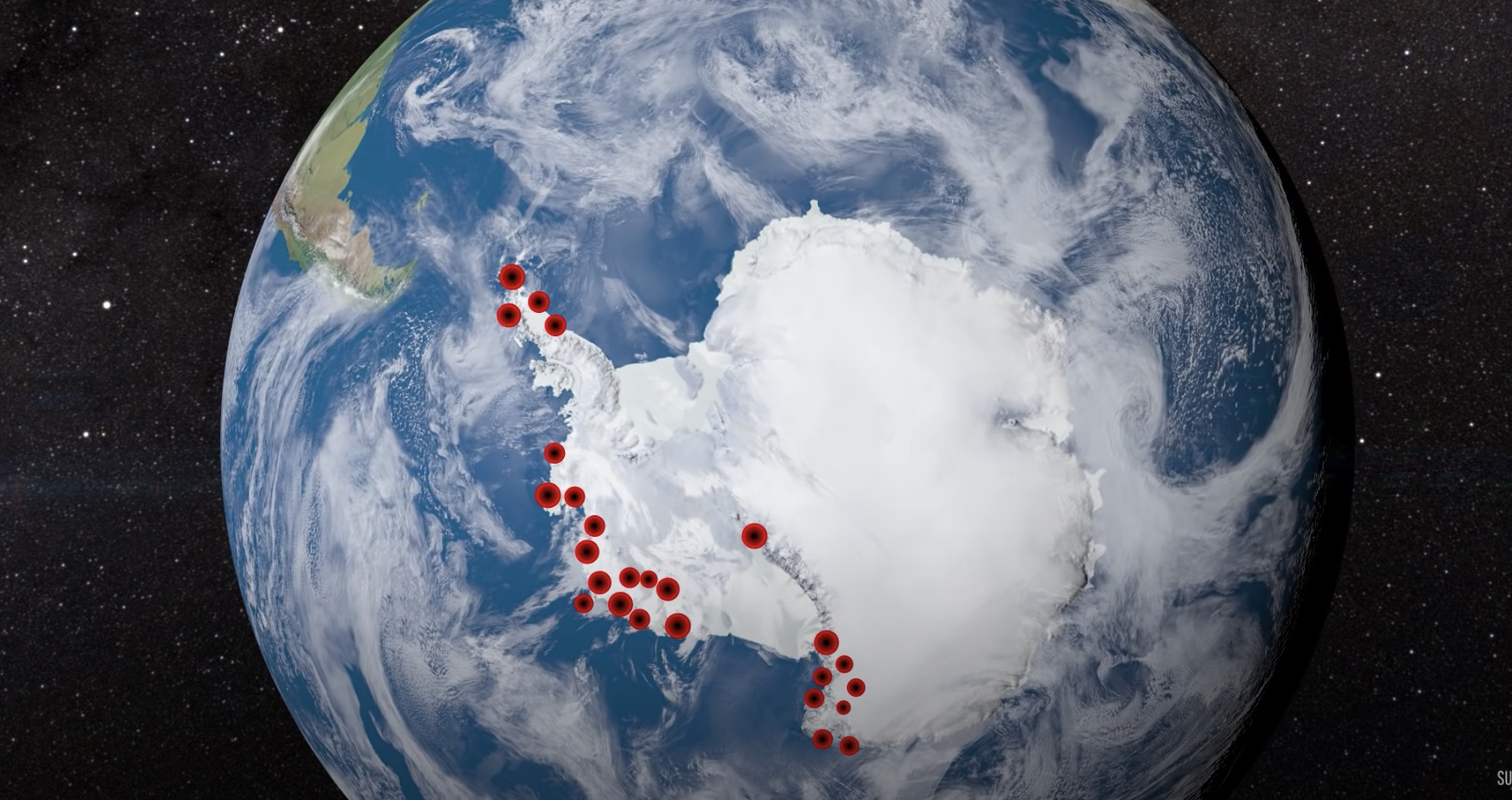
This raises an important question. What would happen if this frozen volcanic region suddenly became active again?
Volcanoes exist in many parts of our Solar System. They are found on moons like Io, as well as distant worlds such as Venus. On Earth, however, most volcanic activity happens in areas where it can be monitored. Antarctica is different. Its volcanoes are hidden beneath ice sheets that can be several kilometers thick.
If these volcanoes began to wake up, the first signs would likely be small earthquakes and shifts in underground pressure, caused by magma moving beneath the crust. Over time, heat from volcanic activity would begin to melt the ice above, creating hidden pockets of water deep under the surface.
At first, this might seem harmless. But the real danger lies in what happens next.
As the ice begins to melt from below, large sections of the ice sheet could become unstable. Once the structural balance is disrupted, the ice could start moving more rapidly toward the ocean.
This process creates a feedback loop. Less ice means less pressure on the volcanic system below. With reduced pressure, magma can rise more easily, potentially increasing volcanic activity even further.
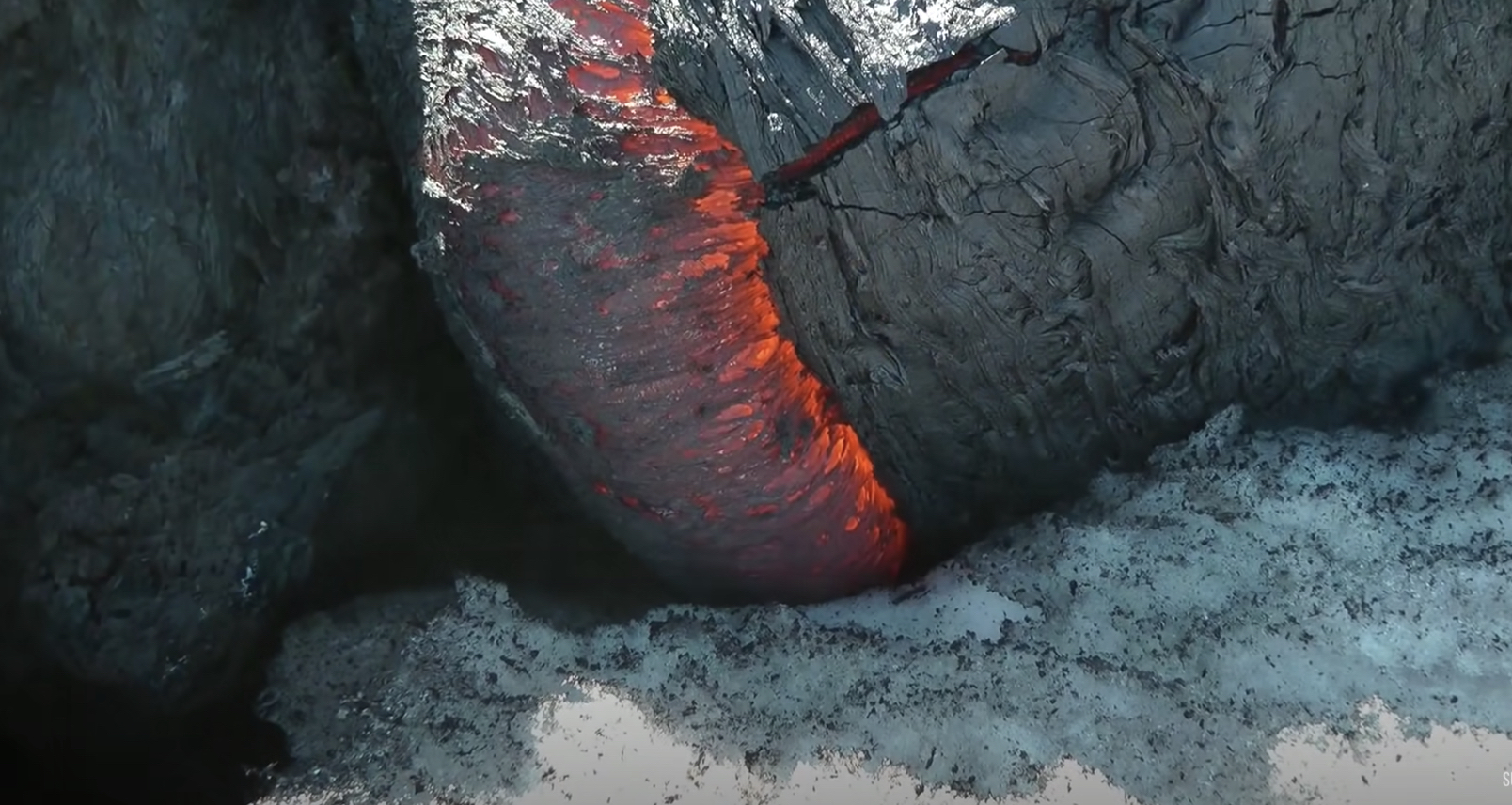
If multiple volcanic systems became active at once, the effects could spread across the entire region. Melting ice would accelerate, and vast amounts of freshwater would enter the surrounding oceans.
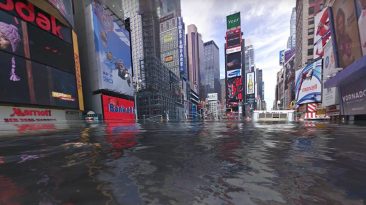
One of the most significant long term consequences would be rising sea levels. Antarctica contains enough ice to raise global sea levels by tens of meters if fully melted. Even partial melting would have serious consequences for coastal cities and low lying regions around the world.
At the same time, warmer ocean currents could begin interacting with weakened ice shelves, speeding up the collapse of ice sheets and reshaping global ocean circulation patterns.
Coastal flooding would increase, storms would become more destructive, and ecosystems along shorelines would face extreme pressure. Agriculture in many regions could also be affected due to saltwater intrusion into freshwater supplies.
But what about the volcanoes themselves once the ice is gone?
Interestingly, underwater volcanic eruptions behave differently from those on land. When magma erupts beneath the ocean, it cools rapidly and solidifies almost immediately upon contact with cold seawater. This means Antarctica would not transform into a fiery lava landscape, even if volcanic activity increased.
Instead, the more serious threat would come from the gases released during eruptions.
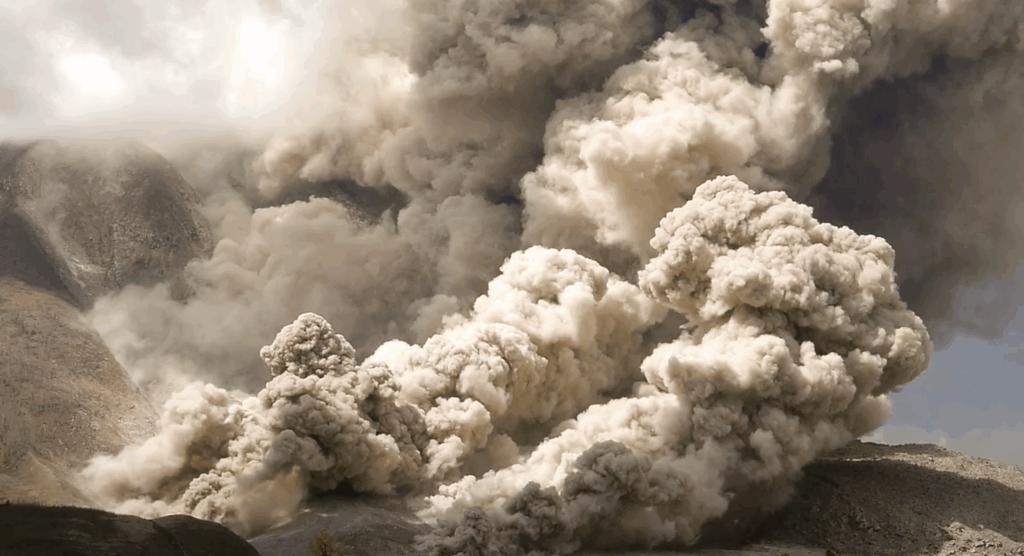
Volcanic activity releases large amounts of carbon dioxide, water vapor, and other gases into the atmosphere. Over time, these emissions can contribute to climate change by strengthening the greenhouse effect.
In Earth’s history, even single large eruptions have had measurable impacts on climate and atmospheric chemistry. Some events have been linked to temporary warming or cooling periods depending on the scale and composition of the emissions.
If Antarctica’s volcanic systems became highly active, the release of heat and gases could influence not only the local environment but also global climate patterns.
However, scientists emphasize that such a scenario would not occur suddenly. Even if Antarctic volcanoes began to show increased activity, it would likely unfold over decades or even centuries rather than in a single catastrophic event.
This slow timeline means there would be warning signs, giving time for monitoring and understanding before any large scale changes took place.
The hidden world beneath Antarctica is not a ticking time bomb, but it is a reminder that even the most frozen and remote places on Earth are still shaped by powerful forces deep below the surface.