What if north suddenly became south and south became north? What if Earth’s magnetic poles reversed overnight, just like they did around 780,000 years ago?
The last time this happened, humanity did not exist in its modern form, and the planet survived without any major disaster. But today, our world depends on satellites, global communication networks, electrical grids, and advanced technology. So what would happen if Earth’s magnetic shield suddenly started changing?
Would a magnetic pole reversal destroy our technology? Could it affect our climate? Would increased radiation make parts of Earth impossible to live on?
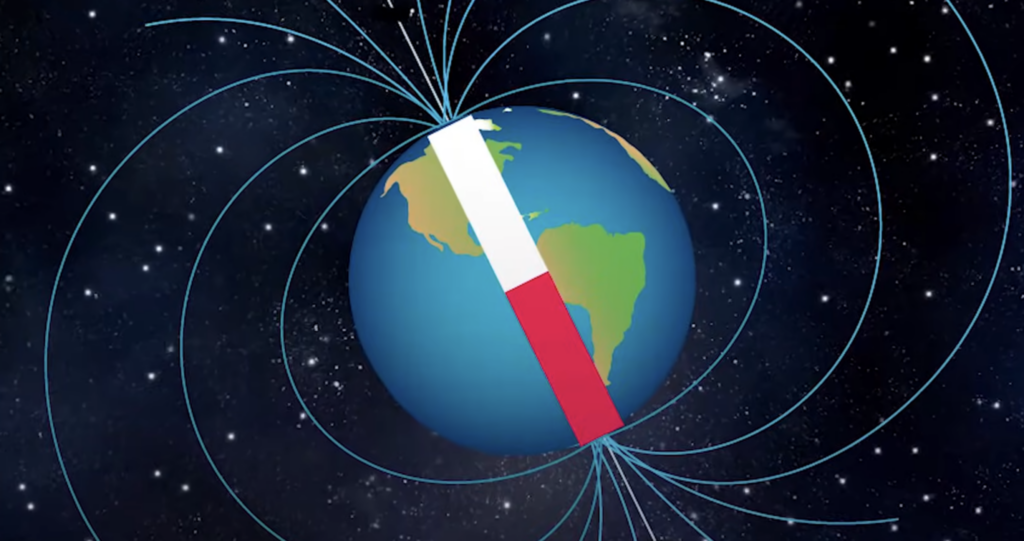
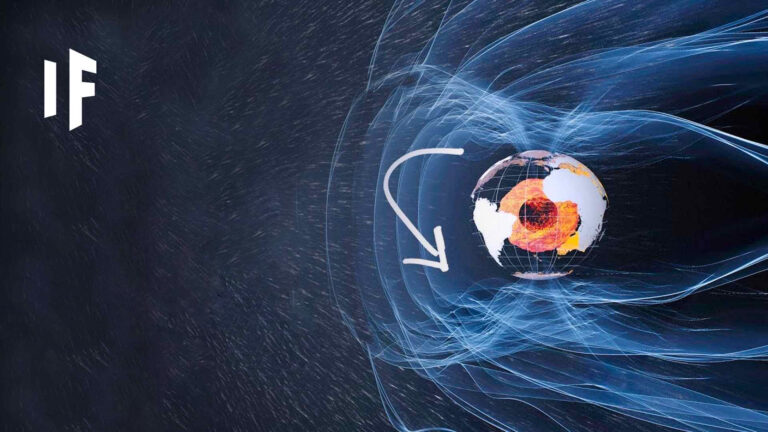
Earth’s magnetic field has existed for billions of years. For at least 4.2 billion years, it has acted as a protective shield, helping defend the planet from dangerous particles released by the Sun and cosmic radiation from space.
Throughout Earth’s history, the magnetic poles have switched positions many times. Scientists believe these reversals happened roughly every 200,000 to 300,000 years on average. However, the current magnetic poles have remained stable for about 780,000 years, making this one of the longest periods without a complete reversal.
Does that mean Earth is overdue for another flip?
Maybe.
But if the poles suddenly reversed, would it create a global disaster that ends civilization?
The answer is complicated. A magnetic reversal would not completely remove Earth’s magnetic field. Instead, it would weaken it significantly. Scientists estimate that during a reversal, the field could lose a large portion of its strength, leaving the planet more exposed to charged particles from the Sun.
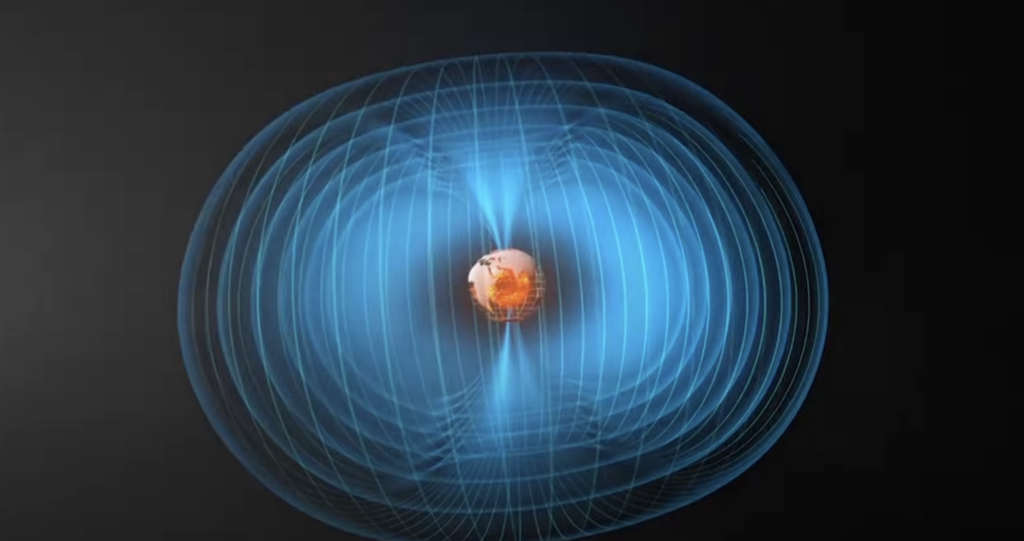
Earth’s atmosphere would still provide protection, but a weaker magnetic field would allow more solar radiation to reach the upper atmosphere. This could damage the ozone layer, allowing more ultraviolet radiation to reach the surface.
Higher UV exposure could increase the risk of skin damage, eye problems, and mutations in living organisms. Over long periods, some regions of the planet could become much more difficult for life to survive.
However, the biggest impact on modern civilization might come from technology.
Satellites orbiting Earth would become vulnerable to powerful solar particles. These particles can damage electronics, disrupt communication systems, and interfere with navigation networks. A major solar storm today could already cause enormous financial losses, with estimates suggesting the damage could reach tens of billions of dollars per day.
If Earth’s magnetic field weakened significantly, communication systems could experience widespread failures. GPS networks, internet infrastructure, and satellite based services could become unreliable or stop working completely.
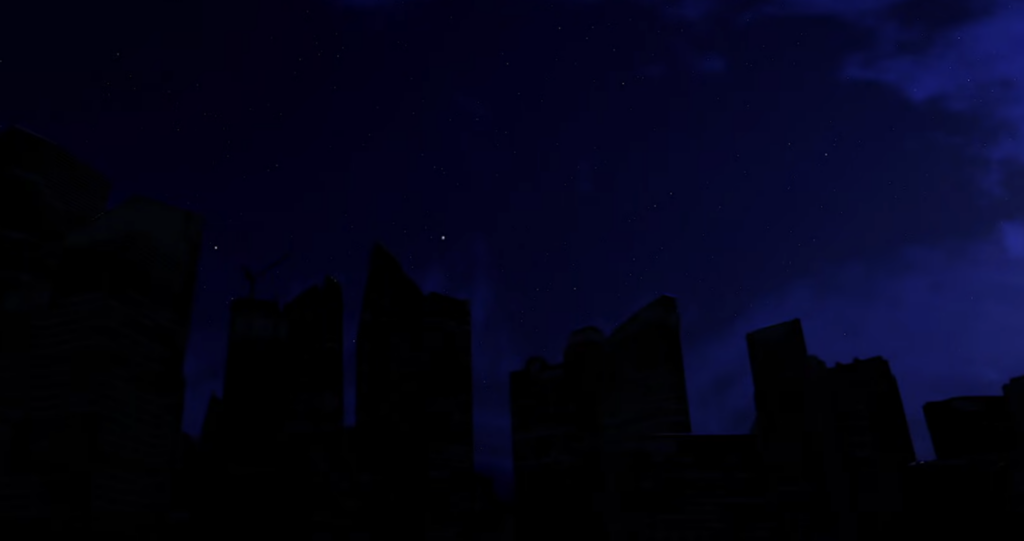
Electrical grids would also face serious risks. Modern power systems rely on complex networks connected across entire continents. If a powerful geomagnetic storm damaged key parts of the grid, failures could spread rapidly, creating massive blackouts.
In the worst case scenario, some areas could remain without reliable electricity for extended periods. Without power, many modern conveniences would disappear. Phones, computers, refrigeration systems, and many transportation systems would stop working. Even basic services like water treatment and sewage systems could struggle because they depend heavily on electricity.
A sudden reversal would push society back into a world that looks very different from today, where technology would no longer be guaranteed.
Animals would also be affected. Many species, including migratory birds, sea turtles, whales, bees, and salmon, use Earth’s magnetic field to navigate. A sudden change could confuse these animals and disrupt migration patterns.
However, these species have survived previous magnetic reversals. Their ability to adapt suggests that nature would likely find a way to adjust over time.
The good news is that a magnetic pole reversal would not happen overnight. Scientists believe the process would take thousands of years, with the magnetic field gradually changing rather than instantly disappearing.
Researchers have observed that Earth’s magnetic field has been weakening for around 160 years. This does not prove that a reversal is about to happen, but some scientists believe another flip could occur within the next several thousand years.
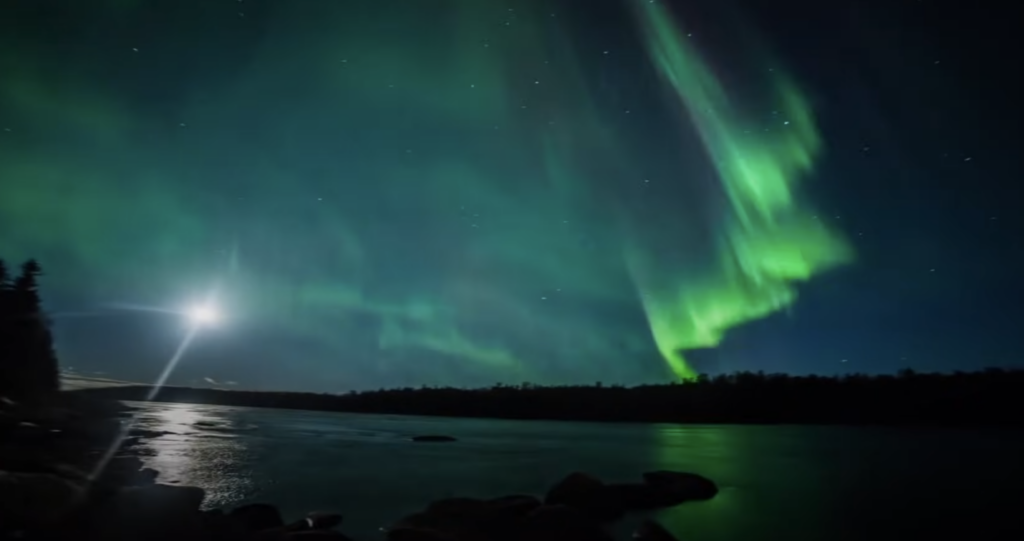
During the transition, something incredible would happen. Auroras, the colorful lights normally seen near the poles, could become visible much farther away. Places that rarely experience them today could see spectacular displays lighting up the night sky.
A magnetic pole reversal would not destroy Earth, but it would challenge the technology driven world humans have built. The planet has survived these events many times before. The real question is whether modern civilization could adapt to a world where the invisible shield protecting us becomes much weaker.