For centuries, humans have dreamed about finding a new home among the stars. Earth is the only planet we know that supports life, but with thousands of planets discovered beyond our Solar System, scientists are searching for worlds that could one day become humanity’s first interstellar settlement.
The question is no longer whether other planets exist. The real challenge is finding one that could actually support humans.
Scientists call these distant worlds exoplanets. These are planets that orbit stars outside our Solar System, and thousands have already been discovered. But only a small number are considered potential candidates for future exploration.
The most important requirement is location.
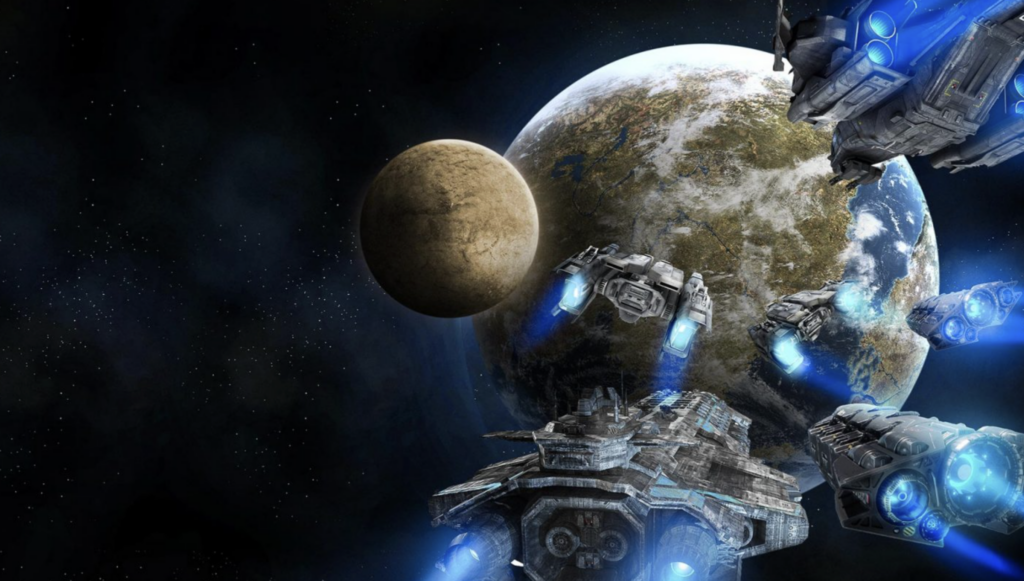
A planet suitable for human settlement would need to exist inside its star’s habitable zone. This is the region where temperatures are just right for liquid water to exist on the surface. Since water is essential for life as we know it, finding a planet in this zone is one of the biggest priorities in the search for a second home.
One of the most promising candidates discovered so far is Teegarden’s Star b.
Located around 12.5 light years from Earth, this exoplanet is one of the closest potentially habitable worlds we have found. It also has one of the highest Earth Similarity Index ratings ever recorded, making it an exciting target for scientists studying future human settlements.
At first glance, Teegarden’s Star b sounds like the perfect destination.
The planet orbits a small, cooler star known as an M type red dwarf. Unlike Earth, it circles extremely close to its star, completing a full orbit in less than five Earth days. While that might sound strange, the planet could still maintain suitable temperatures because its star produces much less energy than our Sun.
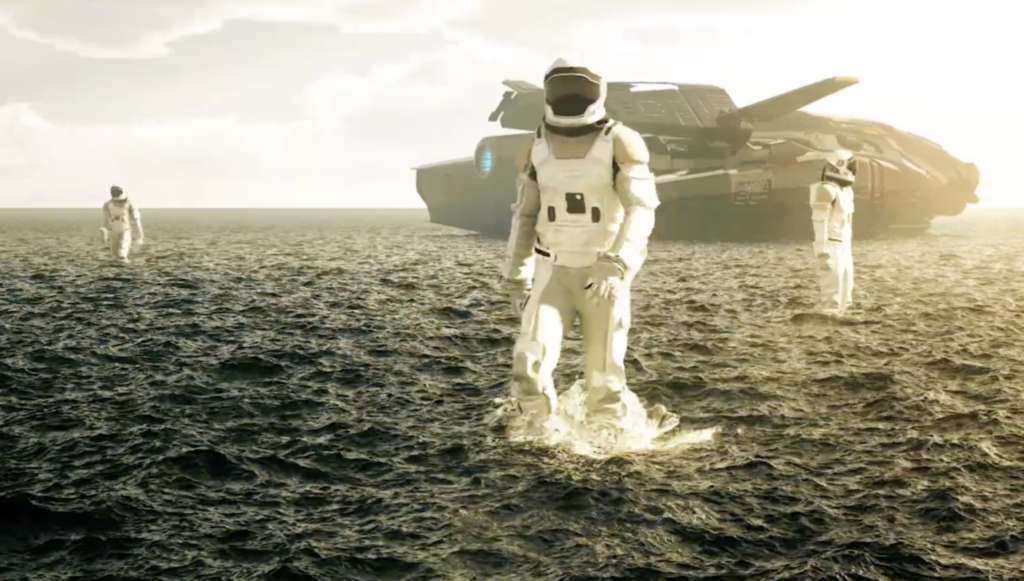
The planet’s atmosphere could also play a major role. Gases like water vapor and carbon dioxide may trap heat from the star, preventing the surface from becoming completely frozen.
However, every potential new home comes with challenges.
Teegarden’s Star b is believed to be tidally locked. This means one side of the planet always faces its star, while the opposite side remains in permanent darkness.
Imagine living on a world where the Sun never moves across the sky. One side of the planet could experience endless daylight and extreme heat, while the other side could remain frozen in a never ending night.
Any future settlers would likely need to live in a narrow region between these two extremes, where temperatures could be more manageable.
There are also many unknowns. Scientists still do not know whether Teegarden’s Star b has a protective atmosphere, stable climate, magnetic field, or the necessary conditions for long term human survival.
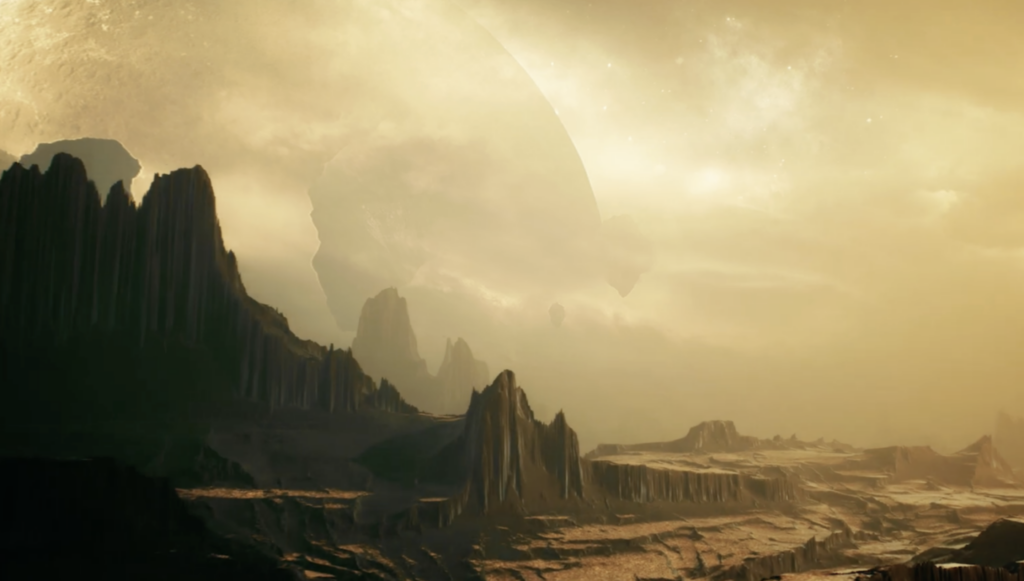
Even if it turns out to be Earth like, reaching it would be an enormous challenge. At 12.5 light years away, current spacecraft would take thousands of years to arrive. Future technology, such as advanced propulsion systems, would be needed before humans could realistically make the journey.
For now, Teegarden’s Star b represents something more than just a possible destination. It is a reminder that Earth is incredibly rare.
Our planet may have problems, but it provides a perfect combination of water, atmosphere, temperature, and ecosystems that took billions of years to develop. While scientists continue searching for humanity’s first home beyond the Solar System, protecting the one we already have may be the most important mission of all.